Whether a Pomsky Gets Glaucoma
The thought of your precious Pomsky suffering from any kind of pain or losing their sight is truly heartbreaking. Many Pomsky owners worry about the various health issues their beloved companions might face, especially when it comes to something as vital and delicate as their eyes. This comprehensive guide is here to shed light on glaucoma in Pomskies, helping you understand this serious condition, recognize its signs, and navigate the treatment options available to protect your furry friend's vision and comfort.
Understanding Glaucoma in Dogs
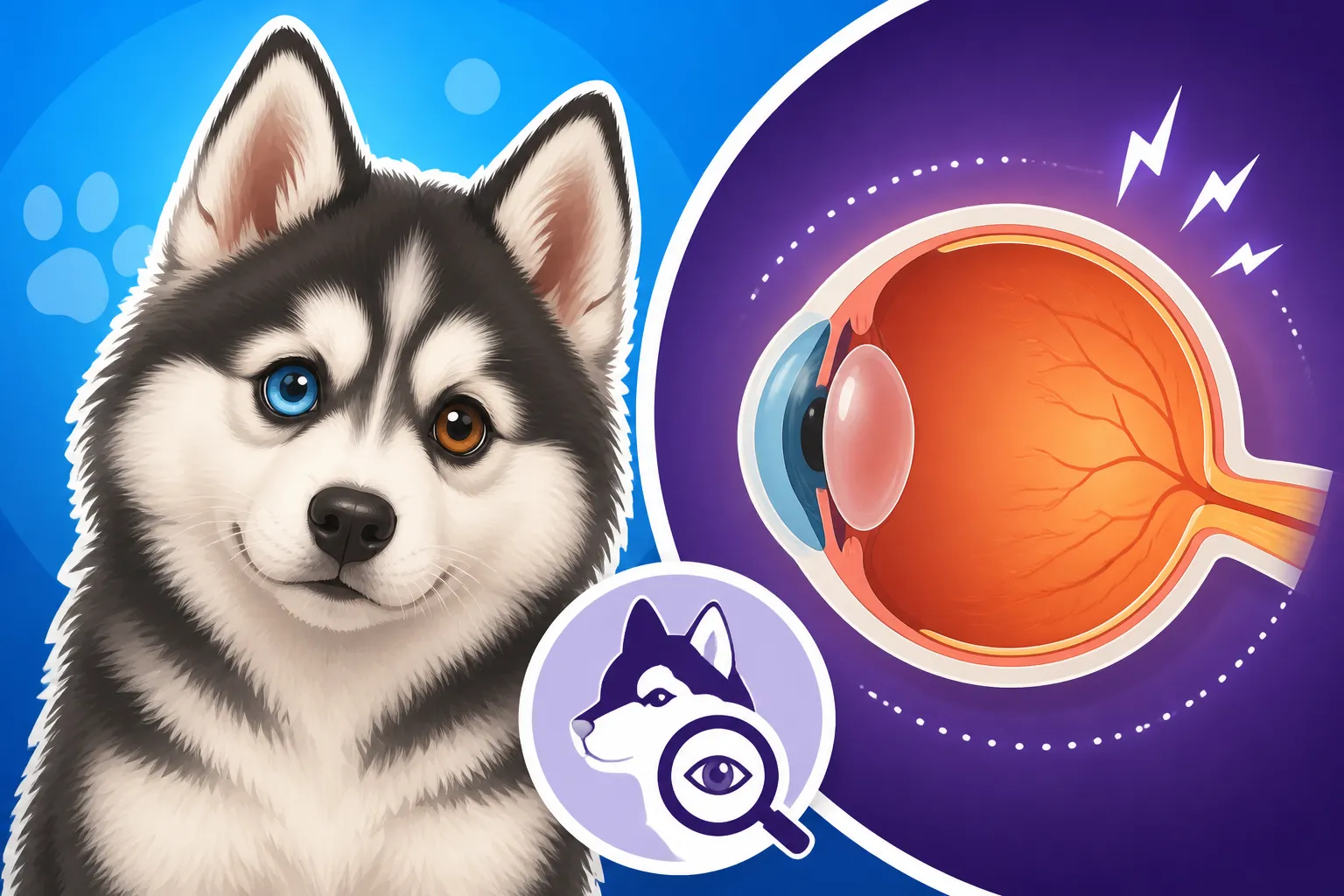
Glaucoma is a terrifying word for any pet parent to hear, and for good reason. It’s a group of eye conditions that cause damage to the optic nerve, the nerve that transmits visual information from the eye to the brain, due to abnormally high pressure inside the eye. Imagine having a constant, pounding headache right behind your eyes – that’s a bit like what some dogs with glaucoma might experience, coupled with progressive vision loss. This pressure builds up because the fluid inside the eye (aqueous humor) isn't draining properly, or too much of it is being produced. When this delicate balance is disturbed, the consequences can be devastating and, if left untreated, often lead to irreversible blindness and significant pain.
The rapid onset and severe nature of canine glaucoma can make it particularly distressing for owners. Unlike humans who might suffer from chronic, slow-progressing glaucoma, dogs often experience an acute, painful surge in eye pressure. This means that a seemingly normal eye can become red, cloudy, and incredibly painful within a matter of hours or days. Time is truly of the essence when it comes to diagnosing and treating this condition, as every moment of elevated pressure can cause more damage to the sensitive structures within the eye.
Primary vs. Secondary Glaucoma
When we talk about glaucoma in dogs, it’s important to distinguish between two main types: primary and secondary. Understanding the difference is crucial for both diagnosis and long-term management, as their underlying causes and prognoses can vary significantly.
Primary glaucoma is often hereditary, meaning it’s passed down through a dog’s genetic lineage. It occurs when there’s an inherent defect in the eye’s drainage angle, the area where the aqueous humor should naturally flow out. There’s no other underlying eye disease causing the pressure increase; it’s simply a structural or developmental abnormality. This type of glaucoma often affects both eyes, though one eye typically shows symptoms weeks or months before the other. This means that even if only one of your Pomsky's eyes appears affected, a thorough examination of both is always necessary. Breeds like the Cocker Spaniel, Beagle, Basset Hound, and Siberian Husky are known to be predisposed to primary glaucoma, which is a significant consideration for our beloved Pomskies given their husky heritage.
Secondary glaucoma, on the other hand, develops as a result of another existing eye condition. Think of it as a complication rather than a standalone inherited issue. This could be anything from a dislocated lens, severe uveitis (inflammation inside the eye), advanced cataracts, or even an intraocular tumor. In these cases, the underlying condition physically obstructs the drainage angle or causes excessive fluid production. For example, if a Pomsky were to develop The Juvenile Cataracts a Pomsky Gets From the Husky, and it progressed significantly, it could potentially lead to secondary glaucoma. The good news about secondary glaucoma, if there is any, is that by treating the primary cause, you can sometimes alleviate or manage the glaucoma itself, though this isn't always successful.
| Feature | Primary Glaucoma | Secondary Glaucoma |
|---|---|---|
| Cause | Inherited defect in drainage angle | Result of another eye disease/trauma |
| Onset | Often acute, one eye usually before the other | Can be acute or gradual, linked to underlying cause |
| Affected Eyes | Typically affects both eyes over time | Usually affects one eye |
| Pain Level | Often severe and acute | Can range from mild to severe, depending on cause |
| Breed Link | Strong genetic predisposition in certain breeds | Can occur in any breed, secondary to other issues |
| Treatment Focus | Manage pressure, preserve sight | Treat underlying cause & manage pressure |
Recognizing the Early Warning Signs
Spotting the early warning signs of glaucoma can be incredibly challenging, especially for a condition that often progresses rapidly. Our dogs are masters at hiding pain, and a subtle shift in their demeanor or eye appearance might be easily missed. However, being vigilant and knowing what to look for could be the difference between saving some vision and losing it entirely.
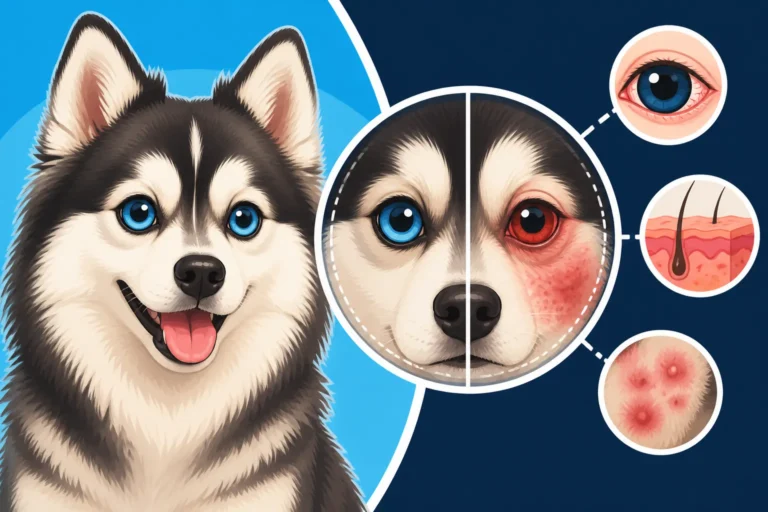
One of the most immediate and painful indicators is a sudden redness in the white part of the eye, often accompanied by a cloudy or bluish appearance of the cornea, the clear outer layer of the eye. Your Pomsky might start blinking excessively, squinting, or even rubbing their eye with a paw or against furniture. They might become withdrawn, less playful, or reluctant to be touched around their head. This is because the increased pressure is causing significant discomfort. Imagine the intense pain; your usually vivacious Pomsky might suddenly seem lethargic or even growl if you accidentally touch their face.
Other signs can include a dilated pupil that doesn't react to light as quickly as the other eye, or even appears fixed. You might notice one eye looking larger or more prominent than the other, giving it a somewhat bulging appearance. This is a sign of significant, prolonged pressure. If vision is already compromised, your Pomsky might bump into objects, especially on one side, or seem hesitant to navigate familiar surroundings, particularly in dim light. It’s important to pay attention to any changes in your Pomsky's normal behavior or eye appearance, no matter how minor they seem, and remember that even if one eye seems fine, a problem in one often signals a potential risk for the other. Early intervention is paramount, so if you notice any of these signs, contact your veterinarian immediately. This isn't something that can wait until morning or the end of the week.
Breeds at Higher Risk
Understanding the genetic predispositions of the parent breeds is key when considering a Pomsky’s potential for developing certain health conditions, including eye issues. After all, a Pomsky is a charming blend of a Siberian Husky and a Pomeranian, and they inherit traits, both good and bad, from both sides of their family tree. When it comes to glaucoma, while neither parent breed is typically listed as the most common breed for primary glaucoma compared to, say, a Beagle, they both carry risks for various eye conditions that could potentially lead to secondary glaucoma or even contribute to primary forms.
Siberian Huskies, for instance, are known for a range of ocular conditions. While not always directly primary glaucoma, issues like The Eyes a Pomsky Gets From the Husky can include things such as cataracts, progressive retinal atrophy, and corneal dystrophy. These conditions, especially uveitis or cataracts, can significantly increase the risk of secondary glaucoma. If a Pomsky inherits the genetic predisposition for these issues from its Husky parent, it stands to reason that their risk for glaucoma might be indirectly elevated. It’s not a direct "Husky = Glaucoma" equation, but rather "Husky = potential for other eye problems = increased glaucoma risk."
Pomeranians, while smaller, also come with their own set of potential eye concerns. They can be prone to conditions like entropion (inward rolling eyelids) and distichiasis (extra eyelashes), which, while not directly causing glaucoma, can lead to chronic irritation or inflammation. More relevantly, some toy breeds, including Pomeranians, can suffer from primary lens luxation, a condition where the lens of the eye detaches. A dislocated lens is a very common cause of secondary glaucoma, as it can block the fluid drainage pathways. Therefore, a Pomsky owner needs to be aware of the potential for both primary and secondary glaucoma due to the combined genetic makeup of its parent breeds. This dual heritage means that getting a comprehensive eye exam, perhaps even a Whether a Pomsky Needs a CAER Exam, is incredibly important throughout your Pomsky's life.
Glaucoma and Your Pomsky: What You Need to Know
When you bring a Pomsky into your life, you're signing up for a wonderfully unique companion, but also for the possibility of a unique blend of health concerns from their parent breeds. Glaucoma is one of those serious conditions that demand your attention, not only because of its painful nature but also because it can lead to permanent blindness if not managed aggressively. For a Pomsky, whose lively personality often involves exploring and interacting with the world visually, losing their sight can be a profound and difficult adjustment.
The urgency with glaucoma is unlike many other canine ailments. A severe spike in intraocular pressure can cause irreversible damage to the optic nerve within a matter of hours. This means that recognizing the subtle signs, understanding the underlying genetic risks, and knowing when to seek immediate veterinary attention are absolutely paramount for any Pomsky owner. It’s not just about comfort; it’s about preserving precious eyesight. This section will delve into how the genetics of the Siberian Husky and Pomeranian can influence your Pomsky's susceptibility, the diagnostic process, and what steps you need to take if you suspect your furry friend is in distress.
The Genetic Link from Parent Breeds
As we touched upon, your Pomsky's genetic blueprint is a fascinating mix, but it also means they can inherit potential predispositions to certain conditions from both their Husky and Pomeranian lineage. When it comes to glaucoma, this genetic dice roll becomes particularly significant. While there isn't a single "Pomsky glaucoma gene" identified, we can infer risk based on what we know about the parent breeds.
Siberian Huskies, despite their hardy appearance, are prone to several inherited eye diseases. Although primary glaucoma isn't as prevalent as in some other breeds, they can develop it. More significantly, conditions like cataracts and uveitis are more common in Huskies, and these can, in turn, lead to secondary glaucoma. A Pomsky inheriting a predisposition for these issues from its Husky parent therefore carries an elevated, albeit indirect, risk for glaucoma. If a Pomsky has Corneal Dystrophy in a Pomsky, for example, severe cases might create inflammation that blocks fluid drainage.
Pomeranians also present a unique set of genetic considerations. Small breeds, including Pomeranians, are more prone to primary lens luxation (PLL), where the eye's lens detaches. This condition is a significant cause of secondary glaucoma because the displaced lens can physically block the drainage angle of the eye, causing pressure to build rapidly. If your Pomsky's Pomeranian lineage carries this predisposition, it’s a serious concern. Responsible breeders will conduct eye health screenings on their breeding stock for these known issues, but it's always wise for owners to be aware of these potential genetic influences and discuss them with their vet. This genetic mosaic means that a yearly eye exam, as suggested in Whether a Pomsky Needs a Yearly Eye Exam, isn't just a good idea, it's a critical component of preventative care.
Diagnosing Glaucoma in a Pomsky
The process of diagnosing glaucoma in your Pomsky is often swift and relies heavily on one key measurement: intraocular pressure (IOP). If you bring your Pomsky to the vet with a red, painful, or cloudy eye, glaucoma will likely be high on their list of suspects. The primary tool for diagnosis is a tonometer, a specialized instrument that measures the pressure inside the eye. There are different types, but they all work by gently touching the surface of the eye (after a numbing drop is applied) to get a reading.
A normal IOP for a dog typically ranges between 10-20 mmHg. If your Pomsky's eye pressure is significantly higher than this, especially coupled with clinical signs, it's a strong indicator of glaucoma. The vet will likely check both eyes, even if only one appears affected, because primary glaucoma often impacts the "normal" eye eventually. This bilateral assessment helps differentiate between primary glaucoma, where both eyes are predisposed, and secondary glaucoma, which might be confined to one eye due to a localized injury or condition. They'll also examine the eye thoroughly with an ophthalmoscope to look for signs of optic nerve damage, lens luxation, inflammation, or any other underlying issues that could be causing secondary glaucoma.
It’s not just about the numbers; the vet will also take into account your Pomsky's history, breed predispositions, and the severity of their symptoms. Don't be surprised if they also recommend blood tests to rule out other systemic illnesses, or even refer you to a veterinary ophthalmologist, a specialist in animal eye care. These specialists have advanced equipment and expertise to provide a more definitive diagnosis and comprehensive treatment plan, which is crucial for a condition as complex and sight-threatening as glaucoma. Early and accurate diagnosis is the first, most critical step in managing this disease and giving your Pomsky the best possible outcome.
Immediate Steps for Suspected Glaucoma
Discovering that your Pomsky might have glaucoma can send any owner into a panic, and rightfully so. This is one of those medical emergencies where every single minute counts. If you notice any of the warning signs – a red, painful, cloudy, or bulging eye, excessive blinking, rubbing, or a sudden change in behavior – your absolute first step must be to contact your veterinarian immediately. Do not wait. This isn't a "let's see how it looks in the morning" situation. If your regular vet isn't available, find an emergency veterinary clinic.
Once you’ve made contact, your vet will likely advise you to bring your Pomsky in right away. While you’re en route, try to keep your Pomsky as calm as possible. Stress can sometimes elevate blood pressure, which isn't helpful for eye pressure. Avoid putting any pressure on their head or neck, which might also inadvertently increase intraocular pressure. Don't try to treat the eye yourself with any over-the-counter human eye drops, as these can be detrimental to dogs and delay proper treatment.
Upon arrival at the clinic, be prepared for a quick assessment. The vet will prioritize measuring the eye pressure and assessing the severity of the condition. They will likely start treatment right away, even before a definitive cause is pinpointed. This initial treatment often involves medicated eye drops designed to rapidly lower intraocular pressure, such as carbonic anhydrase inhibitors or prostaglandin analogs. These medications work by either reducing the production of aqueous humor or increasing its drainage. Oral medications might also be prescribed. The goal in these initial hours is to stabilize the eye pressure and alleviate pain, buying time to figure out the best long-term strategy. This swift action is vital, as sustained high pressure can cause permanent blindness within a day or two. Remember, this is an emergency, and your quick response is your Pomsky’s best chance at saving their sight.
Managing Glaucoma in Pomskies
Receiving a glaucoma diagnosis for your Pomsky can feel like a punch to the gut. The fear of them losing their vision, coupled with the thought of their pain, is incredibly difficult to process. But it's important to remember that a diagnosis is not an end; it's the beginning of a management journey. While glaucoma often isn't curable, it is manageable, and with dedicated care, you can significantly improve your Pomsky's quality of life and potentially preserve their vision for as long as possible.
This journey will likely involve a combination of medications, possibly surgical interventions, and a strong commitment from you, the owner. It's a long-term commitment that requires patience, consistency, and a close working relationship with your veterinary team, ideally including a board-certified veterinary ophthalmologist. We'll explore the various treatment avenues, what life looks like for a Pomsky living with glaucoma, and proactive steps you can take to support their eye health.
Treatment Options: Medications and Surgery
Treating glaucoma in dogs, especially in a breed like the Pomsky where early detection might be challenging, is often a multi-pronged approach aimed at reducing intraocular pressure, managing pain, and preserving vision. The choice of treatment depends heavily on the type of glaucoma (primary or secondary), its severity, and whether vision can still be saved.
Medications are typically the first line of defense, especially in acute cases. These usually come in the form of eye drops, and consistency is key. Your vet might prescribe several types of drops, such as prostaglandin analogs (e.g., latanoprost) that increase fluid outflow, or carbonic anhydrase inhibitors (e.g., dorzolamide, cosopt) that decrease fluid production. Sometimes, oral medications might also be used in conjunction with drops. The challenge with medication is that it often needs to be administered frequently, sometimes every few hours, which can be a significant commitment for owners. The goal here is to get the pressure under control as quickly as possible, reducing pain and preventing further damage to the optic nerve. Many pet insurance providers, such as Healthy Paws, often cover the ongoing costs of these crucial medications and specialist visits, which can be a huge relief for owners.
When medications alone aren't enough, or if the glaucoma is very advanced, surgery becomes an option. There are several surgical procedures, each with different goals. For eyes where some vision can still be preserved, procedures like laser cyclophotocoagulation (which destroys some of the fluid-producing cells) or gonioimplantation (inserting a shunt to improve drainage) might be considered. However, these are highly specialized procedures, and their success rates can vary. If the eye is already blind and extremely painful, or if other treatments have failed, a more definitive surgery might be recommended. This could be enucleation (surgical removal of the eye), which eliminates the source of pain and allows the dog to live comfortably without the affected eye. Another option is an intravitreal gentamicin injection, which destroys the cells that produce fluid, effectively making the eye non-functional but preserving its cosmetic appearance, though this can carry its own risks. The decision for surgery is a serious one and will be made in close consultation with your veterinary ophthalmologist, weighing your Pomsky’s comfort and quality of life above all else.
Living with a Pomsky with Glaucoma
Life with a Pomsky diagnosed with glaucoma can certainly be an adjustment, both for you and for your furry companion. The initial period might be intense, filled with frequent vet visits, meticulous medication schedules, and a constant worry about flare-ups. However, once the condition is managed, many Pomskies can adapt remarkably well, even if they experience some vision loss or become completely blind.
One of the biggest challenges, particularly if vision is compromised, is creating a safe and predictable environment for your Pomsky. Dogs rely heavily on their sense of smell and hearing, and they can learn to navigate their surroundings with surprising agility. Avoid rearranging furniture frequently, as this can disorient a blind or visually impaired dog. Use consistent verbal cues and sounds to guide them. For instance, when approaching, always say their name or make a specific sound so they know you're there and won't be startled. You might find that things like Whether a Pomsky Should Use Steps to the Couch become even more important for a visually impaired dog to safely access elevated areas.
Regular communication with your veterinarian and ophthalmologist will be crucial. This isn't a "set it and forget it" condition. Eye pressures need to be monitored regularly, and medication dosages might need adjustments over time. You'll become an expert in administering eye drops, which can sometimes be a battle, but consistency is critical. Many owners find that setting reminders on their phones helps keep them on track. And remember, managing glaucoma can be expensive; thankfully, pet insurance options like Healthy Paws can often help with the ongoing costs of specialist visits, medications, and potential surgeries, easing the financial burden and allowing you to focus on your Pomsky's care. Even if your Pomsky ultimately loses sight in one or both eyes, their world isn't over. With your love, patience, and a few adaptations, they can continue to live a full and happy life, enjoying walks, playtime, and cuddles, just maybe with a slightly different perspective.
Proactive Eye Health and Prevention
While not all cases of glaucoma are preventable, especially primary glaucoma with its genetic roots, there are certainly proactive steps you can take as a Pomsky owner to support your dog’s overall eye health and potentially catch issues like secondary glaucoma early. Prevention truly is better than cure, and vigilance can make a world of difference.
First and foremost, regular veterinary check-ups are non-negotiable. This includes routine physical exams where your vet will take a general look at your Pomsky's eyes. However, for breeds with known eye predispositions, consider annual eye exams with a veterinary ophthalmologist. These specialists can perform more in-depth examinations, including gonioscopy (an examination of the drainage angle of the eye), which can sometimes identify dogs at risk for primary glaucoma before symptoms even appear. Discussing your Pomsky's specific breed lineage and any family history of eye issues with your vet can help them tailor a screening plan. For example, if you're concerned about Whether a Pomsky's Eye Color Predicts Problems, a specialist can address such specific concerns.
Beyond professional exams, daily observation at home is vital. Get into the habit of gently examining your Pomsky's eyes. Look for any redness, cloudiness, discharge, excessive tearing, or changes in pupil size or reactivity. Pay attention if they are squinting, rubbing their eyes, or showing any signs of discomfort. Good general health practices, such as maintaining a healthy diet and ensuring your Pomsky gets adequate exercise, also contribute to overall well-being, which in turn supports eye health. Some owners also consider specific supplements, like omega-3 fatty acids, for general eye health, but always discuss these with your vet first. Protecting your Pomsky's eyes also means protecting them from injury. Be mindful of their surroundings during playtime or walks, especially in areas with tall grasses or sharp objects. Ultimately, being an informed and attentive owner is one of the best preventative measures you can take against the potential threat of glaucoma, and investing in pet insurance from providers like Healthy Paws offers additional peace of mind should the unexpected occur, covering everything from specialist consultations to ongoing treatments.
Disclaimer
The information provided in this guide is for informational purposes only and does not constitute veterinary advice. Always consult with a qualified veterinarian or veterinary ophthalmologist for any health concerns or before making any decisions about your Pomsky's care.