Whether One Blue Eye Means Anything in a Pomsky
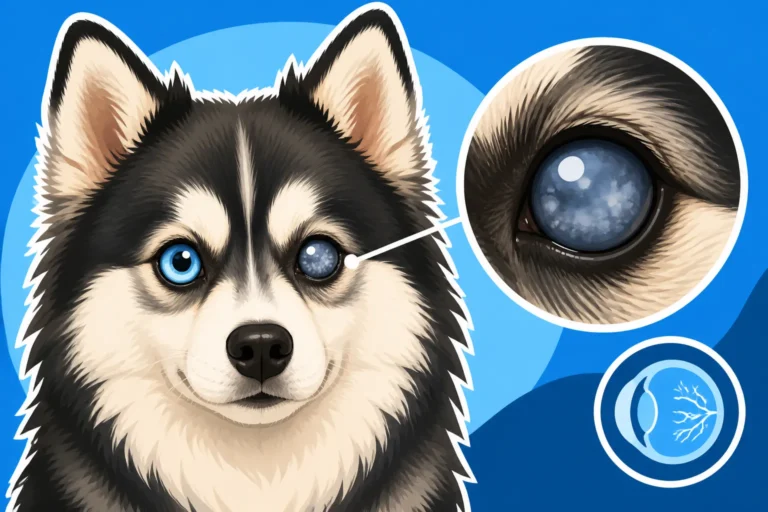
It’s a truly captivating sight, isn’t it? That striking gaze of a Pomsky with one brilliant blue eye contrasting with another, perhaps brown or amber. Many prospective Pomsky parents fall head over heels for this unique trait, but it often brings a flurry of questions and even some anxieties. You might wonder if having one blue eye means something different for their health, temperament, or even how you should care for them. This comprehensive guide is here to unravel all those curiosities, explaining the genetics, health implications, and practical care considerations for your distinctly blue-eyed Pomsky.
Understanding Heterochromia in Pomskies
When we talk about a Pomsky having one blue eye, we're really discussing a phenomenon called heterochromia. It's a fancy word for having two different colored eyes, and it’s one of those charming quirks that make each Pomsky so incredibly individual. But why does it happen, and what exactly does it mean for our furry friends?
The Genetics Behind Different Eye Colors
The enchanting kaleidoscope of eye colors you see in Pomskies, from deep brown to piercing blue, is all thanks to their fascinating genetic heritage. Pomskies are a cross between a Siberian Husky and a Pomeranian, and both parent breeds bring their own genetic blueprints to the table. The gene responsible for blue eyes in Huskies, known as the ALX4 gene, is highly dominant. This means that even if a Pomsky only inherits one copy of this gene from their Husky parent, there's a good chance they'll display blue eyes.
However, it's not always a straightforward blue or brown. Sometimes, the gene expression results in heterochromia, where one eye is blue and the other is a different color. This happens when the genes dictating pigment distribution in the iris aren't evenly expressed in both eyes. It's less about a "fault" and more about a unique genetic lottery draw. Unlike some other breeds where blue eyes might be linked to a merle gene (which can carry health risks), the blue eyes in Pomskies typically stem from the Husky's genetic predisposition, which is generally benign.
Distinguishing Between Complete and Sectoral Heterochromia
When you gaze into your Pomsky's eyes, you might notice different variations of heterochromia. The most common type, and what most people envision when they think of a "one blue eye" Pomsky, is complete heterochromia (also known as heterochromia iridis). This is where each eye is an entirely different color – for example, one eye is solid blue, and the other is solid brown. It’s a striking and easily recognizable trait.
Then there’s sectoral heterochromia, which is a bit more subtle but equally beautiful. In this case, only a portion or "sector" of one iris is a different color than the rest of that eye. So, you might see an eye that is predominantly brown, but with a distinct wedge or fleck of blue within it. Similarly, an otherwise blue eye might have a splash of brown. This less common variation is still a form of heterochromia and is caused by the same uneven pigment distribution. Regardless of whether it's complete or sectoral, the genetic origin for Pomskies with these traits is usually tied back to their Husky ancestry.
Why One Blue Eye is Common in Pomskies
The reason we see so many Pomskies rocking the single blue eye look comes down directly to their Siberian Husky lineage. Huskies are renowned for their captivating blue eyes, as well as their ability to have bi-colored eyes or even parti-colored (half blue, half another color) eyes within a single iris. This genetic blueprint for varied eye pigmentation is a hallmark of the Husky breed. When a Pomeranian, which typically has dark brown eyes, is crossed with a Husky, the offspring inherit a mix of these genetic traits.
The strong genetic influence from the Husky often means that even if the Pomeranian parent contributes genes for brown eyes, the Husky's genes for blue eyes can still manifest, sometimes fully in both eyes, and often as heterochromia. It's not a strange mutation but a beautiful expression of the diverse genes at play in this hybrid breed. Owners are often thrilled with this unique appearance, which further emphasizes their dog's blend of two distinct and beloved breeds. It's just another delightful surprise that comes with owning a Pomsky.
Dispelling Myths: Health and Vision with One Blue Eye
It's natural to worry when your dog has something as distinctive as different colored eyes. Many owners become concerned that a blue eye might be indicative of a deeper health problem. Let’s tackle some of those common anxieties head-on and clarify what one blue eye truly means for your Pomsky’s well-being.
Is One Blue Eye Linked to Deafness or Blindness?
This is perhaps the most common and persistent myth surrounding blue eyes in dogs, and it’s crucial to address it directly. In breeds like Dalmatians, Australian Shepherds, or Collies, blue eyes – particularly when paired with white coats or merle patterning – can sometimes be linked to congenital deafness or even increased sensitivity to sunlight. This is because the gene responsible for pigment (or lack thereof) in these cases can also affect the development of the inner ear.
However, for a Pomsky, whose blue eyes derive primarily from their Siberian Husky heritage, this link does not generally apply. The ALX4 gene that causes blue eyes in Huskies and, by extension, Pomskies, is not associated with deafness or increased risk of blindness. So, if your Pomsky has one blue eye, or even two, it's highly unlikely to be a cause for concern regarding their hearing or overall vision. While "Whether Blue Eyed Pomskies See Worse" is a common question, current veterinary understanding confirms that blue-eyed Pomskies typically have excellent vision, just like their brown-eyed counterparts. It’s a purely aesthetic trait in this context, not a health indicator.
General Eye Health Considerations for Pomskies
While heterochromia itself isn't a health concern for Pomskies, it's vital to remember that all dogs, including Pomskies, can be prone to certain eye conditions. Both parent breeds, the Siberian Husky and the Pomeranian, contribute to the Pomsky's genetic health profile. For example, Huskies are known for conditions such as cataracts, progressive retinal atrophy (PRA), and corneal dystrophy. Pomeranians can also experience cataracts and other less common eye issues.
Therefore, regardless of your Pomsky's eye color, it's important to be aware of the general eye health risks. You might want to learn more about conditions like "The Juvenile Cataracts a Pomsky Gets From the Husky" or delve into "Whether a Pomsky Gets Progressive Retinal Atrophy" to understand what to look out for. These are not related to the presence of a blue eye but are breed-specific predispositions that all Pomsky owners should be mindful of. Regular observation for any changes in appearance, discharge, redness, or signs of discomfort is always recommended.
The Importance of Regular Ophthalmic Check-ups
Given the genetic predisposition to certain eye conditions inherited from their parent breeds, regular veterinary check-ups, including specific ophthalmic examinations, are incredibly important for your Pomsky, regardless of their eye color. These routine visits allow your vet to spot any potential issues early, even before they become noticeable to you. Early detection often leads to more effective treatment and better long-term outcomes for your beloved pet.
A comprehensive eye exam might include checking for tear production, examining the retina, and looking for early signs of cataracts or other hereditary eye diseases. Breeders of responsible Pomskies often conduct "The Health Tests a Pomsky Breeder Should Show" which frequently includes Canine Eye Registry Foundation (CERF) or Orthopedic Foundation for Animals (OFA) eye certifications on the parent dogs to reduce the risk of passing on inherited eye diseases. Even with good breeding practices, proactive screening throughout your Pomsky's life is key. You might ask your vet "Whether a Pomsky Needs a Yearly Eye Exam" to stay on top of their ocular health.
Living with a Blue-Eyed Pomsky
So, your Pomsky has that stunning single blue eye – now what? While it largely doesn't demand radically different care, there are a few considerations that every owner of a blue-eyed pup should keep in mind to ensure their comfort and long-term health.
Protecting Blue Eyes from Sun Exposure
There’s a common belief that blue eyes in dogs are more sensitive to sunlight, much like fair-eyed people. In some breeds with specific genetic backgrounds (often those with very pale irises due to albinism or certain merle genes), this can indeed be true, as less pigment might mean less natural protection from UV rays. However, for a Pomsky whose blue eyes come from their Siberian Husky heritage, there is generally no scientific evidence to suggest that their blue eyes are significantly more prone to sun damage or sensitivity than brown eyes.
The blue color in Huskies and Pomskies is a structural color, caused by the way light scatters within the iris, rather than a complete lack of pigment. While extreme, prolonged sun exposure is not ideal for any dog's eyes or skin, you generally don't need to take extraordinary measures specifically for a blue-eyed Pomsky. They are likely no more sensitive than a brown-eyed Pomsky during a typical outdoor adventure. Just ensure they have access to shade and water, especially on bright, sunny days, which is good practice for any dog.
Grooming and Daily Care Around the Eyes
Maintaining good hygiene around your Pomsky’s eyes is an important part of their overall health, regardless of eye color. Their double coat can sometimes lead to hair irritating the eyes, and they can be prone to tear staining, especially lighter-colored Pomskies. Daily, gentle cleaning can prevent accumulation of discharge, crusting, and potential irritation.
Use a soft, damp cloth or a veterinary-approved eye wipe to carefully clean the area around their eyes. Be vigilant for excessive tearing, redness, squinting, or any unusual discharge, as these could be signs of an underlying issue like allergies, an infection, or even a foreign object. Remember, your Pomsky inherits "The Two Opposite Disease Lists a Pomsky Inherits," meaning they can get ear or skin issues as easily as eye issues. Keeping the hair trimmed away from the eyes, if it grows long enough to be bothersome, can also help prevent irritation and improve visibility.
Insurance and Eye Conditions
When considering pet insurance, it’s a smart move to factor in potential breed-specific health concerns, including those related to the eyes. While having one blue eye doesn’t typically add to a Pomsky’s insurance risk, the breed's combined genetic predispositions from Huskies and Pomeranians mean that certain eye conditions might arise. Pet insurance providers like Healthy Paws can offer peace of mind by helping to cover the costs associated with diagnosing and treating these conditions, should they occur.
For example, if your Pomsky were to develop cataracts later in life, and you found yourself needing to investigate "Whether Cataract Surgery Suits a Pomsky", having a good insurance policy could significantly alleviate the financial burden. Policies vary, so it's wise to review what each plan covers regarding hereditary and congenital conditions. Understanding "What Insuring a Pomsky Runs Monthly" and what specific conditions like "Whether Eye Disease Is Excluded on a Pomsky" are covered will help you choose the best plan for your furry family member.
Here's a quick look at some common eye conditions in Pomskies and how they are generally viewed:
| Eye Condition | Parent Breed Predisposition | Link to Blue Eye/Heterochromia | General Prognosis/Care |
|---|---|---|---|
| Cataracts | Husky, Pomeranian | No | Can lead to blindness; often surgically treatable. |
| Progressive Retinal Atrophy (PRA) | Husky | No | Degenerative, leads to blindness; no cure but supportive care. |
| Corneal Dystrophy | Husky | No | Can cause cloudy vision; often managed, rarely leads to blindness. |
| Glaucoma | Less common, can occur in any breed | No | Painful, can lead to blindness; requires immediate vet attention. |
| Heterochromia (Blue Eye) | Husky | No | Generally a cosmetic trait with no associated health risks. |
The Unique Appeal of the Pomsky's Gaze
Beyond the health aspects, the allure of a Pomsky with one blue eye is undeniable. It's often one of the first things people notice and comment on, drawing admiring glances and sparking conversations. This distinctive trait plays a significant role in the breed's popularity and the joy many owners find in their unique companions.
The Aesthetic Value of Bi-Colored Eyes
There's something inherently captivating about asymmetry, and a Pomsky's bi-colored eyes are a perfect example. That singular blue eye, often contrasted with a warm brown or amber, gives each Pomsky a truly individual and almost mystical appearance. It's a hallmark trait that many people actively seek out when looking for a Pomsky puppy, making them stand out in a crowd of already adorable dogs. This unique gaze contributes significantly to the Pomsky's "designer dog" appeal, offering a blend of beauty from both the Husky's striking eyes and the Pomeranian's charming expression.
Owners often share stories of how their Pomsky's eyes are a constant source of fascination, whether it's their puppy's bright blue stare or the more reserved, soulful look of their older companion. It adds an extra layer of character and charm, making the dog even more memorable and cherished. It's a physical trait that truly embodies the blend of their mixed heritage, creating a living piece of art right in your home.
Does Eye Color Influence a Pomsky's Price or Personality?
When it comes to the cost of a Pomsky, eye color can indeed play a role. Puppies with two blue eyes or one blue eye (heterochromia) often command higher prices from breeders. This is purely due to market demand; blue eyes are highly sought after by prospective owners who adore the striking appearance that comes from the Husky lineage. Breeders understand this preference, and it's reflected in their pricing, especially for those "Husky-marked" Pomskies with distinctive blue eyes and facial patterns. So, if you're wondering "What a Blue Eyed Pomsky Costs" or even "What a Bi Eyed Pomsky Costs," expect it to be on the higher end of the spectrum.
However, it's crucial to understand that eye color has absolutely no bearing on a Pomsky's personality or temperament. Whether your Pomsky has two brown eyes, two blue eyes, or one of each, their character will be shaped by their genetics (the blend of Husky and Pomeranian traits), early socialization, training, and environment. A blue-eyed Pomsky is no more or less mischievous, vocal, or affectionate than a brown-eyed one. Their unique gaze is simply a genetic marvel, adding to their physical charm without altering the wonderful, sometimes stubborn, and always loving personality that makes a Pomsky a Pomsky.
Disclaimer
The information provided in this article is for general informational purposes only and does not constitute veterinary advice. Always consult with a qualified veterinarian for any health concerns or before making any decisions about your pet's care.