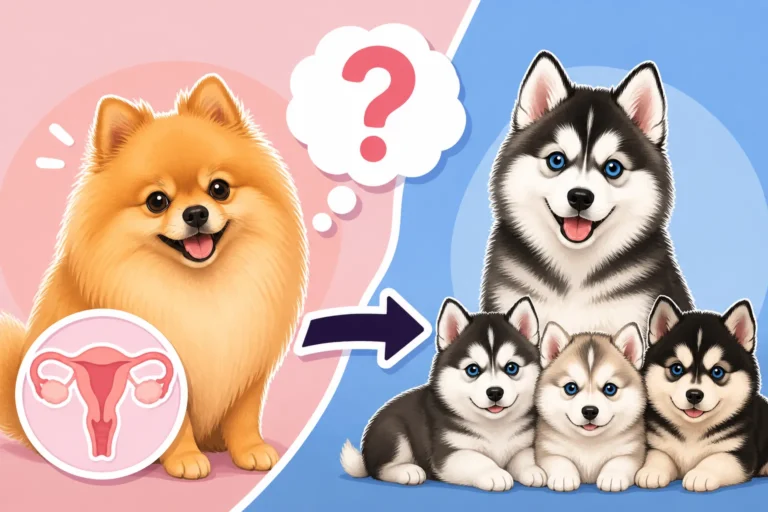
What a Blue Eyed Pomsky Costs
Oh, the allure of those striking blue eyes in a Pomsky! It's completely understandable why so many prospective owners are drawn to them, imagining their adorable mini-husky looking up at them with those piercing, often ice-blue, gazes. But with such unique beauty often comes a lot of questions, especially concerning cost. It's a common frustration to see varied prices and wonder what truly influences the tag on a blue-eyed Pomsky puppy, and frankly, why some seem to command so much more than others. This guide is here to unravel that mystery, diving deep into the factors that determine the price of a blue-eyed Pomsky and helping you understand what you're truly investing in.
The Enchantment of Blue Eyes and Initial Price Expectations
Let's face it, one of the most iconic and sought-after traits of a Pomsky is often those captivating blue eyes. They immediately bring to mind the majestic Siberian Husky parent, and in a smaller package, they seem even more charming and unique. This aesthetic appeal isn't just a matter of personal preference; it plays a significant role in the initial cost you might encounter when searching for your furry companion. It's like finding a rare gem – the perceived rarity and desirability drive up the demand, and consequently, the price.
However, it's not just about what looks pretty. The genetics behind those blue eyes are a fascinating aspect of Pomsky breeding, and understanding them helps shed light on why they aren't a guaranteed feature in every litter. For many, a blue-eyed Pomsky isn't just a pet; it's a living piece of art, and they are willing to pay a premium for that specific visual trait.
Genetic Blueprint for Blue Eyes
The vibrant blue eyes we often associate with Huskies, and subsequently desire in Pomskies, are primarily linked to a specific genetic marker, often referred to as the "blue eye gene" or the "piebald gene" when associated with white coat patterns. Unlike brown eyes, which are more common and often dominant, blue eyes in dogs like Huskies are a recessive trait or a polygenic trait (meaning multiple genes contribute). This means that for a Pomsky to inherit those dazzling peepers, the right combination of genes has to be passed down from both the Siberian Husky and, sometimes, even the Pomeranian parentage, though it's much rarer from the Pomeranian side alone.
Because Pomskies are a hybrid breed, predicting coat colors and eye colors can be a bit of a genetic lottery, especially in first-generation (F1) litters. While a breeder might pair two parents with a strong lineage of blue eyes, there's no absolute guarantee every puppy will inherit them. This unpredictability, combined with high demand, contributes significantly to the premium placed on puppies that are born with this desirable trait. It's a testament to the complexities of genetics and the dedication of breeders striving for specific aesthetic outcomes.
The "Mini-Husky" Image and Market Demand
The very idea of a Pomsky started with the desire for a "miniature Husky." People saw pictures – some authentic, some less so – of small dogs with the striking facial markings and piercing blue eyes of a Husky, but in a size more suitable for different living situations. Those early, often viral, photos captivated people, and the market exploded with demand for this specific look. When a Pomsky is born with those blue eyes, it instantly fulfills that "mini-Husky" fantasy for many potential owners, making it incredibly desirable.
This strong market demand means breeders know they can often ask more for a puppy with blue eyes. It's not just about the cost of breeding, but also about what the market is willing to bear for a highly sought-after characteristic. Many prospective owners are specifically on the lookout for this trait, perhaps even joining extensive waitlists and paying deposits just to secure a spot for a blue-eyed puppy. This high demand, coupled with the relatively smaller litter sizes that are common in Pomsky breeding, drives up the price considerably compared to a brown-eyed sibling from the same litter. For a deeper look into the overall financial commitment, you might want to explore articles like The Fifteen Hundred to Five Thousand a Pomsky Costs.
Factors Influencing Blue-Eyed Pomsky Pricing Beyond Just Color
While those captivating blue eyes are undoubtedly a primary driver of cost, they are far from the only factor influencing the price of a Pomsky. Many elements intertwine to create the final price tag you see, and understanding these can help you appreciate the significant investment that goes into ethical breeding. From the breeder's practices to the dog's lineage and even other physical traits, a multitude of variables contribute to why one blue-eyed Pomsky might cost more or less than another. It's a complex equation where eye color is a prominent, but not solitary, variable.
Breeder Reputation and Ethical Practices
A reputable Pomsky breeder isn't just selling puppies; they're investing heavily in the health, temperament, and well-being of their breeding dogs and their litters. This involves a considerable amount of time, expertise, and financial outlay that directly impacts the puppy's price. Ethical breeders prioritize things like health testing their parent dogs for genetic conditions common in both Huskies and Pomeranians, such as Patellar Luxation, hip and elbow dysplasia, and eye conditions. They also ensure proper nutrition for the dam during pregnancy, provide excellent veterinary care throughout the gestation and whelping process, and offer early socialization for the puppies.
These practices, while essential for producing healthy, well-adjusted puppies, are not cheap. The cost of veterinary consultations, specialized diets, potential C-sections (due to the size difference between parent breeds), and DNA testing for health and parentage all add up. A breeder who cuts corners on these fronts might offer a cheaper blue-eyed Pomsky, but you could be inheriting significant health or behavioral issues down the line, turning that initial "saving" into much larger expenses. Always ask about the health tests a breeder performs; topics like The Health Tests a Pomsky Breeder Should Show are crucial to research.
Pomsky Generation and Size Expectations
The generation of a Pomsky also plays a significant role in its pricing, particularly when it comes to predicting traits like eye color and adult size. F1 Pomskies (first-generation, direct Husky x Pomeranian cross) tend to have the most variability in appearance, including eye color, and can be priced based on how "Husky-like" they appear, especially if they have blue eyes. However, F2 (F1 Pomsky x F1 Pomsky) or multi-generational Pomskies are often bred for greater consistency in size, temperament, and appearance, including the desired blue eyes. Breeders who have successfully established consistent lines producing blue-eyed puppies might charge more because of this predictability and the years of careful breeding it represents.
Furthermore, the projected adult size can influence the price. Many people want a truly "miniature" Husky, and if a blue-eyed puppy is expected to be on the smaller end of the Pomsky spectrum (say, closer to 15-20 pounds rather than 30+), its price might increase. Smaller puppies often require more intensive care in their early weeks, and the perception of a "teacup" or "toy" Pomsky, especially with blue eyes, can drive demand. Keep in mind that predicting a Pomsky puppy's size can be tricky; exploring What a Pomsky Actually Weighs Full Grown can give you a clearer picture.
Other Desirable Traits Beyond Eye Color
Beyond blue eyes, other aesthetic and physical traits can impact the price. A striking coat pattern, such as the classic Husky mask or bi-color markings (like black and white or red and white), combined with blue eyes, often commands a higher price. Some owners might also seek specific coat textures, like the plush or wooly coats, although the wooly coat does require more grooming. For instance, a Pomsky with a perfectly symmetrical Husky mask and two piercing blue eyes will likely be at the higher end of the price spectrum compared to a blue-eyed sibling with a less distinct mask or an unusual coat pattern.
Breeders also put a premium on puppies that demonstrate a desirable temperament early on, or those that have been extensively socialized before going to their new homes. While less visible than eye color, a confident, friendly, and outgoing personality is highly valued. Ultimately, the combination of blue eyes with other "perfect" characteristics makes a puppy a prime candidate for a higher price, reflecting its overall desirability and the breeder's success in producing a well-rounded and visually stunning individual. For more on the specifics of blue-eyed Pomsky pricing, check out Why a Blue Eyed Pomsky Costs More.
Beyond the Purchase Price: Ongoing Costs for a Blue-Eyed Pomsky
Buying a blue-eyed Pomsky is just the beginning of your financial commitment. It's easy to get caught up in the initial excitement and focus solely on the puppy's price, but any responsible pet owner knows that the ongoing care throughout your dog's life far outweighs the upfront cost. These are living, breathing creatures with needs that require consistent financial investment for their health, happiness, and well-being, regardless of their eye color. Budgeting for these long-term expenses is crucial for providing a stable and loving home.
| Category | Initial Purchase Cost (Blue-Eyed Pomsky) | Estimated Annual Ongoing Cost | Key Factors Influencing Cost |
|---|---|---|---|
| Purchase Price | Often at the higher end | N/A | Breeder, lineage, appearance, demand |
| Food & Treats | Initial puppy food | Significant | Brand quality, diet type (kibble, fresh, raw), size, activity level |
| Grooming | Basic tools | Moderate to High | Coat type (wooly needs more), professional grooming frequency, DIY supplies |
| Veterinary Care | Initial exams, vaccinations, deworming | Moderate to High | Routine check-ups, preventative care, emergencies, geographical area |
| Pet Insurance | N/A | Moderate | Coverage level, deductible, age of pet, breed (can be rated as Husky mix) |
| Training | Puppy classes, basic supplies | Low to Moderate (initial high) | Professional trainers, group classes, specialized training needs |
| Supplies | Crate, bed, leash, collar, toys | Moderate (initial high) | Quality of items, frequency of replacement |
| Miscellaneous | Boarding, daycare, travel | Variable | Lifestyle, vacation frequency |
Lifelong Health and Wellness Budgeting
Even the most carefully bred blue-eyed Pomsky will require regular veterinary care throughout its life. This includes annual check-ups, vaccinations, parasite prevention (flea, tick, and heartworm medications), and dental care. Remember that Pomskies, being a hybrid of two breeds, can inherit predispositions to health issues from both sides. For example, they can be prone to conditions like Slipping Kneecaps in a Pomsky or Dental Crowding in a Pomsky's Small Mouth. These conditions, if they arise, can necessitate expensive diagnostics, medications, or even surgery.
Having a robust emergency fund or, even better, pet insurance, is absolutely vital. Many pet owners find peace of mind with pet insurance providers like Healthy Paws, which can help cover unexpected vet bills from accidents or illnesses. While no insurance policy covers pre-existing conditions, enrolling a healthy puppy early can save you a tremendous amount of stress and financial strain if a major health issue develops later. Don't forget, these costs can climb as your Pomsky enters its senior years, making proactive budgeting a must. Understanding Insuring a Pomsky Against Two Parent Breeds is a good starting point for exploring options.
Grooming the Double Coat of a Blue-Eyed Pomsky
Pomskies, with their thick double coats, are not low-maintenance when it comes to grooming, regardless of their eye color. This is especially true if your blue-eyed Pomsky inherits a denser Husky-like coat or a wooly texture. They shed, and they shed a lot, particularly during their bi-annual "blowouts." You'll need to invest in quality grooming tools, such as an undercoat rake, slicker brush, and a force dryer, and be prepared to spend considerable time brushing them weekly, if not daily, during peak shedding seasons.
Many owners opt for professional grooming services, which can include deshedding treatments, baths, and nail trims. These services, while fantastic for keeping your Pomsky's coat healthy and your home hair-free, can add up to a significant annual expense. Budgeting for regular professional grooms or investing in high-quality home grooming equipment is essential to prevent matting, skin issues, and to manage the copious amounts of fur. The article The Grooming Bill on a Double Coated Pomsky provides a detailed breakdown of what to expect.
The Ongoing Commitment: Food, Training, and Fun
Beyond health and grooming, your blue-eyed Pomsky will require a consistent budget for high-quality food, treats, toys, and training. Pomskies, despite their smaller size, are often active dogs that benefit from premium nutrition. Stocking up on high-quality kibble or even fresh food options from retailers like Chewy will be a recurring expense. For those considering fresh food diets, services like Ollie offer pre-portioned, human-grade meals that cater to your dog's specific needs, though these can come at a higher cost.
Training is another crucial investment. Pomskies are intelligent but can also be strong-willed, inheriting an independent streak from their Husky lineage and sometimes a suspicious nature from the Pomeranian. Puppy classes, obedience training, and even behavioral consultations if issues arise, all contribute to ensuring your blue-eyed companion is a well-adjusted member of the family. Don't forget the fun stuff: durable toys, a comfortable bed, a secure harness, and potentially even doggy daycare or boarding if you travel. Providing a rich, stimulating environment is key for a Pomsky's happiness and often translates into an ongoing financial commitment. Thinking about The Exercise a Pomsky Needs Every Day can help you plan for their activity level and associated costs.
Navigating the Market: Finding an Ethical Breeder for Your Blue-Eyed Pomsky
When the demand for a specific look, like blue eyes in a Pomsky, is high, it unfortunately creates a fertile ground for unethical breeders and scams. It's easy to get swept up in the emotion of finding that perfect blue-eyed puppy, but exercising caution and due diligence is paramount. Your priority should always be the health and welfare of the puppy, which is inextricably linked to the practices of the breeder. Finding a responsible, transparent breeder is not just about avoiding fraud; it's about ensuring you bring home a healthy, well-adjusted companion who will thrive for years to come.
Red Flags and Unrealistic Promises
Be wary of any breeder offering a blue-eyed Pomsky at a price that seems too good to be true. Scammers often leverage the desirability of blue eyes to lure unsuspecting buyers with low prices or immediate availability, which is rare for reputable breeders who usually have waitlists. Another major red flag is a breeder who cannot, or will not, provide clear documentation of health testing for both parent dogs. If they dismiss health concerns, claim their dogs are "vet checked" without providing detailed reports, or seem vague about the lineage, walk away.
Unrealistic promises about adult size ("teacup" or "micro" Pomskies guaranteed to stay tiny) or claims of extremely rare coat/eye color combinations that don't align with known Pomsky genetics should also raise suspicions. Ethical breeders are transparent and realistic about the genetic lottery of hybrid breeds. They will gladly show you their facilities, introduce you to the parents, and answer all your questions. If a breeder pushes for a quick sale, insists on meeting in a public place, or communicates only through email without video calls, these are all warning signs to take seriously.
The Importance of Health Testing and Transparency
An ethical breeder of blue-eyed Pomskies will be transparent about their breeding program, including the extensive health testing performed on both the Siberian Husky and Pomeranian parent breeds. This testing is crucial because it helps mitigate the risk of passing on inheritable conditions. They should be able to provide verifiable documentation from organizations like the Orthopedic Foundation for Animals (OFA) for hips and knees (for conditions like Hip Dysplasia in a Twenty Pound Pomsky or Patellar Luxation), and from the Canine Eye Registry Foundation (CERF) or equivalent for eye health.
Beyond official health clearances, a good breeder will be open about any health issues that have appeared in their lines, discussing how they manage them. They will also provide a health guarantee for their puppies, outlining what it covers and for how long. This transparency extends to how puppies are raised, their early socialization, and their living conditions. Choosing a breeder who prioritizes health and openly shares this information is the best way to ensure you're getting a blue-eyed Pomsky who has the best chance at a long, healthy life, minimizing potential heartache and massive vet bills down the road. You might also want to look into Whether an F1 Pomsky Is Healthier Than an F2 as this generation can influence health predictability.
Ethical Considerations in Breeding for Traits
The intense demand for specific traits, such as blue eyes, can sometimes lead to breeders prioritizing aesthetics over health or temperament. While blue eyes themselves aren't inherently linked to health problems, overly focusing on a single trait can lead to questionable breeding practices if not done responsibly. Ethical breeders understand that a truly well-bred Pomsky is a package deal: good health, a stable temperament, and desirable looks. They carefully select breeding pairs based on a holistic assessment, not just eye color.
It's important to ask questions about the frequency of breeding, the age of the breeding dogs, and the overall goals of their breeding program. Are they striving for consistency in health and temperament first, with desirable aesthetics like blue eyes as a welcome outcome? Or are they solely chasing trends? A responsible breeder will be able to articulate their philosophy and demonstrate a commitment to improving the breed as a whole, rather than simply producing "popular" puppies. This diligent approach to breeding ensures that your blue-eyed Pomsky is not just beautiful, but also a resilient and happy member of your family. The discussion around How Many Puppies a Pomsky Litter Holds also highlights the careful planning required for successful litters.
Disclaimer
This article is for general informational purposes only and does not constitute professional advice. Laws, prices and regulations vary by location and change over time. Consult a qualified professional for guidance on your specific situation.