Why a Blue Eyed Pomsky Costs More
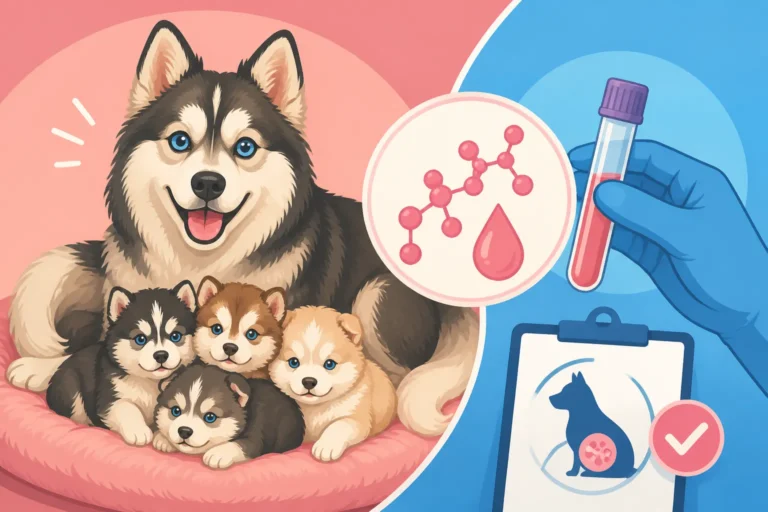
It’s truly frustrating when you're searching for your dream Pomsky puppy, only to find that the ones with those captivating sapphire eyes come with a significantly steeper price tag. You might be left wondering, what exactly makes those striking blue peepers so much more valuable? This comprehensive guide is here to unravel the mystery behind the higher cost of blue-eyed Pomskies, diving deep into the genetics, market demand, and intricate breeding complexities that influence their price.
The Allure of Blue Eyes in Pomskies
There's something undeniably captivating about a dog with bright blue eyes. For many prospective Pomsky owners, this specific trait is at the top of their wish list, even outweighing other desirable characteristics like coat color or markings. It’s a visual magnet that sets these puppies apart in an already popular designer breed market.
A Striking and Desirable Trait
When you picture a Husky, those piercing blue eyes often come to mind as one of their most iconic features. Now imagine that same mesmerizing gaze in a smaller, fluffier package – a Pomsky. It creates a stunning contrast against their various coat colors, from classic black and white to striking reds or agouti patterns. This unique aesthetic is largely driven by popular culture and social media, where photos and videos of blue-eyed Pomskies frequently go viral, sparking an intense desire among potential owners. People see these images and fall in love instantly, creating a powerful demand for puppies that embody this particular look. It's not just a color; it's a statement, a hallmark of the breed's Husky heritage that many buyers actively seek out.
Genetic Factors at Play
The blue eyes we adore in Pomskies are a direct inheritance from their Siberian Husky parentage. Unlike some other breeds where blue eyes might be linked to the merle gene (which carries its own set of health considerations and is not traditionally present in purebred Huskies or Pomeranians), the blue eyes in a Husky are often due to a specific gene mutation, typically within the ALX4 gene region. This gene affects eye pigment distribution, rather than being linked to the merle pattern. When breeding a Pomsky, it's a genetic lottery whether the puppy will inherit this specific trait from its Husky parent in a way that expresses as blue eyes. The Pomeranian parent almost exclusively carries genes for brown eyes, meaning the blue eye gene must come directly from the Husky line, and even then, its expression isn't guaranteed in every puppy, making it a less common outcome than brown eyes.
The Genetics Behind Blue Eyes and Pomsky Pricing
Understanding the genetic underpinnings is crucial to grasping why these puppies command a premium. It’s not as simple as mixing two colors and getting a predictable result; genetics are far more nuanced, especially in crossbreeds.
The Husky's Contribution to Blue Eyes
The Siberian Husky is one of the few breeds where blue eyes are considered a standard and healthy trait, not a genetic anomaly or a consequence of a dilute gene. Research, including studies on canine genomics, has identified a specific genetic variant near the ALX4 gene on canine chromosome 18 that is strongly associated with blue eyes in Huskies. This variant acts almost like a switch, influencing how pigment is deposited in the iris. However, even with this genetic predisposition, not all Huskies have blue eyes; many have brown, bi-colored (one blue, one brown), or parti-colored eyes (marbled blue and brown in one eye). When a Husky carrying this gene is bred with a Pomeranian, which reliably has brown eyes, the probability of the offspring inheriting two copies of the blue-eye allele – or even one dominant enough to express blue eyes – becomes more complex and less predictable than in a purebred Husky litter.
Unpredictability in Mixed Breeds
This is where the "designer dog" aspect of the Pomsky really comes into play. While breeders aim for certain traits, the genetic shuffle in a first-generation (F1) Pomsky can be quite varied. An F1 Pomsky, being a direct cross between a purebred Siberian Husky and a purebred Pomeranian, can inherit a wide range of characteristics from either parent. This means that even if the Husky parent has stunning blue eyes, there's no guarantee that any or all of the puppies in the litter will inherit them. The same litter might produce puppies with brown eyes, bi-colored eyes, or even amber eyes, alongside those coveted blue ones. This inherent unpredictability makes a blue-eyed puppy a rarer "find" within a litter, increasing its perceived and actual market value due to scarcity. It's a key reason why a breeder cannot simply promise blue eyes, and why those that happen to have them are priced higher.
Limited Control in Breeding
Breeders cannot simply "choose" to breed for blue eyes. They can select parent dogs where the Husky parent carries the blue eye gene, but the outcome for each individual puppy remains largely a roll of the dice. This lack of direct control means that breeders cannot reliably produce entire litters of blue-eyed Pomskies. If a breeder is specifically trying to increase the chances of blue eyes, they might engage in more extensive genetic testing of their breeding stock, which adds to their overhead costs. Furthermore, the overall breeding process for Pomskies is already intricate and expensive. Why a Pomsky Cannot Be Bred Naturally delves into the complexities of artificial insemination and the smaller litter sizes common to the breed. These existing high costs, coupled with the rarity of a specific desirable trait like blue eyes, mean that any puppy exhibiting such a trait will naturally have a higher price point to reflect both the general breeding investment and the specific rarity.
Supply and Demand Dynamics in the Pomsky Market
The pricing of any product, including a Pomsky puppy, is heavily influenced by the forces of supply and demand. In the case of blue-eyed Pomskies, these forces are particularly strong.
High Demand for Unique Traits
The visual appeal of blue eyes in a Pomsky is undeniable, and social media has amplified this demand significantly. Platforms like Instagram and TikTok are flooded with images and videos of these stunning dogs, creating a "must-have" mentality for many potential owners. People actively seek out puppies with specific aesthetic traits, and blue eyes rank high on that list. This isn't just about owning a dog; for some, it's about owning a visually striking companion that garners attention and admiration. This intense demand creates a highly competitive market, where buyers are often willing to pay more to secure a puppy that matches their idealized vision. It becomes less about the foundational qualities of the dog and more about a specific, highly coveted visual attribute.
Rarity Equals Higher Value
It's a fundamental principle of economics: when something is rare and desirable, its value increases. As discussed, blue eyes are not a guaranteed trait in Pomsky litters. Many litters will have primarily brown-eyed puppies, with only one or two, if any, exhibiting blue eyes. This scarcity naturally drives up the price for those few puppies that do possess the desired trait. Breeders understand this market dynamic and price their puppies accordingly. They know that a blue-eyed Pomsky will likely sell quickly, even at a higher price, because the demand far outstrips the unpredictable supply. This rarity premium reflects not just the intrinsic value of the puppy, but also the market's willingness to pay for something less common and highly sought after.
Marketing and Perceived Value
Responsible breeders often highlight the unique features of their puppies, and captivating blue eyes are certainly a major selling point. They understand the power of aesthetics and how it influences buyer decisions. When a breeder showcases a litter, the blue-eyed puppies often become the focal point of their advertising, whether on their website, social media, or through direct communication with potential buyers. This marketing, while not inherently manipulative, reinforces the idea that these puppies are special and therefore worth more. The perceived value, driven by both the inherent beauty of the trait and the way it's presented, plays a significant role in justifying the higher price tag to an eager market. This isn't unique to Pomskies; many breeds with rare or highly desirable colorings or markings also see a similar price hike.
Breeder Investment and Expertise
The cost of any Pomsky is substantial, reflecting the intensive and often expensive process of breeding this specific hybrid. When blue eyes are factored in, it often means even more meticulous planning and investment from the breeder's side, which naturally translates to a higher puppy price.
Extensive Health Testing and Ethical Breeding Practices
A responsible Pomsky breeder prioritizes the health of their parent dogs above all else. This involves comprehensive health screenings for both the Siberian Husky and the Pomeranian parents to mitigate the risk of passing on genetic conditions. For Huskies, this includes OFA evaluations for hips and elbows, and especially eye certifications from the Orthopedic Foundation for Animals (OFA) or the Canine Eye Registration Foundation (CAER), often performed by a board-certified veterinary ophthalmologist. While these eye tests screen for conditions like juvenile cataracts or progressive retinal atrophy (as explored in The Eyes a Pomsky Gets From the Husky), they also ensure the overall ocular health of the blue-eyed parent, which is crucial. These tests are expensive, and ethical breeders invest significant amounts of money to ensure their breeding stock is sound, directly impacting the final price of puppies, blue-eyed or not.
Genetic Testing and Pedigree Verification
Beyond standard health clearances, some breeders may undertake additional genetic testing to better understand the likelihood of certain traits, including eye color, being passed on. While there isn't a simple "blue eye test" that definitively guarantees the trait in every puppy, breeders may test their Husky lines for the specific ALX4 gene variant. This helps them make informed breeding decisions, but it adds to the overall cost of their program. Verifying the pedigree and ensuring the lineage is purebred on both sides (Husky and Pomeranian) is also a meticulous process that requires documentation and sometimes DNA verification, all contributing to the breeder's operational expenses. The more information and genetic assurance a breeder can offer about their lines and the traits they carry, the more valuable their puppies become.
The Cost of Artificial Insemination and Small Litters
It’s a well-known fact that Pomskies cannot be bred naturally due to the significant size difference between a male Pomeranian and a female Siberian Husky. This means all legitimate Pomsky breedings involve artificial insemination (AI), which is a costly veterinary procedure. The process includes progesterone testing to pinpoint the exact optimal breeding window, collection of semen, and the insemination itself. These procedures can run into hundreds or even thousands of dollars per attempt. Furthermore, Husky mothers typically have smaller litters when bred with a Pomeranian, often yielding only 3-6 puppies compared to larger litters in purebred Husky matings. Fewer puppies mean the high fixed costs of breeding (AI, health testing, prenatal care, whelping supplies, puppy care for eight weeks) are spread across a smaller number of offspring. Therefore, each puppy carries a larger portion of the overall breeding expense. When you combine these already elevated costs with the added rarity and demand for blue eyes, the premium becomes more understandable. For more details on these expenses, you can look into What Artificial Insemination Costs a Pomsky Breeder.
Common Misconceptions and Ethical Considerations
It's easy to get caught up in the excitement of a visually stunning puppy, but it's important to separate fact from fiction and always prioritize a dog's health and well-being over aesthetics.
Blue Eyes and Health Concerns
A common misconception is that blue eyes in dogs are automatically linked to blindness, deafness, or other health issues. While blue eyes can be associated with certain genetic conditions, particularly in breeds carrying the merle gene (which affects pigment and can be linked to auditory and ocular defects), this is generally not the case for blue-eyed Pomskies. The blue eyes inherited from a Siberian Husky are typically healthy and do not predispose the dog to vision or hearing problems. The mechanism for blue eyes in Huskies is different from the merle gene. However, it is always crucial to ensure that the parent dogs have passed all their breed-specific eye health clearances. Any blue-eyed dog, like any other dog, should receive regular veterinary check-ups, including eye exams. You might be interested in Whether Blue Eyed Pomskies See Worse for a more in-depth discussion on this topic.
Focusing on Health Over Aesthetics
While blue eyes are undeniably beautiful, they should never be the sole or primary factor in choosing a Pomsky puppy. The health, temperament, and overall well-being of the dog are far more important. A puppy from well-health-tested parents, raised in a clean and stimulating environment, and with a good temperament will be a far better companion in the long run than a puppy chosen purely for eye color, regardless of its health background. Responsible breeders will emphasize health clearances, socialization, and temperament assessments over superficial traits. They will gladly show you the health test results of both parents, discuss their temperaments, and guide you toward a puppy that is a good fit for your lifestyle, not just your aesthetic preferences. This is part of what makes The Health Tests a Pomsky Breeder Should Show so vital.
The Role of Responsible Breeders
A responsible breeder does much more than just produce puppies. They are dedicated to improving the breed (even a hybrid like the Pomsky), ensuring the health and welfare of their dogs, and providing lifetime support to their puppy owners. This includes early socialization, proper nutrition, initial veterinary checks, deworming, and vaccinations. They will have extensive knowledge about the breed's temperament, exercise needs, and potential health concerns. A breeder who focuses solely on superficial traits like eye color, especially at the expense of health or proper care, is a red flag. Always choose a breeder who is transparent, ethical, and clearly committed to the long-term well-being of their animals. This diligence, time, and expertise are foundational elements of the higher costs associated with any well-bred Pomsky, irrespective of eye color.
Understanding the Overall Cost of a Pomsky
The price difference for blue eyes is just one piece of the puzzle when it comes to the overall cost of a Pomsky. Many factors contribute to the initial purchase price, and even more to the lifelong expenses of owning one of these wonderful dogs.
Factors Beyond Eye Color That Influence Price
While blue eyes certainly add a premium, they are far from the only factor affecting a Pomsky's initial price tag. Other highly sought-after traits can also drive up the cost. For example, a "Husky mask" (the distinct facial markings resembling a Husky's) or other unique markings can increase value. Specific coat colors like true reds or wolf-sables are also highly desirable. The overall size of the puppy – with smaller, "toy-sized" Pomskies often fetching higher prices – is another significant factor, although predicting adult size can be tricky. Even the generation matters; while F1 Pomskies (first generation cross) are popular, breeders often prefer F2 and beyond for more predictable traits and consistent size, and these can sometimes be priced differently. For a deeper dive, consider The Fifteen Hundred to Five Thousand a Pomsky Costs.
| Characteristic | Typical Price Impact (Relative to Standard Brown-Eyed) | Explanation |
|---|---|---|
| Blue Eyes | High (+10% to +30% or more) | High demand, genetic unpredictability, perceived rarity, and aesthetic appeal. |
| Husky Mask/Markings | Medium (+5% to +15%) | Desired appearance, strong resemblance to miniature Husky. |
| Specific Coat Color | Medium (+5% to +15%) | Rare or highly sought-after colors (e.g., solid red, unique agouti patterns). |
| Smaller Predicted Size | Medium (+10% to +20%) | "Teacup" or "toy" demand, though often difficult to guarantee accurately. |
| Wooly Coat Type | Medium (+5% to +15%) | Fluffier, more "teddy bear" appearance, but also higher grooming needs. |
| F1 Generation | Standard to High | First cross, often desired for "hybrid vigor," but highly variable appearance. |
| F2+ Generation | Standard to Medium | Bred for more consistency in size/looks, but still can have variability. |
| Health Testing | Included / Expected | Essential for ethical breeding; factored into base price regardless of specific traits. |
Long-Term Ownership Costs
Beyond the initial purchase price, owning a Pomsky comes with a significant financial commitment over their lifetime. Whether your Pomsky has blue eyes or brown, these ongoing costs are universal. You'll need to budget for high-quality food, and reputable brands like Ollie offer fresh, personalized meal plans that cater to their nutritional needs. Regular veterinary care, including annual check-ups, vaccinations, and potential emergency visits, is crucial. Pet insurance, such as that offered by Healthy Paws, can be a lifesaver for unexpected health issues, helping to mitigate the financial strain of large vet bills. Grooming, especially for their thick double coat, can be expensive, requiring professional deshedding treatments or the purchase of quality grooming tools like those found at Chewy. Training classes, toys, leashes, beds, and other supplies also add up. It's vital to consider the full financial picture when bringing a Pomsky into your home, not just the initial puppy price.
Disclaimer
This article is for general informational purposes only and does not constitute professional advice. Laws, prices and regulations vary by location and change over time. Consult a qualified professional for guidance on your specific situation.