Lumps Worth Checking on a Pomsky
Finding an unexpected lump on your beloved Pomsky can instantly send a wave of panic through any pet parent. It's a completely natural reaction to worry about what it might be, how serious it is, and what steps you need to take next. This comprehensive guide is here to walk you through the various types of lumps you might discover on your Pomsky, explain what each could mean, and empower you with the knowledge to make informed decisions for your furry family member's health.
The Initial Discovery: What to Do When You Find a Lump on Your Pomsky
That moment when your hand brushes against something unfamiliar while you're giving your Pomsky a loving scratch or during a routine grooming session can be truly alarming. It’s easy for your mind to jump to the worst-case scenario, but it’s crucial to take a deep breath and approach the situation systematically. Not every lump is a cause for immediate alarm, but every lump does warrant attention.
First Steps and Observation
Once you've found a lump, resist the urge to poke and prod it excessively, which can cause irritation or pain to your dog. Instead, try to gather as much information as possible without causing discomfort. This initial detective work will be incredibly helpful when you speak to your veterinarian. Think about where the lump is located – is it on their torso, a leg, their head, or perhaps near a joint? The location can sometimes offer clues about its nature.
Next, feel the lump gently. Is it soft and squishy, or hard and firm? Does it feel like it's attached to the underlying muscle or bone, or does it move freely under the skin? What about its size and shape? Is it perfectly round, or more irregular? Has it grown quickly, or does it seem to have been there for a while without much change? Pay attention to the color of the skin over the lump – is it normal, red, inflamed, or perhaps discolored? Lastly, observe your Pomsky's reaction when you touch it. Do they flinch, whine, or seem uncomfortable, indicating it might be painful? Taking a photo with a ruler or coin for scale can also be invaluable for tracking changes over time.
When to Contact the Vet Immediately
While many lumps turn out to be harmless, some signs strongly suggest you should reach out to your veterinarian without delay. If the lump appears suddenly and grows very rapidly, or if it seems to be causing your Pomsky pain, discomfort, or lameness, that's a red flag. Any lump that feels warm to the touch, is oozing discharge, or has broken skin over it should also prompt an immediate call.
Furthermore, if your Pomsky is showing other symptoms like lethargy, a loss of appetite, vomiting, diarrhea, or difficulty breathing in conjunction with the lump, these are signs of a more serious underlying issue that requires urgent veterinary assessment. While you might be tempted to wait and see, particularly if you're concerned about vet bills, catching potential problems early can make a significant difference in treatment outcomes and often saves money in the long run. Many pet insurance providers, such as Healthy Paws, emphasize early detection for better outcomes and coverage.
Common Benign Lumps on Pomskies
It’s easy to immediately think of the worst when you find a lump, but thankfully, many are completely benign. Understanding these common, non-cancerous growths can help ease your mind, although a veterinary diagnosis is always the definitive answer.
Lipomas: Fatty Tumors
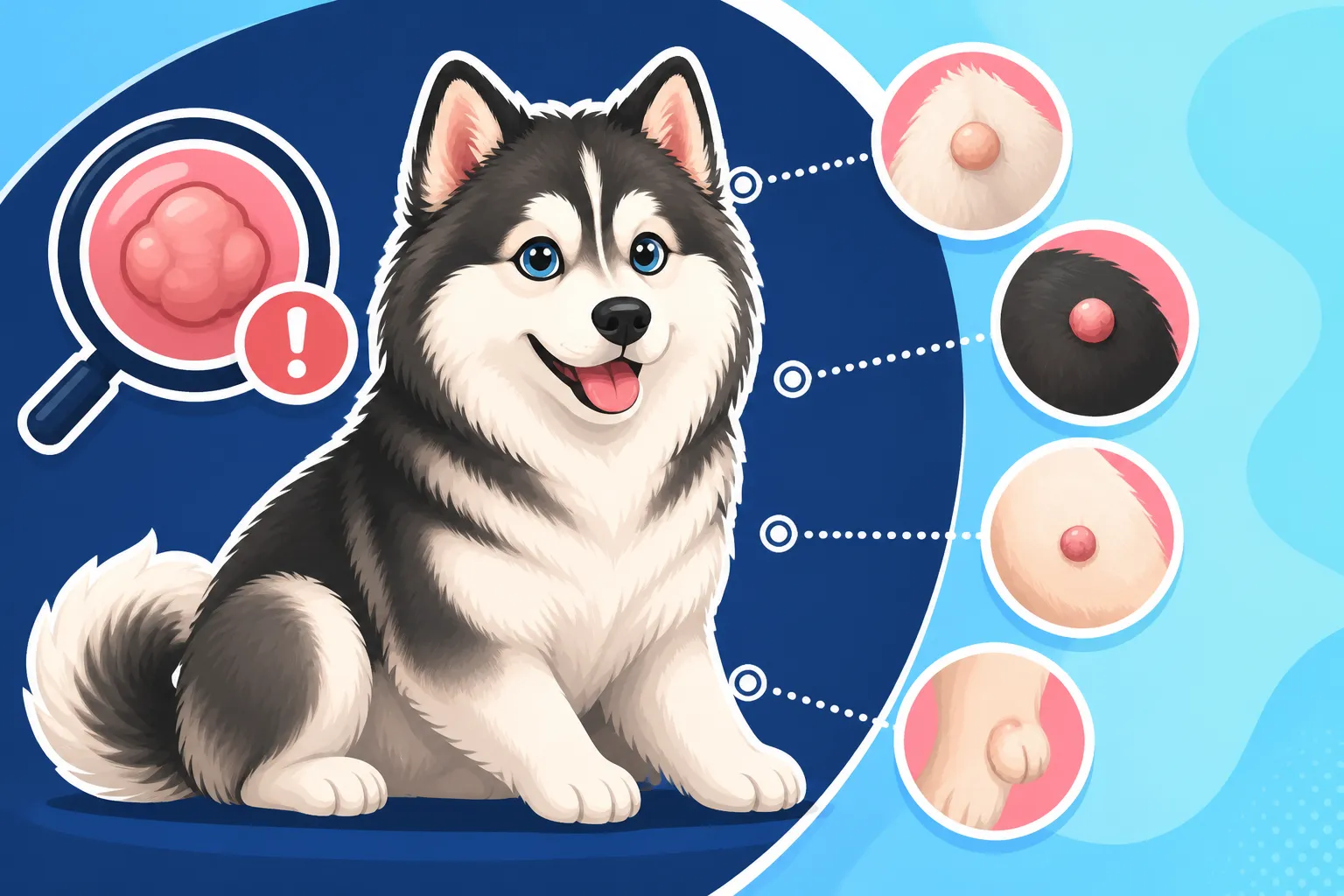
Lipomas are probably one of the most common types of lumps dog owners find, especially in middle-aged to older dogs, though they can appear in younger Pomskies too. These are essentially benign fatty tumors that grow just under the skin. They typically feel soft, movable, and somewhat "squishy" to the touch, often described as feeling like a small sac of marbles or a soft rubber ball. They can range in size from a small pea to several inches across.
You'll often find lipomas on the torso, legs, or armpits, and they usually don't cause any pain or discomfort unless they grow very large and interfere with movement, or if they're in an awkward spot where they get rubbed. For most lipomas, especially smaller ones, your vet will likely recommend monitoring them during routine check-ups. Sometimes, if they're in a problematic location or growing rapidly, surgical removal might be suggested. For pet parents tracking overall health, keeping an eye on Signs a Pomsky Is Getting Old might mean more frequent checks for new lumps.
Cysts and Abscesses
Cysts are another common type of lump, which can feel quite firm or fluid-filled. Sebaceous cysts are particularly prevalent; these occur when a sebaceous gland, responsible for producing oil (sebum) for the skin and coat, becomes blocked. The sebum continues to accumulate, forming a bump under the skin. These cysts can sometimes rupture, releasing a thick, cottage cheese-like substance. While usually harmless, a ruptured cyst can become infected, leading to inflammation and discomfort.
Abscesses, on the other hand, are pockets of pus that form due to a bacterial infection. They can arise from a bite wound, a thorn, or even an infected sebaceous cyst. Abscesses tend to be warm, painful, and swell rapidly. The skin over an abscess might be red and inflamed, and you might even see a small opening from which pus is draining. If you suspect an abscess, it's vital to get your Pomsky to the vet quickly. They usually require draining and a course of antibiotics. It’s important to note that sometimes what appears to be a lump might actually be Hot Spots Under a Pomsky's Undercoat, which also requires veterinary attention.
Warts and Skin Tags
Just like people, dogs can develop warts and skin tags. Warts, or viral papillomas, are typically small, cauliflower-like growths often found around the mouth, eyelids, or paws of young dogs. They are caused by the canine papillomavirus and usually regress on their own as the dog's immune system matures. However, if they become irritated, bleed, or interfere with eating or vision, removal might be considered.
Skin tags are small, benign growths of excess skin that are typically soft and flexible. They can appear anywhere on the body and are more common in older dogs. They are generally harmless but can become irritated if they're in an area where they rub against clothing or are frequently scratched. While these are usually nothing to worry about, any rapidly changing or bleeding skin tag should be brought to your vet's attention, just to be safe. It’s also important to consider if your Pomsky has skin allergies, as chronic irritation can sometimes lead to skin changes.
Potentially Concerning Lumps on Pomskies
While it's reassuring that many lumps are benign, it's equally important to be aware of those that could be more serious. Early detection and diagnosis are absolutely critical for these types of growths, as prompt action can significantly improve the prognosis for your Pomsky.
Mast Cell Tumors
Mast cell tumors are one of the most common malignant skin tumors found in dogs, and they are notoriously tricky because they can appear in almost any form, mimicking benign lumps. They can be soft or firm, raised or flat, and sometimes they even change in size or appearance on a daily basis (a phenomenon known as Darier's sign, where manipulation causes redness and swelling). You might find them on or under the skin, but they can also occur internally.
Due to their unpredictable nature, any lump found on a Pomsky should ideally be evaluated by a vet. If a mast cell tumor is suspected, your vet will want to perform a fine needle aspirate (FNA) or biopsy. The grading of the tumor (how aggressive it is) will determine the treatment plan, which often involves surgical removal with wide margins, and potentially further treatments like chemotherapy or radiation. Early intervention can be life-saving.
Histiocytomas: The "Button" Tumors
These are fairly common, small, firm, raised, hairless, red "button-like" tumors that usually appear suddenly on the skin of young dogs (under two years old), particularly on the head, ears, or limbs. While they look alarming, histiocytomas are generally benign and often regress spontaneously within a few months without any treatment. They are essentially benign growths of Langerhans cells, a type of immune cell.
However, because they can resemble more aggressive tumors, a vet visit is still recommended to confirm the diagnosis. Sometimes, if the tumor is growing rapidly, causing irritation, or not regressing as expected, your vet might suggest removal. It's a prime example of a concerning-looking lump that often turns out to be harmless, highlighting the importance of professional evaluation rather than self-diagnosis.
Other Skin Cancers
Unfortunately, Pomskies, like any dog breed, can be susceptible to various other types of skin cancer. Melanomas, for instance, can be benign (like moles) or malignant. Malignant melanomas are often dark-pigmented, rapidly growing tumors, commonly found on the mouth, nail beds, or paw pads, and they can be quite aggressive. Squamous cell carcinomas are another type, often appearing as non-healing sores or crusty patches, especially on areas with less fur or lighter pigmentation that have been exposed to the sun. Fibrosarcomas are tumors that arise from connective tissue and can be aggressive, often feeling firm and fixed to underlying tissues.
The key takeaway here is that you simply cannot tell the difference between a benign and a malignant lump just by looking or feeling it. That's why veterinary attention for Lumps Worth Checking on a Pomsky is always the safest course of action. It's about being proactive and ensuring your furry companion gets the best possible care from the start. For breeds like Pomskies with their varied coats, thoroughly checking under their thick fur for these changes is essential, especially given The Pomsky That Carries a Husky Coat at Twenty Pounds.
Diagnostic Steps: What Your Vet Will Do
When you bring your Pomsky in for a lump check, your veterinarian will approach the situation systematically to determine the nature of the growth. This process usually begins with a thorough physical examination, but often requires more specific diagnostic tools.
Fine Needle Aspirate (FNA)
The first and most common diagnostic step your vet will likely take is a Fine Needle Aspirate (FNA). This procedure is minimally invasive and can often be performed during a regular office visit without sedation, though some Pomskies might benefit from a little calming if they're particularly anxious or the lump is sensitive. Your vet will use a very thin needle, similar to one used for vaccinations, to collect a small sample of cells directly from the lump. These cells are then spread onto a slide and examined under a microscope by the vet or sent to a specialized veterinary pathologist.
An FNA is fantastic for distinguishing between fatty tumors, cysts, and some types of inflammatory or cancerous cells. It can often provide an immediate answer or at least narrow down the possibilities significantly. However, it's not foolproof; sometimes, the sample might not be representative, or certain types of tumors don't shed cells easily, leading to an inconclusive result. If this happens, your vet will discuss further options.
Biopsy and Histopathology
If the FNA is inconclusive, or if the vet strongly suspects a more serious type of lump like a mast cell tumor or another cancer, a biopsy will be the next recommended step. A biopsy involves surgically removing a small piece of the lump, or sometimes the entire lump, for a more comprehensive examination. This typically requires sedation or general anesthesia, depending on the size and location of the lump and your Pomsky's temperament.
The tissue sample is then sent to a histopathology laboratory, where a veterinary pathologist meticulously examines the cells and tissue structure. This provides a definitive diagnosis, including whether the growth is benign or malignant, the specific type of tumor, and often its grade (how aggressive it appears). This level of detail is crucial for determining the most appropriate and effective treatment plan. You can learn more about related diagnostic expenses through resources like What a Skin Workup Costs on a Pomsky.
Further Imaging and Staging
In cases where a malignant tumor is diagnosed, or if there's concern about its spread, your vet might recommend additional imaging tests. These could include X-rays to check for spread to the lungs or bones, ultrasound scans to look for involvement of internal organs or lymph nodes, or even advanced imaging like CT or MRI scans for more detailed views of complex areas. This process, known as staging, helps your vet understand the full extent of the disease and plan the most effective course of treatment.
Knowing the stage of cancer is vital for prognosis and treatment options. It allows your vet to tailor the approach to your Pomsky's specific situation, aiming for the best possible outcome. While this can seem overwhelming, remember that each step is about gathering information to help your beloved Pomsky. Considering pet insurance from companies like Healthy Paws early on can help manage these potentially significant diagnostic costs.
Treatment Options for Pomsky Lumps
Once a lump has been identified and diagnosed, your veterinarian will discuss the best course of action. Treatment plans vary widely depending on whether the lump is benign, malignant, its type, size, location, and your Pomsky's overall health.
Monitoring Benign Growths
For many benign lumps, especially small, non-bothersome lipomas or histiocytomas that are expected to regress, the recommendation might simply be to monitor them. This involves regularly checking the lump at home for any changes in size, shape, color, or texture. Your vet will also want to re-examine it during your Pomsky's routine wellness visits, which often involve The Screening a Pomsky Should Have Yearly.
The "wait and see" approach isn't about ignoring the problem; it's a careful, informed decision. It avoids unnecessary surgical procedures, the risks associated with anesthesia (especially for a smaller dog – Whether Anesthesia Is Riskier on a Small Pomsky), and the associated costs. However, it's crucial for you, as the owner, to be vigilant and report any changes to your vet promptly.
Surgical Removal
Surgical excision is a very common treatment for both benign lumps that are causing issues (like a very large lipoma that hinders movement or a constantly irritated skin tag) and, more importantly, for malignant tumors. For cancerous lumps, the goal of surgery is to remove the entire tumor along with a margin of healthy tissue around it, to ensure all cancerous cells are gone. This is particularly critical for mast cell tumors.
The success of surgical removal depends heavily on the type of tumor, its location, and whether it has spread. Post-surgery, your Pomsky will need time to recover, which might involve pain medication, antibiotics, and restricting their activity. Your vet will provide detailed aftercare instructions to ensure a smooth healing process. The cost of surgery can vary significantly, but pet insurance can be a huge relief in these situations.
Advanced Treatments for Malignancy
If a lump is diagnosed as malignant and particularly aggressive, or if it has spread, your vet might recommend more advanced treatments in addition to or instead of surgery. These can include chemotherapy, radiation therapy, or newer targeted therapies. Chemotherapy uses drugs to kill cancer cells throughout the body and can be administered orally or intravenously. Radiation therapy uses high-energy rays to shrink tumors and kill cancer cells, typically given in a series of treatments.
These advanced treatments are often managed by a veterinary oncologist, a specialist in cancer treatment. While the idea of chemotherapy or radiation for your Pomsky can be daunting, these treatments are often well-tolerated by dogs and are aimed at improving their quality of life and extending their lifespan. The decision to pursue such treatments is a deeply personal one, weighing the potential benefits against the costs and possible side effects. It's a testament to how long The Twelve to Fifteen Years a Pomsky Lives can be, and how much we want to protect that time.
Prevention and Long-Term Care
While not all lumps are preventable, establishing good habits for long-term care can significantly increase your chances of early detection and contribute to your Pomsky's overall health and well-being. Being proactive is always better than being reactive when it comes to health.
Regular Home Checks
One of the most powerful tools you have as a Pomsky owner is your own hands. Make it a routine to regularly check your Pomsky for any new lumps or bumps. This doesn't need to be a formal examination; it can be integrated into your daily petting, brushing, or cuddle sessions. Systematically run your hands over every part of their body – their head, neck, chest, back, belly, legs, and even between their toes. Don't forget their gums, ears, and tail.
Because of their thick double coat, it can be easy to miss smaller growths, so be thorough. Pay extra attention during grooming sessions, especially when using tools like an undercoat rake, as this allows you to feel the skin more closely. The more familiar you are with your Pomsky's normal body, the quicker you'll notice anything out of the ordinary. Establishing this habit will serve you both well throughout their life.
Nutritional Support and Overall Health
A healthy, balanced diet and a robust immune system play a crucial role in your Pomsky's overall health, which can indirectly help them fight off illness and recover from health challenges. While no specific diet can guarantee a lump-free life, providing high-quality, species-appropriate nutrition ensures their body has the building blocks it needs to function optimally. Discussing your Pomsky's diet with your vet can help ensure they're getting all the necessary nutrients.
Beyond diet, regular exercise, maintaining a healthy weight, and providing a low-stress environment all contribute to their general well-being. A strong, healthy Pomsky is better equipped to handle any health issues that may arise, whether it's recovering from surgery or undergoing treatment. These foundational elements of care are critical throughout The Twelve to Fifteen Years a Pomsky Lives and beyond.
The Importance of Pet Insurance
Let's be realistic: vet care, especially for unexpected issues like diagnosing and treating lumps, can be expensive. From fine needle aspirates and biopsies to potential surgeries, chemotherapy, or specialized imaging, the costs can quickly add up, creating a significant financial burden on pet parents. This is where pet insurance can be an absolute lifesaver.
Companies like Healthy Paws offer various plans that can help cover a substantial portion of these unforeseen veterinary expenses. Having a good pet insurance policy in place means you can make medical decisions based on what's best for your Pomsky's health, rather than being limited by your budget. It provides invaluable peace of mind, knowing that if a serious lump is discovered, you're better prepared to afford the necessary diagnostic tests and treatments. Exploring options like What Insuring a Pomsky Runs Monthly can provide insight into preparing for these possibilities.
Summary of Common Lumps on Pomskies
To help you differentiate and understand the various types of lumps, here’s a quick overview. Remember, this table is for informational purposes only, and any lump should be examined by a veterinarian for a definitive diagnosis.
| Lump Type | Typical Appearance/Feel | Common Location | Urgency for Vet Check | Prognosis (Generally) |
|---|---|---|---|---|
| Lipoma | Soft, movable, squishy; under the skin | Torso, legs, armpits | Non-urgent unless rapidly growing or interfering | Good (benign) |
| Sebaceous Cyst | Firm or fluid-filled bump; can rupture (cottage cheese-like) | Anywhere on skin | Non-urgent unless ruptured/infected | Good (benign) |
| Abscess | Warm, painful, rapid swelling; often red, can ooze | Anywhere, often from wound | Urgent (requires draining/antibiotics) | Good with treatment |
| Histiocytoma | Small, firm, red, "button-like," hairless | Head, ears, limbs (young dogs) | Non-urgent (often self-resolving) | Excellent (benign) |
| Skin Tag/Wart | Small, flexible skin growth or cauliflower-like | Anywhere | Non-urgent unless irritated/bleeding | Excellent (benign) |
| Mast Cell Tumor | Highly variable (soft, firm, raised, flat, red, inflamed) | Anywhere on or under skin | Urgent (can be highly malignant) | Varies (needs grading) |
| Melanoma | Often dark, rapidly growing, can be non-pigmented | Mouth, nail beds, paw pads | Urgent (can be highly malignant) | Varies |
| Squamous Cell Carcinoma | Non-healing sore, crusty patch, raised lesion | Less furred areas, sun-exposed | Urgent (malignant, can be aggressive) | Varies |
Disclaimer
This guide provides general information and is not a substitute for professional veterinary advice. If you find a lump on your Pomsky, please consult your veterinarian for an accurate diagnosis and personalized treatment plan.