Whether a Pomsky Gets Patent Ductus Arteriosus
There’s little that’s more worrying for a Pomsky parent than realizing your beloved furry companion might be facing a serious health challenge, especially when it involves something as critical as their heart. While Pomskies are generally robust dogs, they can inherit sensitivities from both their Siberian Husky and Pomeranian lineage, and sometimes, a congenital issue like Patent Ductus Arteriosus (PDA) can emerge. This guide is here to walk you through understanding what PDA is, how to recognize its signs, and what steps you can take to ensure your Pomsky receives the best possible care.
Understanding Patent Ductus Arteriosus in Pomskies
When you're welcoming a Pomsky into your life, you're embracing a dog with a vibrant personality and a unique genetic makeup. It's only natural to want to understand every facet of their health, including potential heart conditions that can sometimes be present from birth. Patent Ductus Arteriosus, or PDA, is one such congenital heart defect that, while not exclusive to Pomskies, is certainly something owners should be aware of.
What is Patent Ductus Arteriosus (PDA)?
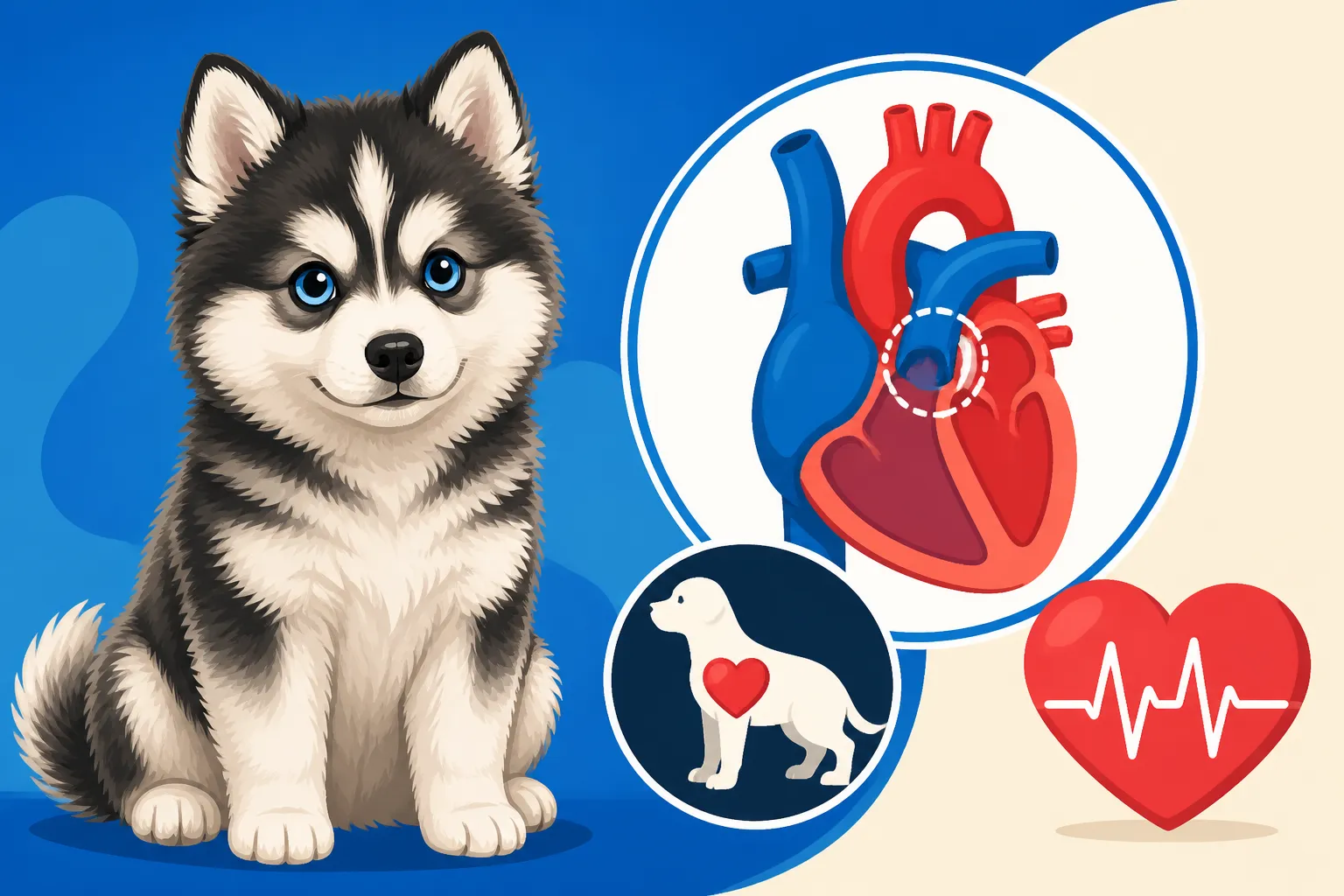
To really grasp what PDA means for a Pomsky, let's take a quick journey back to when they were just tiny pups in their mother's womb. Before birth, a puppy's lungs aren't functional for breathing air. Instead, they receive oxygen-rich blood directly from the mother. To bypass the non-functional lungs, there’s a special blood vessel called the ductus arteriosus. This vessel acts like a shortcut, diverting blood away from the pulmonary artery (which would normally send blood to the lungs) and straight into the aorta, ensuring the rest of the body gets the oxygen it needs.
The magic happens right after birth. As soon as a puppy takes its first breath, its lungs begin to work, and the ductus arteriosus is supposed to naturally close up within a few hours or days. This closure redirects blood flow to the now-active lungs. When this doesn't happen, and the ductus arteriosus remains open, it’s what we call "patent." This persistent opening, or PDA, creates an abnormal connection between the aorta and the pulmonary artery. Instead of all the oxygenated blood from the aorta going out to the body, some of it gets shunted back into the pulmonary artery and then recycled through the lungs unnecessarily. This forces the heart and lungs to work much harder, leading to an overload. It's a bit like having a leaky pipe in a perfectly good plumbing system – the system has to work overtime to keep things flowing, and eventually, that extra strain takes its toll.
Why Pomskies are at Risk for PDA
The inheritance pattern for PDA can be complex, often thought to be polygenic, meaning multiple genes are involved, or simply a spontaneous occurrence. However, certain breeds do show a higher predisposition. While not overwhelmingly common in Siberian Huskies, they are sometimes listed among breeds with a higher incidence of congenital heart defects, which would include PDA. Pomeranians, on the other hand, are more known for acquired heart conditions later in life, such as mitral valve disease, rather than congenital defects like PDA. This mixed heritage in Pomskies means they carry a blend of genetic potentials from both sides.
When you bring a Pomsky into your home, you're getting a wonderful mix, but that also means they might inherit sensitivities or predispositions from either parent breed. The genetic lottery means a Pomsky could inherit a predisposition to PDA, even if it's a relatively low risk from each parent breed individually. This is precisely why choosing a responsible breeder is paramount. A good breeder will be transparent about the health history of their breeding lines and will conduct appropriate health screenings on the parent dogs, even for conditions not typically screened for via specific genetic tests for PDA. A thorough veterinary check-up of all puppies before they go to their new homes, including listening carefully to their hearts, is a non-negotiable step to catch conditions like this early.
Recognizing the Signs and Symptoms of PDA in Your Pomsky
One of the toughest parts of being a pet parent is knowing when something is truly wrong, especially with puppies who are often a bundle of boundless energy. With a condition like PDA, early detection can make all the difference, but the signs can be quite subtle initially. It requires a keen eye and a good relationship with your veterinarian.
Early Indicators in Pomsky Puppies
The most classic and often the first indicator of PDA in a Pomsky puppy is a specific type of heart murmur. Your veterinarian will typically listen to your puppy's heart during routine check-ups. With PDA, the murmur isn't just a faint swish; it's often described as a continuous, "machinery-like" murmur that can be heard distinctly on the left side of the chest. This sound is caused by the turbulent blood flow through the open ductus arteriosus. Hearing this murmur is usually the first red flag that prompts further investigation.
Beyond what the vet hears, you might start noticing some subtle physical signs in your Pomsky puppy. They might not be as active as their littermates or other puppies their age. You could observe what’s called "failure to thrive"—meaning they don't gain weight as expected, despite eating well, and they might look smaller or less robust than they should. They might tire more easily during play, needing more frequent naps, or just seem generally lethargic compared to their usual energetic Pomsky self. Some puppies might also show signs of increased respiratory effort, breathing a little faster or with more visible effort than normal, even when at rest. It’s easy to dismiss these early signs, especially if you’re a first-time puppy owner, but they warrant a vet visit, particularly if a murmur has been detected.
Progressive Symptoms and Complications
If left untreated, Patent Ductus Arteriosus can lead to serious and often irreversible complications as your Pomsky grows. The continuous strain on the heart from the abnormal blood flow eventually leads to heart enlargement and congestive heart failure. The left side of the heart has to pump harder to compensate for the shunted blood, and the lungs are constantly dealing with excess blood volume and pressure, a condition known as pulmonary hypertension. This relentless cycle means the heart and lungs are constantly overworked, slowly deteriorating their function.
As the condition progresses, the symptoms become much more apparent and debilitating. Your Pomsky might develop a persistent cough, particularly when resting or lying down, which is often a sign of fluid buildup in the lungs (pulmonary edema) due to heart failure. They will show significant exercise intolerance, struggling with even short walks or periods of play that they once enjoyed easily. Fainting episodes (syncope) can occur due to insufficient blood flow to the brain, and you might notice abdominal distension caused by fluid accumulation (ascites) as the heart failure worsens. Their gums might appear pale or even bluish (cyanotic) during periods of exertion, indicating poor oxygenation. At this stage, the condition is critical, and the prognosis becomes significantly poorer, highlighting why early diagnosis and intervention are so incredibly important.
Diagnosing and Managing PDA in Pomskies
Discovering that your precious Pomsky might have a heart condition is undoubtedly scary. The good news is that PDA is one of the more treatable congenital heart defects in dogs, especially when caught early. Knowing what to expect during the diagnostic process and understanding the available treatment options can help ease some of that worry.
The Diagnostic Process for a Pomsky with PDA
Once your veterinarian suspects PDA, usually after hearing that characteristic machinery-like murmur, they'll recommend further diagnostic tests to confirm the diagnosis and assess the severity. The first step often involves chest X-rays. These images can reveal if the heart is enlarged or if there's any fluid buildup in the lungs, which are common signs of heart failure. While X-rays provide valuable information about the general state of the heart and lungs, they can't definitively diagnose PDA or give a detailed picture of the heart's function.
For a definitive diagnosis, your Pomsky will need an echocardiogram, or an ECHO. This is essentially an ultrasound of the heart, performed by a veterinary cardiologist if possible. The echocardiogram allows the specialist to visualize the heart in real-time, see the specific blood flow patterns, identify the open ductus arteriosus, and measure the size and function of the heart chambers. It can also detect any other associated heart defects and assess the pressure within the pulmonary artery. This test is crucial as it provides a precise roadmap for the cardiologist to determine the best course of action. They might also perform an electrocardiogram (ECG) to check the heart's electrical activity and rule out arrhythmias, though this isn't usually the primary diagnostic tool for PDA itself. The diagnostic journey can feel overwhelming, but remember that each step brings your Pomsky closer to receiving the care they need.
Treatment Options and Prognosis
The primary and most effective treatment for PDA in Pomskies is surgical correction. There are generally two main approaches: surgical ligation or catheter-based occlusion. Surgical ligation involves a traditional open-chest surgery where the surgeon directly ties off and permanently closes the patent ductus arteriosus. This is a highly effective procedure with a high success rate when performed by an experienced veterinary surgeon.
A less invasive option, often performed by a veterinary cardiologist, is catheter-based occlusion. This involves inserting a catheter into a major blood vessel (usually in the leg) and guiding it to the heart, where a device (like a coil or occluder) is deployed to block the ductus arteriosus from the inside. Both methods aim to permanently close the abnormal shunt, normalizing blood flow. For most Pomskies, especially when the PDA is diagnosed and treated early, these procedures are curative. They can go on to live a full, normal life without further heart issues. The cost of these specialized procedures can be substantial, often ranging from a few thousand dollars up to several thousand, depending on the complexity and location. This is where having pet insurance, such as a comprehensive plan from Healthy Paws, can be an absolute lifesaver, helping to cover a significant portion of these unexpected expenses. Early intervention typically means a much better prognosis and avoids the long-term, irreversible damage caused by untreated PDA.
Preventing and Screening for Heart Conditions
While we can't completely eliminate the risk of congenital conditions, there's a lot that responsible breeders and diligent owners can do to minimize the chances and ensure early detection of heart issues like PDA in Pomskies. It’s about being proactive, not reactive, when it comes to your dog's health.
Breeder Responsibilities and Health Testing
One of the most impactful decisions you can make as a prospective Pomsky owner is choosing a reputable and responsible breeder. A breeder who prioritizes the health of their dogs will go above and beyond simple vaccinations. They will have a thorough understanding of the genetic predispositions in both Siberian Huskies and Pomeranians, even if PDA isn't the most common issue. While there isn't a specific genetic test for PDA that breeders routinely use, a responsible breeder will perform comprehensive cardiac examinations on their breeding dogs prior to breeding. This often involves a veterinary cardiologist performing auscultation and sometimes an echocardiogram, especially if there's any history of murmurs in the lines. This helps ensure that the parent dogs themselves don't unknowingly carry or pass on congenital heart defects.
Furthermore, a good breeder will ensure that all puppies receive a thorough veterinary check-up, including careful auscultation for heart murmurs, before they are sent to their new homes. This is usually done between 6 to 8 weeks of age. If a murmur is detected, they will be transparent about it, seek further evaluation, and ideally, not sell that puppy until the issue is fully investigated. Asking direct questions about the health testing performed on the parent dogs, particularly any cardiac screening, and requesting veterinary records for the puppies' initial check-ups are critical steps when choosing your Pomsky puppy. This dedication to health testing helps to reduce the likelihood of these congenital issues impacting future generations. Many breeders are part of organizations that promote these kinds of health standards, offering buyers more peace of mind regarding the health of their new family member.
Regular Veterinary Care and Monitoring
Once your Pomsky puppy is home with you, establishing a routine of regular veterinary care is paramount for their lifelong health. Puppy check-ups aren't just for vaccinations; they are crucial opportunities for your veterinarian to perform thorough physical examinations, which include listening carefully to your Pomsky’s heart. As we discussed earlier, the "machinery murmur" associated with PDA can be detected during these early visits, often before any outward symptoms become apparent. The younger a Pomsky is when PDA is diagnosed, the better the chances of a successful and curative intervention.
Even after puppyhood, annual wellness exams remain incredibly important. Your vet will continue to monitor your Pomsky’s heart health as part of their routine physical assessment. They can catch subtle changes, listen for any new murmurs, or notice signs of exercise intolerance that might indicate a developing heart condition, whether it's congenital or acquired later in life. Consistent vet visits also mean you have a trusted professional who knows your Pomsky's health history and can quickly identify anything out of the ordinary. Don't hesitate to discuss any concerns you have, no matter how minor they seem – whether it's a slight change in energy levels or a cough that just doesn't seem right. Early detection, supported by excellent veterinary care, is truly the best defense for your Pomsky's heart health.
| Symptom Category | Early Indicators (Puppyhood) | Progressive Symptoms (Untreated) |
|---|---|---|
| Cardiac Sounds | Distinct "machinery" heart murmur | Louder murmur, potentially muffled by fluid |
| Energy & Growth | Lethargy, poor weight gain, "failure to thrive" | Severe exercise intolerance, fainting episodes |
| Respiratory | Increased respiratory rate or effort | Persistent cough, difficulty breathing, pulmonary edema |
| Physical Appearance | Smaller than littermates, less robust | Abdominal swelling (ascites), pale or bluish gums |
| Overall Health | May appear generally healthy but tire easily | Congestive heart failure, reduced life expectancy |
Disclaimer
This article is for general informational purposes only and does not constitute professional advice. Laws, prices and regulations vary by location and change over time. Consult a qualified professional for guidance on your specific situation.