Whether a Pomsky Gets Mitral Valve Disease
One of the most concerning things for any Pomsky parent is worrying about their furry family member’s long-term health, especially when it comes to the heart. It’s a common and completely valid question to wonder if your beloved Pomsky might be susceptible to conditions like Mitral Valve Disease, given the diverse genetic background inherited from their Siberian Husky and Pomeranian parents. This comprehensive guide is here to shed light on Mitral Valve Disease (MVD), its prevalence, how it might affect your Pomsky, and what you can do to keep their heart happy and healthy for as long as possible.
Understanding Mitral Valve Disease in Dogs
When we talk about heart health in our canine companions, Mitral Valve Disease is often a topic that comes up, particularly for smaller breeds. It's a condition that can be quite serious, and understanding what it entails is the first step in knowing how to protect your Pomsky.
What is Mitral Valve Disease MVD
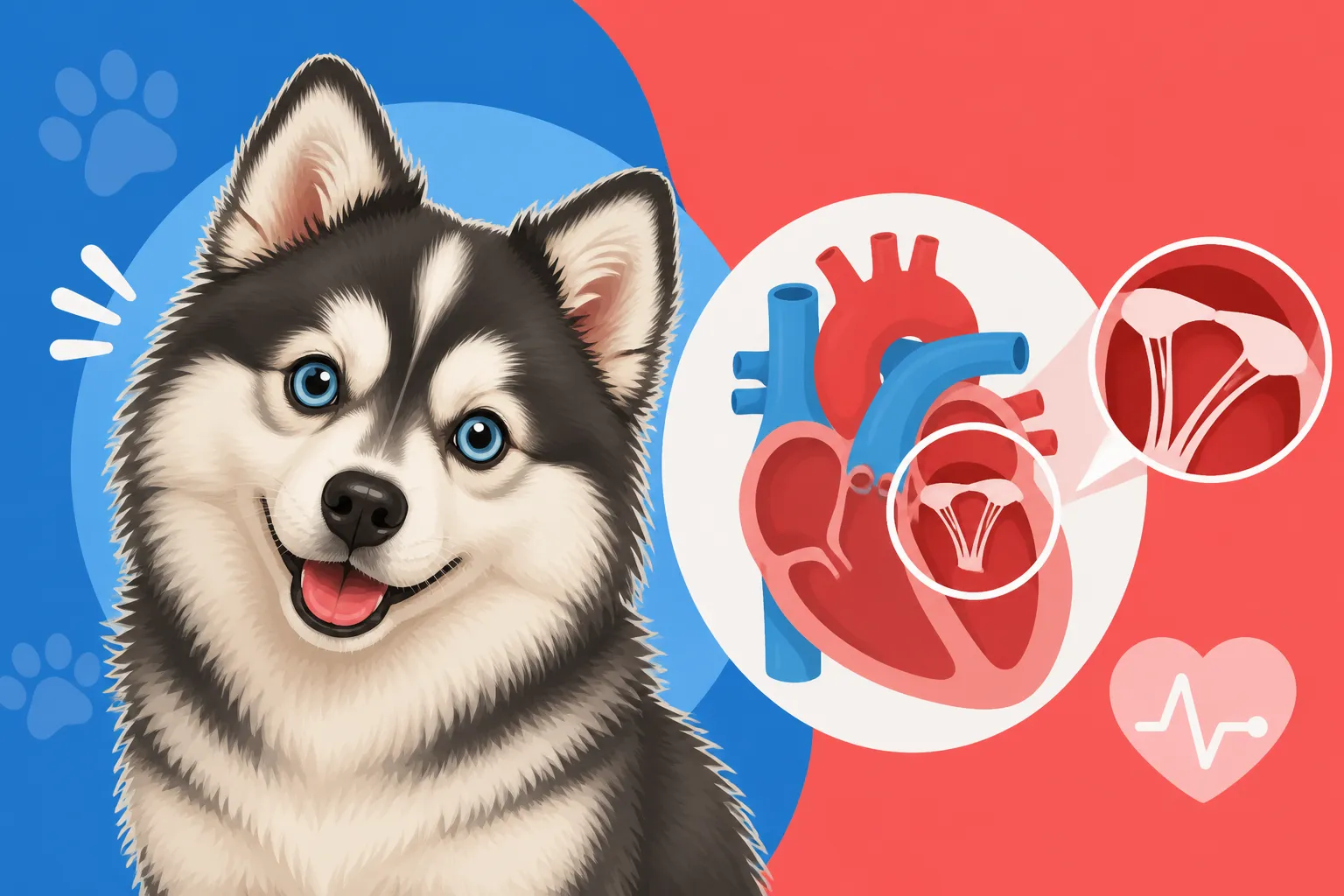
Imagine your dog's heart as a beautifully intricate, hard-working pump. It has four chambers, and between them, there are valves that act like one-way doors, ensuring blood flows in the correct direction with each beat. The mitral valve is one of these crucial doors, located between the left atrium and the left ventricle – the two chambers on the left side of the heart. Its job is to close tightly after the left atrium fills the left ventricle, preventing blood from leaking backward into the atrium when the ventricle contracts to pump blood out to the rest of the body.
In dogs with Mitral Valve Disease, this valve begins to degenerate. Over time, it thickens and becomes nodular, preventing it from closing properly. Instead of a tight seal, there's a small gap, allowing a little bit of blood to leak backward (this backflow is called "regurgitation") into the left atrium with each heartbeat. Think of it like a leaky faucet; instead of all the water going forward, some dribbles back. This forces the heart to work harder to pump the same amount of blood forward, eventually leading to enlargement of the heart and, in severe cases, congestive heart failure. The good news is that this degeneration is usually very slow, often taking years to progress, which is why early detection and management are so important.
Signs and Symptoms to Watch For
The tricky thing about Mitral Valve Disease is that it often starts subtly, without any obvious symptoms that would immediately make you rush to the vet. For a long time, the only sign might be a heart murmur, which your veterinarian can detect during a routine check-up while listening to your Pomsky’s chest. This is why regular yearly check-ups, even when your Pomsky seems perfectly healthy, are absolutely crucial. Getting ahead of any potential issues with The Screening a Pomsky Should Have Yearly can make all the difference.
As the disease progresses and the heart has to work harder, more noticeable symptoms can emerge. You might start to notice your Pomsky developing a soft, persistent cough, especially after exercise, excitement, or when they lie down. This cough often sounds like a mild honking or hacking and is caused by the enlarged heart pressing on the airways or by fluid accumulating in the lungs. You might also observe them being less energetic, tiring out faster on walks, or generally not wanting to play as much as they used to. In more advanced stages, these signs can become more pronounced. Your Pomsky might have difficulty breathing, showing rapid, shallow breaths or even gasping. They could experience fainting spells, especially during excitement or exertion, or you might notice a distended abdomen due to fluid buildup. If you see any of these signs, it’s imperative to contact your vet immediately.
Pomsky Predisposition to Mitral Valve Disease
Understanding the health risks associated with a Pomsky means looking at the health legacies of both parent breeds. When it comes to heart disease, one side of the family tree carries a much heavier genetic burden.
The Pomeranian Connection to MVD
Here's the critical piece of information when considering Mitral Valve Disease in your Pomsky: Pomeranians, the smaller half of the Pomsky equation, are highly predisposed to this condition. In fact, MVD is the most common heart disease in small and toy breed dogs, and Pomeranians are right up there with breeds like Cavalier King Charles Spaniels, Dachshunds, and Miniature Poodles in their susceptibility. It’s estimated that a significant percentage of Pomeranians will develop MVD in their lifetime, often as they get older, making it a leading cause of heart failure in the breed. This means that any Pomsky, regardless of how much Husky they appear to be, carries a genetic risk for MVD through their Pomeranian lineage.
The sad reality is that while we talk about "hybrid vigor" and how a mixed breed can sometimes be healthier than purebreds, this isn't a magical shield against inherited conditions when one parent breed has a strong predisposition. If the Pomeranian parent carries genes for MVD, those genes can absolutely be passed down to the Pomsky puppy. You might be wondering Whether an F1 Pomsky Is Healthier Than an F2, but in the case of a highly prevalent condition like MVD in the Pomeranian, genetic risk remains a concern across generations if not carefully bred away from. It's not a question of if it might happen, but rather the degree of risk passed down, and how it might manifest in your particular Pomsky.
The Husky's Heart Health Influence
On the other side of the genetic coin, we have the Siberian Husky. Generally speaking, Siberian Huskies are known for being a relatively healthy breed with a good lifespan, and they are not typically predisposed to Mitral Valve Disease. While Huskies can, like any breed, develop heart conditions, MVD is not a common one for them. They might be more prone to other cardiac issues such as patent ductus arteriosus (PDA) or dilated cardiomyopathy, but these are different conditions entirely and less prevalent than MVD is in Pomeranians.
So, what does this mean for your Pomsky? The Husky genes could potentially offer some dilution of the MVD risk inherited from the Pomeranian side. However, this isn't a guarantee of protection. Think of it like mixing paints: even if you add a lot of white (healthy Husky genes) to a small amount of red (MVD-prone Pomeranian genes), there’s still red in the mixture. The exact manifestation of heart health in a Pomsky can be a roll of the genetic dice, falling anywhere on the spectrum between their two parent breeds. While the Husky's robust heart health is a positive influence, it doesn't entirely negate the very real risk inherited from the Pomeranian. This is why understanding The Two Opposite Disease Lists a Pomsky Inherits is so important for owners to be aware of.
Diagnosis and Management of Mitral Valve Disease in Pomskies
If you suspect your Pomsky might have a heart issue, or even if you’re just staying on top of their preventative care, knowing how MVD is diagnosed and managed can bring peace of mind and empower you to make informed decisions for their health.
How MVD is Diagnosed
The first hint that your Pomsky might have Mitral Valve Disease usually comes from your veterinarian during a routine physical exam. When they listen to your dog's chest with a stethoscope, they are listening for a heart murmur. A murmur is an abnormal whooshing sound caused by turbulent blood flow, and in the case of MVD, it’s the sound of blood leaking backward through the faulty mitral valve. Detecting a murmur is often the earliest sign of MVD, sometimes years before any clinical symptoms appear. If a murmur is detected, especially if it’s new or has increased in intensity, your vet will likely recommend further diagnostics. This is a common indicator of Whether a Pomsky Gets a Heart Murmur.
To get a clearer picture of your Pomsky's heart health, your vet might recommend several tests. Chest X-rays are often taken to assess the size and shape of the heart and to look for signs of fluid accumulation in or around the lungs, which can indicate congestive heart failure. However, the gold standard for diagnosing MVD and assessing its severity is an echocardiogram. This is a non-invasive ultrasound of the heart that allows a veterinary cardiologist to visualize the heart's structures, including the mitral valve, in real-time. They can see how well the valve is closing, measure the chambers of the heart, and assess the overall pumping function. Sometimes, an electrocardiogram (ECG) might also be performed to check the heart's electrical activity and rhythm, although this is less common for MVD itself unless arrhythmias are suspected.
Treatment and Prognosis for Pomskies with MVD
Once Mitral Valve Disease is diagnosed, your vet will classify its severity using a staging system, most commonly the American College of Veterinary Internal Medicine (ACVIM) guidelines. These stages range from A (at-risk but no murmur or structural changes) to D (advanced heart failure that is refractory to standard treatment). Early stages (B1, B2) often don't require immediate medication, but regular monitoring is crucial. Your vet will typically recommend echocardiograms every 6-12 months to track the progression of the disease. This is where pet insurance, like a policy from Healthy Paws, can be incredibly beneficial, as these specialized diagnostics and ongoing medications can add up over time.
As the disease progresses into more advanced stages (C and D) where clinical signs appear or heart enlargement is significant, medication becomes essential. Common medications include diuretics like furosemide, which help remove excess fluid from the body, particularly from the lungs, to alleviate coughing and breathing difficulties. ACE inhibitors such as enalapril or benazepril are often prescribed to help relax blood vessels and reduce the workload on the heart. One of the most impactful medications for MVD, especially in Stage B2 and beyond, is pimobendan (often known by its brand name, Vetmedin). This drug helps the heart contract more effectively and also dilates blood vessels, significantly improving quality of life and often extending lifespan. The prognosis for MVD varies greatly depending on the stage at diagnosis and how well your Pomsky responds to treatment, but with diligent care, many dogs can live comfortably for years after diagnosis. It's a progressive disease, but effective management can truly slow its advance and ensure your Pomsky enjoys their The Twelve to Fifteen Years a Pomsky Lives to the fullest.
Proactive Steps for Pomsky Heart Health
While we can't completely eliminate genetic predispositions, there are certainly many things you can do as a responsible Pomsky owner to promote optimal heart health and ensure your furry friend lives a long, happy life.
Choosing a Reputable Pomsky Breeder
The very first step in proactively managing your Pomsky's potential for MVD starts even before they come home. Choosing a reputable breeder is absolutely paramount. A good breeder will be transparent about the health history of their breeding dogs, especially the Pomeranian parent. They should be performing health screenings, including cardiac clearances, on their breeding stock to minimize the risk of passing on genetic predispositions to MVD. Don't be shy about asking for proof of these screenings. Any breeder worth their salt will be happy to provide it and discuss their health protocols in detail. This level of diligence from a breeder can significantly reduce the chances of your Pomsky inheriting serious health conditions.
Beyond cardiac clearances, look for a breeder who provides a health guarantee and is open about the temperaments and overall health of their adult dogs. They should also be involved with the International Pomsky Association (IPA) or other recognized breed clubs that advocate for responsible breeding practices. Be wary of breeders who don't ask you many questions, seem overly focused on eye color or coat patterns without discussing health, or cannot provide clear health documentation. Remember, you're not just buying a puppy; you're investing in a lifetime of health and happiness for your new family member. Choosing wisely at the outset is the best defense against potential health issues down the line.
Lifestyle Choices for Longevity
Once your Pomsky is home, their daily care and lifestyle choices play a huge role in supporting their heart health. Nutrition is foundational: feed a high-quality, balanced diet appropriate for their life stage and activity level. Maintaining an ideal weight is critical, as obesity puts extra strain on the heart and other organs. Avoid overfeeding and limit high-sodium treats, as excessive sodium can contribute to fluid retention, which is problematic for a heart with MVD.
Exercise is also crucial, but it needs to be appropriate. Pomskies are energetic dogs, inheriting that zest for life from both parents. Regular exercise is essential for cardiovascular fitness, but if your Pomsky has been diagnosed with a heart murmur or MVD, your vet will advise on the appropriate level and intensity of activity. Overexertion can be dangerous for a compromised heart. Lastly, consistent veterinary care cannot be overstated. Regular check-ups, even when your Pomsky seems perfectly fine, are key to early detection of any health issues, including heart murmurs. Early detection allows for prompt monitoring and intervention if needed, greatly improving the long-term prognosis. It’s also wise to consider investing in comprehensive pet insurance, such as a plan from Healthy Paws, early in your Pomsky's life. This can help cushion the financial blow of diagnostic tests, medications, and potential specialist visits should they develop Whether a Pomsky Gets Heart Disease or any other chronic condition later in life.
Here's a quick comparison of the heart health profiles for the Pomsky's parent breeds and how it impacts your mixed companion:
| Feature | Pomeranian | Siberian Husky | Pomsky (Hybrid) |
|---|---|---|---|
| MVD Predisposition | High (Very common) | Low (Not typically prone) | Moderate to High (Inherits risk from Pomeranian) |
| Common Cardiac Issues | Mitral Valve Disease (MVD), Patent Ductus Arteriosus (PDA) | Patent Ductus Arteriosus (PDA), Dilated Cardiomyopathy (DCM), Arrhythmias | MVD (from Pomeranian side), potential for other inherited conditions from either parent |
| Typical Onset of MVD | Middle to older age | N/A (Rare) | Can vary, but typically middle to older age |
| Impact on Lifespan | Significant, if untreated | Minimal (from MVD) | Can be significant, but manageable with early detection and treatment |
| Breeder Screening | Cardiac exams (e.g., OFA Cardiac) recommended | Less common for MVD, but general cardiac screening can be beneficial | Cardiac exams for Pomeranian parent are critical |
Disclaimer
This article is intended for informational purposes only and does not constitute veterinary advice. Always consult with a qualified veterinarian for any health concerns or before making any decisions about your pet's health or treatment.