Whether a Pomsky’s Color Changes as It Grows
It's a question that nearly every Pomsky owner has wondered, and often worried about, especially when looking at their adorable, fluffy puppy. You bring home this tiny bundle of joy with a certain coloring, a beautiful mask, or a distinct pattern, and then, as the weeks turn into months, you start to notice subtle (or sometimes not-so-subtle) changes. Is this normal? Are they going to look completely different? This guide will dive deep into why and how a Pomsky's coat color can transform as they grow from a little pup into a magnificent adult dog.
The Puppy Fluff Transition: From Fuzzy to Fabulous
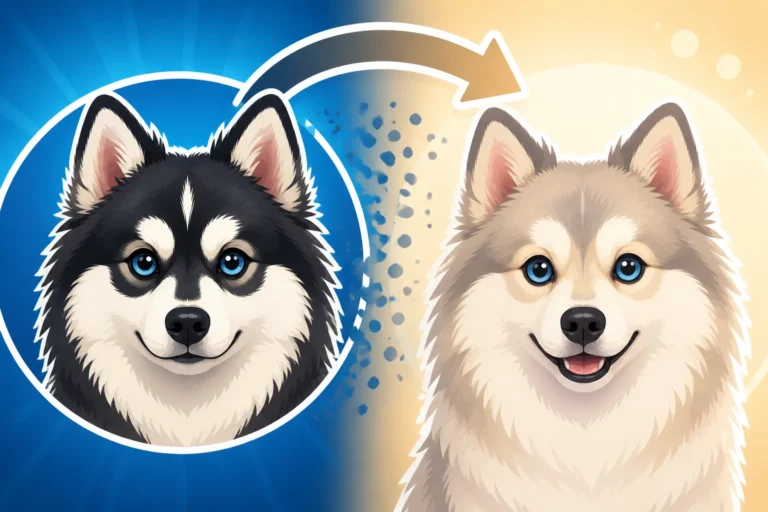
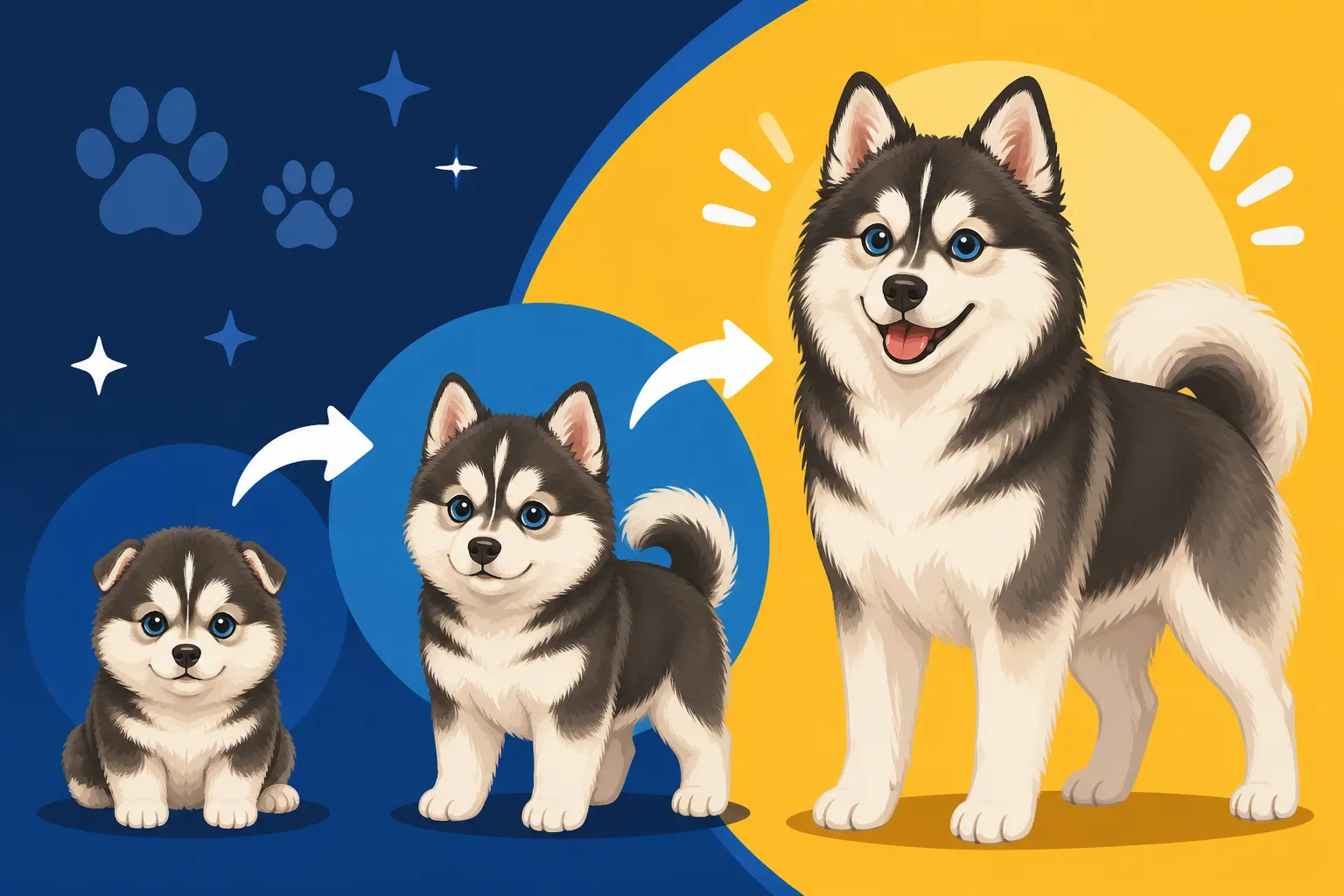
Bringing home a Pomsky puppy is an exciting time, and their initial appearance is a big part of their charm. But that adorable, soft puppy coat is actually just a temporary phase. It's perfectly natural for their color to evolve as they mature.
The Initial Coat of a Pomsky Puppy
When you first meet a Pomsky puppy, their coat is usually incredibly soft and plush, often referred to as "puppy fluff." This initial coat might have more muted colors or patterns that haven't fully developed yet. For instance, a puppy that appears almost solid gray might later develop clearer black points, or a cream-colored pup could surprise you with hidden apricot undertones. The softness and texture are largely due to the fine, delicate nature of their puppy fur, which is different from the denser, coarser double coat they'll have as adults.
Think about it like this: a baby human has very fine, often light hair, which usually changes in color and texture as they grow into a child and then an adult. Dogs are no different! The genetic lottery they won from their Siberian Husky and Pomeranian parents means that their initial coat is just a preview, not the final masterpiece. You might see a faint mask that later becomes strikingly defined, or subtle sable markings that deepen with time.
The "Ugly" Stage and Coat Blowing
Around the four to six-month mark, many Pomsky owners start to panic a little. This is often when the "ugly" stage hits. Your beautiful, fluffy puppy begins to shed that soft puppy coat, and the coarser, adult guard hairs, along with a denser undercoat, start to come in. This process is called "blowing coat," and it can look pretty wild. You might find patches where the fur seems thinner, areas where the new coat is a different shade, and an overall uneven, slightly disheveled appearance. It's a bit like a human teenager going through a growth spurt where nothing quite fits!
During this phase, the texture changes significantly too. The super-soft puppy fur gives way to the more weather-resistant double coat characteristic of their Husky lineage. This is a crucial time for their true adult color and pattern to emerge. Don't be surprised if the intensity of certain hues or the clarity of markings shifts dramatically. Patience is key here; know that this is a normal part of development. It can also be a time when you start to really understand Whether a Pomsky Blows Its Coat Twice a Year and the grooming commitment involved. If you're wondering Whether a Pomsky Puppy's Fluff Predicts the Adult Coat, the answer is often "not entirely."
The Role of Genetics in Color Development
The genetics of coat color in dogs are fascinatingly complex, even more so when you're dealing with a hybrid like the Pomsky, which inherits genes from two distinct breeds. Each parent breed, the Siberian Husky and the Pomeranian, carries a wide array of color and pattern genes. When these combine in a Pomsky, the results can be quite varied and sometimes surprising.
Certain genes dictate the base color (like black, red, or brown), while others control how that color is expressed (such as dilution, intensity, or patterns like sable, merle, or piebald). As a puppy matures, these genes fully activate and express themselves, leading to the observed color changes. Hormonal shifts as the dog approaches sexual maturity also play a role in pigment production and distribution, further contributing to the transformation of their coat. It's a dynamic process, and the final adult color is the culmination of all these genetic instructions unfolding over time.
Common Color Shifts and Why They Happen
It's one thing to hear that colors change, but what kind of changes can you actually expect? It’s rarely a complete overhaul, but subtle to significant shifts in shade, intensity, and pattern are very common.
Darkening and Lightening of Base Colors
One of the most frequent observations is the darkening or lightening of a Pomsky's primary coat color. For instance, many Pomskies born a very pale, almost silvery gray as puppies will often mature into a much deeper, richer shade of charcoal or even a striking silver-grey. This often happens as the thicker, more pigmented adult guard hairs replace the lighter, softer puppy fur. Conversely, some black puppies might lighten slightly to a very dark charcoal or even a blue-black tone as their coat matures.
Cream or very light fawn puppies can develop more intense golden or apricot hues as they age, especially along their back and ears. This isn't a radical change, but a deepening of their existing shade. The production of melanin, the pigment responsible for coat color, tends to increase and stabilize as a dog matures, leading to these richer tones. However, it's also true that environmental factors, particularly sunlight, can lead to some lightening, sometimes giving a brassy look to darker coats, which we'll discuss more later in Whether a Pomsky's Coat Sunbleaches.
The Evolution of Markings and Patterns
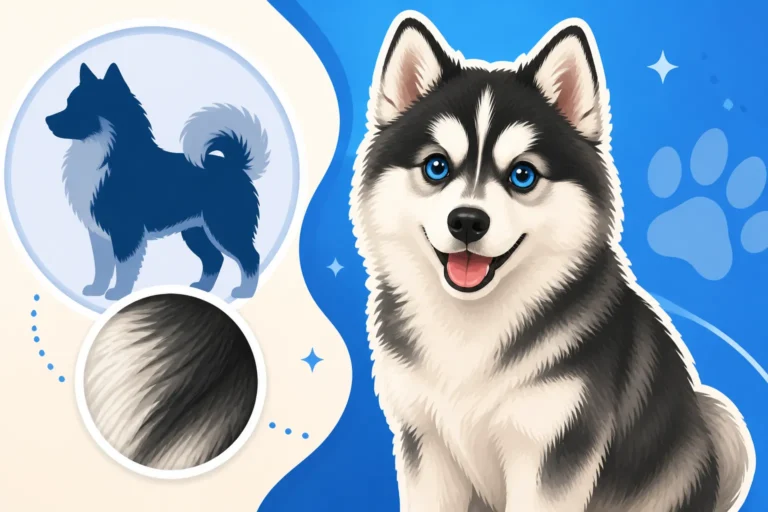
Those striking Husky-like masks and patterns are often what draw people to Pomskies, and these can also evolve. A puppy might have a very faint mask that becomes incredibly sharp and defined as they grow, or perhaps a strong mask that softens into a more diffused pattern. The "agouti" pattern, which creates a wild-type banded appearance on individual hairs, can become much more pronounced as the adult guard coat comes in, giving a richer, multi-tonal look to what might have seemed like a simple gray or sable puppy.
Similarly, subtle saddle markings (a patch of darker color over the back) or even faint ticking (small, isolated spots of color on white areas) might only become truly visible once the puppy fluff has been replaced by the adult coat. These changes are all about the full expression of the genes inherited from their Husky and Pomeranian ancestors. If you're captivated by these patterns, understanding Whether a Pomsky's Mask Fades can give you an idea of what to expect over their lifetime.
The Appearance of "Ghost" Markings or Ticking
Sometimes, what appears to be a solid-colored puppy might actually have "ghost" markings hidden beneath that soft initial coat. These are patterns, like a saddle or even a subtle merle, that are present genetically but aren't visible until the adult hair grows in. As the puppy coat sheds and the new, more defined adult coat emerges, these previously hidden patterns can surprise you.
Ticking is another fascinating phenomenon. Many Pomskies have white areas on their chest, paws, or face. As they mature, small flecks of color might appear within these white patches, making them look speckled. This is called ticking, and it's something that often develops progressively over the first year or two of a dog's life. So, that pristine white paw might end up with charming little spots!
Factors Influencing Coat Color Beyond Genetics
While genetics lay the foundation for your Pomsky's coat color, other external and internal factors can subtly, or sometimes significantly, influence its appearance and vibrancy over time. It's not just about what genes they have, but how those genes are allowed to express themselves.
Nutrition and Supplementation
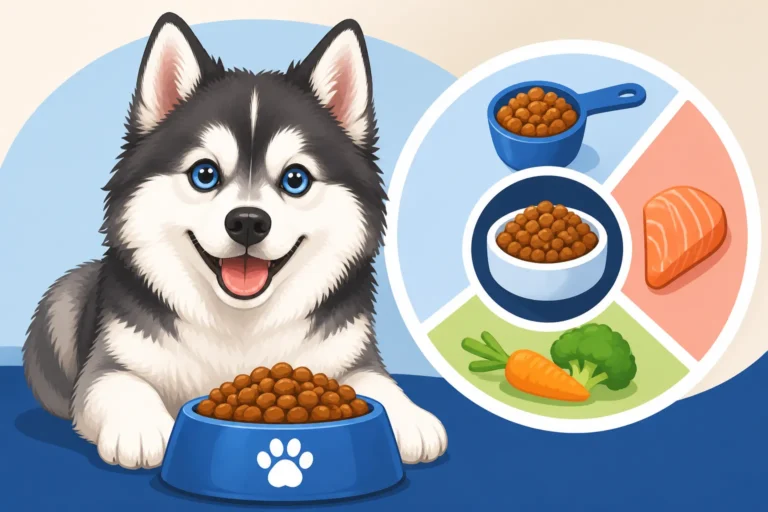
The old adage "you are what you eat" holds true for our canine companions, especially when it comes to their coat health and appearance. A high-quality, balanced diet rich in essential fatty acids (like Omega-3 and Omega-6), vitamins, and minerals is crucial for maintaining a lustrous, vibrant coat. Dogs fed a diet lacking in these nutrients might develop a dull, dry, or brittle coat, which can make its color appear faded or less intense, even if the underlying pigment hasn't fundamentally changed.
For instance, certain amino acids are vital for melanin production. If a Pomsky isn't getting adequate amounts, their coat might not develop its full genetic potential in terms of richness and depth of color. While it's rare for a good commercial dog food to cause severe deficiencies, providing a premium diet from brands available at places like Chewy or exploring fresh food options from services like Ollie can certainly contribute to optimal coat health. If you're concerned about specific nutrient needs, especially given the Husky's predispositions, you might look into Whether a Pomsky's Diet Needs More Zinc Than Most. A healthy coat usually means a healthy, vivid color.
Sun Exposure and Environmental Impacts
Just like human hair, a dog's coat can be affected by the sun. Prolonged and intense exposure to ultraviolet (UV) rays can actually bleach a Pomsky's coat, especially darker colors like black, brown, and red. A jet-black Pomsky might develop reddish or rusty tones, and rich browns can become lighter or brassy. This isn't a genetic change, but an environmental one, where the sun's energy breaks down the pigment in the outer layers of the hair shaft.
For Pomskies that spend a lot of time outdoors, especially in sunny climates, this sun bleaching can be quite noticeable. While it doesn't harm the dog, owners who want to maintain a deep, rich color might consider limiting direct sun exposure during peak hours or using dog-safe sun protective gear if appropriate. This factor highlights why two Pomskies with the same genetics could end up looking slightly different in color intensity based on their lifestyle and environment, as explained in Whether a Pomsky's Coat Sunbleaches.
Health and Age-Related Changes
A Pomsky's overall health can also subtly impact the appearance of their coat color. Certain health conditions, such as thyroid imbalances or skin issues, can lead to a dull, dry, or thinning coat, which in turn might make the color seem less vibrant or faded. Medications can sometimes have side effects that affect coat quality, leading to changes in texture or even color in some rare cases.
Perhaps the most obvious age-related color change is the appearance of graying. Just like people, Pomskies will start to get distinguished gray hairs, typically around their muzzle and eyes, as they enter their senior years. This usually begins around 7-10 years of age, but some dogs might start earlier or later. It's a natural part of aging and is often one of The Signs a Pomsky Is Getting Old. What Changes in an Old Pomsky's Coat delves deeper into how a Pomsky's fur changes over its lifespan.
Understanding Specific Color Expectations
While every Pomsky is unique, we can generalize about some common transformations based on their base color. Knowing these general tendencies can help manage expectations and appreciate the evolution of your furry friend's appearance.
White and Cream Pomskies
If you have a white or cream Pomsky puppy, you might expect less dramatic color changes than with darker coats, and generally, that's true. Their base color often remains consistent. However, subtle shifts can still occur. A pure white puppy might develop faint cream or even very light apricot shadings, particularly on their ears, along their spine, or on their tail. This can be more noticeable in winter when their coat is thickest, or in contrast to their "summer white" coat.
Sun exposure, as mentioned earlier, can also subtly yellow white coats over time, especially if they spend a lot of time outdoors. For cream-colored Pomskies, the cream might deepen into a richer, more buttery shade, or conversely, lighten slightly depending on their genetics and exposure to elements. These changes are usually soft and gradual, adding character rather than altering their core appearance.
Black, Gray, and Sable Pomskies
These are the colors where some of the most noticeable transformations can occur. A jet-black Pomsky puppy is often stunning, but it's very common for their adult coat to mature into a deep charcoal, a striking blue-gray, or even a nuanced shade that appears black in some lights and gray in others. This happens as the softer, uniformly dark puppy fur is replaced by adult guard hairs that might have lighter tips or a less dense concentration of black pigment. Whether a Gray Pomsky Lightens is a common question, and yes, some dark gray puppies might actually lighten to a medium gray, while others deepen.
Sable Pomskies, characterized by hairs that are lighter at the base and tipped with black, often see their patterns become much more pronounced and defined as they mature. The sable tipping can become richer and more extensive, giving the coat a beautiful depth that wasn't apparent in their softer puppy fluff. These subtle banding effects on individual hairs truly come alive in the adult coat, creating a dynamic color that shifts with movement and light.
Red and Brown Pomskies
Red and brown Pomskies also experience interesting evolutions in their coat color. A reddish-brown puppy might grow into an adult with a much deeper, richer mahogany or copper red coat. The intensity of red pigment can increase significantly as they mature, giving them a truly fiery hue. Alternatively, some red puppies might lighten to a more golden or even orange-tinted red.
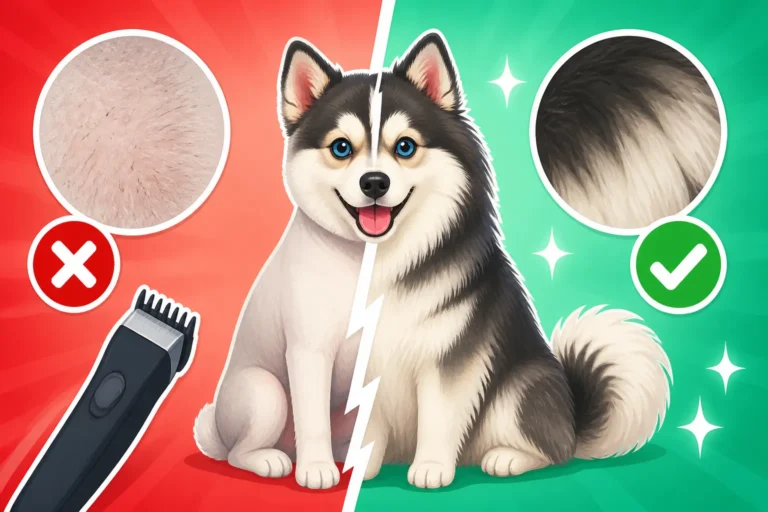
Brown Pomskies, often with lighter cream or tan markings, can also see their brown deepen into a rich chocolate, or soften into a warm, medium brown as their adult coat comes in. These colors, perhaps more than any other, are particularly susceptible to sun-fading. A deep red or chocolate Pomsky that spends a lot of time in the sun might find their coat taking on brassy or bleached highlights, especially along their back and sides. Regular grooming with tools like The Undercoat Rake a Pomsky Owner Lives With can help maintain coat health, which in turn helps colors remain vibrant.
Here’s a quick overview of some common Pomsky coat color changes:
| Initial Puppy Color (Example) | Common Adult Color Shift | Explanation |
|---|---|---|
| Light Grey | Darker Grey / Silver / Charcoal | Puppy fluff is replaced by denser, more pigmented adult guard hairs, leading to a deeper shade. |
| Cream / Pale Yellow | Richer Cream / Apricot / Fawn | Melanin production increases, enhancing existing undertones and adding depth to the color. |
| Jet Black | Charcoal / Blue-Black / Softer Black | Adult guard hairs may have less intense pigment or a gray undercoat that becomes more visible, giving a softer black appearance. |
| Faint Sable | Pronounced Sable / Darker Sable / Red Sable | The banded pattern on individual hairs becomes more distinct as the adult coat matures, intensifying the overall sable appearance. |
| Brown (e.g., milk chocolate) | Richer Chocolate / Dark Brown / Lightens to Tan | Pigment deepens with age, resulting in a richer brown. Sun exposure can lighten these tones, sometimes to a warmer tan. |
| White with Faint Markings | Clearer White / Defined Markings / Ticking Emerges | Puppy fluff obscures underlying patterns; adult coat allows patterns (like a mask or saddle) to become sharp, or small colored flecks (ticking) appear in white areas. |
| Red (e.g., orange-red) | Deeper Red / Mahogany / Copper / Lightens to Gold | Pigment can intensify, leading to a richer red. Sun bleaching can also cause reds to fade to a more golden or orange hue over time. |
Ultimately, the color transformation of your Pomsky is a natural, exciting part of their development. Embrace the changes, enjoy watching their unique beauty unfold, and remember that no matter the shade, your Pomsky will always be your beloved companion. And who knows, you might just get a truly unique color combination that perfectly blends the best of both parent breeds!
Disclaimer
This article is for general informational purposes only and does not constitute professional advice. Laws, prices and regulations vary by location and change over time. Consult a qualified professional for guidance on your specific situation.