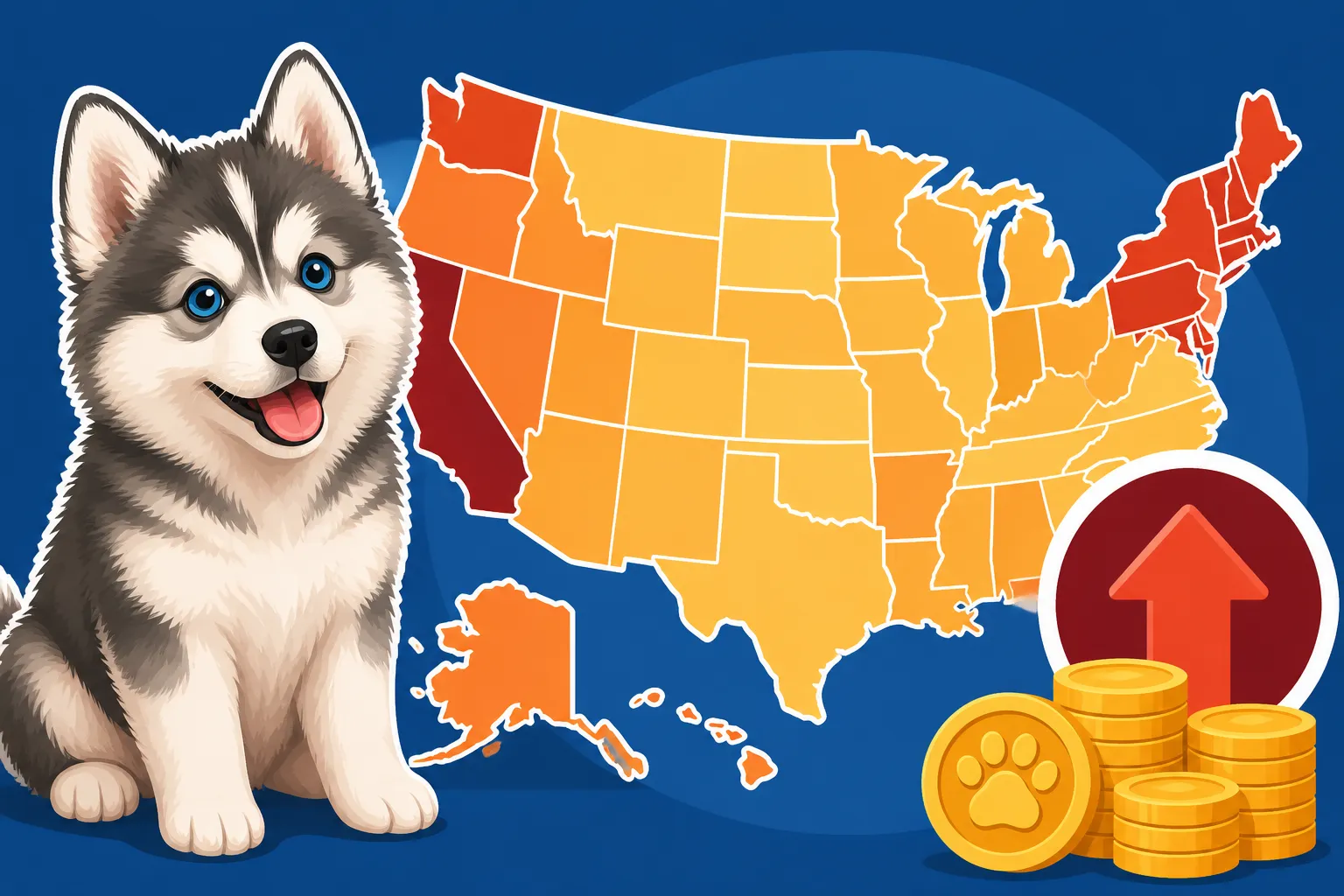
Where in the Country Pomskies Cost Most
It’s a common frustration for anyone looking to bring a Pomsky into their home: why do the prices seem to jump around so much, and why does it feel like some areas of the country demand a king's ransom for these adorable dogs? You’re not imagining it; the cost of a Pomsky can indeed vary significantly depending on where you look, and understanding these regional differences and the reasons behind them can help you budget realistically and find your furry companion without unpleasant surprises. This guide will explore the various factors that influence Pomsky pricing across different regions and help you navigate the costs.
Why Pomsky Prices Aren't One-Size-Fits-All Across the Map
When you're searching for a Pomsky, it can feel like you're playing a game of geographical roulette with your wallet. One minute you see a price that seems reasonable, and the next, you’re wondering if they’re selling a dog or a small car. The truth is, Pomsky prices are deeply influenced by a combination of local market dynamics, the cost of living for breeders, and the sheer logistics of bringing these unique pups into the world. It’s never as simple as a flat rate, and understanding the 'why' behind the numbers is crucial.
Breeder Expenses Fluctuate by Location
Think about it: a breeder isn't just pulling puppies out of thin air. They have significant overheads, and many of these costs are tied directly to their geographical location. For example, if a breeder is operating in an area with high commercial rents or property taxes, those costs inevitably get factored into the price of their puppies. Veterinary care, a major expense for any responsible breeder, also varies wildly across the country. A routine check-up, necessary vaccinations, health screenings for parent dogs, and emergency care can all cost more in a bustling metropolitan area than in a rural one. The Health Tests a Pomsky Breeder Should Show will give you an idea of the kind of health investments good breeders make.
Beyond that, the cost of high-quality dog food, supplies, and even labor (if they have staff) can differ based on local economic conditions. If a breeder is using advanced reproductive techniques like artificial insemination—which is often the case for Pomskies due to the size difference between a Husky and a Pomeranian parent—the veterinary costs associated with that process can be significantly higher in certain states or cities. Why Artificial Insemination Sets a Pomsky's Floor Price delves into this a bit more. These foundational costs create a baseline, and if that baseline is higher due to location, so too will be the puppy price.
Regional Demand and Supply Dynamics
It’s classic economics, really: where demand is high and supply is limited, prices will naturally climb. In certain urban centers or affluent regions, there might be a higher disposable income among potential buyers, leading to a greater willingness to pay premium prices for popular breeds like the Pomsky. This increased demand gives breeders in those areas more leeway to set higher prices. Conversely, in areas where fewer people are actively seeking out designer breeds, or where there are more breeders vying for customers, competition might keep prices a bit more grounded.
Furthermore, the number of reputable Pomsky breeders isn't evenly distributed across the country. Some regions might have a higher concentration of established, ethical breeders, while others might have very few, meaning buyers have to travel or pay for transport, which adds to the overall cost. The "hype" around certain breeds can also be localized, with social media trends or local celebrity ownership driving up interest in specific areas. It’s a complex web of factors that directly impacts what you’ll find listed for sale.
Unpacking the Price Differences: Where You'll Pay More (and Why)
While I can't give you exact figures or point to a specific street corner, I can tell you about the types of places where you're likely to encounter higher Pomsky prices. It really boils down to areas with higher costs of living, greater population density, and often, a strong trend culture.
Major Metropolitan Areas and Coastal Cities
It's almost a given that you’ll find higher prices for just about everything in major metropolitan areas like New York, Los Angeles, San Francisco, or cities along the coasts. This extends directly to the cost of a Pomsky. Why? Well, the cost of living in these places is notoriously high, and as we discussed, breeders’ expenses are directly affected. Veterinary services, quality pet food (whether it's premium kibble found on Chewy or fresh-prepared options like Ollie), and even the land or facility costs for a breeding operation are all elevated.
Moreover, these areas often have a larger pool of potential buyers who are willing and able to pay top dollar for a highly sought-after breed. The convenience of finding a breeder locally, without the added expense or hassle of long-distance travel, can also contribute to a willingness to pay more. These cities are often at the forefront of pet trends, and the demand for "designer dogs" like Pomskies tends to be particularly strong, allowing breeders to command higher prices. The Fifteen Hundred to Five Thousand a Pomsky Costs gives a broader overview of typical ranges.
Regions with Strong Economic Growth and Affluence
Beyond just the biggest cities, certain regions experiencing significant economic growth or areas known for their affluence will also see higher Pomsky prices. Think about places with booming tech industries or popular vacation destinations where property values and incomes are generally higher. When people have more disposable income, the market adapts, and luxury goods or desired pets often reflect this.
In these areas, the general expectation for quality and service also tends to be higher, which might mean breeders invest more in amenities, early training, or comprehensive health testing, all of which contribute to the final price tag. While it's great to know your puppy comes from a well-resourced background, it's also worth noting that these added values come with a proportional increase in cost.
Navigating the Costs: What to Expect and How to Budget
Finding your perfect Pomsky involves more than just the initial purchase price. You’ll be looking at ongoing expenses that can vary greatly depending on where you live. Being prepared for these costs is just as important as knowing the puppy’s upfront tag.
The True Cost of Pomsky Ownership Beyond Purchase Price
Let's be real: the purchase price is just the tip of the iceberg when it comes to Pomsky ownership. Your geographical location will continue to influence many other ongoing expenses.
- Veterinary Care: Routine check-ups, vaccinations, parasite prevention, and any unexpected illnesses or injuries can be significantly more expensive in high-cost-of-living areas. Even if your Pomsky is perfectly healthy, preventative care adds up. For example, Dental Crowding in a Pomsky's Small Mouth might lead to higher dental cleaning costs over their lifespan, and these costs aren't uniform across the country.
- Food and Supplies: While you can order food online from places like Chewy, local pet stores in more expensive regions often have higher prices for treats, toys, beds, and other essentials. If you opt for premium fresh food services like Ollie, their pricing might be standardized, but any local add-ons or specialty items could still reflect regional cost differences.
- Grooming: Pomskies have a double coat that requires regular grooming, especially during their bi-annual "blowouts." The Grooming Bill on a Double Coated Pomsky can be substantial, and professional grooming services in urban or affluent areas will almost certainly charge more than those in smaller towns.
- Training and Daycare: If you plan on enrolling your Pomsky in puppy classes or doggy daycare, expect these services to be pricier in areas with higher wages and operating costs. This is especially true if you live in a dense city where space is at a premium. What Classes Cost a Pomsky Owner highlights this impact.
- Pet Insurance: While companies like Healthy Paws offer broad coverage, the cost of premiums can sometimes reflect the average veterinary costs in your region, as insurers factor in the likelihood and expense of future claims.
Table: Regional Factors Influencing Pomsky Costs
To give you a clearer picture, here’s a breakdown of general regional characteristics that tend to drive Pomsky prices up or down.
| Factor | High-Cost Regions (e.g., major metros, coastal) | Lower-Cost Regions (e.g., rural, mid-America) | Impact on Pomsky Price |
|---|---|---|---|
| Breeder Overhead | Higher (rent, vet, labor) | Lower (rent, vet, labor) | Higher |
| Demand for Pomskies | High (trend-driven, disposable income) | Moderate to Lower | Higher |
| Supply of Breeders | Potentially fewer reputable local options | More varied, potentially more local options | Higher |
| Ongoing Pet Expenses | Higher (vet, grooming, daycare, food) | Lower (vet, grooming, daycare, food) | Higher |
| Travel Costs for Buyer | Lower (if buying locally) | Higher (if traveling to a distant breeder) | Can offset savings |
| General Cost of Living | High | Moderate to Low | Higher |
This table illustrates that while you might find a lower purchase price in a less expensive region, you also need to factor in potential travel costs if that breeder isn't local. Conversely, paying more upfront in a high-cost region might mean fewer travel expenses.
Tips for Finding a Pomsky Without Breaking the Bank
Even if you live in a high-cost area, there are strategies you can employ to potentially find a Pomsky that fits your budget.
- Broaden Your Search Radius: Don't limit yourself to breeders within a short drive. If you're willing to travel a few hours, or even consider a flight (with careful research into safe travel options), you might find more competitive pricing in a neighboring state or region. Just be sure to properly vet any distant breeder, perhaps asking for video calls and extensive references.
- Consider Different Generations: Sometimes, an F2 or later-generation Pomsky might be priced differently than an F1. While the genetics can be a bit more varied, they are still wonderful dogs. Whether an F1 Pomsky Is Healthier Than an F2 provides insight into generation differences.
- Be Flexible on Appearance: Specific coat colors, eye colors (like the coveted blue eyes), or markings can sometimes drive prices up. If you're open to a brown-eyed Pomsky or one with less "flashy" markings, you might find a slightly lower price point.
- Look for Older Puppies or Adults: Sometimes breeders have older puppies who haven't found homes yet, or retired adult breeding dogs available for adoption. These dogs are often priced lower than young puppies, and they come with the added benefit of already having some training and a more established personality.
- Explore Rescue Options: While rare, Pomskies do sometimes end up in rescue, often around their second year when owners realize they weren't prepared for the breed's needs. Why Pomskies Reach Rescue at Two explains this unfortunate reality. Adoption fees are typically much lower than breeder prices, though you'll need patience as Pomsky rescues are highly competitive.
- Budget for Ongoing Costs Early: Regardless of the purchase price, start saving for ongoing expenses right away. A good quality food from Chewy, toys, regular grooming, and comprehensive pet insurance from Healthy Paws are investments that ensure your Pomsky lives a long, healthy, and happy life.
Ultimately, while the initial cost might seem daunting, focusing on a reputable breeder who prioritizes health and temperament over trends is paramount, no matter where they are located. A well-bred Pomsky, even if more expensive upfront, can save you significant heartache and veterinary bills down the line.
Disclaimer
This article is for general informational purposes only and does not constitute professional advice. Laws, prices and regulations vary by location and change over time. Consult a qualified professional for guidance on your specific situation.