Whether a Pomsky Is Safe at a Dog Park
Pomsky safety at dog parks depends on Husky prey drive, Pomeranian feistiness, and unpredictable off leash environments.
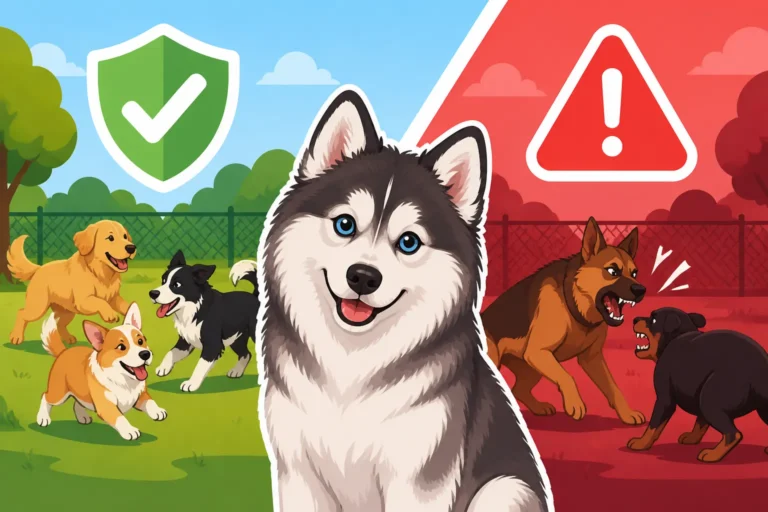
Pomsky safety at dog parks depends on Husky prey drive, Pomeranian feistiness, and unpredictable off leash environments.
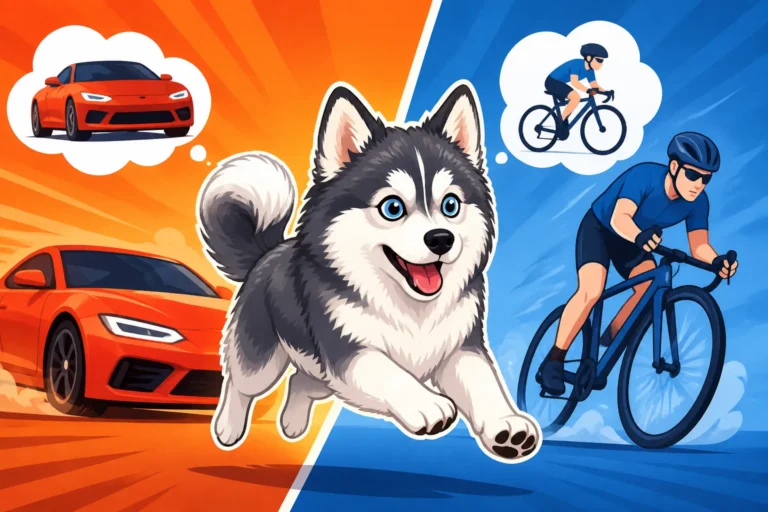
Pomsky car and bike chasing behaviors stem from Siberian Husky prey drive, Pomeranian reactivity, and lack of exercise.

Pomsky hunting instincts, inherited from Siberian Huskies and Pomeranians, explain why these dogs chase rabbits outdoors.

Pomsky safety with cats depends on managing eight to sixteen week socialization windows, Husky prey drives, and Pomeranian alertness.
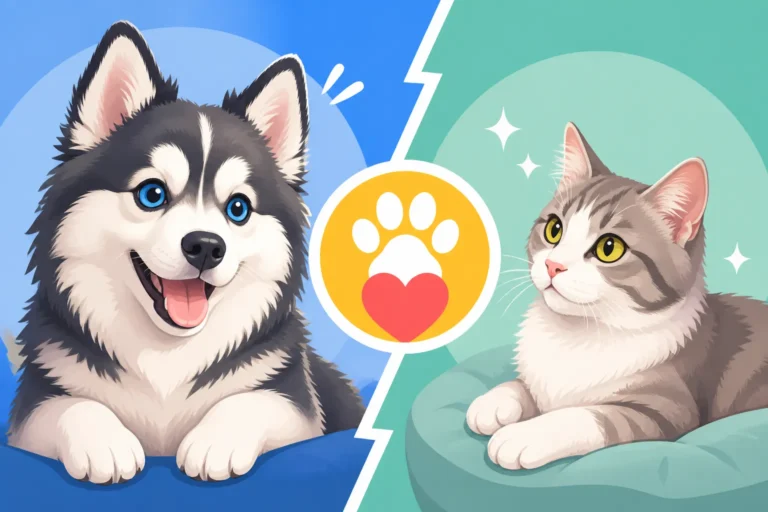
Pomsky and cat coexistence requires understanding the high prey drive inherited from Siberian Husky and Pomeranian parent breeds.
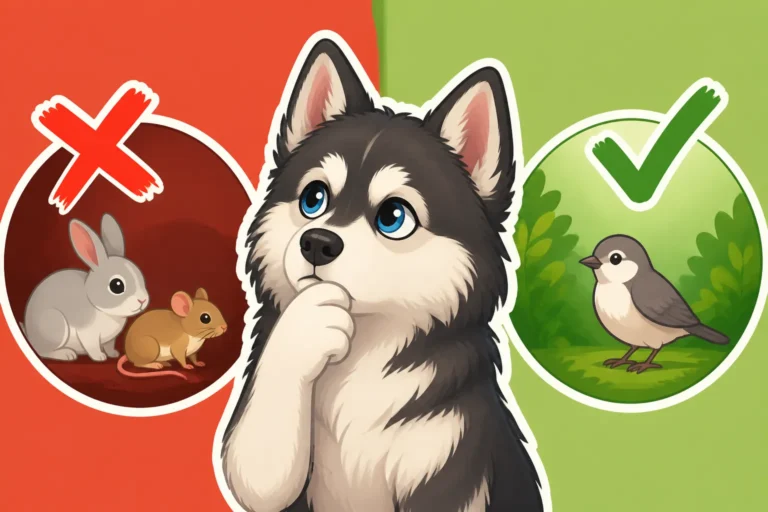
Pomsky prey drive inherited from Siberian Husky genetics explains specific risks to household pets like cats, rabbits, and rodents.
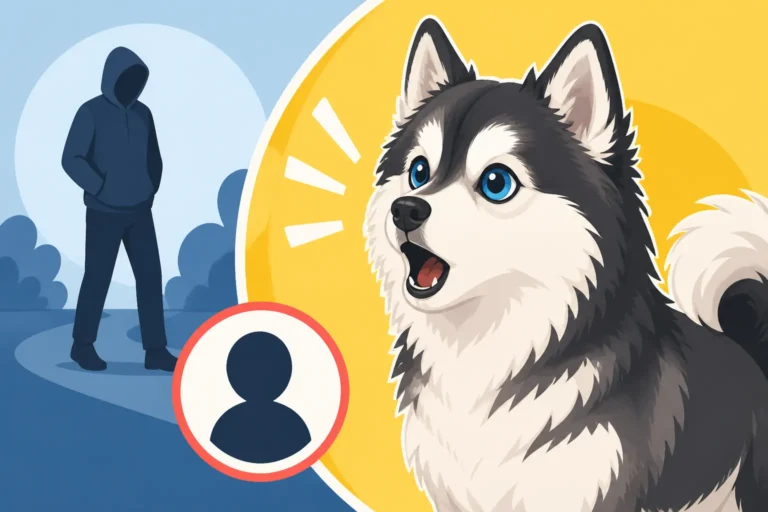
Pomsky stranger reactions blend Siberian Husky friendliness and Pomeranian watchdog instincts into unpredictable alerting habits and vocalizations.
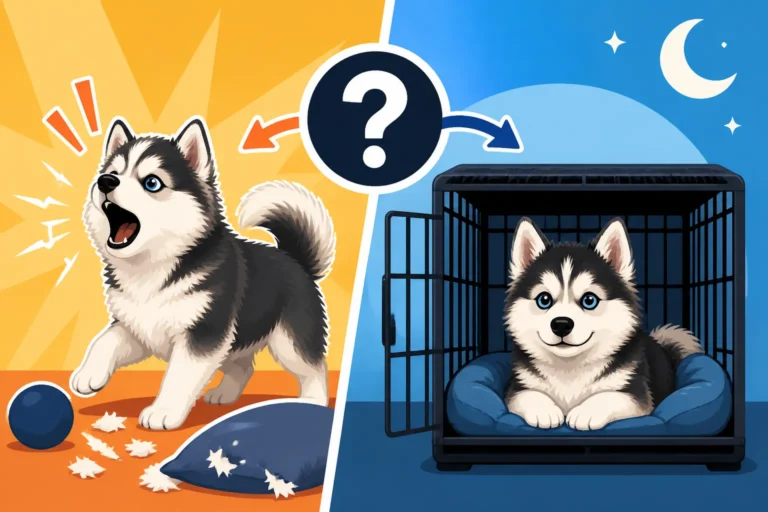
Crate training impact on vocal Pomsky dogs and steps to reduce barking inherited from Siberian Husky and Pomeranian ancestors.

Adding a second canine companion to a Pomsky household impacts vocalization levels driven by Siberian Husky and Pomeranian traits.
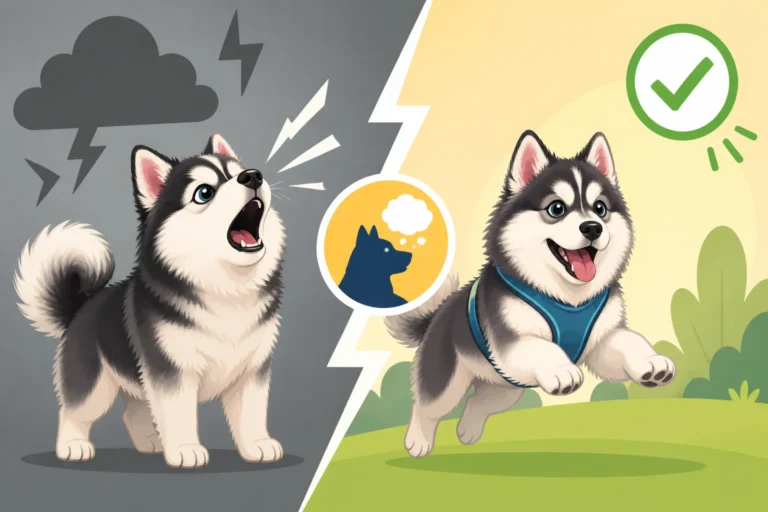
Sufficient exercise and understanding the Husky howl and Pomeranian bark blend help reduce excessive Pomsky noise.