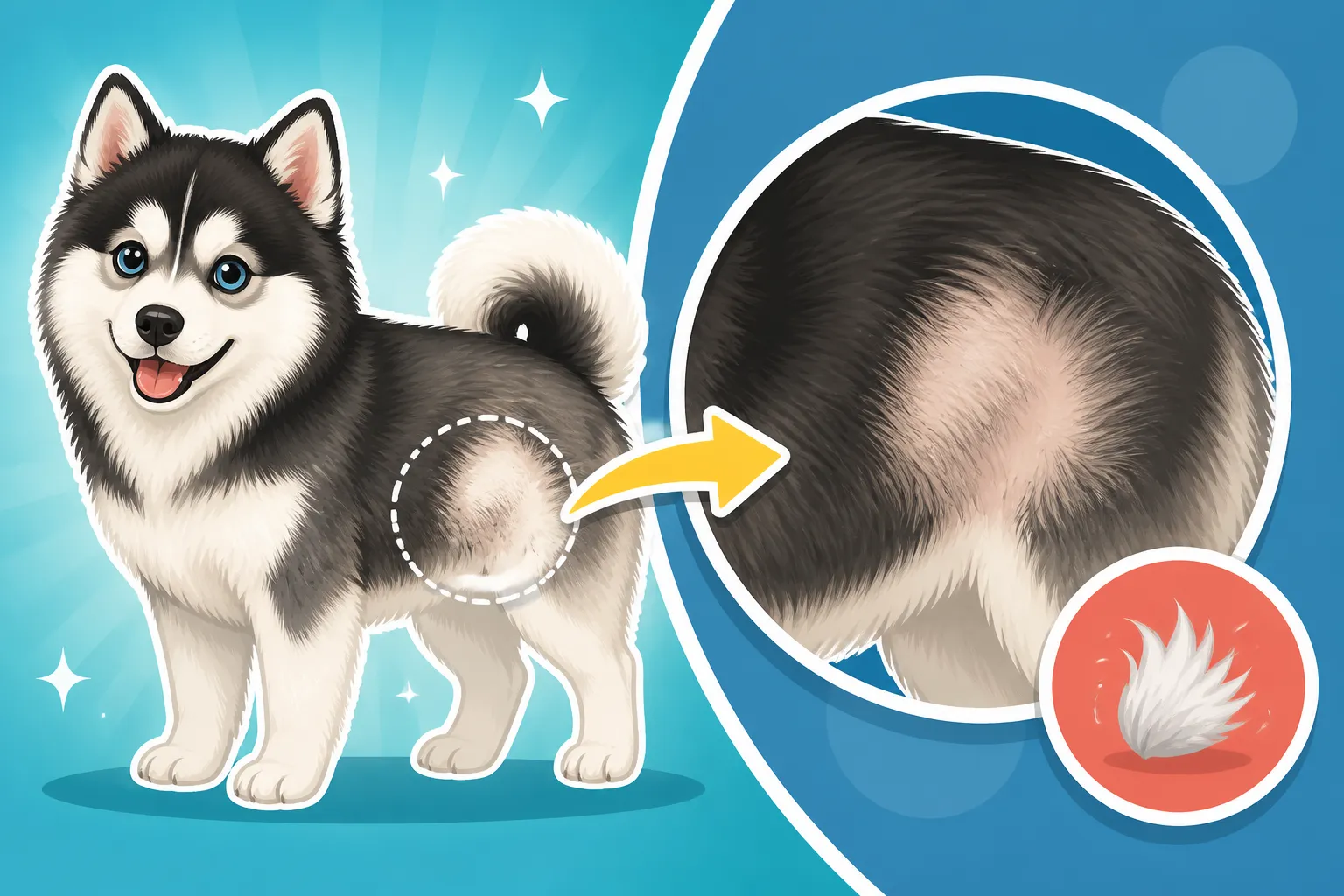
Whether a Pomsky Loses Its Coat on the Flanks
Oh, the heartbreak of noticing your beloved Pomsky’s beautiful, fluffy coat thinning or disappearing in patches, especially along their flanks. It’s a sight that can send any devoted pet parent into a spiral of worry, wondering if it's normal shedding or something more serious. This comprehensive guide will walk you through the various reasons why your Pomsky might be losing hair on its flanks, from common genetic conditions to more easily treatable issues, and what steps you can take to help your furry friend.
Decoding the Pomsky Coat and Normal Shedding Patterns
Before we dive into the anxieties of hair loss, let's take a moment to appreciate the magnificent double coat your Pomsky inherited from its Husky and Pomeranian ancestors. This isn't just any fur; it's a marvel of natural engineering, designed to protect them in various climates. You see, your Pomsky carries a Husky coat at twenty pounds, a truly remarkable feature that requires specific care. This double coat consists of a soft, dense undercoat that acts as insulation, keeping them warm in winter and cool in summer, and longer, coarser guard hairs that protect against the elements.
Normal shedding for a Pomsky is quite an event, especially when they "blow their coat" twice a year. This process typically happens in the spring and fall, coinciding with seasonal changes. During these periods, your house might feel like a snowglobe of dog fur, as they shed their old undercoat to make way for a new one better suited to the upcoming weather. This intense shedding is usually generalized, meaning hair comes out from all over their body, though some areas might seem heavier than others. You’ll be constantly battling tumbleweeds of fur, brushing daily, and wondering if you'll ever see your floor again. However, this is distinct from patchy, localized hair loss on the flanks or other specific areas. If you notice distinct bald spots or thinning that isn't accompanied by the usual massive, overall shedding, that's when it's time to pay closer attention.
Alopecia X The Primary Suspect for Flank Hair Loss
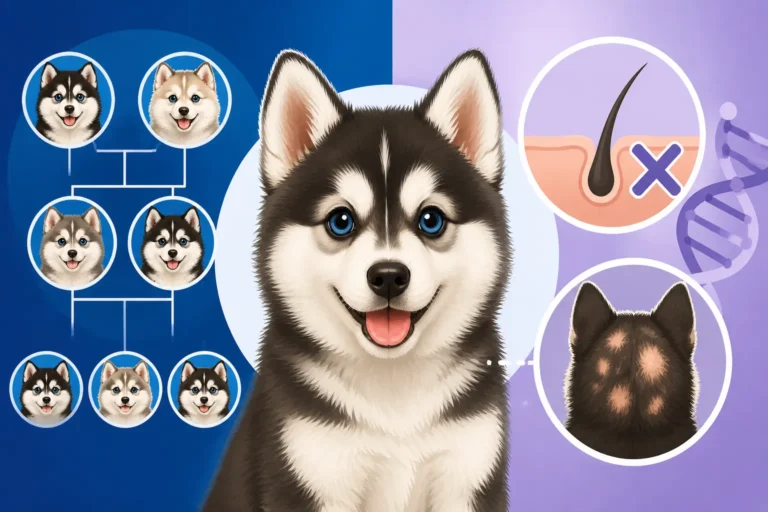
When we talk about a Pomsky losing its coat on the flanks, one of the first conditions that often comes to mind for experienced owners and vets alike is Alopecia X, sometimes referred to as Black Skin Disease (BSD), Adrenal Hyperplasia-Like Syndrome, or Coat Funk. This frustrating condition is particularly prevalent in northern breeds and their mixes, like our beloved Pomskies, given their Pomeranian heritage.
Alopecia X is a non-life-threatening, cosmetic skin disorder characterized by progressive hair loss, often symmetrical, that typically begins in areas like the flanks, tail, and hindquarters. It’s devastating to watch their beautiful fur disappear, leaving behind areas of darkened, often dry and flaky skin. The 'X' in Alopecia X signifies that the exact cause isn't fully understood, making it a diagnosis of exclusion – meaning other conditions with similar symptoms must be ruled out first. While it doesn't cause physical pain, the cosmetic change can be disheartening for owners and, occasionally, the skin can become more prone to secondary infections due to exposure. Many owners grapple with the emotional toll of watching their once-fluffy companion lose their defining characteristic. The age Alopecia X starts in a Pomsky can vary, but it's often seen in young to middle-aged adults, typically between one and five years old. It’s important to remember that while the condition isn't painful, the skin can become dry and prone to sunburn if not protected, so regular checks for signs of irritation are vital.
The genetic link is strong in breeds like Pomeranians and Huskies, meaning Pomskies carry a higher predisposition to this condition. It's often linked to an imbalance in adrenal hormones, though not necessarily a serious adrenal disease like Cushing's. The hair follicles simply stop producing hair, and the skin often thickens and darkens. Many owners initially confuse it with normal shedding gone wrong, or other skin issues, only to discover the more complex reality of Alopecia X. Thankfully, while there’s no definitive cure, there are management strategies that can sometimes lead to partial or full coat regrowth, though results can vary widely. If you're concerned about the costs of diagnosis and potential long-term management, remember that pet insurance providers like Healthy Paws can offer peace of mind by helping to cover unexpected veterinary expenses.
Distinguishing Alopecia X from Other Causes
While Alopecia X is a prime suspect for flank hair loss in Pomskies, it's crucial to understand that several other conditions can present with similar symptoms. A thorough veterinary examination is the only way to get an accurate diagnosis and appropriate treatment plan.
Hormonal Imbalances
Hormonal issues are surprisingly common culprits for hair loss in dogs, and they often manifest symmetrically, mimicking the pattern of Alopecia X.
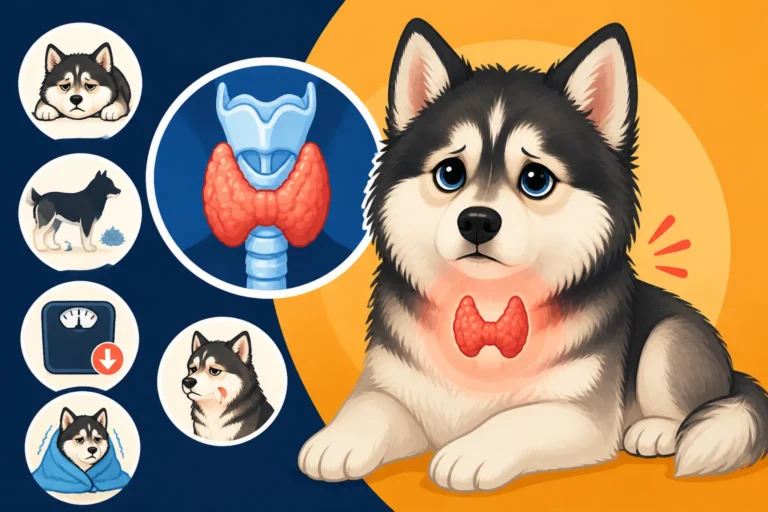
- Hypothyroidism: This condition occurs when your Pomsky's thyroid gland doesn't produce enough thyroid hormone. Beyond hair loss, which can be patchy, dull, or generalized, you might notice other signs like lethargy, weight gain, a dull coat, cold intolerance, and even recurring skin infections. Diagnosing hypothyroidism involves a simple blood test to check thyroid hormone levels. If caught and treated, the hair loss is usually reversible with daily medication, and your Pomsky's overall health and energy levels will often improve dramatically. Many owners worry when their Pomsky's coat loss is thyroid or Alopecia X, but a vet can differentiate.
- Cushing's Disease (Hyperadrenocorticism): This is caused by the body producing too much cortisol. While Alopecia X involves adrenal hormones, Cushing's is a more serious disease. Symptoms often include thinning hair, especially on the flanks and abdomen, a pot-bellied appearance, increased thirst and urination, and thin, fragile skin. It typically affects older dogs. If your vet suspects Cushing's, they'll perform specific blood and urine tests. Treating Cushing's can involve medication or, in some cases, surgery. It’s a very different condition from Alopecia X, although to a casual observer, the thinning coat can look somewhat similar.
- Sex Hormone Imbalances: Hair loss related to sex hormones can occur, particularly in intact males or females, or even after neutering or spaying. For instance, some dogs experience "Post-Clipping Alopecia" after being shaved, where the hair simply doesn't grow back, or grows back slowly and sparsely. This isn't strictly hormonal but is worth noting as it can affect localized areas like flanks if they were shaved. Additionally, some neutered male Pomskies or spayed female Pomskies can develop specific hormonal alopecia. If you've been wondering whether neutering triggers a Pomsky's coat loss, it's possible in certain cases. A vet will investigate these possibilities with further testing if they suspect a sex hormone imbalance.
Parasites and Skin Infections
These are often easier to diagnose and treat, but they can be incredibly uncomfortable for your Pomsky and lead to significant hair loss if left unchecked.
- Fleas and Mites: These tiny invaders can cause intense itching, leading your Pomsky to scratch, lick, and chew themselves raw, resulting in localized hair loss, redness, and scabs. Fleas are often visible to the naked eye or as "flea dirt" (their feces) on the skin. Mites, such as sarcoptic mange mites (highly contagious) or demodectic mites (often present in small numbers on healthy dogs but can overgrow in immunocompromised individuals), require a skin scraping examined under a microscope for diagnosis. The hair loss might start on the flanks if that's an area your dog can easily reach to scratch, or if the infestation is heavy there.
- Fungal Infections (Ringworm): Despite its name, ringworm is caused by a fungus. It typically presents as circular patches of hair loss with red, scaly, or crusty skin, and broken hairs at the margins. It can occur anywhere on the body, including the flanks, and is contagious to other pets and humans. A vet can diagnose it with a fungal culture.
- Bacterial Skin Infections (Pyoderma): Often secondary to allergies, parasites, or other skin irritations, bacterial infections can cause pustules, crusts, red patches, and localized hair loss. These might be hidden under the coat initially but can become quite severe. Treatment usually involves antibiotics, either topical or oral.
Allergies
Allergies are a common cause of skin issues in dogs, and the resulting itching and inflammation can indirectly lead to hair loss.
- Environmental Allergies (Atopy): Your Pomsky could be sensitive to pollen, dust mites, molds, or other airborne allergens. Symptoms typically include generalized itching, licking paws, rubbing faces, and recurrent ear infections. However, intense itching can lead to self-trauma, causing hair loss in areas they frequently scratch, which could include the flanks. Many owners ask whether a Pomsky gets allergies, and the answer is a resounding yes!
- Food Allergies: Some Pomskies can develop allergies to ingredients in their food, often proteins like chicken, beef, or dairy. Symptoms are similar to environmental allergies, with generalized itching, skin redness, and sometimes gastrointestinal upset. An elimination diet is often required to diagnose food allergies. The constant scratching can lead to secondary skin infections and hair loss.
Nutritional Deficiencies
While less common with a balanced commercial diet, certain nutritional deficiencies can impact coat health.
- Zinc Responsive Dermatosis: This condition, often seen in Northern breeds like Huskies (and thus Pomskies), is caused by either a dietary deficiency of zinc or an inability to properly absorb it. It typically manifests as crusting, scaling, and hair loss around the eyes, mouth, ears, and pressure points like the elbows, but it can also appear on the flanks. The skin might become red and inflamed. If you're wondering whether a Pomsky needs extra zinc, or whether a Pomsky's zinc problem comes from the Husky, it's definitely a consideration for your vet if these symptoms appear. Treatment involves zinc supplementation, often for life, and careful monitoring by your veterinarian.
| Cause of Flank Hair Loss | Key Symptoms (beyond hair loss) | Common Diagnostic Methods | Pain/Itchiness Factor |
|---|---|---|---|
| Alopecia X | Symmetrical hair loss, darkened/thickened skin, no itching | Diagnosis of exclusion, skin biopsy, specialized blood tests to rule out other issues | Usually none |
| Hypothyroidism | Lethargy, weight gain, dull coat, cold intolerance, recurrent infections | Blood tests (thyroid panel) | Usually none |
| Cushing's Disease | Potbelly, increased thirst/urination, thin skin, panting, muscle weakness | Blood tests (ACTH stim, low-dose dex suppression), urine cortisol-creatinine ratio | Usually none |
| Parasites (Fleas/Mites) | Intense itching, redness, scabs, visible parasites/flea dirt | Visual inspection, skin scrapings, tape prep, flea comb | High itchiness |
| Fungal Infections (Ringworm) | Circular patches, scaly skin, broken hairs, mild itching | Fungal culture, Wood's lamp exam | Mild to moderate |
| Bacterial Infections (Pyoderma) | Pustules, crusts, redness, odor | Cytology (microscopic exam of skin cells), bacterial culture | Moderate to high |
| Allergies | Generalized itching, licking paws, ear infections, redness | Elimination diet (food), allergy testing (environmental), physical exam | High itchiness |
| Zinc Responsive Dermatosis | Crusting, scaling, hair loss around eyes, mouth, pressure points | Response to zinc supplementation, skin biopsy (less common) | Mild to moderate |
What to Do When You Notice Flank Hair Loss
Discovering hair loss on your Pomsky's flanks can be incredibly unsettling. The key is not to panic, but to act quickly and methodically.
Immediate Steps and Vet Consultation
The first and most crucial step is to schedule an appointment with your veterinarian. Do not try to self-diagnose or treat the issue at home, as many conditions look similar but require vastly different approaches.
Before your appointment, take some time to gather information that will be helpful to your vet:
- Timeline: When did you first notice the hair loss? Has it progressed quickly or slowly?
- Pattern: Is it symmetrical? Are there other areas affected?
- Other Symptoms: Has your Pomsky been scratching more? Is their skin red, flaky, or darkened? Any changes in appetite, thirst, energy levels, or urination?
- Diet and Medications: Note down your Pomsky’s current food, treats, and any supplements or medications they are on.
- Environment: Have there been any recent changes at home, like new cleaning products, plants, or exposure to other animals?
Your vet will likely start with a thorough physical examination. They might recommend several diagnostic tests, which could include:
- Skin Scrapings: To look for mites.
- Fungal Cultures: To check for ringworm.
- Cytology: Examining skin cells under a microscope to identify bacterial or yeast infections.
- Blood Tests: To evaluate thyroid function, adrenal hormones, or overall organ health.
- Skin Biopsy: In some cases, a small tissue sample might be taken for histopathological examination, especially if Alopecia X or another complex skin condition is suspected.
These diagnostic steps are essential to pinpoint the exact cause of the hair loss, and while they can add up, knowing that you have options like pet insurance from Healthy Paws can help alleviate the financial stress of getting to the bottom of your Pomsky's condition.
Management and Treatment Options
Once your vet has a diagnosis, they will formulate a specific treatment plan. It’s vital to follow their instructions carefully and be patient, as skin and coat issues often take time to resolve.
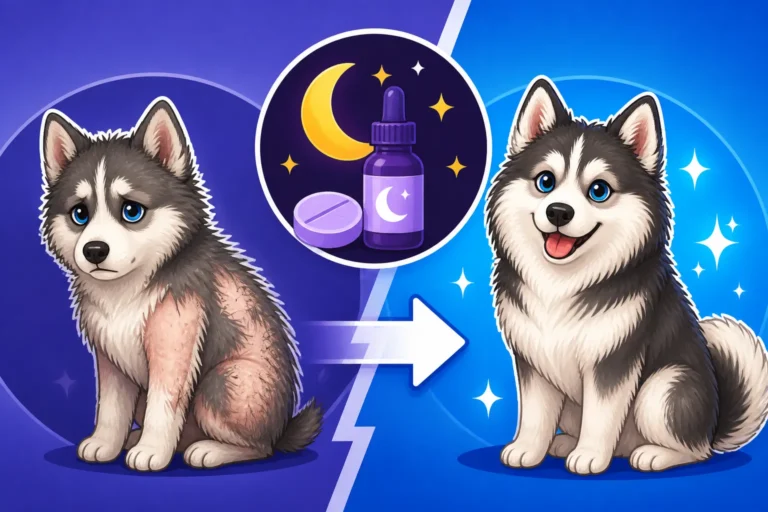
- For Alopecia X: If Alopecia X is diagnosed, your vet might suggest various management strategies. One common approach involves melatonin supplementation, which has shown anecdotal success in some dogs, sometimes leading to partial or full coat regrowth. Topical treatments like special shampoos or sprays can also help improve skin health. The most critical advice for a Pomsky with Alopecia X, and indeed any double-coated breed, is to never shave them. While it might seem counterintuitive when they're losing hair, shaving can damage the delicate guard hairs and follicles, often worsening the condition or leading to permanent coat damage, a phenomenon often called post-clipping alopecia. Many owners ask whether a Pomsky's coat comes back after a shave, and for those with Alopecia X, the answer is often "no" or "not fully." Regular brushing, gentle bathing, and keeping the skin moisturized are usually recommended.
- For Hormonal Imbalances: Hypothyroidism is easily managed with daily oral thyroid hormone replacement medication. Cushing's disease requires specific medications to regulate cortisol production, or in rare cases, surgery. Sex hormone-related alopecia might involve spaying or neutering if the dog is intact, or specific hormonal treatments.
- For Parasites and Infections: Flea and mite infestations are treated with appropriate parasiticides (oral, topical, or injectable). Fungal infections respond to oral antifungals and medicated shampoos. Bacterial skin infections require antibiotics, often for several weeks, and medicated baths.
- For Allergies: Managing allergies involves identifying and avoiding triggers where possible (e.g., specific food ingredients). Medications like antihistamines, corticosteroids, or newer immunomodulatory drugs can help control itching and inflammation. Regular bathing with hypoallergenic shampoos can also provide relief.
- For Nutritional Deficiencies: If zinc responsive dermatosis is the cause, your Pomsky will need a zinc supplement, typically for life. Your vet will guide you on the correct dosage and type of supplement.
Remember, every Pomsky is an individual, and what works for one might not work for another. The journey to understanding and treating your Pomsky's flank hair loss can be long, but with patience, consistent care, and the expert guidance of your veterinarian, you can help them feel more comfortable and potentially regain their glorious coat.
Disclaimer
The information provided in this guide is intended for general educational purposes only and should not be considered a substitute for professional veterinary advice. Always consult with a qualified veterinarian for any health concerns or before making any decisions related to your pet's medical care.