Whether a Pomsky Is Loud
One of the biggest worries I hear from potential Pomsky owners, especially those living in apartments or with close neighbors, is about noise. You've probably heard horror stories about talkative Huskies or yappy Pomeranians and wondered: does a Pomsky inherit the loudest traits of both? It's a completely valid concern, and navigating the vocal landscape of a Pomsky can indeed be a challenge, but it's far from insurmountable. This guide will dive deep into understanding why Pomskies can be loud, what triggers their vocalizations, and most importantly, how you can work with your furry companion to foster a more peaceful home environment.
Understanding the Pomsky's Vocal Heritage
To truly grasp why your Pomsky might be more vocal than you anticipated, we need to look at their parent breeds. Pomskies are a fascinating blend, and their vocal tendencies are often a clear reflection of the strong, distinct personalities of the Siberian Husky and the Pomeranian. It's like a genetic lottery for sound, and you never quite know what combination you're going to get until you're living with it!
The Husky Howl and Talk
Ah, the Siberian Husky. Known for being incredibly expressive, Huskies aren't typically barkers in the traditional sense. Instead, they are renowned for their incredible range of vocalizations: the iconic howl, the dramatic "woo-woo" sounds, grumbles, groans, and a whole lot of what we affectionate call "talking." It sounds like they're trying to have a full-blown conversation with you, complete with inflections and varied tones, especially when they're excited, bored, or trying to make a point.
This vocal prowess stems from their ancestral roots as sled dogs, where howling was a primary form of communication over vast distances and among pack members. It's a deeply ingrained instinct. Many Pomskies inherit this magnificent, often hilarious, ability to express themselves through a symphony of non-barking sounds. While a Husky's howl can be beautiful and haunting, imagine that powerful sound coming from a dog a quarter of the size – it can be surprisingly impactful indoors. You might find your Pomsky howling along to sirens, expressing their displeasure when you leave, or simply "singing" because they feel like it. This can be one of the most charming, yet sometimes challenging, aspects of owning a Pomsky. You can learn more about this specific trait in The Husky Howl in a Pomsky.
The Pomeranian's Sharp Bark
On the other side of the family tree, we have the Pomeranian. These tiny fluffballs are often big dogs in small bodies, brimming with confidence and a strong sense of duty as alert guardians of their domain. And what's a guardian without a good alarm system? Pomeranians are notorious for their sharp, high-pitched, and often persistent barking. They're quick to alert you to anything they perceive as out of the ordinary: a leaf blowing by the window, the mail carrier, a neighbor walking their dog, or even just a squirrel eyeing your bird feeder.
This type of barking is typically territorial and alert-driven. It's their way of saying, "Hey! Something's happening! Pay attention!" or "Intruder alert!" This vigilant nature, combined with their sometimes-yappy disposition, can mean a Pomsky might inherit a tendency to bark at every little sound or movement. It can be incredibly frustrating when you're trying to work from home, or when your neighbors are giving you the side-eye. The key difference here from the Husky's vocalizations is the sharpness and frequency of the bark. It's not a conversation; it's an alarm. For more on this, check out Whether a Pomsky Barks Like a Pomeranian.
The Genetic Blend of Vocalizations
So, what happens when you mix these two distinct vocal styles? You get a Pomsky, and their noise level can be incredibly varied and, at times, unpredictable. Some Pomskies might lean more towards the Husky side, preferring to howl and "talk" with occasional barks. Others might take after the Pomeranian, becoming diligent, if noisy, watchdogs with a higher frequency of sharp barks. And then there are those who get a full-house combo – the best (or worst, depending on your perspective!) of both worlds, offering a truly unique auditory experience.
It's this genetic roulette that makes it difficult to predict a Pomsky puppy's future noise level. Two puppies from the same litter might have vastly different vocal tendencies. This unpredictability can be a source of frustration for owners who expected one thing and got another. It's essential to go into Pomsky ownership understanding that you might get a quiet companion, but you're just as likely to get a truly expressive, loud personality that makes their presence known through various sounds, including the infamous "screaming" many Pomskies are capable of when very frustrated or excited, which is worth looking into in Whether a Pomsky Screams.
Common Triggers for Pomsky Vocalizations
Understanding the genetic predisposition is one thing, but pinpointing why your Pomsky is being loud in a specific moment is another. Dogs don't just make noise for no reason; there's always an underlying trigger or motivation. Recognizing these triggers is the first step in effective management and training.
Separation Anxiety and Boredom
This is perhaps one of the most common reasons for excessive vocalization in Pomskies, particularly the howling and whining you might hear when you're not home. Pomskies, like their Husky parents, can be highly social and thrive on companionship. When left alone for extended periods without adequate physical and mental stimulation, they can develop separation anxiety or simply get incredibly bored. A bored Pomsky is a creative Pomsky, and often, that creativity manifests as noise.
A Pomsky suffering from separation anxiety might whine, howl, or bark incessantly as soon as you leave, often escalating as their anxiety builds. This isn't just a matter of being a "bad" dog; it's a genuine distress signal. Beyond noise, you might also notice destructive chewing, house-soiling, or pacing when you're away. The truth is, many Pomskies struggle with being left alone for long stretches, and it’s a significant factor in why some end up in rescue. If you're wondering how long is too long, consider How Many Hours a Pomsky Can Be Left and Whether a Pomsky Suffers Separation Anxiety.
Alert Barking and Stranger Danger
As mentioned with the Pomeranian influence, many Pomskies have a natural inclination to be alert to their surroundings. This means they often perceive their job as informing you of anything and everything that moves, sounds, or looks different. The mailman, a delivery truck, a squirrel on the fence, a neighbor's dog barking down the street, or even just the wind rattling a window can all trigger a round of sharp, insistent barking.
While this can be a helpful trait for a watchdog, it quickly becomes problematic when the "threat" is merely a leaf blowing by or a distant siren. For apartment dwellers or those in busy neighborhoods, this constant alert barking can lead to strained relationships with neighbors and a perpetually noisy home. They aren't trying to be annoying; they're simply doing what their instincts tell them to do: protect their pack and territory. This vigilance can also extend to new people or animals entering their space, leading to barking as a form of initial suspicion or greeting.
Excitement and Play
Sometimes, your Pomsky's vocalizations are simply a sign of pure joy and exuberance! Pomskies are often high-energy, playful dogs, and they can get quite vocal when they're excited. This might manifest as happy barks, playful growls during a tug-of-war, or enthusiastic "talking" when you walk through the door after a long day. You know that adorable Husky chatter? Many Pomskies inherit that, and it comes out in full force during playtime or greetings. Whether a Pomsky Talks Back explores this charming trait in more detail.
While these sounds are generally less problematic than anxiety-driven or persistent alert barking, they can still contribute to a generally "loud" household. Imagine trying to have a phone call while your Pomsky is having a full-blown conversation with their favorite toy. It's a reminder that even happy sounds can sometimes be a lot to manage, especially if you have sensitive ears or quiet preferences.
Managing and Training for a Quieter Pomsky
Living with a vocal Pomsky doesn't mean resigning yourself to a life of constant noise. With consistent training, proper management, and a deep understanding of your dog's needs, you absolutely can foster a calmer, quieter home. It takes patience and dedication, but the results are incredibly rewarding.
Consistent Training for "Quiet" and "Speak"
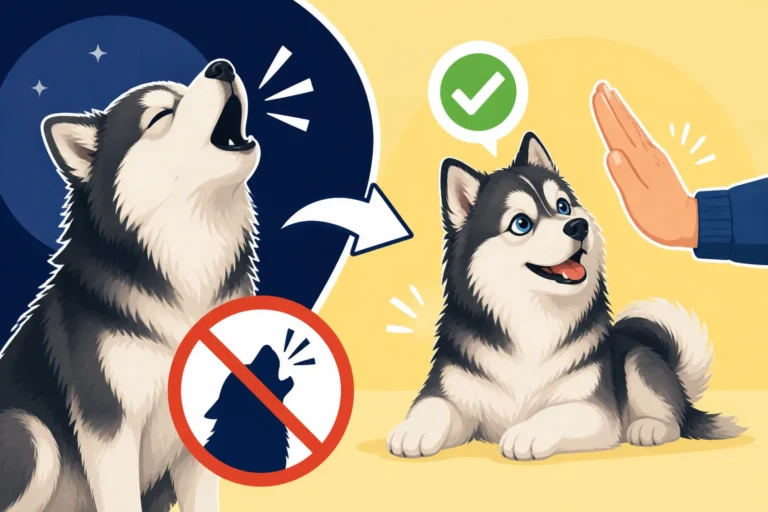
One of the most effective tools in your arsenal is teaching your Pomsky specific commands related to vocalization. The "Quiet" command is paramount. Start by allowing your Pomsky to bark once or twice at a trigger (like the doorbell), then immediately interrupt with a firm but calm "Quiet!" When they stop, even for a second, reward them heavily with a high-value treat and praise. The goal is to teach them that silence, not barking, earns rewards. Repeat this countless times in various scenarios.
Complementary to "Quiet" is teaching a "Speak" command. This might sound counterintuitive, but it gives you control over their vocalizations. Provoke a bark (ring the doorbell, knock) and as they bark, say "Speak!" and reward. Once they understand "Speak," it makes teaching "Quiet" even easier because they understand the action of barking versus being silent. This deliberate training puts you in charge of when they vocalize. For a deeper dive into this, read Teaching a Pomsky a Quiet Cue.
Enrichment and Exercise Strategies
A tired Pomsky is often a quieter Pomsky. Both parent breeds are intelligent and require significant physical and mental stimulation. If a Pomsky is under-exercised or under-stimulated, they will find their own ways to entertain themselves, and often that involves making noise.
- Physical Exercise: Aim for at least 60-90 minutes of vigorous exercise daily. This could be long walks, runs (once they're old enough), fetch in a secure yard, or dog park visits. Really let them burn off that energy. Whether Exercise Reduces a Pomsky's Noise is a good resource here.
- Mental Stimulation: This is just as crucial. Puzzle toys, snuffle mats, and engaging chew toys can keep their minds occupied. Rotate toys regularly to keep things fresh. You can find excellent options on Amazon – look for sturdy, challenging puzzle feeders that dispense treats slowly. Training sessions, even short ones, also count as mental work. Consider enrolling in an online puppy training program like those offered by BAXTER & Bella. Their comprehensive curriculum often includes sections on managing vocalizations through consistent training and engagement, providing structured guidance right from home.
By proactively meeting their needs for activity and enrichment, you reduce the likelihood of them resorting to excessive vocalizations out of boredom or frustration.
Addressing Environmental Triggers
Sometimes, the simplest solution is to manage the environment. If your Pomsky barks at everything they see outside the window, consider blocking their view with window film, frosted glass, or even simply closing curtains or blinds during peak "trigger" times. For sounds, white noise machines or turning on a radio can help muffle external noises that might set them off.
Desensitization can also be effective. If your Pomsky barks at the doorbell, record the sound. Play it at a very low volume, far enough away that they don't react. Reward them for calm behavior. Gradually increase the volume and decrease the distance over days or weeks, always rewarding calmness. This teaches them that the sound is not a threat.
Utilizing Tools and Resources
While training and environmental management are key, there are also tools that can support your efforts.
- Durable Chew Toys: For anxiety or boredom, a safe, long-lasting chew toy can be a fantastic outlet. Brands like Kong or Nylabone offer various strengths. You can stuff Kongs with peanut butter (xylitol-free!), plain yogurt, or wet food and freeze them for an extended challenge. These can be easily found on Amazon.
- Interactive Puzzle Toys: As mentioned, these are invaluable for mental stimulation. They challenge your Pomsky to figure out how to get treats, engaging their brains and tiring them out mentally.
- Training Aids: A martingale collar can be useful for walks if they tend to back out of standard collars when startled or excited, potentially preventing a runaway situation that could lead to panic and vocalizations. However, no tool replaces consistent, positive reinforcement training.
- Professional Training Programs: Sometimes, you need a little expert guidance. Online platforms like BAXTER & Bella provide video tutorials and personalized support that can walk you through specific training challenges, including excessive barking. They can help you implement a consistent strategy, which is often the missing piece for overwhelmed owners.
| Vocalization Type | Typical Cause | Quick Management Tip | Long-Term Strategy |
|---|---|---|---|
| Howling | Loneliness, siren response, boredom, communication | Redirect with a favorite toy, offer a high-value chew | Increase exercise & mental stimulation; crate training for comfort |
| Sharp Barking | Alerting to movement, doorbell, perceived threat, territoriality | "Quiet" command and immediate reward, block visual triggers | Desensitize to common triggers; structured "Speak/Quiet" training |
| Whining | Attention seeking, frustration, need to potty | Ignore until quiet, then reward; ensure needs are met before ignoring | Teach alternative ways to communicate (e.g., bell for potty) |
| "Talking" / Grumbling | Expressing opinion, playful interaction, excitement | Engage appropriately if positive, or redirect to a quiet activity | Consistency in addressing excessive "talking" vs. allowing playful chatter |
Living with a Vocal Pomsky: Expectations and Realities
Even with the best training and management, it's important to set realistic expectations. Some Pomskies will always be more vocal than others. The goal isn't necessarily a completely silent dog – that's often unrealistic and unnatural – but rather a dog that knows when to be quiet and expresses themselves in appropriate ways.
Apartment Living and Neighborly Concerns
This is where the rubber meets the road for many Pomsky owners. If you live in an apartment, condo, or townhouse with shared walls, a perpetually loud Pomsky can quickly become a significant problem. Noise complaints are a serious matter and can even lead to eviction in some rental agreements.
Before bringing a Pomsky into an apartment, seriously consider your lifestyle. Can you provide enough exercise and mental stimulation? Are you home enough to manage their vocalizations and prevent separation anxiety? Can you implement soundproofing measures like thick rugs, acoustic panels, or white noise machines? Even then, you need to accept that a Pomsky might still be heard. It's a huge commitment, and often, Whether an Apartment Building Tolerates a Pomsky becomes a critical question for prospective owners.
Temperament and Individuality
Remember, every dog is an individual. While genetics provide a blueprint, early socialization, training, and individual personality all play a huge role. Some Pomskies are naturally quieter, more reserved, and less prone to excessive vocalizations. Others are born with a theatrical flair and a strong desire to make their opinions known.
When choosing a puppy, observing the parents' temperaments (if possible) and asking the breeder about the vocal habits of their dogs can offer some clues. However, a quiet puppy doesn't always translate to a quiet adult, and vice-versa. Focus on consistent training from day one, regardless of your puppy's initial vocal tendencies. Don't fall into the trap of assuming they'll "grow out of it."
When to Seek Professional Help
If you've tried consistent training, management strategies, and enrichment, and your Pomsky's vocalizations are still excessive, disruptive, or seem rooted in deep anxiety, it's absolutely time to seek professional help. A certified professional dog trainer or a veterinary behaviorist can provide invaluable guidance.
They can assess your Pomsky's specific situation, identify underlying causes (like severe separation anxiety or reactivity), and develop a tailored training plan. Sometimes, behavioral medication might be considered in conjunction with behavior modification for severe anxiety cases, but this would always be under veterinary guidance. Don't feel ashamed to ask for help; addressing a behavioral issue proactively is a sign of responsible pet ownership and can significantly improve your quality of life and your Pomsky's well-being. Knowing when to get that expert intervention is crucial, and articles like Whether a Pomsky Needs a Professional Trainer can help guide your decision.
Disclaimer
This article is for general informational purposes only and does not constitute professional advice. Laws, prices and regulations vary by location and change over time. Consult a qualified professional for guidance on your specific situation.