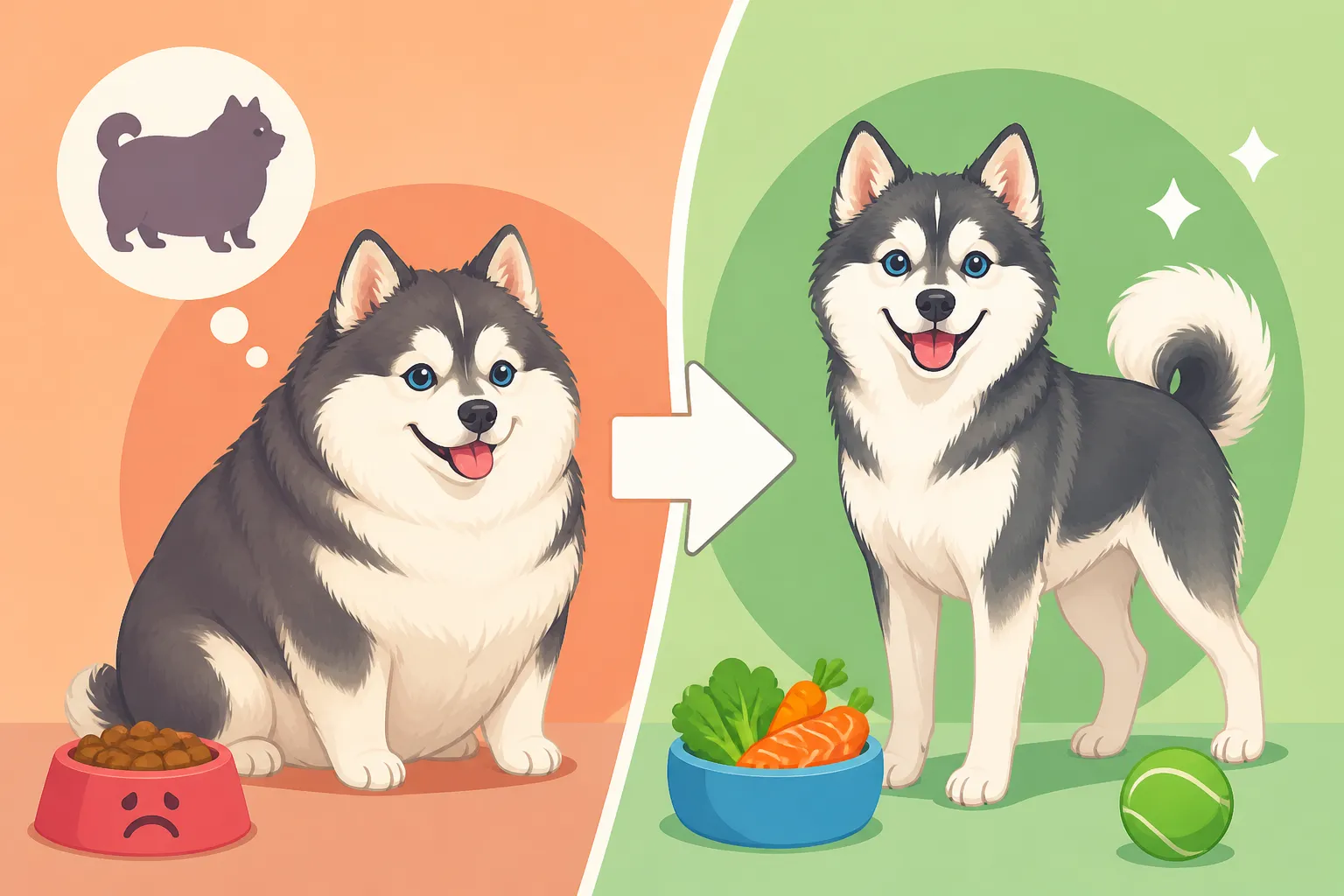
Getting Weight Off an Overweight Pomsky
It’s a heart-sinking moment when you realize your beloved Pomsky, who once bounded with endless energy, is starting to look a little… rounder. We often see these adorable fluffballs gain weight, often quietly, until one day their trim figure is replaced by a more substantial frame. It’s a common frustration for Pomsky parents, but don’t worry, this guide is here to walk you through how to safely and effectively get your Pomsky back to a healthy weight, focusing on realistic steps and understanding their unique needs.
Understanding Why Pomskies Gain Weight
It’s easy to blame ourselves when our furry friends pack on the pounds, but with Pomskies, there’s often more at play than just a few too many treats. Their genetic makeup and lifestyle inclinations can predispose them to weight gain, making it a challenge many owners face. Understanding these factors is the first step towards a successful weight loss journey.
The Husky Metabolism Trap
One of the biggest factors in a Pomsky’s weight challenge often comes directly from their Siberian Husky lineage. Huskies, by nature, are incredibly efficient metabolizers. Historically, they were bred to pull sleds across vast, harsh tundras on minimal rations. This means their bodies are hardwired to conserve energy and store fat, making them prone to gaining weight if their energy intake exceeds their output. Your Pomsky might have inherited this "thrifty gene," meaning they simply don't need as many calories as a dog of similar size from a different breed might.
This metabolic efficiency can be a real trap. You might be feeding what feels like a perfectly reasonable amount for their size, but their body is just exceptionally good at holding onto every single calorie. It’s not a reflection of your generosity; it’s just how their ancestral genetics work. When you combine this with the less strenuous lifestyle of a companion animal versus a working sled dog, those extra calories quickly add up to extra pounds.
Pomeranian Tendencies Toward Indulgence
On the other side of the family tree, the Pomeranian can bring its own set of challenges. Poms are charming, often demanding, and incredibly adept at getting their way with their owners. They learn quickly that a cute stare or a little bark can often lead to an extra treat or a piece of human food. This tendency to indulge their small, adorable companions can subtly transfer to Pomsky owners. It’s hard to say no to that fluffy face, especially when they give you "the look" right when you're enjoying your dinner.
These small, extra morsels, while seemingly insignificant, contribute significantly to a Pomsky's calorie intake. Their smaller stature means even a tiny bit of human food or an extra dog biscuit can be a substantial percentage of their daily caloric needs. What might be a harmless crumb for a larger dog could be the equivalent of a whole cookie for your Pomsky, pushing them well past their metabolic limits.
The Sedentary Lifestyle Factor
Let’s be honest, many of us get a Pomsky imagining a miniature Husky, full of energy and ready for adventure. While they certainly have that potential, modern life often means dogs spend more time indoors, sometimes without enough structured activity. A Pomsky needs more than just a quick trot around the block. They require consistent, engaging exercise to burn off calories and keep their muscles toned.
Without enough physical activity, the efficient Husky metabolism and the easily indulged Pomeranian tendencies form a perfect storm for weight gain. A dog that spends most of its day napping on the couch, no matter how cute, isn't burning the calories it needs to maintain a healthy weight. This sedentary trap can sneak up on even the most well-intentioned owners, leading to a gradual but steady increase on the scale. Providing The Exercise a Pomsky Needs Every Day is crucial for their overall health, not just weight management.
Assessing Your Pomsky's Current Condition
Before you can tackle the weight problem head-on, you need to understand where your Pomsky stands. Is it just a little fluffy, or truly overweight? Sometimes, our perception of our dog's body can be a bit skewed, especially when we see them every day. A clear, objective assessment is vital.
The Visual and Touch Test
One of the simplest ways to assess your Pomsky’s weight is through a combination of visual cues and a hands-on examination. This is often referred to as a Body Condition Score (BCS). You want to feel your dog’s ribs easily, without having to press too hard. They should feel like the knuckles on your hand when it’s lightly clenched, not like the back of your hand (too thin) or your palm (too much padding).
Visually, when you look down at your Pomsky from above, you should see a distinct waistline, an hourglass shape just behind their ribs. If they look more like a furry log, with no discernible tuck, then they’re likely carrying too much weight. From the side, their abdomen should tuck up slightly, rather than hanging low or parallel to the ground. This visual and tactile assessment provides a good baseline understanding of their current physical state.
Here’s a simplified Body Condition Score chart to help you:
| Score | Appearance | Feel | Recommendation |
|---|---|---|---|
| 1-2 (Underweight) | Ribs, spine, hip bones visible from a distance; no fat. | Easily visible and felt; no fat cover. | Increase food intake. |
| 3 (Ideal) | Ribs palpable without excess fat; waist visible; abdominal tuck. | Ribs easily felt; minimal fat cover. | Maintain current diet. |
| 4 (Overweight) | Ribs palpable with slight excess fat cover; waist somewhat visible but not prominent. | Ribs palpable but require slight pressure; moderate fat cover. | Reduce food intake & increase exercise. |
| 5 (Obese) | Ribs difficult to feel under thick fat; no waist; distended abdomen. | Ribs very difficult or impossible to feel; heavy fat cover. | Significant weight loss plan with vet guidance. |
When to Consult Your Vet for an Assessment
While the visual and touch test is a great start, a professional assessment by your veterinarian is always the best course of action. They can accurately determine your Pomsky’s Body Condition Score, weigh them on a proper scale, and discuss an ideal target weight based on their breed, age, and individual frame. More importantly, they can rule out any underlying health issues that might be contributing to weight gain, such as hypothyroidism or Cushing's disease, which can sometimes mimic simple obesity.
Your vet can also help you understand Signs a Pomsky Is Carrying Too Much Weight beyond just appearance, like reduced stamina or difficulty breathing after mild exertion. They can also perform necessary blood work if they suspect a medical reason for the weight gain. This partnership with your vet is invaluable, as they can provide personalized guidance and monitor your Pomsky’s progress safely.
The Health Risks of Extra Weight
It's not just about aesthetics; carrying extra weight has serious health implications for your Pomsky. Just like in humans, obesity in dogs significantly increases the risk of various medical conditions. Overweight Pomskies are more prone to developing joint problems, particularly Slipping Kneecaps in a Pomsky (patellar luxation) or exacerbating existing issues like Hip Dysplasia in a Twenty Pound Pomsky, as the excess weight puts immense strain on their joints.
Beyond orthopedic issues, extra weight can lead to a shorter lifespan and a reduced quality of life. It increases the risk of heart disease, diabetes, certain types of cancer, and respiratory problems, especially if your Pomsky has a tendency toward The Collapsing Trachea a Pomsky Gets From the Pomeranian. They might also struggle more with overheating, particularly in warmer weather, and can suffer from reduced mobility and energy, making them less enthusiastic about playtime or walks. Addressing weight now is an investment in their long-term health and happiness.
Crafting a Tailored Diet Plan for Weight Loss
Diet is often the most significant factor in weight management. You can exercise your Pomsky tirelessly, but if their calorie intake isn't appropriate, the weight simply won't budge. Creating a structured, controlled feeding plan is paramount.
Choosing the Right Food
When it comes to weight loss, not all dog foods are created equal. You’ll want to look for specific "weight management," "light," or "senior" formulas. These foods are typically lower in calories and fat, but crucially, higher in fiber and protein. The increased fiber helps your Pomsky feel fuller without consuming too many calories, while the higher protein helps maintain muscle mass during weight loss. Some brands offer excellent options; for example, you can find a wide selection of weight control diets on Chewy, making it easy to compare ingredients and nutritional content.
Always check the ingredients list. Look for whole, identifiable protein sources as the first ingredient. Avoid foods packed with fillers, excessive carbohydrates, or artificial additives. Sometimes, switching to a fresh food diet, like those offered by Ollie, can also be beneficial as they often have precisely controlled portions and high-quality, lean ingredients, though it's essential to ensure the calorie count is appropriate for weight loss. Your vet can recommend specific brands or formulations best suited for your Pomsky’s individual needs and any existing health conditions.
Precision Portion Control
This is where many well-meaning owners inadvertently go wrong. The feeding guidelines on dog food bags are just that: guidelines. They are often based on the caloric needs of intact, highly active dogs, which might not apply to your neutered, house-dwelling Pomsky. For weight loss, you absolutely must measure your Pomsky’s food precisely. Forget eyeballing it; invest in a kitchen scale to weigh their kibble or use exact measuring cups.
Your vet will likely recommend starting by feeding 80% of what your Pomsky should be eating for their ideal weight, not their current weight. This might feel like a drastic reduction, but it’s often necessary to kickstart weight loss. Divide their daily allowance into two or three smaller meals. This helps manage hunger and keeps their metabolism ticking over. Consistency is key here; every family member needs to be on board with the exact portions. Remember, How Much a Twenty Pound Pomsky Eats varies greatly by individual activity levels and metabolism.
Smart Snacking and Treats
Treats are often the silent calorie culprits. While we love to reward our Pomskies, those small biscuits add up. During a weight loss program, treats need to be drastically reduced or replaced with low-calorie alternatives. Instead of commercial dog treats, consider using small pieces of plain, steamed green beans, baby carrots, or apple slices (without seeds). These are much lower in calories and still offer a satisfying crunch.
If you absolutely must use commercial treats, look for those specifically labeled as "low calorie" or "training treats," and break them into even smaller pieces. A pea-sized crumb can often be just as effective as a whole biscuit for a Pomsky. Always factor these treats into their daily calorie allowance, rather than treating them as "extra." Think about non-food rewards too: a quick game of fetch, a vigorous ear scratch, or a moment of belly rubs can be just as rewarding for your Pomsky.
Incorporating Effective Exercise Routines
Diet is half the battle, but exercise is the other, equally important half. Simply cutting food won't build muscle or improve cardiovascular health. A well-planned exercise routine is crucial for burning calories, boosting metabolism, and enhancing your Pomsky’s overall well-being.
Daily Walks and Beyond
For a Pomsky, daily walks are non-negotiable, but for weight loss, they need to be more than just a leisurely stroll. Aim for at least two walks a day, each lasting 20-30 minutes, at a brisk pace. If your Pomsky is severely overweight, start slowly and gradually increase the duration and intensity as their stamina improves. Consistency is far more important than intensity initially. Don’t push them too hard too fast, as this could cause injury or discomfort.
Beyond structured walks, consider activities that encourage more movement. A long line in a secure park can allow them to run and explore safely, burning more calories than a heel walk. If your Pomsky enjoys water, swimming can be an excellent, low-impact exercise for joint health, especially beneficial if they have any joint discomfort. Whether a Pomsky Needs More Than Walks is an important consideration; often, the answer is a resounding yes to truly effective weight loss.
Interactive Play and Mental Stimulation
Pomskies are intelligent and energetic dogs; physical exercise alone isn't always enough. Incorporate interactive play sessions into their daily routine. Games like fetch, tug-of-war (with rules, of course!), or hide-and-seek can be fantastic calorie burners. These activities also provide mental stimulation, which can prevent boredom that sometimes leads to destructive behaviors or excessive begging.
Puzzle toys or snuffle mats, readily available on Amazon or Chewy, can also encourage movement and problem-solving, turning mealtime into a mini-workout. Instead of simply putting their food in a bowl, make them work for it. Hiding small portions of their measured kibble around the house can also turn eating into an engaging hunt. This mental engagement is vital for a happy, healthy Pomsky and can even help reduce stress.
Safety During Exercise
When exercising an overweight Pomsky, safety should always be your top priority. Their joints are already under strain, so high-impact activities should be avoided until they've shed some weight. Stick to softer surfaces like grass or dirt paths rather than pavement, which can be harder on their paws and joints. Pay close attention to their breathing and energy levels, especially in warmer weather. Pomskies, with their double coats, can overheat quickly. Always carry water and take frequent breaks.
If you notice any limping, excessive panting, or reluctance to move, stop immediately and consult your vet. They might need a more gradual approach or pain management to make exercise comfortable. Remember, the goal is consistent, moderate activity, not pushing them to their limits, especially when they are already carrying extra pounds.
Overcoming Common Challenges and Sticking to the Plan
The journey to a healthy weight isn't always smooth. There will be plateaus, begging eyes, and moments where you question if it's all worth it. But with patience, consistency, and a few strategies, you can overcome these hurdles.
Dealing with Begging and Food-Motivated Behavior
Pomskies are smart, and they quickly learn how to manipulate us with their adorable expressions. Begging is a common challenge, but giving in, even occasionally, undermines all your hard work. Establish strict rules: no human food from the table, no extra treats outside of designated, measured low-calorie options. If they beg while you're eating, have them go to their mat or crate with a long-lasting, approved chew toy (again, factored into their daily calorie count) or a puzzle toy to distract them.
Sometimes, what looks like begging is actually boredom. Increase their mental stimulation and playtime. Make sure they are getting enough physical activity. If they're constantly looking for food, revisit their diet plan with your vet to ensure they’re getting enough fiber to feel satiated. Consistency from everyone in the household is key to teaching them that begging simply won’t work. Ignoring the begging behavior, as hard as it is, is crucial for success.
Navigating Plateaus and Slow Progress
Weight loss in dogs, just like in humans, isn't always a linear process. You might see a rapid drop initially, followed by a frustrating plateau where the scale doesn't budge for weeks. Don't get discouraged! This is normal. A plateau might mean it's time to re-evaluate. Have you become a little lax with portion control? Are they getting enough exercise?
Revisit your vet during a plateau. They might suggest a slight adjustment to their caloric intake, a different food formulation, or a new exercise regimen. Sometimes, it's just a matter of sticking with it a little longer. Focus on non-scale victories too: does your Pomsky have more energy? Are their movements more fluid? Can you feel their ribs more easily? These are all signs of progress, even if the scale is being stubborn.
Long-Term Maintenance and Prevention
Once your Pomsky reaches their ideal weight, the journey isn't over; it transitions into maintenance. This means continuing with careful portion control, regular exercise, and healthy treat choices. It's not a temporary diet, but a permanent lifestyle change. Continue weighing your Pomsky regularly, perhaps once a month, to catch any creeping weight gain early. If you see the numbers start to climb, you can adjust quickly before it becomes a big problem.
Regular vet check-ups are also important to monitor their health and weight. Discuss Keeping a Pomsky's Weight in Range with your vet to ensure you’re providing the appropriate nutrition and exercise for their age and activity level. Maintaining a healthy weight is one of the best things you can do to ensure your Pomsky lives a long, happy, and active life by your side.
Disclaimer
This article is for general informational purposes only and does not constitute professional advice. Laws, prices and regulations vary by location and change over time. Consult a qualified professional for guidance on your specific situation.