What Alopecia X Does to a Pomsky’s Coat
It's incredibly disheartening to watch your beloved Pomsky, once adorned with a magnificent, plush coat, start to lose its glorious fur. Many Pomsky owners find themselves perplexed and frustrated as patches of hair thin or disappear, leaving behind a distinctive, often unsightly, pattern of baldness and a change in skin texture. This guide will meticulously explore exactly what Alopecia X does to a Pomsky's coat, delving into its appearance, progression, and the vital aspects of managing this challenging condition.
Unraveling the Mystery of Alopecia X in Pomskies
Alopecia X, sometimes referred to as Black Skin Disease (BSD), Adrenal Hyperplasia-like Syndrome, or simply coat loss syndrome, is a non-inflammatory skin condition that leads to progressive hair loss. It's not painful, but it certainly impacts a Pomsky's appearance, often leaving owners searching for answers and solutions. This condition is more common in breeds with dense double coats, particularly those derived from Nordic or spitz-type dogs, making our adorable Pomskies quite susceptible.
Defining the 'X' in Alopecia X
The "X" in Alopecia X essentially means "unknown." It's a diagnosis of exclusion, meaning veterinarians arrive at it after ruling out all other known causes of hair loss, such as thyroid issues, Cushing's disease, parasites, or allergies. It's not a life-threatening condition, and the dog usually remains healthy and happy otherwise. However, the exact genetic mechanisms or hormonal imbalances that trigger it are still a subject of ongoing research, which can be frustrating for owners seeking a definitive "why." You might wonder, for instance, whether this condition ever truly reaches a Pomsky at all, or if it's more theoretical. The unfortunate reality is that it's a very real concern for many Pomsky parents.
The uncertainty surrounding Alopecia X makes it a particularly vexing condition. Unlike a clear-cut bacterial infection or a broken bone, there isn't a single, straightforward test to confirm it. Vets typically conduct a battery of tests, including blood work to check thyroid function, cortisol levels, and skin biopsies to examine hair follicles. When all these tests come back normal, and the characteristic pattern of coat loss is present, Alopecia X becomes the diagnosis. This process can be lengthy and expensive, leaving owners feeling a bit adrift as they navigate this ambiguous territory.
Why Pomskies are Particularly Susceptible
Given their lineage, Pomskies inherit genetic predispositions from both the Siberian Husky and the Pomeranian. Both parent breeds are known for their dense double coats and, unfortunately, both have documented cases of Alopecia X. The Pomeranian, in particular, is one of the breeds most commonly associated with Black Skin Disease. This genetic cocktail means Pomskies are at a higher risk of developing the condition compared to many other breeds.
It’s not just the genetics, though. The double coat itself plays a role. These luxurious coats are designed for insulation, with a soft, dense undercoat and coarser, protective guard hairs. When the hair follicles become dysfunctional in Alopecia X, this intricate system breaks down. The condition typically manifests as an adult, with many Pomskies starting to show signs around the age of two or three years, though it can appear earlier or later. Understanding The Age Alopecia X Starts in a Pomsky can help owners identify early signs and seek veterinary advice sooner. The fact that their ancestry comes from two such prominent double-coated breeds makes vigilance all the more important for Pomsky owners.
The Distinctive Appearance of a Pomsky with Alopecia X
The changes wrought by Alopecia X on a Pomsky's coat are usually quite characteristic, progressing from subtle thinning to more widespread baldness. It's a visual journey that can be distressing for owners who cherish their Pomsky's fluffy aesthetic. The coat, once a crowning glory, transforms in ways that are hard to miss.
The Tell-Tale Signs of Coat Thinning
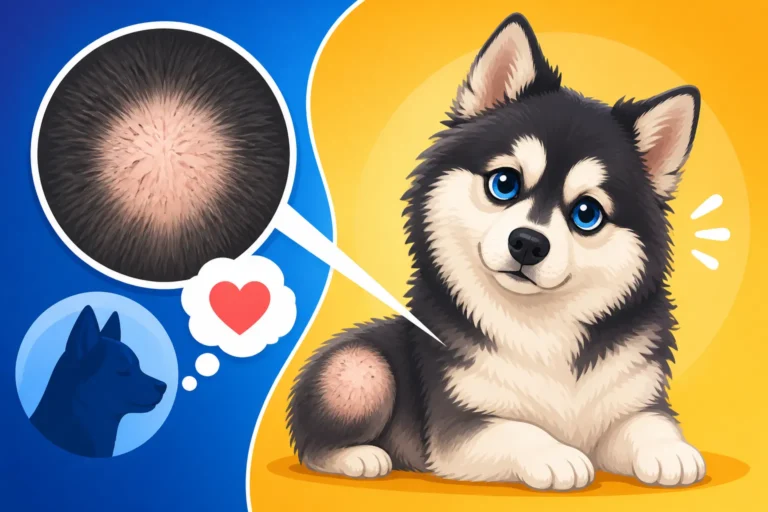
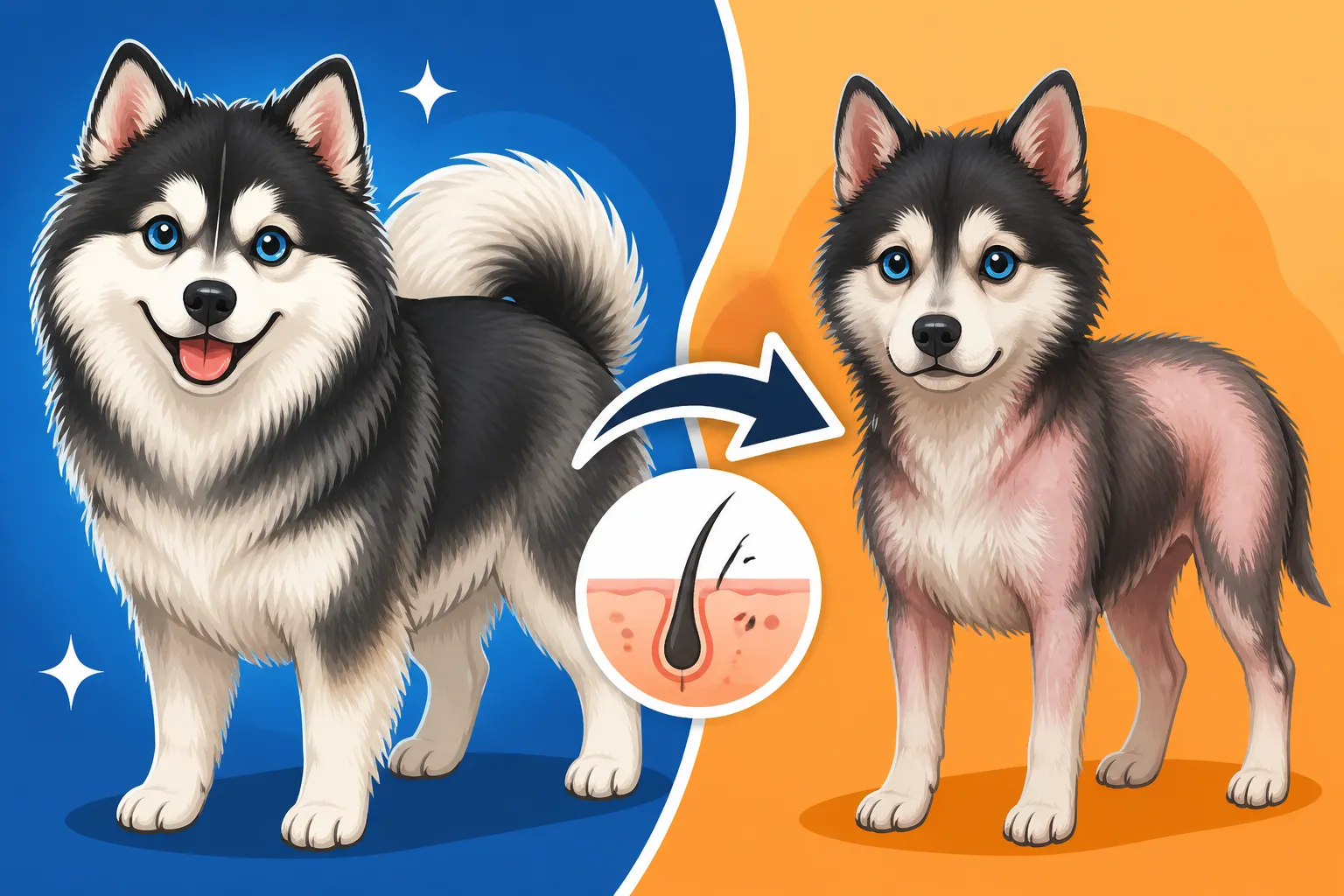
Initially, owners often notice a dulling of the coat, perhaps a loss of its characteristic luster. This is often followed by symmetrical thinning, typically starting on the flanks, hind legs, belly, and eventually extending to the neck and chest. The guard hairs, which are the longer, coarser outer coat, are often the first to go, leaving behind a softer, cottony undercoat that eventually also disappears. This creates a rather "patchy" or "moth-eaten" appearance.
The change isn't just about volume; it's about texture too. The remaining hair might feel brittle or unusually soft, lacking the springiness of a healthy double coat. Imagine brushing your Pomsky and finding significantly more hair coming out than usual, even outside of their regular shedding cycles. This isn't just a regular "blowout" season; it's a persistent, non-regrowing loss. It's important to differentiate this from typical seasonal shedding, which, for a Pomsky that carries a Husky coat at twenty pounds, can be quite dramatic but always comes back. In Alopecia X, the regrowth cycle is disrupted.
Color Changes and Skin Pigmentation
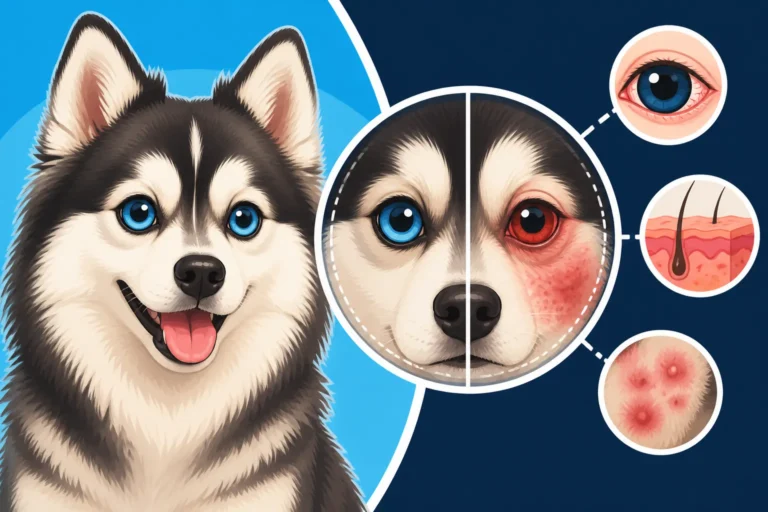
As the hair loss progresses, the exposed skin undergoes a distinct change: hyperpigmentation. This means the skin darkens, often turning a greyish or blackish color, giving rise to the "Black Skin Disease" moniker. This darkening is due to an increase in melanin production in the skin cells once they are exposed to light and air, rather than being protected by fur. The skin might also become thickened, dry, and scaly.
This change in skin color is a hallmark of the condition and is often seen as a significant cosmetic concern. It's not just a superficial change; the skin can also become more prone to secondary infections because its natural protective barrier is compromised. The contrast between the remaining fur and the darkened, bald patches can be quite striking. For many owners, it’s the combination of the bald patches and this dark discoloration that truly signals something is amiss. In some cases, The First Bald Patch on a Pomsky might be quite small, but the darkening skin will still provide a clear indicator that the hair isn't just "gone," but the underlying skin is reacting.
The Progression of Coat Loss Over Time
Alopecia X isn't a sudden event; it's typically a gradual process. Understanding its progression can help owners anticipate changes and manage their Pomsky's health more proactively. The journey from a full, vibrant coat to significant hair loss can take months or even years.
Initial Stages: Subtle Changes and Guard Hair Loss
In the early phases, the changes can be so subtle that they might be mistaken for normal shedding or minor coat variations. You might notice the coat looking a bit thinner, especially around the flanks or the underside. The luxurious guard hairs, which provide the protective outer layer of the double coat, may become sparser. This is often described as the coat losing its "stand-off" quality, where it no longer appears as fluffy or full.
Owners often report that their Pomsky’s coat feels different to the touch, becoming less coarse and more downy or cottony. This is because the finer undercoat is what's left behind as the guard hairs retreat. It’s also common to see a very gradual thinning of hair on the tail, sometimes referred to as "rat tail" due to its sparse appearance. These initial signs are crucial because they offer the earliest opportunity for intervention and support, even if a definitive diagnosis takes time.
Advanced Stages: Widespread Baldness and Texture Alterations
As Alopecia X progresses, the hair loss becomes much more pronounced and widespread. Large, symmetrical patches of skin become completely bald, particularly on the trunk and hindquarters. The head and legs often retain their hair, creating a distinctive pattern that helps veterinarians confirm the diagnosis. The skin in these bald areas becomes increasingly hyperpigmented and often feels dry, leathery, and cool to the touch.
At this stage, the cosmetic impact is significant. A Pomsky that once had a fluffy, vibrant coat might now appear almost naked in certain areas. This isn't just about aesthetics; the lack of protective fur can lead to other issues. For instance, a Pomsky with Alopecia X sunburnt might be at a higher risk of sunburn, necessitating protective measures like canine-specific sunscreen or clothing. The coat, even in areas with some remaining hair, might lose all its elasticity and shine, appearing brittle and dull. It’s a stark transformation from the healthy, vibrant coat you once knew, reinforcing the fact that it's a condition that truly impacts the physical presentation of your beloved companion.
Beyond Hair Loss: Skin Health and Associated Challenges
While hair loss is the most obvious symptom of Alopecia X, the condition also brings a host of potential skin health challenges. The absence of a protective double coat leaves the skin vulnerable to environmental factors and secondary issues, which means owners need to be extra diligent in their care routine.
Increased Risk of Skin Issues
With the natural insulation and protection of the double coat gone, a Pomsky's skin becomes far more susceptible to damage and infection. The exposed skin is prone to dryness, scaling, and cracking, especially in colder, drier climates. Furthermore, the lack of a healthy hair follicle environment can make the skin more susceptible to bacterial or yeast infections. You might notice your Pomsky scratching more, even without fleas, as their skin becomes irritated and itchy.
The loss of coat also means a diminished barrier against external irritants and allergens. What might have been a minor skin sensitivity for a healthy-coated Pomsky could become a significant problem for one with Alopecia X. Therefore, careful monitoring of skin health is paramount. If you notice persistent redness, unusual odors, or excessive scratching, it's crucial to consult your vet. This also highlights why investing in good pet insurance, like policies offered by Healthy Paws, can be so beneficial. Chronic skin conditions, even if not life-threatening, can incur ongoing veterinary costs for medications, special shampoos, and regular check-ups.
Maintaining Skin Barrier Function
Caring for the skin of a Pomsky with Alopecia X involves a multi-faceted approach aimed at supporting the skin barrier. This often means using specialized shampoos and conditioners designed to moisturize and protect sensitive skin. Products with ingredients like ceramides, essential fatty acids, or oatmeal can be very soothing. Regular bathing, perhaps more frequently than for a healthy-coated Pomsky, might be necessary to keep the skin clean and hydrated, always being careful to use gentle, pH-balanced products.
Environmental protection is also key. In winter, a dog coat or sweater can help prevent excessive drying and irritation from cold air. In summer, protecting exposed skin from sunburn is critical, as mentioned earlier. Some owners also find that dietary supplements, particularly those rich in omega-3 fatty acids, can support skin health from the inside out, improving hydration and reducing inflammation. While the coat may not grow back, focusing on skin integrity can significantly improve your Pomsky's comfort and overall well-being.
Exploring the Nuances of Managing Alopecia X
Managing Alopecia X in a Pomsky is often a journey of trial and error, as there's no single cure-all solution. The goal is primarily cosmetic hair regrowth and skin health maintenance, and owners often explore various avenues, some more successful than others. The crucial thing is patience and a close working relationship with your veterinarian.
Non-Surgical and Topical Approaches
Many owners start with conservative treatments, especially since Alopecia X doesn't impact the dog's general health. Melatonin supplementation is one of the most commonly tried non-surgical remedies. It's believed to help stimulate hair follicle activity in some dogs, although results are highly variable. You might research What Melatonin Does for a Pomsky With Alopecia X and find anecdotes of success, but it's important to understand that it doesn't work for every dog, and any regrowth is often patchy and not a full return to their original coat.
Topical treatments, such as specialized shampoos, conditioners, and moisturizing sprays, are also frequently used to keep the exposed skin healthy, prevent dryness, and minimize secondary infections. Regular gentle brushing, even on sparse areas, can help stimulate circulation, though it won't necessarily prompt significant regrowth. It's also worth noting the critical distinction of whether a Pomsky's coat loss is thyroid or Alopecia X, as thyroid conditions are treatable with medication, whereas Alopecia X typically is not responsive to hormone replacement.
The Role of Desexing and Grooming
One of the most debated and sometimes successful interventions for Alopecia X, particularly in male dogs, is neutering. Some veterinary studies and anecdotal reports suggest that neutering can trigger hair regrowth in a percentage of affected dogs, though the exact mechanism isn't fully understood. This is often linked to the change in hormone levels post-surgery. However, it's not a guaranteed solution, and the decision to neuter should be made in consultation with your vet, considering all aspects of your dog's health and behavior. It's a common question among owners, whether neutering triggers a Pomsky's coat loss, but in some cases, it can actually have the opposite, beneficial effect.
Proper grooming plays a vital role in managing a Pomsky with Alopecia X, even if there's less hair to groom. The remaining coat, if any, needs gentle care to prevent matting and tangles, which can further irritate sensitive skin. A gentle undercoat rake, for instance, used cautiously, can help remove loose undercoat without damaging fragile new growth or irritating bare skin. However, it's absolutely crucial to remember that a Pomsky must never be shaved. Shaving a double-coated dog can permanently damage the growth cycle and the protective qualities of the coat, potentially worsening the appearance and function of the coat, even in dogs without Alopecia X.
| Stage of Alopecia X | Coat Appearance | Skin Appearance | Key Characteristics |
|---|---|---|---|
| Early | Subtle thinning, dullness, loss of guard hairs | Normal to slightly dry | Often mistaken for normal shedding; coat feels softer; some mild rat tail. |
| Moderate | Patchy hair loss, symmetrical thinning on flanks/belly | Begins to darken (hyperpigmentation), may be dry/scaly | Exposed skin becomes noticeable; texture changes in remaining fur. |
| Advanced | Widespread baldness on trunk, sparing head/legs | Significantly hyperpigmented, thickened, leathery, cool | Distinctive bald pattern; high risk of sunburn and secondary skin infections. |
Living with a Pomsky with Alopecia X
Discovering your Pomsky has Alopecia X can be upsetting, but it doesn't diminish their spirit or capacity for love. This condition is primarily cosmetic and doesn't typically affect their quality of life, as long as their skin is properly managed. The focus shifts from curing the hair loss to ensuring your Pomsky remains comfortable, healthy, and happy despite their unique coat situation.
Emotional Impact on Owners and Pets
For many owners, the initial shock and sadness can be quite profound. We all envision our Pomskies with their signature fluffy, luscious coats, and seeing that change can be an emotional experience. It's important to acknowledge these feelings. However, your Pomsky doesn't care about their appearance; they care about your love, attention, and routine. Dogs are incredibly resilient, and as long as they feel good, they won't dwell on their bald patches.
The emotional impact can extend to social interactions, too. People might ask questions or make assumptions about your dog's health. This is where education comes in. Being able to calmly explain that Alopecia X is a cosmetic condition and that your Pomsky is otherwise healthy can help alleviate awkwardness and spread awareness about this common condition. Remember, your Pomsky's worth isn't in their coat, but in their loving personality and companionship.
Practical Considerations for Daily Life
Daily life with a Pomsky with Alopecia X requires some practical adjustments. As discussed, skin protection from sun and cold is essential. This might mean investing in dog clothing like sweaters, coats, or even UV-protective shirts during summer walks. Regular moisturizing of the skin can prevent dryness and discomfort. For active dogs, it's also important to consider if their exposed skin is more vulnerable to scrapes or irritations during playtime.
When it comes to veterinary care, establishing a strong relationship with a vet who understands Alopecia X is invaluable. They can help monitor skin health, manage any secondary infections, and discuss potential new treatments as research progresses. While there might not be a "cure," continuous care ensures your Pomsky leads a full and happy life. Having comprehensive pet insurance from providers like Healthy Paws can truly offer peace of mind, knowing that you're covered for potential dermatological issues, medication, or ongoing supportive care your Pomsky might need.
The Long-Term Outlook for Pomskies with Alopecia X
The journey with a Pomsky affected by Alopecia X is generally a long-term commitment to supportive care. While full, permanent hair regrowth isn't typically expected, managing the condition effectively ensures your furry friend remains comfortable and enjoys a good quality of life for The Twelve to Fifteen Years a Pomsky Lives.
Managing Expectations for Coat Regrowth
It's crucial for owners to manage their expectations regarding coat regrowth. While some Pomskies may experience partial, patchy, or temporary regrowth with treatments like melatonin or after neutering, a return to their original, dense double coat is rare. Any new hair might be different in texture or color, often appearing finer, softer, or even darker. The goal isn't necessarily a perfect coat, but rather a healthy dog with comfortable skin.
Focusing on skin health becomes the primary objective. This includes diligent use of moisturizers, protective clothing, and prompt treatment of any secondary skin infections. Even if the hair doesn't come back, preventing cracked, dry, or infected skin ensures your Pomsky isn't suffering. This acceptance allows owners to shift their focus from disappointment about aesthetics to celebrating their dog's personality and well-being.
Advocating for Your Pomsky's Health
As a Pomsky owner, you are your dog's best advocate. This means staying informed about Alopecia X, understanding its nuances, and working closely with your veterinarian. Don't hesitate to ask questions, seek second opinions if you feel necessary, and explore all available, scientifically sound management strategies. Participating in online communities or support groups for owners of dogs with Alopecia X can also provide valuable insights, emotional support, and shared experiences.
Remember that while Alopecia X can be frustrating due to its unknown cause and lack of a definitive cure, it is not a reason to love your Pomsky any less. Their personality, loyalty, and unique quirks are what truly define them. With proper care and attention to their skin health, a Pomsky with Alopecia X can live a vibrant, fulfilling life right by your side. For unexpected health issues, considering pet insurance from a reputable company like Healthy Paws can help manage the financial aspects of long-term care, providing an invaluable safety net.
Disclaimer
The information provided in this article is for educational and informational purposes only and does not constitute veterinary advice. Always consult with a qualified veterinarian for any health concerns or before making any decisions related to your pet's medical care.