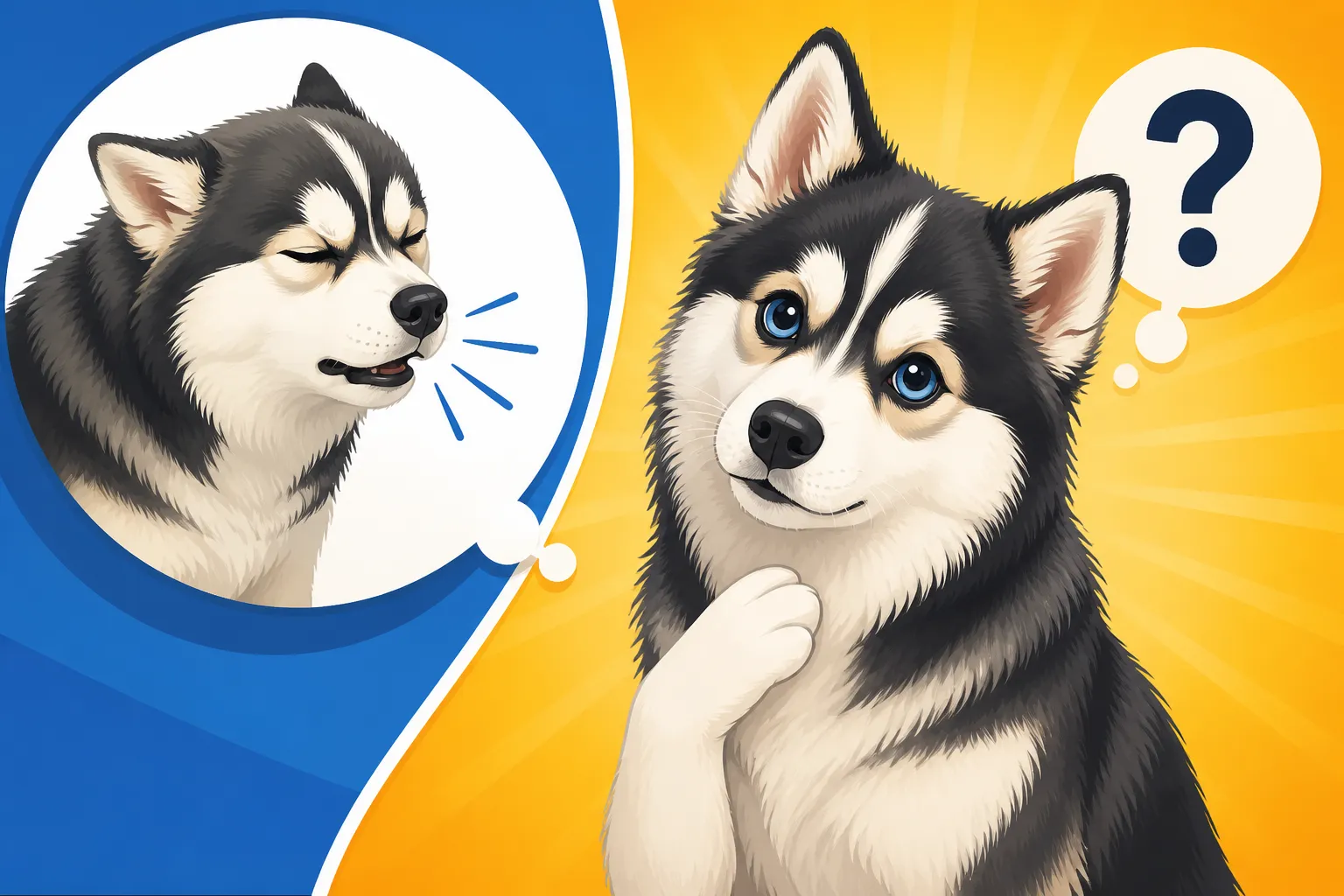
Whether a Pomsky Reverse Sneezes
That sudden, alarming snorting or gasping sound your Pomsky makes can send a jolt of panic through any pet parent. One minute they’re sniffing around happily, the next they’re standing still, head extended, making noises that sound suspiciously like they can’t breathe. This guide is here to help you understand what reverse sneezing is, why Pomskies might experience it, and when these episodes are normal versus when they might signal something more serious.
Understanding Reverse Sneezing in Pomskies
When you first hear your Pomsky do that strange, snorting intake of breath, it's natural to feel a wave of worry. It's an unusual sound, often described as a goose honk, a pig snort, or a sudden, loud gasp for air, and it definitely doesn't sound like a regular sneeze. But for many small to medium-sized breeds, and often for Pomskies, reverse sneezing is a relatively common and usually harmless occurrence.
What Exactly Is a Reverse Sneeze?
A reverse sneeze, medically known as paroxysmal respiration, is essentially the opposite of a normal sneeze. Instead of forcefully expelling air out through the nose and mouth, a dog experiencing a reverse sneeze rapidly and repeatedly inhales air, usually through the nose. Think of it like your dog trying really, really hard to suck something back up into their nasal passages, or clear an irritant that's gone too far back into their throat.
The mechanics behind it involve a sudden spasm of the soft palate and throat, which then constricts the airway. This spasm triggers a rapid, forced inhalation through the nose, leading to those distinctive snorting or gasping sounds. It often looks quite dramatic: your Pomsky might stand still, extend their neck, their chest might heave, and their eyes might bulge slightly. While it appears distressing, your dog is rarely in any real danger during these short episodes. The sounds can range from a soft snort to a truly alarming, loud honk, and it's this intensity that often scares owners into thinking their dog is choking.
Why Pomskies Are Prone to Reverse Sneezing
Pomskies, being a hybrid of the Siberian Husky and the Pomeranian, inherit traits from both parent breeds. While Huskies generally have longer muzzles, Pomeranians are known for being a brachycephalic-leaning breed, meaning they have a shorter snout and a more compacted facial structure. Even if your Pomsky has a more elongated Husky-like muzzle, they can still inherit some of the Pomeranian's anatomical predispositions that make them more prone to respiratory quirks.
Their unique combination of features means their nasal passages and soft palate can sometimes be more sensitive to irritants or prone to spasms. A slightly longer soft palate, a narrower pharynx, or even just a more sensitive gag reflex can make a Pomsky more susceptible to reverse sneezing. Factors like allergies, which are not uncommon in many breeds, can also inflame the nasal passages and throat, setting the stage for an episode. Furthermore, their high energy and enthusiastic nature, often inherited from both sides, can lead to quick bouts of excitement that trigger a reverse sneeze due to rapid breathing or increased heart rate.
Common Triggers and Identifying the Episode
Understanding what sets off a reverse sneeze in your Pomsky can be a huge step towards managing the frequency of these events and reducing your own anxiety when they happen. It’s often not a single cause but a combination of factors that trigger an episode, and sometimes, it can seem to come out of nowhere.
Everyday Causes That Can Set Off a Reverse Sneeze
Many things can irritate your Pomsky's sensitive nasal passages and throat, leading to a reverse sneeze. Dust and pollen are classic culprits, especially if your dog spends time outdoors or if your home is a bit dusty. Imagine walking through a cloud of pollen on a windy spring day – your Pomsky experiences something similar, but their unique anatomy can make it manifest as a reverse sneeze. Strong scents from perfumes, air fresheners, or household cleaning products can also be irritating. If you've recently cleaned with something new, or lit a strong-smelling candle, keep an eye on your Pomsky for any unusual snorting.
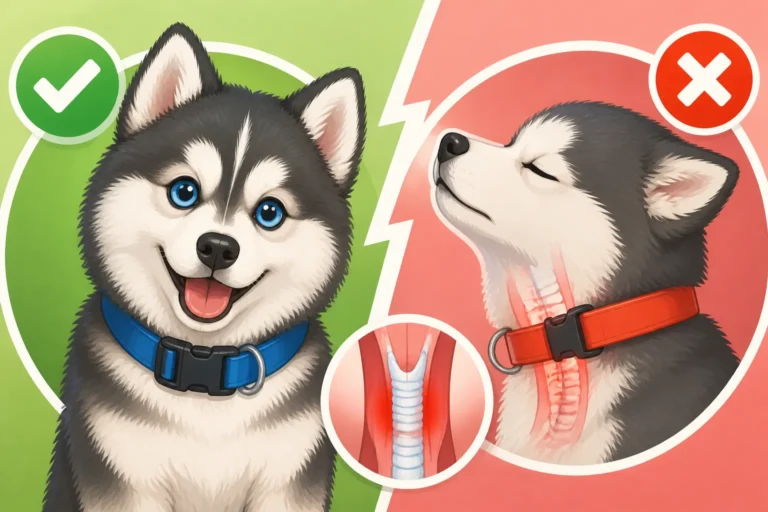
Beyond environmental irritants, physical actions or emotional states play a big role. Intense excitement, like when you come home after a long day or when they're about to play fetch, can cause them to breathe rapidly and trigger a spasm. Stress, too, can sometimes be a factor. Even simple things like drinking water too fast or eating too quickly can send water or food particles up into their nasal passages, prompting a reverse sneeze to clear it. For these reasons, many owners opt for slow feeder bowls to help their Pomsky manage mealtime better. Lastly, any pressure on their throat, such as a sudden tug on a collar during a walk, can trigger an episode. This is why it’s often recommended that Pomskies wear a harness instead of a collar, particularly those with a tendency towards tracheal sensitivity. You can learn more about this by reading Why a Pomsky Should Wear a Harness.
What a Reverse Sneezing Episode Looks and Sounds Like
The moment a reverse sneeze starts can be truly frightening, especially if you've never witnessed one before. Your Pomsky will typically stand still, often with their elbows splayed slightly, and their head and neck will stretch out forward. Their eyes might look a little wide or panicked, and their chest will usually heave with effort. The sounds are the most distinctive part: a series of loud, rapid snorting, gagging, or gasping sounds, as if they're trying desperately to clear something stuck far back in their throat. It truly can sound like they are choking or having an asthma attack, which is understandably terrifying for any owner.
However, the key is usually the brevity of the episode. Most reverse sneezes last only a few seconds, typically no more than a minute or two. Once it passes, your Pomsky will usually shake it off and immediately return to their normal self, as if nothing happened. They won't typically show lingering distress, weakness, or changes in behavior. If your dog continues to cough, show lethargy, or seems otherwise unwell after an episode, then it's time to consider that it might be more than just a simple reverse sneeze. Observing the duration and immediate aftermath is crucial for distinguishing between a normal, albeit alarming, reverse sneeze and something that warrants a closer look.
When to Be Concerned and Seek Vet Advice
While reverse sneezing is often benign, it's vital for Pomsky owners to understand the nuances that differentiate it from more serious health issues. The sounds and actions can mimic other conditions, and knowing the red flags can help you decide when to call the vet.
Differentiating Reverse Sneezing from More Serious Conditions
The biggest challenge for many Pomsky owners is telling the difference between a harmless reverse sneeze and something that really needs medical attention. Several conditions can present with similar respiratory distress symptoms, making accurate identification crucial.
A major concern, particularly with breeds that have Pomeranian lineage, is The Collapsing Trachea a Pomsky Gets From the Pomeranian. This condition involves the rings of the windpipe weakening and collapsing, leading to a chronic, dry, harsh cough often described as a "goose honk." While the sound can be similar to a reverse sneeze, a collapsing trachea typically results in a cough, often triggered by excitement or pulling on a collar, rather than the rapid, inward snorting of a reverse sneeze. The cough from a collapsing trachea is usually persistent and can leave the dog exhausted, whereas a reverse sneeze resolves quickly with no lingering effects. If you hear a distinct "honking cough," especially after excitement or exercise, it's important to rule out a collapsing trachea. You can also look into Whether a Pomsky's Trachea Collapses With Age for more insights.
Another common respiratory issue is kennel cough, which is an infectious bronchitis. Dogs with kennel cough usually have a persistent, hacking cough that can sound like something is stuck in their throat. This cough is often followed by a retching sound and can be triggered easily. Unlike a reverse sneeze, kennel cough is usually accompanied by other signs of illness, such as lethargy, nasal discharge, or a low-grade fever, and it will not resolve in a minute or two. If you're wondering if your Pomsky can get it, reading Whether a Pomsky Gets Kennel Cough Easily might be helpful.
Foreign objects lodged in the airway are another terrifying possibility. If your Pomsky has something stuck, they will typically paw at their face, gag constantly, drool excessively, and show continuous distress. They won't just "snap out of it" after a minute. Allergies can also cause significant respiratory symptoms beyond a simple reverse sneeze. If a Pomsky has allergies, they might have chronic sneezing (forward sneezes), nasal discharge, itchy skin, or difficulty breathing, which would be more persistent than isolated reverse sneeze episodes. You can explore Whether a Pomsky Gets Allergies for more information on managing this.
Finally, in older Pomskies, heart conditions can lead to fluid accumulation in the lungs, causing coughing and gasping that might be confused with a reverse sneeze. These dogs usually show other signs of heart disease, such as reduced exercise tolerance, increased resting respiratory rate, or lethargy.
Here's a quick comparison to help you distinguish:
| Symptom / Condition | Reverse Sneeze | Tracheal Collapse | Kennel Cough | Foreign Object in Airway |
|---|---|---|---|---|
| Sound | Rapid snorting/gasping | Dry, harsh "goose honk" | Hacking, retching cough | Choking, gagging |
| Duration | Seconds to ~1-2 minutes | Persistent, recurrent | Persistent | Continuous |
| Post-Episode Behavior | Immediately normal | Exhausted, continues cough | Lethargic, unwell | Persistent distress |
| Other Symptoms | None | Usually none initially | Nasal discharge, fever | Pawing at face, drooling |
| Trigger | Irritants, excitement, rapid movement | Excitement, collar pull, exercise | Exposure to other dogs | Ingestion of small item |
Red Flags That Warrant an Immediate Vet Visit
While the vast majority of reverse sneezing episodes are harmless, there are definite red flags that indicate a problem is more serious and requires immediate veterinary attention. Don't hesitate to contact your vet or an emergency clinic if you observe any of the following:
- Increased Frequency or Duration: If your Pomsky's reverse sneezing episodes are suddenly happening much more often, or if they are lasting longer than a couple of minutes, it could be a sign that an underlying issue is worsening or developing.
- Blue Gums or Tongue (Cyanosis): This is a critical emergency. If your Pomsky's mucous membranes (gums, tongue) turn bluish or purplish, it means they are not getting enough oxygen. This is a life-threatening situation and requires immediate emergency care.
- Lethargy or Loss of Appetite: A dog that is truly unwell will often lose interest in food and become lethargic. If your Pomsky is not bouncing back quickly after an episode, or if they're showing general signs of being unwell, it's a concern.
- Persistent Coughing Between Episodes: If your Pomsky is coughing regularly even when not having a reverse sneeze, or if the cough sounds wet and productive, it's not normal. This could point to conditions like kennel cough, bronchitis, or even early signs of heart or lung issues.
- Nasal or Ocular Discharge: Any thick, discolored, or persistent discharge from your Pomsky's nose or eyes could indicate an infection or an allergic reaction that needs treatment.
- Fever: If your dog feels warm to the touch, is shivering, or generally unwell, a fever could accompany respiratory infections.
- Difficulty Breathing Outside of Episodes: If your Pomsky seems to be struggling to breathe even when not having a reverse sneeze, or if their breathing sounds abnormally noisy (beyond their usual adorable grumbles and snores, like those mentioned in Whether a Pomsky Snores), seek veterinary help.
It's always better to be safe than sorry when it comes to your pet's health. If you're ever in doubt, a quick call to your veterinarian can provide reassurance or prompt necessary action. Having a good pet insurance plan, such as one from Healthy Paws, can be incredibly beneficial during these stressful times, as it can help cover the unexpected costs of diagnostic tests, emergency visits, and potential treatments, allowing you to focus on your Pomsky's well-being without added financial strain.
What You Can Do to Help Your Pomsky
Watching your Pomsky struggle with a reverse sneeze can be distressing, but knowing what to do in the moment and implementing long-term strategies can make a big difference for both of you.
Immediate Actions During a Reverse Sneeze
The most important thing to do when your Pomsky has a reverse sneeze is to stay calm. Your anxiety can easily transfer to your dog, making them more stressed, which could potentially prolong the episode. Take a deep breath yourself, then focus on helping your furry friend.
Here are a few gentle techniques you can try:
- Gently Massage Their Throat: Lightly stroke or rub your Pomsky's throat and neck. This can help to relax the muscles in the area, encouraging them to swallow. Swallowing can often interrupt the spasm of the soft palate and clear the nasal passages.
- Lightly Blow in Their Face: A very gentle puff of air into your Pomsky's face or nose can sometimes startle them into swallowing or licking their nose, which again, can help to stop the spasm. Be very gentle; you're not trying to scare them, just prompt a natural reflex.
- Offer Water: If they are able and willing, offering a small amount of water can encourage them to swallow. However, don't force it, as you don't want them to choke.
- Distraction: Sometimes, simply getting their attention with a treat or a favorite toy can be enough to break the cycle. The sudden change in focus can make them swallow or snap out of the spasm.
- Cover Nostrils Briefly: In rare, more prolonged cases, you can very briefly cover your Pomsky's nostrils for a second or two. This forces them to swallow and breathe through their mouth, which can stop the reverse sneeze. This should be a last resort and done with extreme caution and gentleness, for only the briefest moment, to avoid causing further distress.
Remember, most reverse sneezes resolve on their own in under a minute, so often, simply providing a calm presence and waiting it out is the best course of action. The goal of these interventions is to gently encourage a swallow, not to aggressively "fix" the problem.
Long-Term Management and Prevention Strategies
While you can't always prevent reverse sneezing entirely, you can certainly take steps to reduce the frequency and intensity of episodes for your Pomsky. Proactive management involves identifying and minimizing triggers in their environment and making conscious lifestyle choices.
Start by being a detective: try to figure out what consistently triggers your Pomsky's reverse sneezes. Is it specific cleaning products? Freshly mowed grass? Excitement before a walk? Once you pinpoint the culprits, you can work to reduce their exposure. For example, if strong scents are an issue, switch to unscented cleaning products, avoid air fresheners, and ask guests to refrain from strong perfumes around your dog. If dust is a problem, ensure your home is regularly vacuumed with a HEPA filter vacuum and dusted. An air purifier can also work wonders in homes with a lot of ambient dust or pollen.
Managing allergies is another key aspect. If you suspect environmental allergies are playing a role, consult your vet. They might recommend allergy testing, or suggest antihistamines or other medications to help manage your Pomsky's sensitivity. Keeping their nasal passages less inflamed can significantly reduce reverse sneeze occurrences.
For Pomskies that eat or drink too quickly, which can send particles into their nasal passages, investing in a slow feeder bowl can be incredibly effective. These bowls have various ridges and obstacles that force your dog to eat around them, slowing down their intake significantly. Similarly, ensuring they have fresh water available at all times, perhaps from a pet fountain, can encourage proper hydration without gulping.
Finally, consider their walking equipment. If your Pomsky is prone to reverse sneezing when their collar is pulled, switching to a well-fitted harness that distributes pressure across their chest and shoulders, rather than their neck, can be a game-changer. This simple swap can prevent undue stress on their delicate windpipe. Maintaining a healthy weight for your Pomsky is also important, as excess weight can contribute to respiratory issues. Regular vet check-ups are always a good idea to monitor their overall health and catch any developing conditions early. For peace of mind, exploring pet insurance options like those offered by Healthy Paws can ensure you're prepared for any unexpected health challenges, allowing you to provide the best care without financial worry.
The Role of Environment and Lifestyle
Our Pomskies live in our homes and share our lives, which means their environment and daily routine play a significant role in their health, including their propensity for reverse sneezing. Thoughtful adjustments can create a more comfortable and sneeze-free existence.
Environmental Controls to Minimize Episodes
The air your Pomsky breathes and the scents they encounter daily can be major triggers for sensitive respiratory systems. Improving the air quality in your home is a fantastic starting point. Investing in a good quality air purifier with a HEPA filter can remove airborne allergens like pollen, dust mites, and dander, significantly reducing potential irritants. Place it in the rooms where your Pomsky spends the most time, especially where they sleep.
Beyond filtration, consider the chemicals and scents you introduce into your home. Strong-smelling cleaning products, aerosol sprays, plug-in air fresheners, scented candles, and even certain laundry detergents can release particles and volatile organic compounds that irritate a dog's respiratory tract. Opt for unscented, natural, or pet-safe cleaning products whenever possible. If someone in the household smokes, ensuring they smoke outside and away from open windows can also make a huge difference, as secondhand smoke is incredibly harmful to pets.
Maintaining appropriate humidity levels in your home can also be beneficial. Air that is too dry can irritate nasal passages, while air that is too humid can encourage mold and dust mites. A hygrometer can help you monitor humidity, and a humidifier or dehumidifier can help maintain a comfortable balance, ideally between 40-60%. Regularly dusting and vacuuming all surfaces, including upholstery and dog beds, helps control dust buildup, a common trigger for many dogs.
Lifestyle Adjustments for Sensitive Pomskies
Beyond the immediate environment, your Pomsky's daily routine and overall lifestyle can influence their susceptibility to reverse sneezing. Stress and over-excitement are well-known triggers, so fostering a calm and consistent routine can be very helpful. Ensuring your Pomsky gets adequate, but not excessive, exercise helps them burn off energy in a controlled manner, rather than experiencing sudden bursts of excitement that can induce gasping. For instance, a brisk walk or a structured play session might be better than an uncontrolled romp in a dog park if they tend to get overly stimulated.
Enrichment activities, like puzzle toys or scent work, can also provide mental stimulation and reduce boredom-related anxiety, indirectly contributing to a calmer demeanor. Consistent training and clear boundaries can help manage their energy levels and reduce stress in new situations.
When it comes to walks and outdoor adventures, the type of equipment you use is paramount. As discussed, a sudden pull on a collar can compress the trachea and trigger a reverse sneeze or even worsen a pre-existing condition like a collapsing trachea. Opting for a well-fitted, comfortable harness is always recommended for Pomskies, whether they reverse sneeze or not, as it protects their delicate neck and throat. This is crucial advice, and you can delve deeper into it with our guide on Why a Pomsky Should Wear a Harness.
Finally, ensuring consistent hydration is important. Always have fresh, clean water available for your Pomsky. Some dogs might benefit from a pet water fountain, which keeps water circulating and can encourage more frequent, smaller drinks rather than frantic gulping. These small, consistent lifestyle adjustments can create a more resilient and less reactive respiratory system for your sensitive Pomsky.
When Medical Intervention Might Be Needed
Even with the best at-home care and preventive measures, there are times when a reverse sneeze might be a symptom of an underlying medical condition, necessitating veterinary intervention. Knowing what to expect during a vet visit can ease your mind.
Diagnostic Tests Your Vet Might Recommend
When you bring your Pomsky to the vet for concerns about reverse sneezing or other respiratory issues, the veterinarian will start with a thorough physical examination. This typically includes listening to your Pomsky's heart and lungs with a stethoscope, checking their throat and mouth, and feeling their neck for any abnormalities. They'll also assess their overall demeanor, breathing patterns, and mucous membrane color.
Depending on their initial findings and the history you provide, your vet might recommend several diagnostic tests to rule out more serious conditions:
- Blood Work: A complete blood count (CBC) and biochemistry panel can provide a broad overview of your Pomsky's health. It can help detect signs of infection, inflammation, or other systemic issues that might be contributing to respiratory distress.
- Radiographs (X-rays): X-rays of your Pomsky's chest and neck are invaluable. They can reveal structural issues like a collapsing trachea, lung disease, heart enlargement (which can lead to fluid in the lungs), or the presence of foreign objects. Your vet might take images while your Pomsky is breathing in and out to get a clearer picture of airway dynamics.
- Rhinoscopy or Bronchoscopy: In more complex cases, or if a foreign object is suspected, your vet might refer you to a specialist for an endoscopic examination. Rhinoscopy involves inserting a tiny camera into the nasal passages, while bronchoscopy examines the lower airways. These procedures are done under general anesthesia and allow for direct visualization of the delicate structures, and sometimes even removal of foreign bodies or collection of biopsies.
- Allergy Testing: If environmental allergies are strongly suspected as a persistent trigger for respiratory irritation, your vet may discuss allergy testing options, which can involve blood tests or intradermal skin tests, to identify specific allergens.
- Fecal Exam: In some rare cases, certain parasites can migrate through the lungs, causing respiratory symptoms, so a fecal exam might be recommended.
These tests help paint a comprehensive picture, allowing your vet to either confirm that the reverse sneezing is indeed benign or to identify and address any underlying health issues.
Treatment Options for Underlying Causes
If diagnostic tests reveal an underlying medical cause for your Pomsky's respiratory symptoms, your veterinarian will develop a targeted treatment plan. The specific treatment will, of course, depend entirely on the diagnosis.
For example, if inflammation or allergies are a significant factor, your Pomsky might be prescribed anti-inflammatory medications, such as corticosteroids, to reduce swelling in the airways. These are often given for a short course to alleviate acute symptoms. For chronic allergies, your vet might recommend long-term management with antihistamines or even immunotherapy (allergy shots) based on allergy test results.
If an infection is identified, such as a bacterial infection contributing to bronchitis or nasal discharge, a course of antibiotics will be prescribed. Fungal infections, while less common, would require specific anti-fungal medications.
In cases where structural issues like a severe Collapsing Trachea a Pomsky Gets From the Pomeranian are diagnosed, medical management might involve medications to suppress coughing and reduce inflammation, often paired with lifestyle changes like weight management and harness use. In very severe cases that significantly impair a dog's quality of life, surgical intervention to support the trachea might be considered, though this is a complex decision.
If a foreign object is discovered, it will need to be removed, often endoscopically or, in some cases, surgically. This is why paying close attention to what your Pomsky mouths or eats is crucial.
Understanding these possibilities underscores the importance of prompt veterinary care when you notice red flags. Catching and treating these conditions early can prevent them from becoming more severe and can significantly improve your Pomsky's quality of life. The costs associated with diagnostics and specialized treatments can add up, which is where having a robust pet insurance policy, like one from Healthy Paws, can be incredibly valuable. Healthy Paws can help reimburse a significant portion of eligible vet bills, easing the financial burden and ensuring you can pursue the best possible medical care for your beloved Pomsky without hesitation.
Disclaimer
This guide is intended for informational purposes only and does not constitute professional veterinary advice. Always consult with a qualified veterinarian for any health concerns or before making any decisions about your Pomsky's care.