Whether a Pomsky’s Trachea Collapses With Age
It's heartbreaking to hear your beloved Pomsky struggling with a persistent cough or breathing issues, and many owners worry if these symptoms point to something serious like tracheal collapse, especially as their furry friend gets older. This guide aims to thoroughly explore whether a Pomsky's trachea can indeed collapse with age, delving into the underlying causes, recognizable symptoms, and the crucial steps you can take to manage and potentially prevent this challenging condition.
Understanding Tracheal Collapse in Pomskies
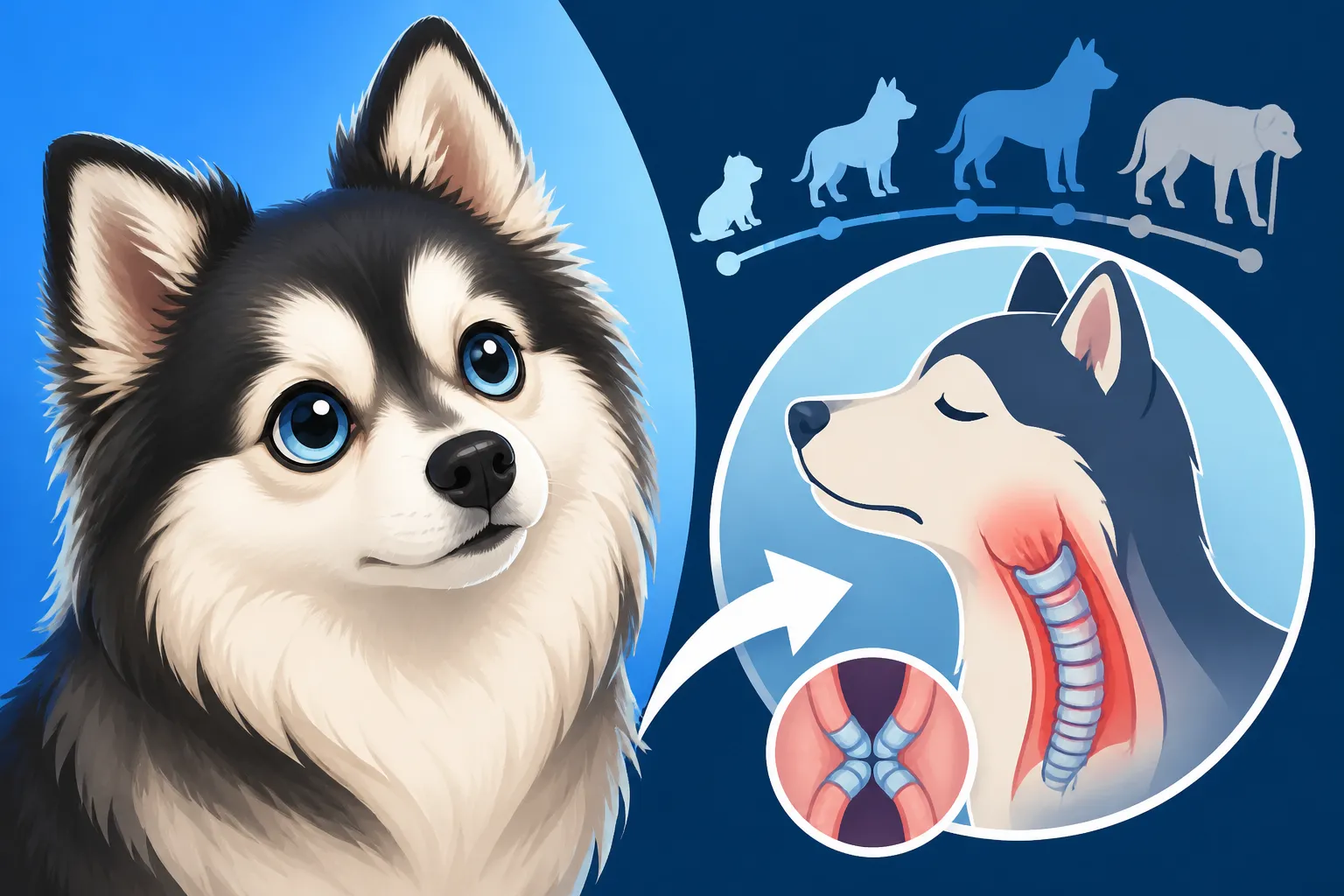
The prospect of your lively Pomsky developing a serious health issue like tracheal collapse can be incredibly frightening, especially when you consider how much joy they bring into your home. Tracheal collapse is a progressive respiratory condition that primarily affects smaller dog breeds, and unfortunately, due to their Pomeranian heritage, Pomskies are indeed predisposed to this very concern. It’s not just a fleeting cough; it’s a structural problem where the rings of cartilage that hold the windpipe open weaken and flatten, making it difficult for air to reach the lungs. This condition can range from mild, intermittent coughing to severe respiratory distress, impacting their quality of life significantly, particularly as they mature.
The Genetic Link from the Pomeranian Side
When you bring a Pomsky into your life, you're getting a wonderful mix of two distinct breeds: the Siberian Husky and the Pomeranian. While the Husky contributes to their striking looks and energetic personality, it's the Pomeranian side that brings with it a predisposition to certain health issues, and tracheal collapse is definitely one of them. Pomeranians are notoriously prone to this condition because of the inherently weaker cartilaginous rings in their trachea. Think of your dog's trachea like a vacuum cleaner hose – it needs those firm rings to stay open. In dogs prone to collapse, these rings are softer and less supportive, causing the windpipe to flatten, especially when under pressure.
This genetic vulnerability means that even a Pomsky that seems perfectly healthy as a puppy can carry the genes for weaker tracheal cartilage. While not every Pomsky will develop it, the risk is significantly higher than in breeds without this predisposition. Understanding this genetic link is the first step in being vigilant about your Pomsky's respiratory health and knowing what signs to look out for. It also explains why early detection and proactive management are so important in these wonderful mixed breeds.
How Age Exacerbates the Condition
Tracheal collapse often isn't something that suddenly appears overnight; it's typically a progressive condition that can worsen with age. Just like our own bodies, a dog's cartilage and connective tissues naturally weaken over time. For a Pomsky with an already genetically predisposed, softer trachea, this age-related degeneration means those cartilaginous rings become even less rigid. What might have been a minor weakness in their younger years can become a full-blown collapse as they enter their senior years.
As your Pomsky ages, the cumulative effects of everyday stresses on the trachea – barking, pulling on a collar, even just breathing – start to take their toll. The muscles surrounding the trachea might also lose some of their supportive tone, further contributing to the collapse. This is why a Pomsky might start showing mild symptoms, like a soft cough, in middle age, only for it to escalate to more pronounced "The Honking Cough of a Pomsky With a Bad Trachea" as they become seniors. The progressive nature means owners need to be attentive to any changes in their Pomsky's breathing patterns and activity levels as they advance in years.
Recognizing the Signs and Getting a Diagnosis
Spotting the signs of tracheal collapse early is crucial for effective management and maintaining your Pomsky's comfort. It's easy to dismiss a cough as a minor irritation or kennel cough, but with Pomskies, a specific type of cough should immediately raise a red flag. Beyond just a cough, there are other behavioral and physical cues that can indicate your dog is struggling with their breathing due to a collapsing trachea. Don't wait until the symptoms are severe; prompt veterinary attention can make a world of difference.
The Distinctive Honking Cough
The most classic and recognizable symptom of tracheal collapse is often described as a "honking" cough. Imagine the sound of a goose honking, or even a seal barking – that's often the exact sound you’ll hear. This isn't your typical soft, throat-clearing cough; it's usually harsh, dry, and distinct. This cough is often triggered by excitement, exercise, drinking water, pulling on a collar, or even changes in humidity. You might notice it most when your Pomsky greets you enthusiastically at the door, after a short burst of play, or when they've been running around the yard.
It's important to distinguish this from other types of coughs, like a wet cough that might indicate fluid in the lungs, or a softer, gagging cough sometimes associated with irritation. The honking sound is a direct result of the flattened tracheal rings momentarily obstructing airflow. If you hear this distinct sound from your Pomsky, especially if it's becoming more frequent or severe, it's a strong indicator that you need to discuss this with your vet. Catching this early can help initiate management strategies before the condition progresses too far.
Veterinary Diagnosis and Grading
When you suspect tracheal collapse, your veterinarian will be your best ally. The diagnostic process usually begins with a thorough physical examination, where your vet will listen to your Pomsky's lungs and heart, and often gently palpate their trachea. Sometimes, just touching the windpipe can trigger the characteristic honking cough, which is a strong diagnostic clue. However, a definitive diagnosis often requires imaging. X-rays are a common first step, though they can sometimes miss the collapse if the dog isn't actively coughing or in the right position at the moment the image is taken.
A more dynamic and often conclusive diagnostic tool is fluoroscopy, which is a real-time X-ray video of your Pomsky's trachea as they breathe. This allows the vet to literally watch the windpipe collapse and expand, confirming the diagnosis and its severity. Endoscopy, where a tiny camera is inserted into the trachea, can also be used to visualize the extent of the collapse directly. Once diagnosed, the condition is usually graded from I to IV, with Grade I being a mild collapse (less than 25% reduction in tracheal diameter) and Grade IV being nearly complete collapse (75-100% reduction). This grading helps determine the appropriate course of treatment. This careful diagnostic work-up is essential to understanding the full picture of your Pomsky's condition and planning for their long-term care. You can also explore options like pet insurance, such as through providers like Healthy Paws, to help manage the costs associated with these diagnostic tests and subsequent treatments.
Living With and Managing Tracheal Collapse
Receiving a diagnosis of tracheal collapse for your Pomsky can feel overwhelming, but it's important to remember that many dogs live long and comfortable lives with proper management. The approach to treating tracheal collapse is multifaceted, often involving a combination of lifestyle adjustments, medication, and in some cases, surgical intervention. The goal is always to minimize symptoms, improve airflow, and enhance your Pomsky's overall quality of life. It requires diligence and a close partnership with your veterinarian.
Conservative Management Strategies
For many Pomskies, especially those with milder grades of tracheal collapse, conservative management is the primary course of action. One of the most critical steps is weight management. An overweight Pomsky carries extra fat around their neck and chest, putting additional pressure on their already compromised trachea, and making "Whether an Overweight Pomsky Coughs More" a resounding yes. Maintaining a healthy weight significantly reduces the strain and can drastically improve symptoms. Your vet can help you establish a diet and exercise plan tailored to your Pomsky's needs.
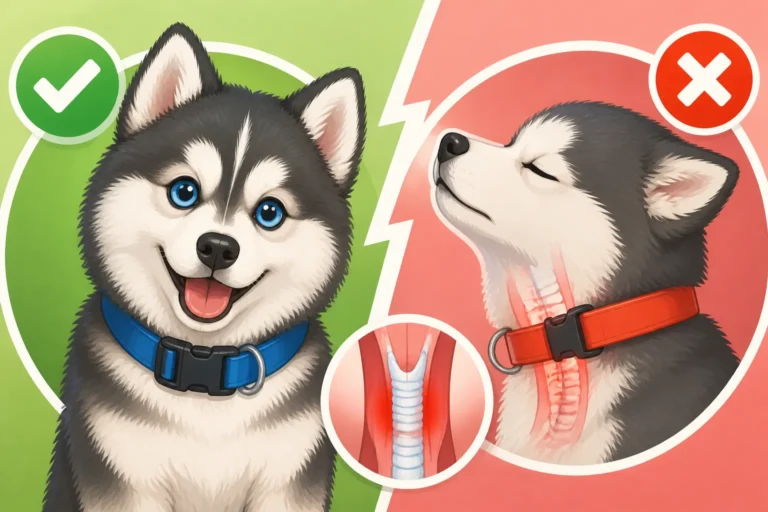
Environmental control is also key. Avoiding irritants like cigarette smoke, strong perfumes, or dust can prevent coughing fits. During warmer months, ensuring your Pomsky doesn't overheat is crucial, as panting can exacerbate tracheal issues. Medications might also be prescribed, including cough suppressants to ease discomfort, bronchodilators to open airways, anti-inflammatories to reduce swelling, and sometimes sedatives to reduce anxiety-induced coughing. It’s also vital to ensure that your Pomsky always wears a harness instead of a collar, as direct pressure on the trachea from a collar can trigger or worsen a collapse. You can read more about "Why a Pomsky Should Wear a Harness" for detailed insights. Many owners find these changes make a significant positive impact on their Pomsky's daily comfort and breathing.
When Surgery Becomes an Option
While conservative management works wonders for many, there are instances where a Pomsky's tracheal collapse is severe enough that medical treatments no longer provide adequate relief. When the quality of life is significantly impacted by constant coughing, respiratory distress, and an inability to perform even moderate activity, surgery may become a necessary consideration. This is a big decision and one that your vet will discuss with you in detail, weighing the potential benefits against the risks.
There are primarily two surgical approaches: external tracheal ring placement and intraluminal stenting. External ring placement involves placing prosthetic rings around the outside of the collapsed trachea to hold it open. This is a more traditional method. The other option, intraluminal stenting, involves inserting a self-expanding mesh stent inside the trachea to keep it open. This procedure is often performed by a veterinary specialist and is typically reserved for severe cases, particularly those affecting the intrathoracic (chest cavity) portion of the trachea that is harder to reach externally. Each surgical option has its own set of potential complications, recovery times, and success rates, and these should be thoroughly discussed with a veterinary surgeon. While surgery can offer dramatic improvement in severe cases, it's not without its challenges, and careful post-operative care and continued monitoring are essential. For severe conditions like this, having pet insurance from a company like Healthy Paws can be incredibly helpful in offsetting the substantial costs of specialized diagnostics and surgical procedures, making these life-changing treatments more accessible.
Proactive Steps for Pomsky Tracheal Health
Even if your Pomsky isn't showing signs of tracheal collapse right now, taking proactive steps is the best way to safeguard their respiratory health, especially given their genetic predisposition. Prevention and careful management can significantly reduce the risk or severity of the condition, allowing your Pomsky to lead a full and happy life. It's about being a responsible owner and making informed choices that prioritize their well-being from puppyhood through their senior years.
Importance of Weight Management and Exercise
Maintaining an ideal body weight is perhaps one of the most powerful tools in preventing or managing tracheal collapse in Pomskies. Excess weight, as mentioned before, puts undue pressure on the trachea and surrounding structures, making it harder for those already fragile cartilaginous rings to hold their shape. A lean Pomsky will have an easier time breathing, coughing less, and generally experiencing less strain on their respiratory system. Your veterinarian can help you determine your Pomsky's ideal weight and recommend a tailored nutritional plan to achieve and maintain it.
Regular, appropriate exercise is also vital. While vigorous, strenuous activity might trigger coughing in an affected dog, consistent moderate exercise helps maintain muscle tone, including those supporting the respiratory system, and contributes to overall cardiovascular health. It’s a delicate balance: enough exercise to keep them fit, but not so much that it induces distress. For an older Pomsky, you might need to adjust their exercise routine, but staying active within their limits is still important for "Caring for a Pomsky Past Ten." Daily walks, mental stimulation, and play sessions that don't overexert them are ideal. Keeping their weight in check and ensuring they get suitable physical activity are cornerstones of preventative care for their tracheal health.
Harness Over Collar: A Critical Choice
This cannot be stressed enough: for any Pomsky, especially one with a predisposition to or diagnosis of tracheal collapse, a harness is non-negotiable. Traditional collars, by their very design, exert direct pressure on the delicate structures of the neck, including the trachea. Even a slight pull on the leash can cause the windpipe to compress, leading to irritation, coughing, and over time, potentially worsening a collapsing trachea. Think about "What a Collar Damages a Pomsky's Windpipe" – it’s a direct physical impact that you want to avoid entirely.
A well-fitting harness, on the other hand, redistributes pressure across your Pomsky's chest and shoulders, completely bypassing the neck. This eliminates the risk of direct tracheal compression during walks, preventing discomfort and further damage to the cartilaginous rings. There are many types of harnesses available, so finding one that fits snugly but comfortably, without restricting shoulder movement, is important. Always opt for a harness from day one with your Pomsky, as it’s a simple yet incredibly effective preventative measure that can make a huge difference in their long-term respiratory health. Investing in a good quality harness is a small price to pay for your Pomsky's comfort and well-being. This, alongside regular vet check-ups which include "The Screening a Pomsky Should Have Yearly," forms a comprehensive approach to their health.
Managing Environmental Factors and Stress
Beyond weight and proper walking gear, controlling environmental factors and minimizing stress can play a significant role in managing or preventing tracheal collapse symptoms in your Pomsky. Just like humans, dogs can react to airborne irritants, and their sensitive airways can be particularly affected. Avoiding smoke from cigarettes, fireplaces, or even strong-smelling candles and air fresheners in your home can reduce irritation that might trigger coughing episodes. If your home tends to be dry, a humidifier can add moisture to the air, which may soothe irritated airways and make breathing more comfortable.
Stress and excitement are also common triggers for coughing in Pomskies with tracheal collapse. When a dog gets overly excited, they tend to pant heavily and bark more, putting extra strain on their trachea. Learning to recognize your Pomsky's stress signals and implementing calming strategies can be very beneficial. This could involve creating a quiet retreat for them, using calming diffusers, or ensuring they have predictable routines. Managing their anxiety can directly lead to fewer coughing fits and a more comfortable life. While you might also wonder "Whether a Pomsky's Breathing Sounds Normal," these environmental and stress management techniques help ensure that what you do hear is as clear and calm as possible. And remember, considering pet insurance early in your Pomsky's life, perhaps from a provider like Healthy Paws, can also provide peace of mind for unexpected veterinary costs, including those related to respiratory conditions.
Conclusion and Looking Ahead
While the thought of your Pomsky facing tracheal collapse can be daunting, understanding this condition, recognizing its signs, and implementing proactive management strategies can make a profound difference in their quality of life. From the genetic predispositions inherited from their Pomeranian lineage to the progressive nature exacerbated by age, Pomskies are indeed susceptible. However, by maintaining an ideal weight, utilizing a harness instead of a collar, controlling environmental irritants, and working closely with your veterinarian for both diagnosis and ongoing care, you can help your beloved companion breathe easier. Early intervention and consistent care are key to ensuring your Pomsky enjoys as comfortable and active a life as possible, even with this challenging condition.
Disclaimer
This guide is intended for informational purposes only and does not constitute veterinary advice. Always consult with a qualified veterinarian for any health concerns or before making any decisions about your Pomsky's medical care.