Whether an Overweight Pomsky Coughs More
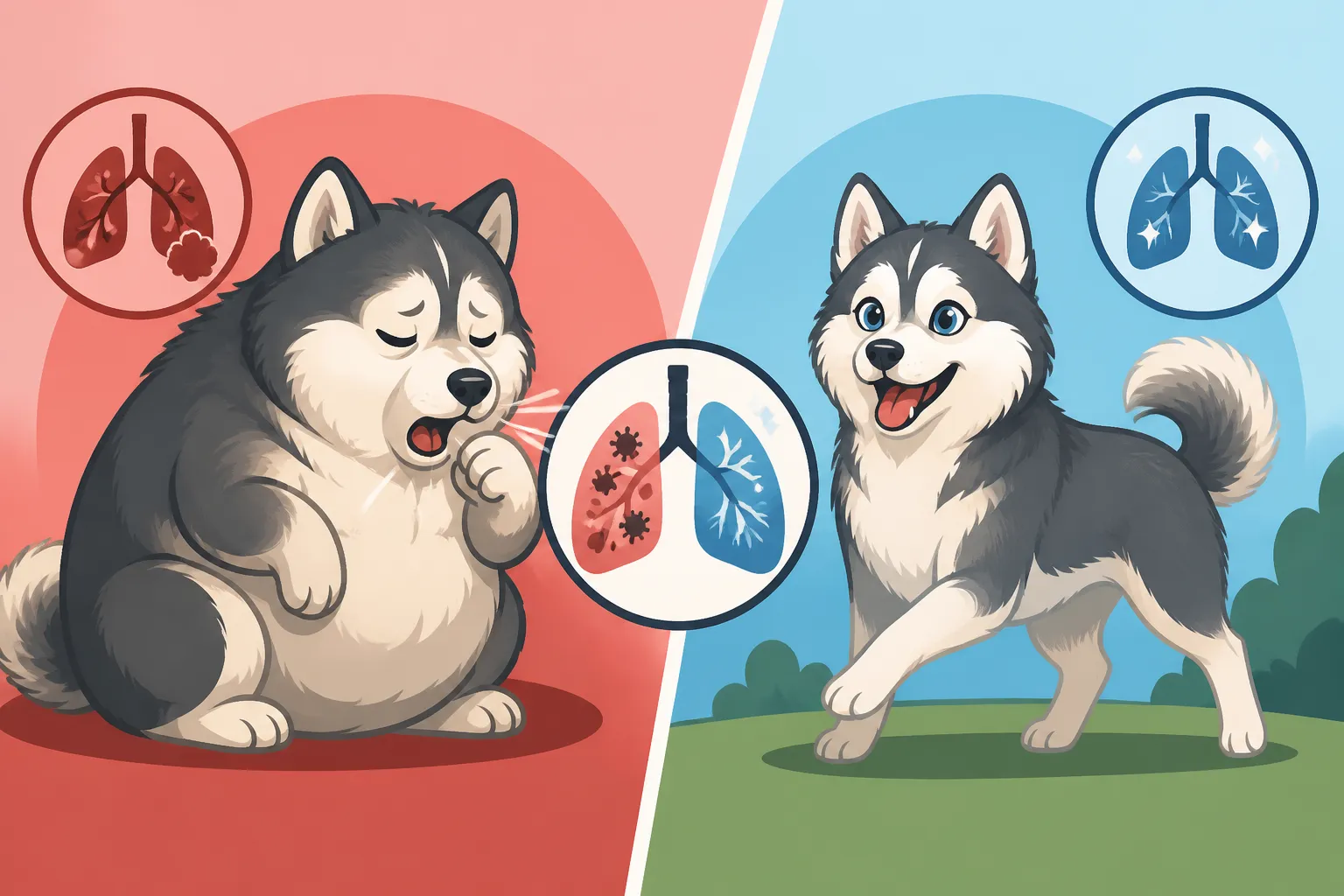
Hearing your beloved Pomsky hack or wheeze can be incredibly alarming, and it's even more concerning if you've noticed they've put on a little extra weight. Many owners worry if those extra pounds are contributing to their furry friend's respiratory struggles, and it’s a valid concern. This guide will thoroughly explore the undeniable link between an overweight Pomsky and an increased incidence of coughing, helping you understand why this happens and what practical steps you can take to support your companion's health.
The Unique Vulnerabilities of a Pomsky's Airway
Pomskies are a delightful mix of two very different breeds: the Siberian Husky and the Pomeranian. While they inherit many wonderful traits, they also inherit some predispositions to certain health issues, particularly when it comes to their respiratory system. Understanding these inherent vulnerabilities is the first step in appreciating why excess weight can become such a significant problem.
The Pomeranian Influence on Tracheal Health
One of the most notable inherited predispositions from the Pomeranian side of your Pomsky's family tree is the potential for a collapsing trachea. The trachea, or windpipe, is a tube made of cartilage rings that carries air to and from the lungs. In dogs prone to this condition, these rings can weaken or become C-shaped instead of O-shaped, causing the trachea to flatten, particularly when the dog inhales forcefully or gets excited.
When this happens, it narrows the airway, making it harder for air to pass through. The classic symptom is often described as a "honking cough," sounding a bit like a goose. Imagine trying to breathe through a pinched straw—that’s what it can feel like for a dog with a collapsing trachea. Even a mild case, which might otherwise go unnoticed, can become severely exacerbated by additional pressure from body fat. You can learn more about The Collapsing Trachea a Pomsky Gets From the Pomeranian and what it means for your pup.
The Husky's Contribution to Respiratory Challenges
While Huskies are generally known for their robust health and incredible endurance, no breed is entirely immune to respiratory challenges. In the context of a Pomsky, the Husky genetics bring a larger lung capacity and overall more substantial build, but this doesn't automatically negate the Pomeranian's tracheal tendencies. Instead, it creates a unique scenario where a dog of moderate size (for a Pomsky) might still carry that delicate tracheal structure.
Furthermore, a Pomsky with even mild respiratory issues, perhaps inherited from either side, will struggle more if their body is forced to carry extra weight. This is because any underlying weakness in the respiratory system, whether it's airway irritation, mild inflammation, or structural anomalies, will be put under immense strain by the reduced efficiency and increased effort required when breathing while overweight. Even conditions like a harmless reverse sneeze can seem more dramatic when the dog is struggling with obesity.
How Excess Weight Impacts Respiratory Function in Pomskies
It might seem straightforward, but the mechanics of how being overweight affects a Pomsky’s breathing are actually quite complex and insidious. It’s not just about aesthetics; those extra pounds create a cascade of physical changes that directly impede healthy respiratory function.
Increased Pressure on the Airway and Chest Cavity
Think of your Pomsky’s neck and chest. When a dog is overweight, they accumulate fat not just under the skin but also around internal organs and within muscle tissues. This includes the area surrounding the trachea and the chest cavity. This internal fat literally takes up space and applies pressure.
For a Pomsky already predisposed to a delicate trachea, this extra fat acts like a constant chokehold. The soft tissues around the neck become heavier and less flexible, pressing inward on the windpipe. In the chest, fat accumulates around the lungs and heart, restricting their ability to fully expand and contract with each breath. It's like trying to sing an opera with a tight corset on – you simply can't get the full lung capacity you need. This constant external pressure means the airway is narrower, making every breath harder and more likely to trigger a cough as the body tries to clear the perceived obstruction or irritation.
Reduced Lung Capacity and Oxygen Flow
Beyond just external pressure, being overweight significantly reduces a Pomsky's actual lung capacity. Abdominal fat pushes up against the diaphragm, the primary muscle responsible for breathing. When the diaphragm can't move freely, the lungs cannot fully inflate. This means each breath takes in less oxygen, forcing the dog to breathe more rapidly or with greater effort to compensate.
This chronic state of reduced oxygen intake and increased breathing effort can lead to inflammation and stress on the entire respiratory system. The blood has to work harder to transport oxygen to all the tissues, including the muscles, which can make your Pomsky feel tired and lethargic, even after minimal activity. This reduced efficiency and constant struggle often manifest as a persistent cough, especially during or after exercise, excitement, or even just changes in position. You might hear your Pomsky exhibiting The Honking Cough of a Pomsky With a Bad Trachea more frequently or intensely if they are carrying extra weight.
Exacerbating Underlying Conditions
The problem isn't just about creating new issues; it's about making existing ones significantly worse. If your Pomsky has any pre-existing, even mild, respiratory conditions – such as allergies, bronchitis, or a touch of kennel cough – the added burden of obesity amplifies these problems.
An overweight Pomsky's body is in a constant state of mild inflammation due to the presence of excess fat cells, which can worsen allergic reactions or bronchial irritation. Conditions like Whether a Pomsky Gets Allergies can become much more severe, leading to more frequent and intense coughing spells. If a Pomsky has a tendency for collapsing trachea, even a few extra pounds can turn a manageable, occasional cough into a chronic, debilitating issue requiring medication and strict management. The increased effort to breathe also strains the cardiovascular system, which can have long-term consequences for your Pomsky's overall health and lifespan.
Recognizing the Signs and Taking Action
It's easy to overlook a few extra pounds, especially when your Pomsky has such a fluffy double coat, but being able to recognize the signs of an overweight dog and understanding how to address it is crucial for their respiratory health.
Identifying an Overweight Pomsky
Sometimes, looking at your Pomsky, it's hard to tell if they're carrying too much weight because their lush double coat can be very deceptive. Instead of relying solely on visual cues, you need to get hands-on.
Body Condition Score (BCS): This is the gold standard for assessing your dog's weight. Vets use a 1-5 or 1-9 scale, with the ideal being around 3/5 or 4-5/9. Here’s what to look for:
- Ribs: Gently run your hands along your Pomsky's sides. You should be able to easily feel their ribs without pressing hard, much like feeling the knuckles on the back of your hand. If you have to dig to feel them, or if there's a significant layer of fat over them, your Pomsky is likely overweight.
- Waistline: Look at your Pomsky from above. They should have a noticeable tuck or hourglass shape behind their ribs. If they look more like a sausage or a straight line from chest to tail, they're overweight.
- Abdominal Tuck: When viewed from the side, their belly should tuck up slightly from their chest, not hang low or be parallel to the ground.
- Energy Levels: An overweight Pomsky might be less enthusiastic about walks, tire quickly, or seem generally lethargic. This isn't just about age; it's often a direct consequence of the physical burden.
If you're unsure, your veterinarian can perform a proper BCS assessment. Don't dismiss these signs, as a few extra pounds can significantly impact conditions like Whether a Pomsky's Trachea Collapses With Age.
The Link Between Coughing and Activity
For an overweight Pomsky, coughing isn't just a random event; it's often directly tied to physical exertion or excitement. When your Pomsky is at a healthy weight, their respiratory system can generally handle the demands of play, running, or even a sudden burst of barking. However, if they're carrying extra weight, even simple activities can trigger a coughing fit.
Imagine going for a walk, and your Pomsky spots a squirrel. The sudden excitement, the pull on the leash (especially with a collar – which is why Why a Pomsky Should Wear a Harness is so important for these breeds!), and the immediate physical exertion can cause their already compressed trachea to narrow further, leading to a loud, alarming honking cough. The same can happen after a short game of fetch, or even just when they greet you enthusiastically at the door. Their body simply cannot move air efficiently enough to meet the sudden demand, and the cough is an attempt to clear the airway. This indicates the respiratory system is under strain and needs attention.
Steps to Help Your Pomsky Manage Weight
If you've determined your Pomsky is carrying extra weight and is coughing more, the good news is that weight management can make a huge difference. This isn't about crash dieting; it's about a sustainable, healthy lifestyle change.
-
Diet Modification:
- Calorie Reduction: The first step is to reduce calorie intake. Work with your vet to determine an appropriate daily calorie target. Many people unintentionally overfeed their dogs, especially with treats.
- Quality Food: Switch to a high-quality, vet-recommended weight management food. These foods are often lower in calories but higher in fiber to help your Pomsky feel full.
- Measure Portions: Stop "eyeballing" food portions. Use a measuring cup for every meal.
- Limit Treats: Treats are often calorie bombs. Opt for low-calorie options like small pieces of plain cooked chicken, green beans, or carrots, and factor them into the daily calorie count.
- Feeding Schedule: Stick to a consistent feeding schedule, typically two meals a day, rather than free-feeding, which can lead to overeating. You can find more helpful advice on Keeping a Pomsky's Weight in Range.
-
Increased Exercise:
- Gradual Increase: Don't go from zero to a marathon. Start with short, gentle walks and gradually increase the duration and intensity. For an overweight Pomsky, even 10-15 minutes of leisurely walking twice a day is a good start.
- Consistency is Key: Aim for daily exercise. Regular activity helps burn calories and build muscle. Find out more about The Exercise a Pomsky Needs Every Day.
- Low-Impact Activities: Swimming can be an excellent low-impact exercise for Pomskies, as it’s easy on the joints and helps them burn calories without putting strain on their little bodies.
- Mental Stimulation: If physical activity is limited, incorporate mental games and puzzle toys to keep their minds active and prevent boredom, which can sometimes lead to excessive eating.
-
Regular Vet Check-ups:
- Professional Guidance: Always consult your veterinarian before making significant changes to your Pomsky's diet or exercise routine. They can rule out underlying medical conditions contributing to weight gain and help create a safe, effective weight loss plan.
- Monitoring Progress: Regular weigh-ins at the vet's office can keep you accountable and track progress.
- Insurance: Investing in pet insurance like Healthy Paws can be a smart move, especially for breeds prone to certain conditions. While they might not cover pre-existing conditions, they can certainly help with the costs of vet visits, diagnostics, and treatments for new health issues that might arise, or for continued management once weight is lost. It offers peace of mind when you're focusing on your Pomsky’s long-term health.
By consistently applying these steps, you can help your Pomsky shed those extra pounds, significantly reducing the strain on their respiratory system and hopefully lessening the frequency and severity of their cough. Addressing Signs a Pomsky Is Carrying Too Much Weight early can lead to a much happier and healthier life for your companion.
When to Seek Veterinary Care
Even with the best intentions and efforts to manage your Pomsky's weight, certain symptoms or persistent issues demand immediate veterinary attention. It's crucial to know when a cough is more than just a cough.
Persistent or Worsening Cough
A cough that doesn't improve, gets worse over time, or is accompanied by other concerning symptoms, regardless of your Pomsky's weight, always warrants a vet visit. If you notice any of the following, don't delay:
- Continuous or frequent coughing spells: Especially if they seem to last for minutes rather than seconds.
- Difficulty breathing: This can include rapid, shallow breaths, panting when not exercised, or exaggerated chest and abdominal movements.
- Blue-tinged gums or tongue: This is a serious sign of oxygen deprivation and requires emergency care.
- Lethargy or weakness: Your Pomsky is unusually tired, struggling to walk, or uninterested in activities they usually love.
- Loss of appetite or weight loss (unintentional): While weight loss is the goal, sudden, unexplained weight loss coupled with a cough can indicate a more serious underlying issue.
- Fever: Your Pomsky feels hot to the touch or has a measured temperature above 102.5°F (39.2°C).
Remember, it’s always better to be safe than sorry. A cough could be a symptom of something as simple as allergies, but it could also indicate more serious conditions like heart disease, pneumonia, or other respiratory infections.
Diagnostic Tools and Treatment Options
When you visit your vet for a coughing Pomsky, especially one that might be overweight, they will perform a thorough physical examination, listening carefully to their heart and lungs. Beyond that, they might recommend a range of diagnostic tests to pinpoint the cause:
- Chest X-rays (Radiographs): These are invaluable for assessing the lungs, heart, and trachea. They can reveal signs of pneumonia, fluid in the lungs, an enlarged heart, or, most relevant here, a collapsing trachea. An X-ray can also help identify any fat deposits pressing on vital organs.
- Blood Tests: These can check for infection, inflammation, or other systemic issues that might contribute to a cough.
- Urinalysis: Sometimes, underlying issues can be identified through a simple urine test.
- Tracheal Wash or Bronchoscopy: In more complex cases, a vet might collect samples from the airway to identify specific bacteria, fungi, or abnormal cells.
- Cardiology Consult: If heart disease is suspected, a consultation with a veterinary cardiologist might be recommended, including an echocardiogram (ultrasound of the heart).
Treatment will depend entirely on the diagnosis. For a collapsing trachea, options range from medication to manage inflammation and cough, to weight loss, and in severe cases, surgical intervention. For other conditions, antibiotics, anti-inflammatories, or heart medications might be prescribed.
Managing the costs of these diagnostics and treatments is a genuine concern for many pet owners. This is where a robust pet insurance plan like Healthy Paws can truly come into its own. They often cover accidents, illnesses, surgeries, and diagnostic tests, which can be a lifeline when faced with unexpected vet bills. While specific policies and coverage vary, having a plan in place before your Pomsky develops a serious condition can help ensure you can afford the best care without financial stress. Many owners also find it helpful to set aside a dedicated emergency fund for their Pomsky's health needs, knowing that procedures and medications can quickly add up, much like dealing with What a Pomsky's Vet Bills Look Like.
| Feature | Healthy Weight Pomsky | Overweight Pomsky |
|---|---|---|
| Ribs | Easily felt with light pressure, like knuckles. | Difficult to feel, covered by a layer of fat. |
| Waistline | Distinct tuck behind the ribs when viewed from above. | Straight or bulging body line from above. |
| Abdominal Tuck | Clear tuck-up from chest to hind legs when viewed from the side. | Belly hangs low, no tuck, or even sags. |
| Energy Levels | Energetic, eager for walks and play, good stamina. | Lethargic, tires quickly, less enthusiastic about activity. |
| Breathing/Coughing | Quiet breathing, occasional cough (e.g., from excitement). | Labored breathing, frequent coughing, especially after exertion. |
| Overall Health | Generally robust, less strain on joints and organs. | Increased risk for joint issues, heart strain, diabetes. |
Ultimately, taking prompt action, whether through proactive weight management or seeking timely veterinary care, is the best way to ensure your Pomsky lives a long, healthy, and cough-free life.
Disclaimer
This article is for general informational purposes only and does not constitute professional advice. Laws, prices and regulations vary by location and change over time. Consult a qualified professional for guidance on your specific situation.