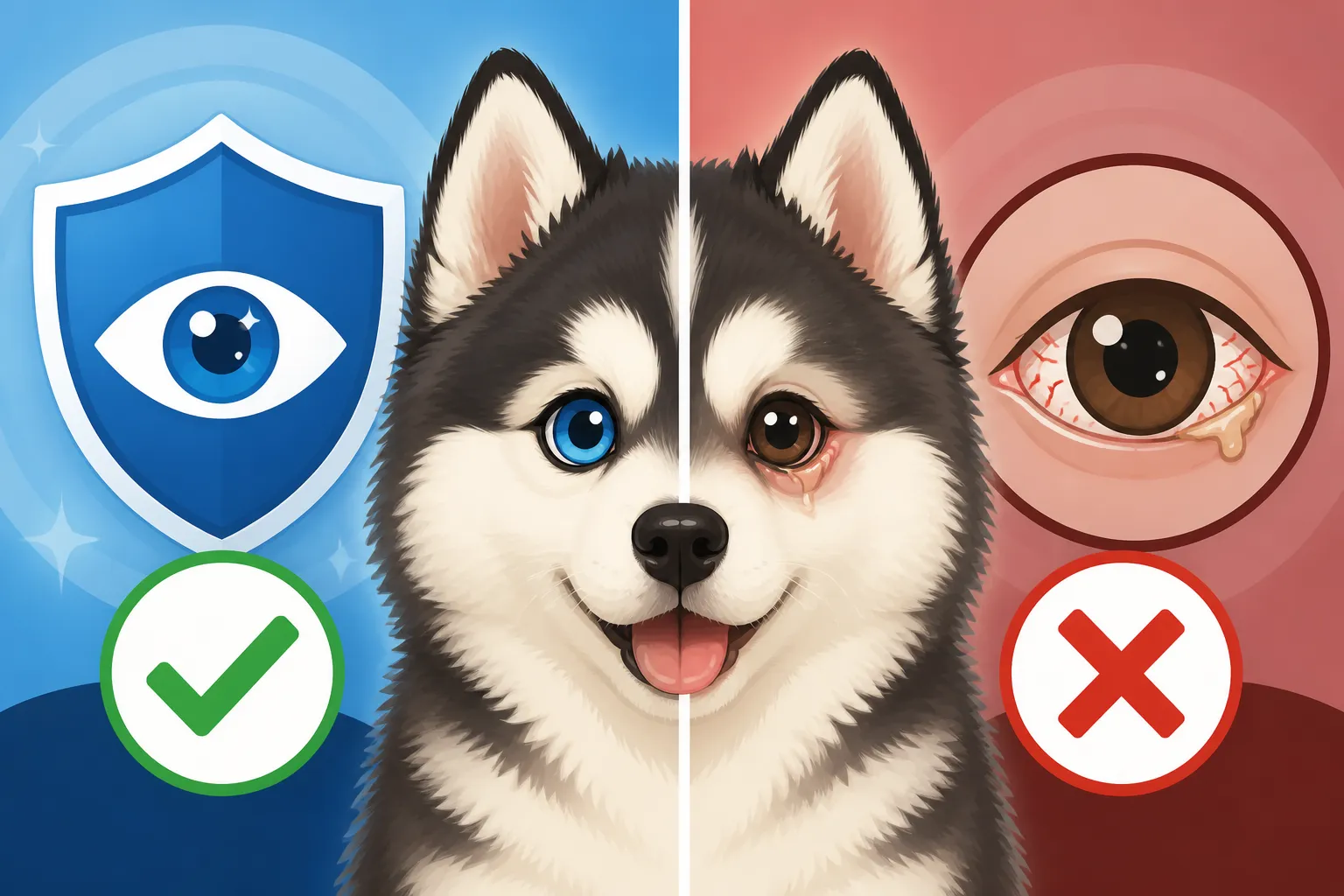
Whether Eye Disease Is Excluded on a Pomsky
It’s a deeply unsettling feeling when you consider all the ways your precious Pomsky could face health challenges, and then layer on the very real fear that your pet insurance might not actually cover them. Eye conditions, especially, can be a major worry for Pomsky owners, given the genetic heritage they carry. This guide will walk you through how pet insurance typically views eye diseases, particularly for our beloved Pomskies, helping you understand what might be covered and what could sadly be excluded.
Understanding Pet Insurance and Pre-Existing Conditions
When you invest in pet insurance, you're buying peace of mind, but that peace often comes with some very strict rules, the biggest of which revolves around "pre-existing conditions." This term is the bane of many a pet parent's existence, and it’s where most of the confusion and heartache truly begin.
The Universal Rule of Pet Insurance: No Pre-Existing Conditions
Let's get this out of the way upfront: virtually all pet insurance policies, no matter how comprehensive, will exclude coverage for pre-existing conditions. This isn't just a quirky clause; it's a fundamental principle of how pet insurance operates globally. A "pre-existing condition" is generally defined as any illness or injury that your pet showed signs of, or was diagnosed with, before your insurance policy's effective date or before the end of its waiting periods.
Think about it from their perspective for a moment (though it's little comfort when you're facing a vet bill): insurance is designed to cover new and unexpected medical issues, not problems that already exist. This means if your Pomsky had a squint, an eye discharge, or even just a notation in their vet records about slightly cloudy eyes before you signed up or during the initial waiting period, any subsequent diagnosis related to those symptoms might be deemed pre-existing. It's frustrating because sometimes these early signs are so subtle you don't even realize they're pointing to a bigger problem until much later. And yet, the insurance company will look back at those records with a fine-tooth comb.
What Constitutes a Pre-Existing Eye Condition for a Pomsky?
For eye conditions specifically, what counts as "pre-existing" can sometimes feel like a moving target. It's not just a formal diagnosis that matters. Insurance companies often look at the entire medical history. Did your vet note "mild conjunctivitis" a few months before you got coverage, even if it cleared up with drops? That could potentially link to a later, more serious eye infection or inflammation. Did your Pomsky ever rub their eye excessively, prompting a vet visit, even if no specific diagnosis was made at the time? These entries in vet records, even seemingly innocuous ones, can come back to haunt you.
The key is that if there's any documented evidence of a symptom, diagnosis, or even suspicion of an eye problem before your policy officially starts and after any waiting periods, that specific eye issue, or even related eye issues, will likely be excluded. This is why many experienced Pomsky owners will tell you that getting insurance when your puppy is as young as possible, ideally before their first vet visit if allowed by the insurer (or at least at their first healthy puppy check-up), is absolutely critical. It helps establish a "clean slate" of health, minimizing the chances of unforeseen exclusions down the line.
Genetic and Inherited Eye Conditions in Pomskies and Insurance
Pomskies are a blend of two fantastic breeds, the Siberian Husky and the Pomeranian. While this mix gives them their undeniable charm and unique appearance, it also means they can inherit a mix of genetic predispositions from both sides of the family tree. This dual heritage makes understanding potential eye issues, and how insurance companies view them, particularly important.
The Double-Edged Sword of Pomsky Genetics
On one hand, the genetic diversity from being a crossbreed can sometimes reduce the incidence of certain breed-specific issues. This is often referred to as "hybrid vigor." However, a Pomsky isn't immune; they can still inherit any of the genetic conditions common to either the Husky or the Pomeranian. When it comes to eyes, both parent breeds have their own list of potential concerns.
From the Husky side, we often see things like The Juvenile Cataracts a Pomsky Gets From the Husky, progressive retinal atrophy (PRA), and corneal dystrophy. These are serious conditions that can impact vision and quality of life significantly. Pomeranians, while generally robust, can also carry predispositions to conditions such as distichiasis (extra eyelashes), entropion (inward-rolling eyelids), and even some forms of cataracts or retinal issues. It’s a lot to consider, and it's why responsible breeders will conduct health screenings on their parent dogs. When a condition runs in a breed, even if your Pomsky shows no symptoms, some insurance companies might raise an eyebrow if you wait too long to enroll them.
How Insurance Companies View Inherited Conditions
This is where it gets a little nuanced. An "inherited condition" is one that is passed down genetically from parents to offspring. A "congenital condition" is one present from birth, which may or may not be genetic. Most pet insurance policies will cover inherited and congenital conditions as long as they are not pre-existing. The "pre-existing" part is the real kicker.
If your Pomsky has a genetic predisposition to, say, Progressive Retinal Atrophy (PRA) because it runs in their Husky lineage, but they show absolutely no signs of the disease when you enroll them in insurance, and it's only diagnosed months or years later, it should be covered under most comprehensive policies. The key is the absence of symptoms or diagnosis before and during the waiting period. This is why waiting until your Pomsky starts showing subtle signs of night blindness or bumping into furniture before getting insurance is a gamble that almost never pays off.
However, some policies might have specific exclusions or limitations for certain genetic conditions, especially if they are very common in the breed, so always double-check the fine print. This is why thorough research and early enrollment are your best friends.
Specific Eye Conditions and Their Insurance Coverage Nuances
Navigating the world of pet insurance and eye conditions can feel like trying to find your way through a dense fog, especially when specific diagnoses come into play. Let's delve into some common eye conditions seen in Pomskies and how insurance policies typically approach them.
Juvenile Cataracts and Progressive Retinal Atrophy
These two conditions often strike a particular chord with Pomsky owners because they can lead to significant vision impairment or even blindness.
The Juvenile Cataracts a Pomsky Gets From the Husky are particularly concerning because they develop early in life, sometimes before a dog reaches two years old. If your Pomsky is diagnosed with juvenile cataracts after your insurance policy's waiting period and without any previous related symptoms noted in their vet records, most comprehensive policies should cover the diagnostic tests, surgical removal (if recommended and feasible), and follow-up care. However, if your vet noted a slight cloudiness or any related eye issue before your policy began or within the waiting period, even if it wasn't a formal diagnosis of cataracts at the time, the insurer might classify it as pre-existing. This highlights the importance of enrolling your Pomsky when they are a young puppy, establishing a clear bill of health from the start.
Progressive Retinal Atrophy (PRA) is another scary one, slowly leading to blindness. It's an inherited condition that can sometimes manifest in middle age. Similar to cataracts, if there are no signs or diagnoses of PRA before your policy starts or during the waiting period, treatment and management should be covered. The challenge here is that PRA can have very subtle early signs that might be missed by an owner, but could potentially be noted in a thorough veterinary eye exam. An annual eye exam for at-risk breeds is invaluable, but you'd want your insurance in place before any potential findings.
Corneal Dystrophy and Glaucoma
These conditions represent different types of eye challenges but both can be persistent and require ongoing care.
Corneal Dystrophy in a Pomsky refers to a group of inherited disorders that affect the cornea, the transparent outer layer of the eye. It can range from mild, non-painful opacities that don't affect vision much, to more severe forms causing discomfort or impaired sight. As with other inherited conditions, if your Pomsky is diagnosed with corneal dystrophy after your policy's waiting period and without prior indications, it generally falls under coverage. The tricky part with corneal dystrophy is that it often requires long-term management, and once diagnosed, it becomes an ongoing condition. Insurance policies will typically cover continued treatment for a diagnosed condition, but they will not cover a new diagnosis of corneal dystrophy if initial signs or symptoms were noted before coverage began.
Glaucoma, characterized by increased pressure within the eye, can be incredibly painful and lead to rapid blindness if not treated promptly. It can be primary (inherited) or secondary (caused by another eye disease or injury). Primary glaucoma is particularly relevant for breeds predisposed to it, and some Pomsky lines might carry this risk. If your Pomsky develops glaucoma after insurance enrollment and the waiting period, and it's not linked to a previously noted eye problem, coverage for emergency treatment, medications, and potentially surgery would usually apply. However, because it can develop quickly, any delay in getting insurance could leave you vulnerable to a pre-existing exclusion if symptoms manifest before you're fully covered.
The lesson here is consistently the same: the earlier you get your Pomsky insured, the better your chances are of having these conditions covered if they arise later in life.
Navigating Pet Insurance Policies for Your Pomsky's Eyes
Choosing pet insurance can feel like a labyrinth, especially when you're trying to protect your Pomsky from the specific health concerns that can crop up with their unique genetics. When it comes to eye conditions, a little proactive research goes a long way.
The Crucial Importance of Reading the Fine Print
I cannot stress this enough: read your policy documents. Don't just skim the highlights or rely on a sales pitch. Every insurance company has its own specific definitions, exclusions, and waiting periods. What one company considers a "curable" pre-existing condition (and might cover again after a certain symptom-free period) another might deem "incurable" and permanently exclude. For example, some plans might have longer waiting periods for orthopedic conditions or certain genetic diseases than for accidental injuries.
Look for clauses related to "hereditary conditions" and "congenital conditions." Most comprehensive policies do cover these, but only if they are not pre-existing. Pay attention to how they define "pre-existing" – is it based on symptoms, diagnosis, or both? Are there any specific eye conditions listed as exclusions? Also, check for limits: is there a per-condition limit for chronic eye diseases, or is it all under an annual maximum? Knowing these details upfront can prevent huge surprises later. For instance, while a brand like Healthy Paws is often praised for its comprehensive coverage, no insurer can magically make a pre-existing condition disappear from your Pomsky's medical history. Their policies, like others, will have specific terms regarding inherited conditions and waiting periods, so always verify.
When to Enroll Your Pomsky in Pet Insurance
The best time to enroll your Pomsky in pet insurance is, without a doubt, when they are a healthy puppy. As soon as you bring them home, or even before if your chosen insurer allows it, get that policy in place. This is when they are least likely to have developed any symptoms or received any diagnoses that could later be flagged as pre-existing.
If you wait until your Pomsky is older, or if you notice even a slight watery eye or a little bit of redness that prompts a vet visit, that issue might then become a pre-existing condition for any future eye problems. Even a seemingly minor issue can become a historical marker in their vet records. Enrolling early means establishing a baseline of health that gives you the best chance for coverage for new conditions that arise. Many insurance providers, like those you might find through Chewy's pet insurance marketplace, offer a variety of plans, and comparing them early can save you a lot of grief. Some plans might even offer discounts for early enrollment or for multiple pets, which is a nice bonus.
Questions to Ask Potential Providers
Before committing to a policy, arm yourself with a list of specific questions. Don't be shy; it's your Pomsky's health and your finances on the line.
Here are some key questions to ask:
- "How exactly do you define a 'pre-existing condition' for eye issues? Is it based purely on a formal diagnosis, or do prior symptoms count?"
- "Are inherited or genetic eye conditions, like Progressive Retinal Atrophy or certain types of cataracts, covered if my Pomsky shows no symptoms at the time of enrollment?"
- "What are the waiting periods for illnesses, particularly for eye conditions or genetic diseases?" Some companies have separate waiting periods for accidents versus illnesses.
- "Do you have annual limits, per-incident limits, or per-condition limits for chronic eye problems?" Some policies, for instance, might cap what they pay out for a lifetime for a specific condition.
- "Can I see a sample policy document to review the full terms and conditions, specifically regarding exclusions?"
- "What is your process for reviewing vet records when a claim is made, particularly for conditions that might have subtle early signs?"
- "If an eye condition is diagnosed, and then later resolved, would it still be considered pre-existing if it recurs?" (This is often where "curable" vs. "incurable" pre-existing conditions come into play.)
Being thorough now can save you a lot of emotional and financial stress down the road. Platforms that help you compare plans, like some associated with Ollie, often strive for transparency and can help you ask the right questions about their coverage for conditions like The Eyes a Pomsky Gets From the Husky.
Remember, pet insurance is a tool to manage unexpected veterinary costs. While it won't cover everything, a well-chosen policy acquired early in your Pomsky's life can be a lifeline for significant health challenges, including many eye diseases.
Common Pomsky Eye Conditions and General Coverage Outlook
Understanding the likelihood of coverage for specific eye conditions can be incredibly helpful. Keep in mind that "likelihood" here is based on the condition not being pre-existing at the time of policy enrollment.
| Eye Condition | Description | Coverage Likelihood (If Not Pre-Existing) | Key Considerations |
|---|---|---|---|
| Progressive Retinal Atrophy (PRA) | Inherited disease causing gradual degeneration of the retina, leading to blindness. | High | Crucial to enroll before any signs of night blindness or vision loss are noted. |
| Juvenile Cataracts | Opacities in the lens that develop early in life, potentially impairing vision. | High | Any documentation of cloudy eyes before enrollment could lead to exclusion. |
| Corneal Dystrophy | Inherited disorder affecting the cornea, appearing as white/grey opacities. Can be painful or vision-impairing. | High | Once diagnosed, often considered a chronic condition. Early enrollment is vital. Corneal Dystrophy in a Pomsky |
| Glaucoma | Increased pressure within the eye, leading to pain and potential blindness. Can be primary (inherited) or secondary. | High | Rapid onset means symptoms could appear before policy is active if you delay. |
| Distichiasis/Ectopic Cilia | Extra eyelashes growing from abnormal spots, often rubbing the cornea and causing irritation. | High | If diagnosed before policy, future treatment for this condition would be excluded. |
| Entropion/Ectropion | Inward (entropion) or outward (ectropion) rolling of the eyelids, causing irritation or exposure. | High | Often surgically corrected. If noted in puppy records, it may be deemed pre-existing. |
| Cherry Eye | Prolapsed gland of the third eyelid. More common in younger dogs. | High | Very visible. If present at enrollment or during waiting period, it will be excluded. |
| Conjunctivitis (Chronic) | Persistent inflammation of the conjunctiva (lining of the eyelids and eye). | Moderate to High | Single episodes might be covered, but chronic issues linked to previous episodes will likely be excluded. |
This table provides a general overview, but every pet insurance policy is unique. It underscores the critical point that having a "clean" vet history at the time of enrollment drastically improves your chances of coverage for these conditions should they arise later. For more general information about preventing issues, you might find articles like Whether a Pomsky Needs a Yearly Eye Exam helpful.
Disclaimer
This article is for general informational purposes only and does not constitute professional advice. Laws, prices and regulations vary by location and change over time. Consult a qualified professional for guidance on your specific situation.