Whether Escaping Is Why Pomskies Are Given Up
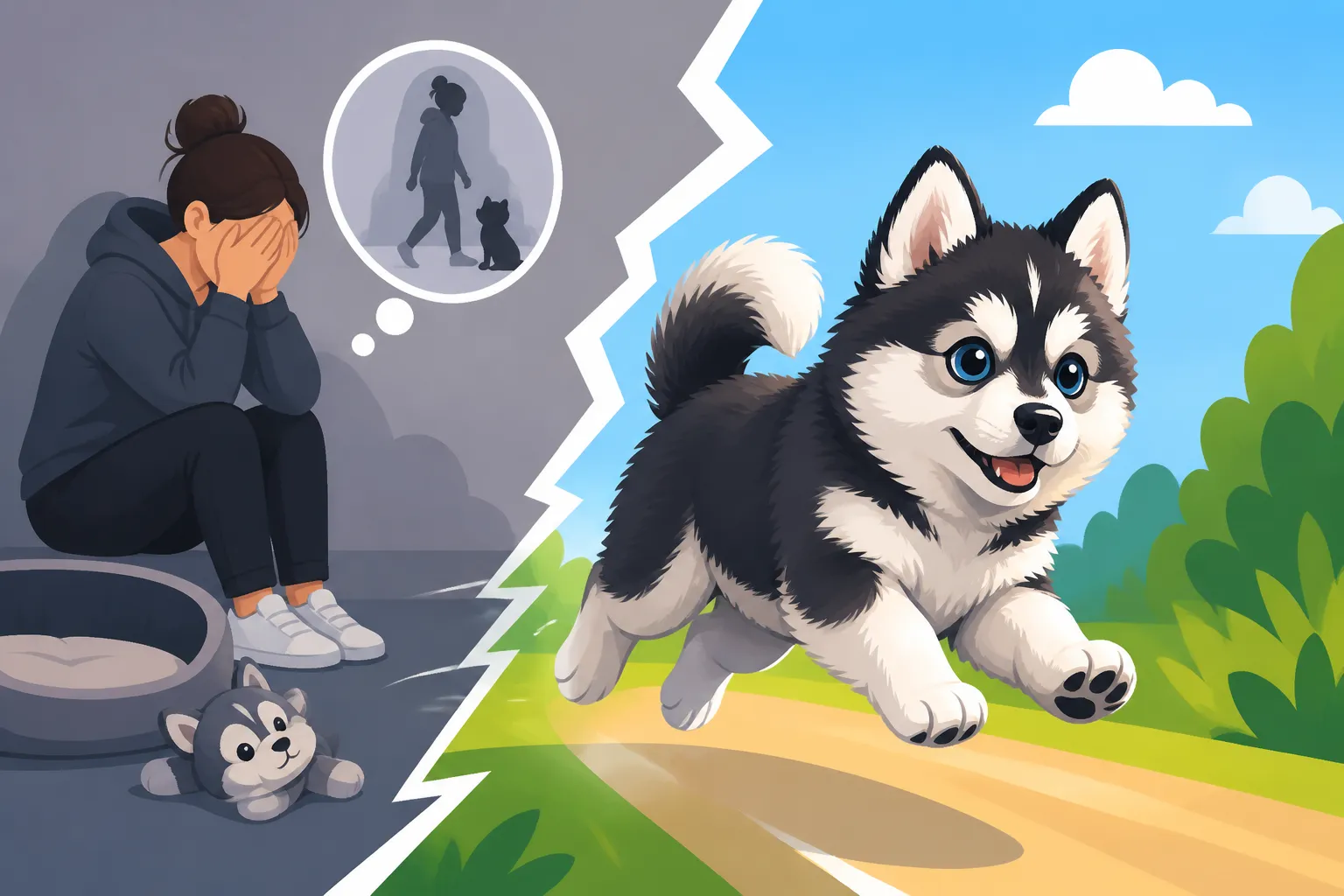
The heartbreaking reality of dog ownership sometimes involves making the agonizing decision to rehome a beloved pet, and for many Pomsky owners, a common fear is that their furry Houdini's escape artistry might lead to such a difficult choice. It's a valid concern, as the blend of Husky wanderlust and Pomeranian cleverness can create a canine master of evasion. This comprehensive guide will delve into why Pomskies are prone to escaping, the profound impact this can have on families, and practical strategies to prevent your adventurous pup from becoming another rehoming statistic.
The Pomsky's Instinct to Explore and Escape
It's no secret that Huskies are known for their adventurous spirits and their uncanny ability to find, create, or exploit any weakness in a fence line or a leash. When you mix that with the intelligence and often smaller, more agile frame of a Pomeranian, you get a Pomsky – a dog often blessed with an even greater knack for getting out of where they're supposed to be. This isn't out of spite, but often a deep-seated instinct.
A Blend of Wanderlust
The Siberian Husky genes contribute a strong desire to roam, to explore, and to cover vast distances. They were bred for endurance and independence, not necessarily for staying put in a backyard. A Pomsky inherits a version of this drive, sometimes dialed down due to the Pomeranian influence, but often still very present. What's more, the smaller size, courtesy of the Pomeranian side, can make them surprisingly adept at squeezing through gaps that a larger Husky might not even consider. They can be incredibly agile and nimble, able to scale obstacles or contort themselves into tight spaces.
Many owners are shocked when their seemingly secure yard is breached by their twenty-pound fluffball. They might look small and innocent, but they can be incredibly determined. We've heard countless stories of Pomskies clearing fences that seemed perfectly adequate, demonstrating exactly why people call them The Pomsky Escape Artist in a Twenty Pound Body. This isn't about being disobedient; it's about following an instinctual urge that has been ingrained in their Husky heritage for generations. It’s a primal call to explore beyond their immediate surroundings, a yearning for new smells, sights, and adventures.
The Boredom Factor
A bored Pomsky is a creative Pomsky, and creativity in this breed often translates directly into escape attempts. These dogs are intelligent and require significant mental and physical stimulation. If they're left alone for long periods without enough exercise, engaging toys, or training, they'll often find their own "entertainment" – and that entertainment frequently involves finding a way out of their enclosure. A lack of stimulation can quickly lead to destructive behaviors, with escaping being at the top of the list.
Imagine a Pomsky with boundless energy and a keen mind, stuck in a backyard with nothing but the same old smells and sights day in and day out. Their minds will start ticking, looking for a challenge. This might manifest as relentless digging under a fence, systematic testing of every latch and gate, or even chewing through wooden barriers. These aren't malicious acts, but rather an expression of unmet needs. They're trying to solve a problem: how to alleviate their boredom. And if that solution leads to the great outdoors, all the better in their eyes. Many behavioral issues, including escaping, can be traced back to insufficient mental engagement.
High Prey Drive as a Motivator
Another significant driver behind a Pomsky's escape attempts is their high prey drive, particularly inherited from the Husky side. Huskies were bred to work, and part of that work involves being alert and reactive to their environment. This often translates to a strong urge to chase small, fast-moving objects. If a squirrel, rabbit, or even a blowing leaf catches their eye, the instinct to pursue can override all training and boundaries.
This intense focus on prey can make them seemingly deaf to commands and oblivious to fences or leashes. They'll see a rabbit darting across the street and, in a flash, they're off, ignoring calls, gates, and sometimes even pain, in their single-minded pursuit. This is why The Prey Drive a Pomsky Gets From the Husky is such a crucial consideration for owners. A dog that is usually well-behaved might suddenly become an escape artist when a small critter appears. This isn't just a nuisance; it puts them in direct danger from traffic and can lead to confrontation with other animals.
Common Scenarios Leading to Rehoming Due to Escaping
The initial charm of an adventurous Pomsky can quickly wear thin when escape attempts become a regular, stressful occurrence. For many families, this behavior escalates into a genuine crisis, leading to the heartbreaking decision to rehome.
Repeated Escape Incidents and Owner Frustration
Living with a serial escape artist is incredibly taxing. The constant worry, the frantic searches, and the recurring incidents take a severe emotional and sometimes financial toll on owners. It's not just about a dog getting out; it's about the fear of them getting hit by a car, getting lost, or getting into trouble with neighbors or other animals. The sheer stress of constantly monitoring and chasing after your dog can lead to burnout.
Each escape often involves a frantic search, posting on social media, driving around the neighborhood, and the immense relief (and subsequent anger) when they're found. Some owners have to pay fines if their dog is picked up by animal control. Others face vet bills for injuries sustained during their adventures. This cycle of worry, search, and relief is emotionally draining. It can create tension within the household, leading to arguments about who is responsible, or simply a feeling of helplessness. The feeling that you can't keep your dog safe, no matter how hard you try, can be one of the most frustrating aspects of Pomsky ownership, sometimes feeling like you're constantly fighting a losing battle.
Safety Concerns for the Pomsky and Community
Beyond the emotional toll on the owner, repeated escapes pose serious risks to the Pomsky itself and to the wider community. A loose dog, especially one with a strong prey drive, can cause accidents, get into fights with other animals, or even injure themselves. The risk of being hit by a car is always present, as is the danger of encountering aggressive dogs or getting lost far from home. These are not minor concerns; they are life-threatening possibilities.
From a community perspective, a free-roaming Pomsky can be a nuisance or even a danger. They might chase children playing in their yards, dig up gardens, or terrorize local wildlife. Neighbors might complain, leading to strained relationships or even legal issues. The responsibility of owning a dog extends to ensuring they are safe and don't pose a threat or annoyance to others. When a dog consistently breaches containment, it indicates a failure in that responsibility, regardless of how much the owner loves their pet. This can lead to difficult conversations with animal control or even legal mandates for more secure containment, which can be costly and difficult to implement.
Unprepared Owners and Unsuitable Environments
Many people fall in love with the adorable "mini Husky" look of a Pomsky without fully understanding the breed's inherent traits. They might not realize the extent of their exercise needs, their intelligence, or their strong desire to roam. This lack of preparation is often a significant factor in why a Pomsky's escape habits escalate to the point of rehoming. An owner expecting a low-maintenance lap dog will quickly be overwhelmed by a high-energy, clever escape artist.
An owner living in an apartment without a secure yard, or a family who doesn't have the time for consistent, rigorous exercise and mental enrichment, is setting themselves and their Pomsky up for failure. Whether a Pomsky Needs a Fenced Yard is a crucial question many ask, and for most, the answer is a resounding yes, and a highly secure one at that. A simple picket fence or an invisible fence often won't cut it. When the environment doesn't meet the dog's needs, behaviors like escaping become inevitable. It's a mismatch between the dog's inherent drive and the living situation, a scenario that often ends tragically for the dog.
Mitigating Escape Behavior and Preventing Rehoming
While the challenge of a Pomsky escape artist is real, it's absolutely not insurmountable. With the right strategies, commitment, and understanding, you can manage and significantly reduce the likelihood of your Pomsky becoming a repeat offender, thereby preventing the need for rehoming.
Secure Containment is Non-Negotiable
This is perhaps the most critical step. Your physical boundaries must be impenetrable. For many Pomsky owners, a standard six-foot fence isn't enough. These clever pups can jump surprisingly high, so consider coyote rollers on top of fences or L-footer wire mesh buried along the bottom to deter digging. Don't forget to check gates regularly for loose latches or gaps. For digging enthusiasts, concrete footings or deeply buried wire can be essential. The Fence a Pomsky Actually Needs is often far more robust than what many initially assume.
Inside the home, baby gates or secure crates might be necessary if your Pomsky is known to bolt out open doors. On walks, skip the standard flat collar. A well-fitted harness, ideally a front-clip or even a double-clip harness that secures around both the chest and waist, can prevent them from backing out. A martingale collar can also be effective because it tightens slightly when pulled, making it harder for them to slip out without choking them. Whether a Pomsky Slips a Collar is a common concern, and investing in appropriate gear is paramount. For added peace of mind, many owners attach a GPS tracker to their Pomsky's collar. While it won't prevent an escape, it can be invaluable in quickly locating a lost dog. Companies like Healthy Paws offer pet insurance plans that can help with unexpected vet bills, which can certainly arise if your adventurous Pomsky gets into trouble during an escape.
Enrichment, Exercise, and Training
A tired Pomsky is a good Pomsky, and a mentally stimulated Pomsky is even better. These dogs need a lot of physical activity, often more than owners anticipate. Daily walks are a start, but they thrive on varied activities like hiking, running (if age and health permit), or even dog sports like agility or flyball. Simply letting them out in the yard isn't enough; they need structured exercise that engages their bodies and minds.
Mental enrichment is equally vital. Puzzle toys, snuffle mats, and scent work games can keep their clever brains busy. Rotate toys regularly to maintain novelty. Consistent positive reinforcement training is also crucial, especially a rock-solid recall. Teaching your Pomsky that coming when called results in high-value rewards can be life-saving. Recall on a Pomsky Bred From a Dog That Runs is a challenge, but with dedication and understanding that food often beats freedom for these guys, it can be achieved. High-value treats, such as those from Ollie or special bits of cheese or cooked chicken, can be incredibly motivating for these intelligent dogs during training sessions. Chewy also offers a vast selection of durable puzzle toys and enrichment tools that can help keep a Pomsky's mind engaged.
Professional Help and Support Systems
If you're struggling, don't hesitate to seek professional help. A certified professional dog trainer or a veterinary behaviorist can provide tailored strategies for your Pomsky's specific escape behaviors. They can identify triggers, help you implement effective training techniques, and recommend specialized equipment or management plans. These experts understand the nuances of breed-specific behaviors and can offer invaluable guidance.
Connecting with other Pomsky owners online or in local dog groups can also provide a supportive community. Sharing experiences and tips can be incredibly helpful. If, despite all efforts, you reach a point where you feel you can no longer provide a safe and enriching environment, local rescue organizations can offer support and guidance. They can help you understand Why Pomskies Reach Rescue at Two and ensure your Pomsky finds a loving home that is equipped to handle their unique needs. Remember, seeking help is a sign of responsible pet ownership, not failure.
The Heartbreaking Reality: When Rehoming Becomes the Last Resort
Despite the best intentions and efforts, there are times when, tragically, escaping behavior becomes unmanageable, pushing owners to the brink and leading to the difficult decision of rehoming.
Exhausted Options and Emotional Toll
For many, rehoming is not a decision made lightly or quickly. It usually comes after countless hours, significant financial investment, and immense emotional strain. Owners may have tried everything: professional trainers, expensive fence modifications, countless walks, and endless mental games. They might have spent small fortunes on training classes, specialized gear, and vet visits for minor injuries from escapes. The constant worry, the broken sleep from listening for sounds of escape, and the feeling of never quite being able to relax take a severe toll.
The emotional burnout can be profound. It affects family dynamics, daily routines, and even personal finances. Imagine the guilt, the heartbreak, and the profound sadness that comes with admitting you can no longer safely and happily provide for your beloved pet. It's a decision often fraught with tears and a deep sense of personal failure, even though it's often the most responsible choice for the dog's well-being. This stage is where owners realize that despite their love, they simply cannot provide the environment an escape-prone Pomsky needs to thrive without constant, overwhelming stress.
The Role of Rescue Organizations
When rehoming becomes the only viable option, rescue organizations play a critical role. They are often the safety net for dogs whose owners can no longer cope. These organizations understand the unique challenges presented by certain breeds and breed mixes, including the Pomsky's propensity for escape. They don't judge; they simply assess the dog's needs and work to find a home that is better equipped.
When a Pomsky with an escape history enters a rescue, they will typically undergo a thorough evaluation. This assessment isn't just about their health; it delves deep into their temperament, their specific escape methods, and their social behaviors. The rescue will then look for adopters who have appropriate fencing, a solid understanding of dog behavior, and the time and commitment for extensive exercise and training. They often have rigorous screening processes for potential adopters to ensure a truly secure and suitable environment. Understanding Whether a Rescue Pomsky Is Health Tested is also something these organizations strive for, ensuring transparency about any underlying health issues that might add to a dog's rehoming complexities.
Comparison of Escape Factors and Prevention Strategies
Here’s a look at common Pomsky escape factors and how to address them:
| Escape Factor | Description | Prevention Strategy |
|---|---|---|
| High Prey Drive | Overwhelming urge to chase small animals, ignoring boundaries. | Leash training with high-value rewards, long lines in secure areas, secure walking gear, strong recall. |
| Boredom/Lack of Stim. | Unmet physical/mental needs lead to creative escape attempts. | Ample daily exercise (runs, hikes), puzzle toys, scent work, consistent training sessions. |
| Wanderlust/Roaming | Innate desire to explore, inherited from Husky lineage. | High, secure fencing (6ft+), coyote rollers, buried wire/concrete footings, vigilant supervision. |
| Agility/Small Size | Ability to jump/climb high or squeeze through small gaps. | Fence extenders, mesh installed on existing fences, ensuring no small gaps in gates or perimeter. How High a Pomsky Can Jump a Fence |
| Door Dashing | Bolting through open doors or gates. | Training "wait" at thresholds, baby gates in doorways, designated "safe zones" away from entry points. |
| Inadequate Containment | Fences too low, weak latches, invisible fences. | Install robust physical fencing, double-check all gate hardware, avoid invisible fences. Whether an Invisible Fence Holds a Pomsky |
| Lack of Recall | Ignoring commands to return, especially when distracted. | Consistent, reward-based recall training in varied environments, emergency recall cue. What to Do When a Pomsky Bolts |
Disclaimer
This article is for general informational purposes only and does not constitute professional advice. Laws, prices and regulations vary by location and change over time. Consult a qualified professional for guidance on your specific situation.