Whether a Pomsky Sold as Toy Reaches Thirty Pounds
It's a familiar story for so many of us who fall head over heels for the adorable, fluffy Pomsky. We envision a tiny, miniature husky trotting by our side, perfectly fitting into our apartment lifestyle or snug on our laps. Many breeders market these precious pups with alluring terms like "toy Pomsky" or "mini Pomsky," often quoting adult weights that sound just right for that compact dream dog. But then, as your sweet puppy grows, you start to see them developing into something a bit more substantial, perhaps pushing past the "mini" ideal and heading straight for the 20, 25, or even 30-pound mark. This guide is dedicated to exploring why that happens, validating the frustration, and helping you understand the real expectations for a Pomsky's adult size.
The Dream of a "Toy" Pomsky and the Reality of Hybrid Genetics
The appeal of a "toy" Pomsky is undeniable. Who wouldn't want the striking looks of a Siberian Husky, complete with those captivating blue eyes and a dense, fluffy coat, all wrapped up in a package small enough to carry or easily cuddle on the sofa? The internet is awash with images of miniature Huskies, often mislabeled or misrepresented, which fuels this desire for a truly pint-sized version of a larger breed. When a breeder uses terms like "toy" or "mini," it taps directly into that dream, leading prospective owners to believe they are getting a consistently small dog.
This marketing, while understandable from a sales perspective, often clashes with the fundamental realities of breeding a hybrid dog like the Pomsky. The breed is a cross between two vastly different-sized dogs: the Siberian Husky, typically ranging from 35 to 60 pounds, and the Pomeranian, a toy breed usually weighing a mere 3 to 7 pounds. The sheer genetic chasm between these two parent breeds creates a wide spectrum of possibilities for their offspring. This isn't like breeding two golden retrievers, where the size range is fairly predictable. With a Pomsky, you're rolling the dice on a much larger genetic library.
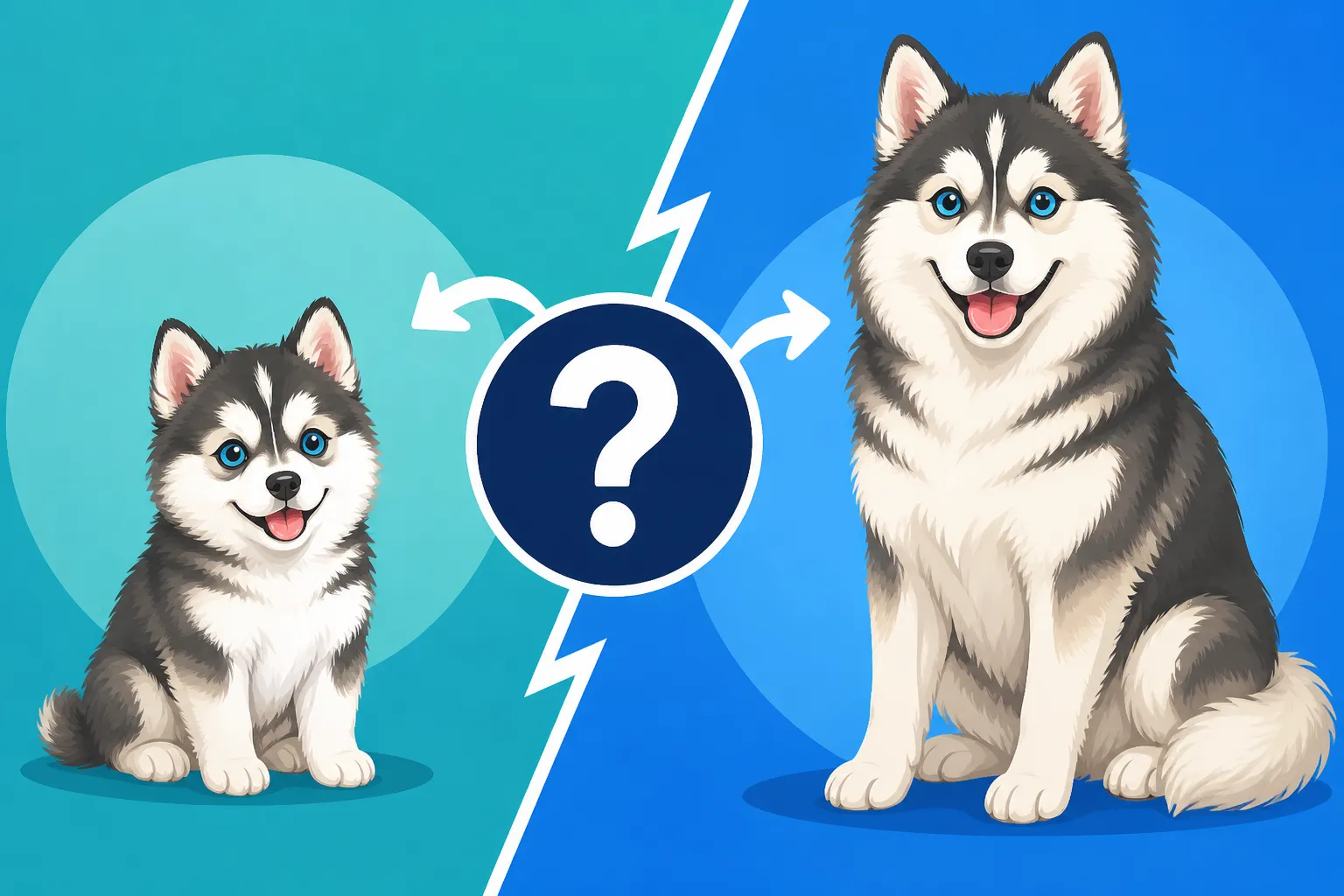
This wide genetic pool is precisely why predicting a Pomsky's adult size is so incredibly difficult, especially in the first generation, known as F1 Pomskies. What an F1 Pomsky Is An F1 Pomsky is a direct cross of a purebred Siberian Husky and a purebred Pomeranian, and they can inherit a mix of traits from either parent, often in unpredictable ways. Some puppies in an F1 litter might lean heavily towards the Pomeranian in size, while others will clearly take after the Husky. You might have one pup that matures to 12 pounds and another, from the exact same litter, that reaches 28 pounds. It's not uncommon, and it's certainly not a reflection of poor breeding, but rather the nature of this particular hybrid.
Factors That Influence a Pomsky's Adult Weight
Understanding the nuances of Pomsky genetics and breeding can help temper expectations about that promised "toy" size. It’s not just about the immediate parents; a whole lineage plays a role, and certain generational breeding strategies aim to bring more consistency, though never absolute certainty.
Understanding Generational Differences
When you're looking at different generations of Pomskies, you'll hear terms like F1, F1b, F2, and Multigen. Each of these describes a step in the breeding process, and theoretically, they aim to create more predictability in traits like size.
- F1 (First Generation): As mentioned, this is the most unpredictable in terms of size because it's a direct mix of the vastly different Husky and Pomeranian. You could end up with anything from a small Pomeranian-sized dog to a medium-sized dog that strongly favors the Husky. There's simply no way to guarantee a small stature with this pairing due to the sheer genetic lottery involved.
- F1b (First Generation Backcross): This means an F1 Pomsky is bred back to one of the parent breeds, usually a Pomeranian, to try and reduce size. While this often results in smaller dogs, it's still not a foolproof guarantee. The F1 Pomsky still carries a mix of Husky and Pomeranian genes, and those Husky genes can still express themselves, even if diluted.
- F2 and Multigen (Second Generation and Multiple Generations): These generations involve breeding a Pomsky to another Pomsky (F2) or continuing this for several generations (Multigen). The idea here is to stabilize the desired traits, including size. Responsible breeders often work towards these later generations to try and produce more consistent sizes and appearances. However, even with several generations of Pomsky-to-Pomsky breeding, the genetic legacy of the Siberian Husky is strong. It's still possible for a puppy to inherit genes that lead to a larger adult size, surprising everyone. Whether an F2 Pomsky Is a Bigger Gamble The term "toy" is a marketing label, not a recognized size standard within the Pomsky community, so take specific weight guarantees with a grain of salt.
The Role of Parent Size and Genetics and Why It's Tricky
You'd think that if a breeder uses two smaller Pomskies, or a small Husky and a standard Pomeranian, the puppies would automatically be small. And while parent size is a significant factor, it’s not the only one, and it's certainly not a perfect predictor. Genetics are incredibly complex. A dog's size is influenced by multiple genes, not just one or two. This is called polygenic inheritance. A puppy might inherit genes for a smaller size from its immediate parents, but also recessive genes from its grandparents or even great-grandparents that code for a larger stature. These "hidden" genes can surface unexpectedly, leading to a puppy that grows significantly larger than its parents.
Moreover, the physical characteristics go beyond just height. Weight is also determined by bone structure, muscle mass, and overall build. A Pomsky might not be exceptionally tall, but if they inherit a denser bone structure and a more muscular build from their Husky lineage, they will naturally weigh more. You could have a Pomsky that looks like a stockier Pomeranian but carries the weight of a smaller Husky. This is why a "toy" label based purely on an estimated small height can be misleading; the dog might still reach a significant weight.
Nutrition and Growth Rate
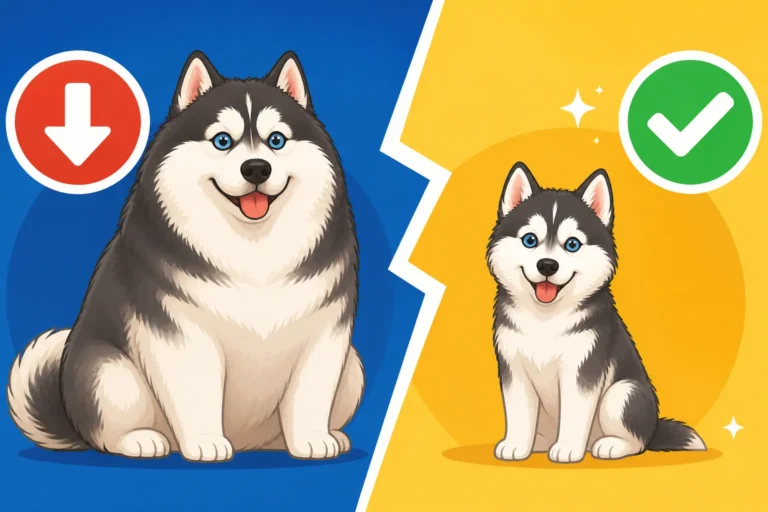
While genetics set the blueprint for a Pomsky's ultimate size, how you feed them as a puppy can certainly influence their growth rate and overall health. Overfeeding a puppy, especially a large breed or a breed with a predisposition to rapid growth (like the Husky side of a Pomsky), can lead to them growing too quickly. This isn't about making a genetically small dog huge, but rather pushing a genetically larger puppy to reach its full size faster, sometimes putting undue stress on their developing joints and bones.
It's crucial to provide a balanced diet appropriate for their age and expected adult size. Brands like Chewy and Ollie offer a range of specialized foods that cater to different life stages and activity levels, and following their guidelines, in consultation with your vet, can help ensure healthy development. Slow and steady growth is always preferable for long-term joint health. Ensuring your Pomsky puppy maintains a healthy body condition score, rather than being overweight, is more important than trying to keep them artificially small. Feeding a Twenty Pound Pomsky A lean, healthy puppy will grow to its genetic potential without putting unnecessary strain on their developing body.
When Your "Toy" Pomsky Outgrows the "Toy" Label
It can be a bit of a shock, or even a source of quiet disappointment, when the "toy" Pomsky you envisioned starts looking more like a small-to-medium-sized dog. You might have carefully planned your life around a 15-pound dog, only to find yourself with a vibrant, energetic 28-pound companion. It's completely normal to feel a bit thrown off by this, especially if you had specific expectations based on what you were told or saw advertised.
Embracing the Larger Pomsky
The first step is to simply embrace your Pomsky for who they are: a wonderful, unique dog, regardless of their exact size. Remember, their personality, intelligence, loyalty, and playfulness aren't dictated by whether they hit a specific weight target. A larger Pomsky often comes with some fantastic advantages. They might have more stamina for longer walks or hikes, making them an excellent companion for outdoor adventures. The Exercise a Pomsky Needs Every Day They can often be a bit more robust and less fragile than their truly toy-sized counterparts, which can be a relief for families with active lifestyles or children.
Ultimately, the bond you share with your dog is what truly matters, far more than the number on the scale. While the initial image of a "toy" Pomsky might have been what drew you in, the reality of a slightly larger dog often means a more substantial presence, a more durable playmate, and a whole lot of love in a slightly bigger package.
Adjusting Expectations and Care
If your Pomsky grows larger than anticipated, you'll naturally need to adjust certain aspects of their care and your lifestyle.
- Food: A 30-pound dog will eat more than a 15-pound dog. You'll need to budget for larger food portions, whether you're feeding kibble, wet food, or a fresh diet from a service like Ollie.
- Exercise: A larger Pomsky, especially one leaning towards their Husky heritage, might have more energy and require more rigorous or longer exercise sessions to stay happy and well-behaved.
- Supplies: Crates, beds, harnesses, and even car restraints will need to accommodate a larger dog. What fit a 15-pound pup won't work for a 30-pound dog.
- Veterinary Care & Insurance: While many routine vet costs are similar, some medications are dosed by weight. Also, if you have pet insurance like Healthy Paws, your premiums might be influenced by factors like the estimated adult weight or breed classification. What Insuring a Pomsky Runs Monthly It's always wise to anticipate general veterinary costs and plan accordingly, regardless of their size.
It's about adapting to the dog you have, not the dog you thought you were getting. A slightly larger Pomsky is still very much a Pomsky, with all the joy and unique challenges that come with the breed.
Predicting Adult Size: Realistic Approaches for Pomsky Owners
While there's no crystal ball for predicting a Pomsky's exact adult size, especially when aiming for a specific weight class like "toy," there are more realistic ways to approach the estimation and set your expectations. It’s about gathering as much information as possible and understanding the inherent variability.
What to Ask a Breeder
When speaking with a potential breeder, don't be afraid to ask detailed questions about their breeding program and the lineage of the puppies.
- Parent and Grandparent Weights: Ask for the exact weights and heights of both the mother and father of the litter. Go a step further and inquire about the grandparents' sizes too. This can give you a better idea of the genetic potential. If a breeder is consistently producing smaller Pomskies, they should have a clear history of this in their breeding lines.
- Previous Litters: Ask for photos and adult weights of puppies from previous litters from the same parents. This is one of the most reliable indicators of what you might expect. If previous litters consistently produced dogs in the 25-30 pound range, it's a good bet your puppy will be similar.
- Avoid Guarantees: Be wary of breeders who offer definitive "toy" size guarantees, especially for F1 Pomskies. While they can estimate based on parent size and past litters, guaranteeing an exact weight in a crossbreed with such diverse parentage is simply not realistic. They can aim for a size range, but nature sometimes has other plans. Whether a Pomsky Puppy's Size Can Be Predicted A transparent breeder will discuss the potential size range and the variability you might encounter.
Monitoring Puppy Growth
While adult size is largely predetermined by genetics, you can get a general sense of where your puppy is heading by monitoring their growth. Most Pomskies reach their full height by around 8 to 10 months of age, but they will continue to fill out and gain muscle mass until they are 12 to 18 months old. The Age a Pomsky Reaches Full Size Regular weigh-ins at home and discussions with your veterinarian about their growth trajectory can provide estimates, but always remember these are still projections.
Here’s a general idea of how a Pomsky's weight might progress, keeping in mind that these are very broad ranges and individual variation is huge:
| Age | Typical Weight Range (lbs) | Notes |
|---|---|---|
| 8 weeks | 4-10 | High variability; early indicator but not set in stone. |
| 4 months | 8-20 | Rapid growth phase; starting to get a better sense of their trajectory. |
| 8 months | 15-30 | Nearing full height; weight gain will slow but continue to fill out. |
| 12 months | 20-35+ | Close to adult weight; may still add a few pounds of muscle/fat. |
Remember, these are rough estimates, and your Pomsky could fall outside these ranges. The most important thing is that they grow at a healthy rate and maintain a good body condition, not that they fit a preconceived "toy" label. How Big a Pomsky Gets Focus on their overall health and well-being, and love them for the unique companion they become.
Disclaimer
This article is for general informational purposes only and does not constitute professional advice. Laws, prices and regulations vary by location and change over time. Consult a qualified professional for guidance on your specific situation.