What Insuring a Pomsky Puppy Runs
Bringing home a fluffy Pomsky puppy is an absolute joy, filled with boundless energy and endless cuddles. But amidst the excitement of new toys and puppy kisses, many new owners grapple with a quiet worry: what happens when those inevitable vet visits turn into something more serious, something truly expensive? This guide aims to demystify the world of pet insurance for your Pomsky puppy, helping you understand what it covers, what it costs, and how it can offer crucial financial protection and peace of mind.
The Realities of Pomsky Puppy Health and the Need for Protection
It's easy to get swept up in the adorable fluffball that is a Pomsky puppy, imagining a life of perfect health. But the reality of dog ownership, especially with a mixed breed like the Pomsky, is that unexpected illnesses and accidents can, and often do, happen. These occurrences can quickly lead to significant veterinary bills, putting a strain on your finances and your emotional well-being.
Understanding the Unique Health Landscape of Your Pomsky
Pomskies are a mix of two distinct breeds: the energetic Siberian Husky and the spirited Pomeranian. While they inherit many wonderful traits, they also inherit a predisposition to certain health conditions from both sides of their family tree. For example, Siberian Huskies can be prone to certain eye conditions like The Eyes a Pomsky Gets From the Husky or The Juvenile Cataracts a Pomsky Gets From the Husky, while Pomeranians are known for issues like Slipping Kneecaps in a Pomsky or The Collapsing Trachea a Pomsky Gets From the Pomeranian. These are not guaranteed to happen to your Pomsky, of course, but the potential is there, and treatment for such conditions can be extensive and costly. Understanding these inherited potentials helps you grasp why proactive financial planning, like pet insurance, is so important. It's not about being pessimistic; it's about being prepared.
Why Pet Insurance Isn't Just for Emergencies
Many people mistakenly think pet insurance is only for those rare, catastrophic emergencies where a dog breaks a leg or swallows something it shouldn't. While it absolutely covers those terrifying moments, a good policy also provides a safety net for a host of common, less dramatic, but still expensive issues. Think about a sudden bout of gastroenteritis requiring diagnostics and medication, or a mysterious skin rash that needs multiple vet visits and specialized treatments, or even recurring ear infections. These everyday ailments, especially in a curious and sometimes stubborn Pomsky puppy, can add up quickly. Having insurance means you can make decisions based on what's best for your furry family member, not solely on your wallet. It can allow you to pursue specialist referrals, advanced diagnostics, and cutting-edge treatments without the crushing burden of immediate, out-of-pocket expenses.
Breaking Down the Costs: What Shapes Your Pomsky Puppy's Insurance Premiums
When you start looking into pet insurance, one of the first things you'll notice is the variation in premiums. It's not a one-size-fits-all cost, and several factors play a significant role in determining how much you'll pay each month or year for your Pomsky puppy's coverage.
Factors That Influence Your Monthly Premium
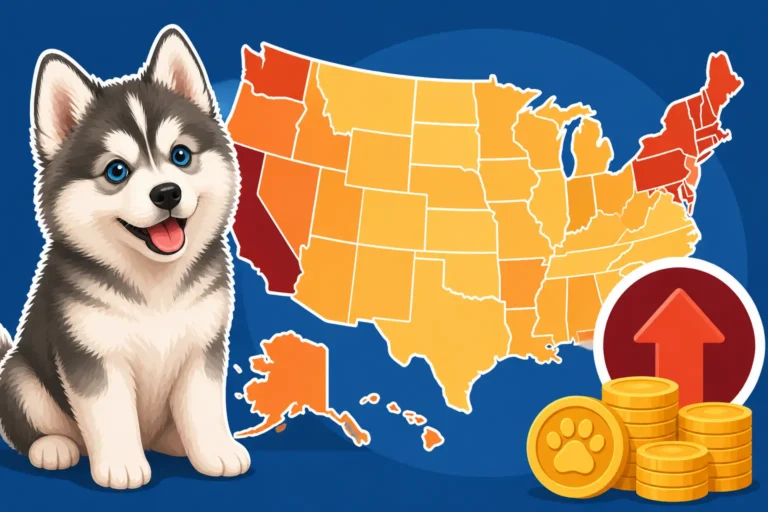
Several key elements come together to create your pet insurance premium. First and foremost is your Pomsky's age. Puppies, generally, start with lower premiums because they tend to be healthier and have fewer pre-existing conditions. As your Pomsky gets older, the risk of illness increases, and so do the premiums. Location also matters; veterinary care costs vary significantly across different states and even within cities, and insurance providers adjust their rates accordingly. A Pomsky living in an urban area with higher vet costs will likely have a higher premium than one in a rural setting. The type of coverage you choose is another massive factor; comprehensive plans covering both accidents and illnesses will cost more than accident-only policies. Lastly, factors related to your Pomsky's specific breed mix can be considered. While Pomskies are a crossbreed, insurers will look at the health predispositions of both Siberian Huskies and Pomeranians, assessing the overall risk profile. Some companies, for instance, might factor in known conditions like Hip Dysplasia in a Twenty Pound Pomsky or issues like Dental Crowding in a Pomsky's Small Mouth when calculating rates, even if your puppy doesn't currently exhibit these problems.
The Impact of Deductibles, Reimbursement Rates, and Annual Limits
Beyond the base premium, understanding the interplay of deductibles, reimbursement rates, and annual limits is crucial. These three components dictate how much you'll pay out-of-pocket when your Pomsky puppy needs veterinary care.
A deductible is the amount you must pay towards veterinary care costs before your insurance plan starts to reimburse you. Think of it like the deductible on your car insurance. You can often choose a higher deductible to lower your monthly premium, or a lower deductible for higher monthly costs but less out-of-pocket per incident. For instance, if your Pomsky has an unexpected vet bill for a swallowed toy and your deductible is a few hundred dollars, you'll pay that amount first.
The reimbursement rate is the percentage of eligible vet costs that the insurance company will pay back to you after your deductible has been met. Common reimbursement rates are 70%, 80%, or 90%. If you have an 80% reimbursement rate and a covered vet bill is, say, several hundred dollars after your deductible, the insurer will pay you back 80% of that remaining amount. This is a critical point to consider because a lower reimbursement rate means you're still responsible for a larger chunk of the bill.
Finally, the annual limit is the maximum amount your insurance company will pay out in covered vet costs within a policy year. This can range from several thousand dollars to unlimited. While an unlimited annual limit sounds ideal, it will naturally come with a higher premium. For a Pomsky puppy, especially given some of the potential long-term issues they can face, choosing a sufficient annual limit is important, as What a Pomsky's Vet Bills Look Like can quickly escalate with chronic conditions or multiple incidents.
Here’s a quick overview of how these work together:
| Policy Component | Description | Impact on You |
|---|---|---|
| Premium | The recurring payment (monthly/annually) for your insurance coverage. | Your regular expense to maintain coverage. Higher coverage = higher premium. |
| Deductible | The amount you pay out of pocket before the insurer starts reimbursing. | You choose this amount; lower deductible usually means higher premium, and vice versa. |
| Reimbursement Rate | The percentage of covered vet costs the insurer pays back after the deductible. | Dictates how much of the remaining bill you're responsible for. Higher rate = less out-of-pocket. |
| Annual Limit | The maximum amount the insurer will pay for covered conditions in a year. | Ensures you're covered for significant expenses, but higher limits cost more. |
Navigating Your Options: Types of Coverage and Choosing the Right Plan
Diving into the various types of pet insurance can feel like wading through a confusing maze of jargon. But once you understand the core options, it becomes much easier to pinpoint what suits your Pomsky puppy best.
Exploring Accident & Illness vs. Wellness Plans
Generally, pet insurance policies fall into a few main categories. The most comprehensive, and usually the most popular, is the Accident & Illness Plan. This type of plan covers unexpected accidents (like a broken bone, a bite wound, or an ingested foreign object) and unforeseen illnesses (such as infections, allergies, digestive issues, or even serious conditions like cancer or diabetes). For a Pomsky, with its blend of parent breed health concerns, this is often the most sensible choice, as it provides a broad safety net for the majority of potential health problems. When considering such a plan, think about how it covers potential inherited conditions. While most policies don't cover pre-existing conditions, a robust accident and illness plan will cover new issues, even if the breed is predisposed to them.
Separately, some providers offer Accident-Only Plans. These are more budget-friendly and, as the name suggests, only cover costs associated with accidental injuries. If your primary concern is major, sudden trauma and you're prepared to handle all illness-related costs yourself, this might be an option, but it leaves significant gaps in coverage for a curious and active Pomsky puppy.
Then there are Wellness Plans, which are often add-ons to accident and illness policies, or sometimes offered as standalone packages. These are designed to cover routine and preventative care, such as annual exams, vaccinations, heartworm medication, and sometimes even spaying or neutering. While not strictly "insurance" in the same way accident and illness plans are (they don't cover unexpected large bills), they can help budget for routine care. For a Pomsky puppy, these can be quite beneficial, especially for covering the initial slew of puppy vaccinations and regular check-ups. However, it's important to weigh the cost of the wellness plan against the actual cost of these services; sometimes, it's more economical to pay for routine care directly rather than through a plan, so do your homework.
What to Look For When Comparing Providers and Policies
When you're ready to compare plans, it's not just about the monthly premium. You need to look at the fine print to ensure you're getting comprehensive coverage that truly meets your Pomsky's potential needs.
First, scrutinize what's excluded. Every policy will have exclusions, and understanding these is paramount. Most policies won't cover pre-existing conditions, which is why it's always advisable to get pet insurance for your Pomsky puppy as early as possible before any health issues arise. Some might have waiting periods for certain conditions (e.g., orthopedic issues like Whether a Pomsky's Kneecap Needs Operating), so factor that in.
Next, consider the company's reputation and customer service. Reading reviews and talking to other pet owners can give you valuable insight. How easy is it to file a claim? How quickly do they process reimbursements? Are their customer service agents helpful and knowledgeable? Many pet parents find providers like Healthy Paws to be transparent about their coverage and claim process. You can also explore marketplaces like Chewy that aggregate different providers, allowing you to compare policies side-by-side from various companies, which can save you a lot of time and effort in finding the right fit for your Pomsky.
Think about the flexibility of the plan. Can you choose your own veterinarian, or are you limited to a network? Most modern pet insurance allows you to visit any licensed vet, which is a huge plus when you have an established relationship with a specific clinic or need to see a specialist. Lastly, don't just look at the initial puppy premium. Consider how premiums might increase as your Pomsky ages and what the long-term cost could look like, as The Twelve to Fifteen Years a Pomsky Lives means many years of potential coverage.
Long-Term Savings and Peace of Mind: Is Pomsky Puppy Insurance Worth It?
The decision to insure your Pomsky puppy is a deeply personal one, weighing monthly costs against potential future expenses. But for many, the benefits extend far beyond purely financial calculations.
The True Value Beyond the Monthly Bill
While it’s natural to focus on the monetary aspect, the real value of pet insurance for your Pomsky puppy often lies in the intangible benefits. The biggest one is peace of mind. Knowing that you have a financial safety net in place allows you to focus on your Pomsky's health and well-being without the added stress of crushing vet bills. Imagine your energetic Pomsky puppy, perhaps bounding through a park, suddenly yelps and can't put weight on a paw. Instead of immediately worrying about the cost of x-rays, consultations, and potential surgery, your first thought can be solely about getting your pup the best possible care. This ability to prioritize care over cost can make a world of difference during stressful times.
Moreover, pet insurance can empower you to pursue advanced diagnostic tests or specialist consultations that you might otherwise hesitate to afford. Conditions like Whether a Pomsky Gets Epilepsy or certain heart conditions might require extensive workups and long-term management. Without insurance, these options might feel out of reach for many families, leading to difficult decisions. With a good policy, you’re not just buying financial protection; you’re investing in the broadest range of medical options for your beloved companion.
Planning for Your Pomsky's Future Health Needs
As your Pomsky puppy grows into adulthood and then into its senior years, its health needs will change. Having insurance in place from a young age is incredibly beneficial because it generally means fewer pre-existing conditions will be excluded. If you wait until your Pomsky develops a chronic condition before seeking insurance, that condition will almost certainly be considered pre-existing and won't be covered by a new policy.
Think of it as setting money aside for Setting Money Aside for a Pomsky's Vet Bills, but with the added benefit of a much larger safety net than most people could save on their own. Over the lifetime of your Pomsky, which can be The Twelve to Fifteen Years a Pomsky Lives, the costs of both routine and unexpected veterinary care can be substantial. A well-chosen insurance policy helps to smooth out those financial spikes and ensures that your Pomsky receives consistent, high-quality care throughout its life, giving you both the best chance at a long, healthy, and happy journey together.
Disclaimer
This article is for general informational purposes only and does not constitute professional advice. Laws, prices and regulations vary by location and change over time. Consult a qualified professional for guidance on your specific situation.