Whether a Pomsky Bolts at the Vet
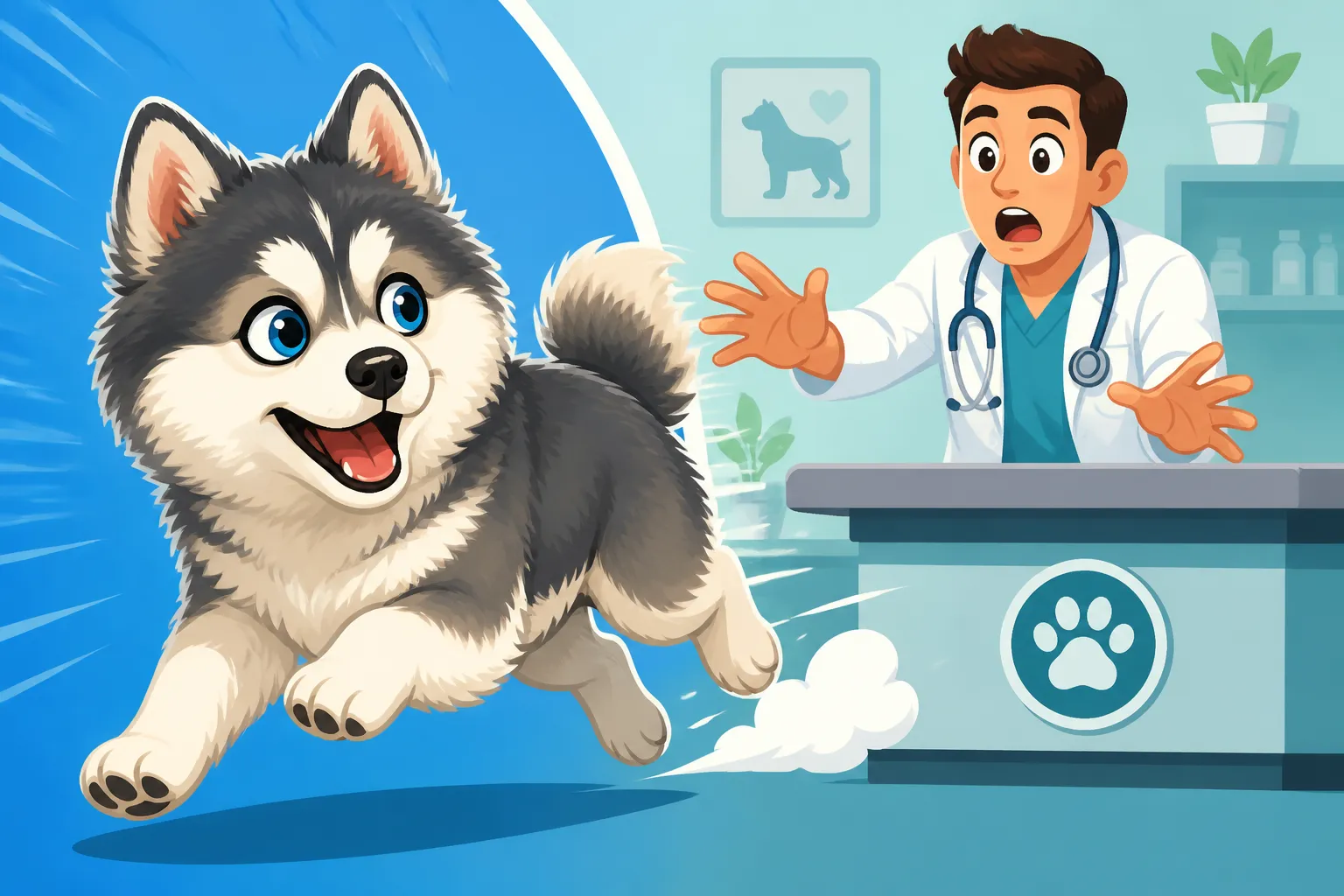
It's a common, nerve-wracking scenario for many Pomsky parents: you're at the vet, the waiting room is buzzing with unfamiliar smells and sounds, and your normally well-behaved companion suddenly spies an opening and bolts. This isn't just an inconvenience; it's a genuine fear, especially with a breed known for its cleverness and independent streak. This guide will delve into why your Pomsky might make a run for it at the vet, the very real dangers involved, and crucially, how you can prevent it and what to do if it happens.
Understanding Why a Pomsky Might Bolt at the Vet
Pomskies are a fascinating blend of two very different personalities: the adventurous, sometimes aloof Siberian Husky and the spirited, often sassy Pomeranian. This unique genetic cocktail means they can inherit a complex array of behaviors that might lead to a sudden dash for freedom in a stressful environment like a vet clinic.
The Husky Influence: Flight Instinct and Curiosity
The Husky side of your Pomsky brings a strong sense of independence, an insatiable curiosity, and a formidable prey drive. Huskies are known for their ability to explore and cover vast distances, and this instinct can manifest in your smaller Pomsky as an urge to "investigate" or "escape" when feeling confined or overwhelmed. Think about it: a vet clinic is full of new scents from other animals, strange people, and unusual noises. To a Pomsky, especially one with a strong Husky heritage, this can trigger an exploratory impulse or even a flight response if they perceive a threat or simply find an enticing "exit route." It's not necessarily disobedience; it's instinct kicking in. They might not be trying to run away from you, but rather towards something interesting or away from something scary. This is why you often hear about The Pomsky Escape Artist in a Twenty Pound Body.
This flight instinct is particularly pronounced if your Pomsky feels threatened or cornered. Unlike some breeds that might freeze or become aggressive, a Husky-influenced Pomsky might opt for evasion. The sudden opening of a door, a loud noise from another patient, or even just a moment of inattention from their owner can be all the opportunity they need. They're often faster and more agile than they appear, capable of weaving through legs and disappearing in a flash.
The Pomeranian Sass: Fear, Stress, and Sensory Overload
On the other side of the family tree, the Pomeranian contributes a dose of spiritedness, but also a tendency towards being more sensitive and sometimes anxious in new or intimidating situations. Smaller dogs, like Pomeranians, can sometimes feel more vulnerable, and a bustling vet clinic can be incredibly overwhelming for them. All those giant humans, strange-smelling large dogs, and the general clinical atmosphere can be a lot to process.
A Pomsky drawing more from its Pomeranian lineage might bolt not out of a desire to explore, but out of sheer fear or panic. They might be trying to escape what they perceive as a dangerous situation, or simply seeking a safe haven away from the chaos. The stress can build quickly, and a sudden movement or loud sound could be the trigger that sends them scrambling. The Suspicion a Pomsky Gets From the Pomeranian can mean they are already on high alert before you even walk through the door. This isn't "sass" in a cute way; it's a genuine expression of distress. They might try to hide, or if given the chance, disappear from the stressful environment altogether.
The "Novelty Effect" of the Vet Environment
Beyond their breed predispositions, the vet clinic itself presents a unique challenge. It's not a place most dogs visit regularly for fun. For many Pomskies, it's a place associated with uncomfortable procedures, strange smells of antiseptic and other stressed animals, and being handled by unfamiliar people. Even if your Pomsky is generally well-socialized, the combination of these novel and often negative stimuli can be a recipe for a bolt.
Consider the layout: often, there are multiple doors, busy hallways, and a lack of predictable patterns. A Pomsky's intelligence and curious nature, coupled with the underlying instincts from its parent breeds, can lead it to see an open door not as a boundary, but as an exciting new adventure waiting to happen. The sudden opportunity to escape the perceived discomfort or simply explore a new territory can be incredibly tempting. This "novelty effect" is amplified when the dog is already feeling anxious or overstimulated, making a bolt more likely than in a familiar, calm setting.
The Real Risks of a Pomsky Bolting at the Vet
A fleeting escape might seem like a minor hiccup, but when it happens at a vet clinic, the consequences can be far more severe than just an extended game of chase. The environment itself, coupled with your Pomsky's small size and quick reflexes, creates a host of dangers.
Physical Dangers: Injuries and Accidents
Imagine your Pomsky, in a panicked state, darting through a busy parking lot or a chaotic waiting room. The risks are immediate and terrifying.
- Traffic Accidents: Many vet clinics are located near busy roads. A bolting Pomsky could easily run into traffic, leading to serious injury or even death. Their small size makes them incredibly difficult for drivers to see, especially in a sudden dart. This is a nightmare scenario for any dog owner.
- Falls and Collisions: Within the clinic itself, there are hazards. They could slip on polished floors, collide with other animals or people, or tumble down stairs. A quick, panicked sprint can lead to twisted ankles, broken bones, or head injuries, adding another medical emergency to your visit.
- Interactions with Other Animals: A vet clinic is full of other animals, many of whom are also stressed, sick, or fearful. A bolting Pomsky might run directly into an aggressive dog, or inadvertently provoke a confrontation. Even if your Pomsky is friendly, a scared or territorial dog might react poorly to a sudden, fast approach, leading to bites or fights.
These aren't just theoretical dangers; they are real possibilities that underscore the importance of prevention. The split second it takes for your Pomsky to dart out can change everything.
The Peril of Permanent Escape
Beyond immediate physical dangers, there's the heartbreaking possibility of a permanent escape. Pomskies, with their Husky-derived independence and strong prey drive, can be notoriously difficult to catch once they've decided to run. Recall on a Pomsky Bred From a Dog That Runs is notoriously difficult to instill to a reliable degree, especially when fear or excitement takes over.
- Getting Lost: Once outside the familiar scent bubble of the clinic, a scared or excited Pomsky might run for miles, quickly becoming disoriented. Their curiosity can lead them far from where they started, making it incredibly difficult for you to track them down.
- Lack of Identification: While most responsible owners microchip their pets, an escaped Pomsky might not be immediately found or scanned. Even with a collar and tags, if they run far enough, they might end up in an unfamiliar neighborhood where people don't know who to call.
- Predators and Other Threats: Depending on the area, an escaped Pomsky could face dangers from wildlife, unkind people, or even simply exposure to the elements if they're out for an extended period. The longer they're gone, the greater the risks.
The fear of your beloved companion disappearing forever is a powerful motivator to ensure their security at all times, but especially in high-risk environments like the vet's office.
Impact on Future Vet Visits and Trust
Even if your Pomsky is safely recovered after a bolt, the incident itself can have lasting negative effects on their perception of vet visits. A stressful, fear-filled escape can solidify their association of the clinic with fear and anxiety.
- Increased Fear and Anxiety: A bolting incident can worsen existing fear or create new phobias. Future visits might become even more difficult, with your Pomsky showing increased resistance, shaking, panting, or even aggressive behaviors in an attempt to avoid the perceived threat. This can turn routine check-ups into a battle, making veterinary care a stressful ordeal for everyone involved.
- Damaged Trust: If you had to forcefully grab or chase your Pomsky, it could temporarily damage the trust they have in you. They might associate you with the unpleasantness or the chase, even if you were just trying to keep them safe. Rebuilding that trust takes time and consistent positive reinforcement.
- Difficulty for Vet Staff: A dog that is known to bolt requires extra precautions from vet staff, potentially slowing down appointments and creating a more stressful environment for them as well. The goal is always to make vet visits as calm and efficient as possible, and a bolting dog complicates that significantly.
Proactive Strategies to Prevent Bolting at the Vet
The best defense against a Pomsky bolting at the vet is a strong offense rooted in training, socialization, and thoughtful preparation. It’s about building a foundation of confidence and control long before you ever step foot in the clinic.
Early Socialization and Positive Associations
Starting early is key. Your Pomsky puppy needs to learn that the world isn't a scary place, and that new experiences can be positive.
- Puppy Socialization Classes: Enroll in well-run puppy classes. These environments expose your Pomsky to new sights, sounds, smells, and other dogs in a controlled, positive way. A program like BAXTER & Bella offers online puppy training that can help lay this foundation from the comfort of your home, reducing the initial shock of novel environments. They often cover crucial foundational elements that make future public outings much easier.
- "Happy Visits" to the Vet: Before your Pomsky ever needs a shot or an exam, take them to the vet clinic just for fun. Pop in, get a treat from the front desk staff, say hello, and then leave. Repeat this a few times a month. The goal is for them to associate the vet's office with positive experiences, not just pokes and prods. Don't go into the exam room unless it's a specific "happy visit" dedicated to that. The lobby is a great start.
- Exposure to Varied Environments: Take your Pomsky to many different places – parks, pet-friendly stores, friends' houses. The more they experience the world, the less likely they are to be overwhelmed by the unique stimuli of a vet clinic. Make sure these exposures are always positive, with plenty of treats and praise.
Desensitization and Counter-Conditioning Techniques
Many vet procedures involve touch and restraint. Desensitizing your Pomsky to these sensations at home can make a world of difference.
- Simulate Examinations: Practice gently handling your Pomsky's paws, ears, mouth, and tail regularly. Look in their ears, lift their lips to inspect their teeth, and gently palpate their legs. Pair these actions with high-value treats and praise. Start with very short sessions, gradually increasing duration. This teaches them that being handled in these ways is safe and rewarding.
- Practice for Procedures: If you know your Pomsky will need a shot, gently pinch a bit of skin on their neck and give them a treat. If they need their temperature taken, practice lifting their tail and touching their rear, again with rewards. This reduces the shock of unfamiliar sensations.
- Introduce Restraint Positively: Practice holding your Pomsky close, like they might be held for an examination, for brief periods, always pairing it with treats. You can even use a towel to gently wrap them (like a burrito) if they're small enough, rewarding them for calm behavior. This helps them feel more comfortable and less likely to struggle or try to escape when a vet tech needs to hold them securely.
The Right Gear and Handling for Security
The gear you use and how you handle your Pomsky are critical for preventing escapes.
- Secure Harness, Not Just a Collar: A Pomsky's ability to back out of a collar is legendary. A well-fitting, escape-proof harness is non-negotiable. Look for harnesses that have a snug fit, and ideally, an extra strap around the waist or a double-clip system that attaches to both the back and chest. Brands available on Amazon often feature options specifically designed to prevent escape. Ensure it's not too loose, as they can Houdini their way out of surprisingly tight spaces.
- Double Leashing: For extra security, consider using two leashes attached to different points on the harness, or one leash attached to the harness and another to a well-fitting flat collar. This provides a backup in case one attachment fails.
- Crates and Carriers: For very small Pomskies or those prone to extreme anxiety, a secure, escape-proof carrier is your best friend. Make sure it's well-ventilated and comfortable, with a soft blanket inside. This keeps them contained and safe in the waiting room and during transport. Many owners find sturdy plastic carriers or soft-sided ones (for calm dogs) provide the necessary security.
- Maintain Control: Always keep your Pomsky on a short leash, close to your side, especially in the waiting room or near doors. Don't let them wander or greet other animals unless explicitly permitted and safe to do so. Your attention should be 100% on them. This active management is crucial. Whether a Pomsky should wear a harness is not even a question; it's a necessity.
Building a Strong Recall in Any Environment
A reliable recall is your ultimate safety net, though it's notoriously challenging with a Pomsky.
- High-Value Rewards: Pomskies are often highly food-motivated. Use their absolute favorite, irresistible treats for recall training – think cooked chicken, cheese, or hot dogs. These treats need to be special, reserved only for recall.
- "Come" as the Best Thing Ever: Make coming to you the most exciting and rewarding experience possible. Practice in low-distraction environments first, then gradually introduce more distractions. Start in your living room, then your yard, then a quiet park.
- Emergency Recall Word: Have a distinct "emergency recall" word that you only use when it's truly critical. This word should always be paired with the highest possible reward and never used casually. If your Pomsky bolts, this is the word you'll use.
- Professional Help: If you're struggling to build a reliable recall, don't hesitate to seek help from a certified professional dog trainer. They can provide tailored guidance and techniques specifically for breeds with strong independent streaks like Pomskies. Services like BAXTER & Bella can also provide structured online courses to help you master this vital command.
| Prevention Strategy | Key Actions | Benefit |
|---|---|---|
| Early Socialization | Puppy classes, varied exposures, "happy visits" to vet | Builds confidence, positive associations with novel places |
| Desensitization | Practice handling (paws, ears, mouth), simulate procedures with treats | Reduces fear of vet exam touch, makes handling less stressful |
| Secure Gear | Well-fitting harness (double-clip), double leash, secure carrier | Physical containment, prevents backing out of collars |
| Strong Recall Training | High-value rewards, "emergency recall" word, professional guidance | Safety net if accidental escape occurs, increases responsiveness |
| Active Management | Keep on short leash, close proximity, constant supervision at vet | Prevents opportunities for escape, maintains owner control |
What to Do If Your Pomsky Attempts to Bolt
Despite all your best efforts, sometimes things happen. A door might unexpectedly open, a loud noise might startle your Pomsky, or their instinct might just take over. Knowing what to do in those terrifying moments can make all the difference.
Immediate Steps to Regain Control
The crucial first seconds after a bolt can determine the outcome. Your reaction needs to be swift and strategic, not panicked.
- Do NOT Chase (Initially): This is counter-intuitive for many owners, but chasing a Pomsky often makes them run faster and view it as a game or a further threat. If your Pomsky has bolted a short distance and is looking back, try to get their attention by calling them in an excited, happy voice, not an angry or fearful one. Get low to the ground, act excited, clap your hands, or even pretend to run away from them in short bursts. This can pique their curiosity and make them want to come investigate.
- Deploy Your Emergency Recall: If you have an "emergency recall" word, now is the time to use it. Shout it clearly and loudly, immediately followed by the promise of the highest-value treat you can think of. If you have those special treats with you (and you always should for a vet visit!), show them the treat. Many Pomskies are highly motivated by food, and a sudden, irresistible offer might override their flight instinct.
- Create a Barrier: If you can, quickly try to block off escape routes. Ask anyone nearby to help by standing in doorways or forming a temporary human barrier. At a vet clinic, staff are usually very adept at quickly closing doors or corralling an escaped animal. Don't be afraid to immediately ask for their assistance.
- Stay Calm (As Much As Possible): Your stress will transfer to your dog. Take a deep breath, try to project a calm demeanor, and focus on your plan. This helps you think clearly and keeps your Pomsky from escalating their fear.
Post-Incident Follow-Up and Prevention
Once your Pomsky is safely back with you, the work isn't over. It's time to learn from the incident and double down on prevention.
- Assess the Trigger: What caused the bolt? Was it an open door, another dog, a loud noise, or a particular person? Identifying the trigger is essential for developing a more targeted prevention strategy. For example, if it was a specific type of noise, you might need to work on desensitizing your Pomsky to that sound at home.
- Re-evaluate Your Gear and Training: Was your harness secure enough? Did the leash snap? Was your recall not as strong as you thought? This is a critical time to upgrade your gear – perhaps investing in a truly escape-proof harness available on Amazon or a sturdier leash. Revisit your training regimen, focusing heavily on recall and "leave it" commands in distracting environments. If your dog still struggles with impulse control or anxiety, consider signing up for advanced training with a professional, possibly through online resources like BAXTER & Bella, which offer courses on building confidence and focus.
- Consult Your Vet for Anxiety: If the bolt was clearly fear-driven, talk to your veterinarian about strategies for managing your Pomsky's anxiety during clinic visits. They might suggest calming aids, behavioral modification techniques, or even medication for very severe cases. Sometimes, a prescriptive approach can make a world of difference in reducing stress.
- Reinforce Positive Experiences: After the scare, make sure the next few interactions with the vet clinic are positive. Schedule another "happy visit" where nothing scary happens, just treats and praise. Rebuild that positive association. Remember that consistency and patience are your best tools in managing a Pomsky's natural instincts.
The bond you share with your Pomsky is incredibly special, and keeping them safe is paramount. By understanding their unique behavioral tendencies and implementing proactive strategies, you can minimize the risk of a terrifying escape and ensure that vet visits remain as calm and stress-free as possible for everyone involved.
Disclaimer
This article is for general informational purposes only and does not constitute professional advice. Laws, prices and regulations vary by location and change over time. Consult a qualified professional for guidance on your specific situation.