Whether a Pomsky Comes Back From a Scent
The dream of a perfectly obedient Pomsky, trotting faithfully at your side on an off-leash adventure, is a lovely one. However, the stark reality for many Pomsky owners hits hard when their beloved companion catches a scent – be it a squirrel, a rabbit, or even just the lingering smell of another dog – and suddenly, your calls become mere background noise as they disappear into the distance. This guide is dedicated to exploring why Pomskies are so driven by scent, the challenges it poses for recall, and realistic strategies to manage this powerful instinct for their safety and your peace of mind.
Understanding the Pomsky's Ancestral Scent Drive
It's easy to look at a fluffy, adorable Pomsky and forget that underneath that charming exterior lies a powerful blend of ancient working and companion dog genetics. Both the Siberian Husky and the Pomeranian contribute significantly to your Pomsky's keen sense of smell and independent nature, traits that directly impact their response to captivating scents in the environment.
The Husky's Ancestral Hunting Instincts
Let's start with the Siberian Husky, one half of the Pomsky equation. Huskies were bred for endurance and pulling sleds across vast, snowy landscapes. But long before they were hauling sleds, their ancestors were likely hunting alongside humans, relying heavily on their sense of smell to track prey. This deep-seated instinct for detection and pursuit is firmly wired into their DNA. When a Husky catches a scent, particularly a fresh one from a small animal, their brain essentially lights up with ancient programming. It’s not about being disobedient; it’s about responding to a primal call that has ensured survival for generations. They are born to follow a trail, and that drive doesn't magically vanish just because they're now a beloved house pet.
The Pomeranian's Curiosity and Independent Streak
Now, let's consider the Pomeranian side. While smaller and primarily known as a companion breed today, Pomeranians descend from much larger Spitz-type dogs that were often used for herding and guarding. These dogs also possessed a strong sense of their surroundings, including scent, and a remarkable independent spirit. Poms, despite their size, are often described as big dogs in small bodies, full of confidence and sometimes a stubborn streak. When a Pomeranian catches a scent, their inherent curiosity and self-assuredness can easily take over, leading them to investigate, often ignoring calls from their owners. They aren't always looking for something to chase, but rather something intriguing to explore, and their excellent sense of smell is their primary tool for discovery.
How These Traits Manifest in a Pomsky
When you combine these two distinct, yet complementary, ancestral traits, you get a Pomsky with a highly developed and irresistible scent drive. Your Pomsky isn't just sniffing the ground absentmindedly; they're reading a complex newspaper of smells, each telling a story of who has passed by, when, and where they went. A fresh rabbit trail might be an urgent summons for a Husky, while the lingering scent of another dog around a tree becomes an engrossing novel for a Pomeranian. For a Pomsky, it's often a combination of both: the thrill of the chase if it's prey-related, and the insatiable curiosity of exploring the world through their nose. This means that a Pomsky's decision to follow a scent isn't a conscious choice to defy you; it's an overwhelming biological imperative, making "come back" a very distant concept in that moment. It's a key reason why many owners find themselves with The Pomsky Escape Artist in a Twenty Pound Body.
The Reality of Recall in the Face of Scent
Many owners invest countless hours into teaching their Pomsky a reliable recall in a controlled environment. They practice in the yard, at the dog park, or even in quiet open spaces. They use high-value treats and enthusiastic praise, and their Pomsky seems to respond beautifully. Then, one day, that perfect recall vanishes the moment a tempting scent wafts by. This sudden disconnect can be incredibly frustrating and even dangerous, leaving owners feeling defeated and confused.
Why Scent Overrides Training
The crucial thing to understand is that scent is often far more compelling than any treat, toy, or praise, especially for a breed mix like the Pomsky. When a powerful scent hits their olfactory receptors, it triggers an ancient part of their brain, almost like an instinctual switch flips. The chemical signals from the scent pathway often bypass the higher-level cognitive functions responsible for learned commands. Imagine being utterly engrossed in a thrilling novel or a captivating movie – so engrossed that you don't hear someone calling your name from the next room. For a Pomsky, a potent scent is that, amplified a thousandfold. Their brain is simply prioritizing a biological imperative over a learned command, no matter how well-practiced that command usually is. It's not a matter of intelligence, but of instinct.
The "Teflon Brain" Phenomenon
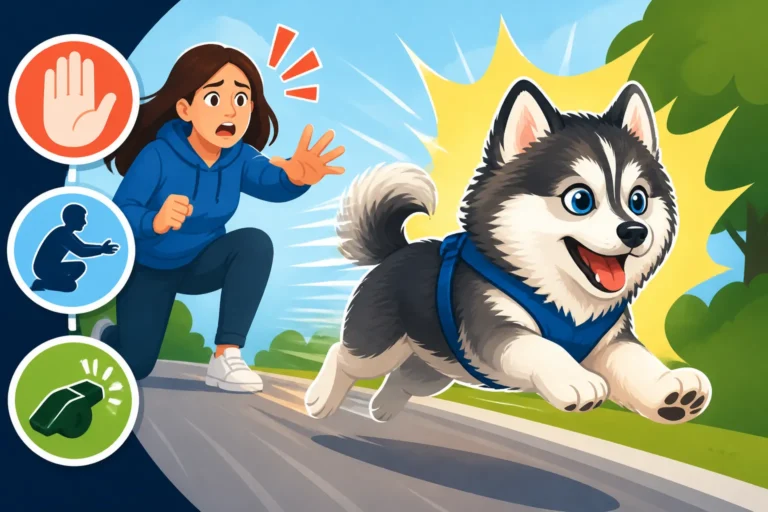
I often refer to this as the "Teflon Brain" phenomenon. You can call, whistle, jump up and down, offer the most delectable chicken, but it's like your voice and actions just slide right off their brain without making an impression. Their focus is 100% on that scent trail, and everything else is muted or irrelevant. This isn't them being deliberately stubborn or ignoring you out of spite. It's an almost trance-like state where the world shrinks to the immediate sensory input of the captivating smell. This makes building a Recall on a Pomsky Bred From a Dog That Runs an ongoing challenge, as their desire to follow a scent will often override even the most consistent training. Many owners are genuinely shocked by the sheer intensity of this focus, especially when their dog is otherwise so responsive.
The Dangers of Unreliable Recall
An unreliable recall when a Pomsky is on a scent trail poses significant risks. First and foremost is the danger of traffic. A Pomsky with their nose to the ground, single-mindedly following a trail, is oblivious to cars, bikes, or other moving hazards. They can dart into a street without a moment's hesitation. Beyond traffic, there's the risk of getting lost, especially if they follow a scent deep into unfamiliar territory. A Pomsky can cover a surprising amount of ground quickly, making it incredibly difficult to track them down. They could also encounter other animals, potentially getting into fights or scaring wildlife. Furthermore, a lost Pomsky is vulnerable to unkind people, harsh weather, or lack of food and water. This is why the question of Whether a Pomsky Can Ever Be Off Leash is such a serious consideration, and for many, the answer in an unfenced or uncontrolled environment is a firm "no."
Strategies for Managing Scent-Driven Wandering
Given the powerful nature of a Pomsky's scent drive, simply hoping for a perfect recall in every situation isn't a realistic strategy. Instead, a multi-faceted approach combining rigorous training, intelligent environmental management, and a focus on building engagement is your best bet for keeping your Pomsky safe and contained.
Foundation Training for a Solid Recall
While a perfect recall against a high-value scent is incredibly challenging, building the strongest possible foundation is still paramount. Start training recall in low-distraction environments, making it a highly rewarding and positive experience every single time. Use enthusiastic praise and the highest value treats imaginable – chopped hot dogs, cheese, cooked chicken. Practice frequently, but keep sessions short and fun. Introduce distractions gradually, always ensuring success before increasing the difficulty. Remember, you're not just teaching them to come when called; you're building a strong association that you are the source of all good things, even when something else is tempting. Consider an online training program, like those offered by BAXTER & Bella, which can provide structured lessons and support for building a reliable recall in various environments, helping to solidify the bond and responsiveness before tackling high-distraction scenarios.
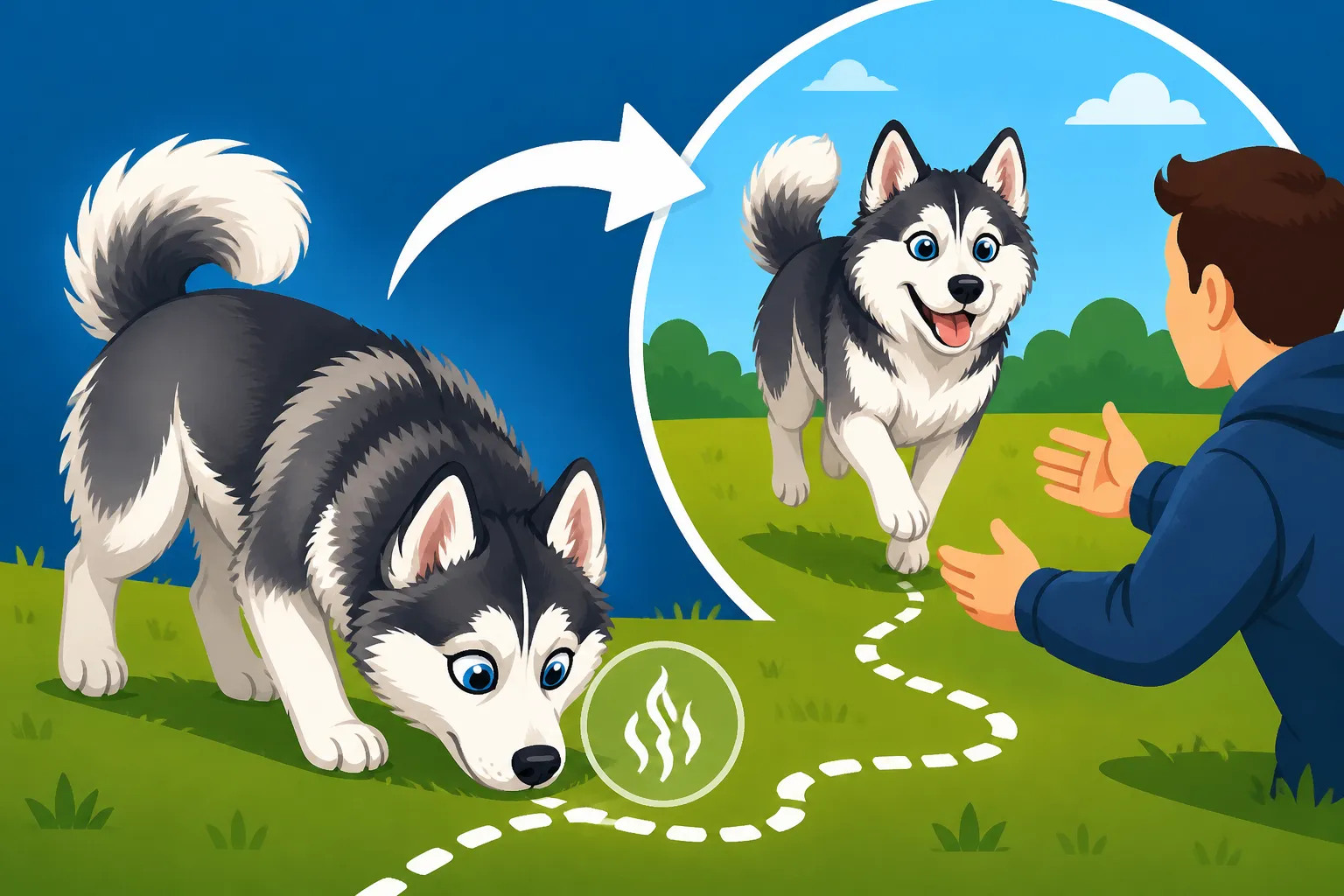
Once your Pomsky understands the command in controlled settings, introduce a long line. A 30-50 foot long line, readily available on Amazon or at any pet store, allows your Pomsky to explore scents while still being safely attached to you. This tool is invaluable for practicing recall in more stimulating environments without the risk of them bolting. Every time they respond to your call, even on the long line, reward them generously. Practice suddenly changing direction and calling them, making recall less predictable and more of a fun game. This consistent effort helps in Building a Recall a Pomsky Answers over time, reinforcing that coming back to you is always worth it.
Environmental Management and Prevention
Prevention is often the most effective strategy when dealing with a strong scent drive. This means making conscious choices about where and how your Pomsky exercises. For most Pomskies with an established scent drive, off-leash freedom in unfenced, uncontrolled areas is simply too risky. Instead, seek out securely fenced dog parks or private dog runs where you can relax knowing they can't simply follow a scent into danger. If your own yard isn't escape-proof, a long line is still essential, or consider reinforcing your fence. You might also look at options like coyote rollers or buried wire to prevent digging under or jumping over. The Fence a Pomsky Actually Needs is often more robust than many owners initially anticipate.
During walks, always use a secure harness – not just a collar – as Pomskies can be surprisingly adept at slipping out of collars when fixated on a scent. A well-fitting, escape-proof harness provides better control and distributes pressure more safely. Be hyper-aware of your surroundings; if you spot a squirrel or another potential trigger, preemptively shorten the leash, distract your Pomsky with a treat, or change direction. The goal is to prevent them from locking onto a scent trail in the first place, or at least to give yourself the best chance of managing the situation if they do. For owners struggling with particularly strong prey drive, investing in a GPS tracker, also easily found on Amazon, is a wise backup, offering peace of mind should the worst happen. This doesn't replace training or management, but acts as a crucial safety net.
Building a Stronger Bond and Engagement
A strong bond and high engagement with you are your secret weapons against the lure of external scents. If your Pomsky views you as the most exciting, rewarding, and interesting part of their world, they'll be more inclined to check in with you, even when temptations arise. This means more than just training commands; it means playing interactive games, engaging in regular training sessions that are fun and varied, and simply spending quality time together. Practice "look at me" commands, eye contact, and engagement games where you randomly reward them for simply being near you and paying attention.
Incorporate activities that safely engage their scent drive, rather than constantly fighting against it. Scent work games, like hiding treats around the house or yard and having them sniff them out, can be incredibly enriching and fulfilling for a Pomsky. It allows them to use their powerful nose in a controlled, rewarding way, channeling that instinct into a positive outlet. When they're focused on a game with you, they're less likely to be scanning the environment for illicit scent trails. This active partnership strengthens their desire to engage with you, making your requests more compelling than a distant, fleeting smell.
Tools and Resources to Aid Scent Management
Managing a Pomsky's scent drive effectively often requires a combination of smart tools, consistent training, and sometimes, a little professional guidance. It's about equipping yourself with everything you need to keep your furry friend safe and happy.
Essential Gear for Scent-Driven Dogs
Investing in the right gear can make a world of difference. As mentioned, a well-fitting harness is non-negotiable. Look for harnesses that have a front clip option, which can help redirect a pulling Pomsky more effectively. Double-ended leashes, which attach to both the front and back of a harness, offer even more control. A sturdy, long line (30-50 feet) is crucial for safe outdoor exploration and recall practice in open, but contained, areas. You can find a wide variety of these on online retailers like Amazon, often with different materials and lengths to suit your needs.
Beyond the basics, consider a high-quality, comfortable GPS tracker that attaches securely to their collar or harness. This gives you an invaluable safety net. If, despite all your precautions, your Pomsky does manage to slip away on a scent trail, a tracker can drastically increase your chances of finding them quickly. And don't forget high-value treats! These are a piece of "gear" in themselves, as they are your most potent currency for rewarding attention and recall. Keep a variety on hand to maintain novelty and motivation, especially when working in distracting environments.
Training Aids and Professional Help
While consistency at home is key, sometimes you need a little extra help. Group obedience classes can be fantastic for introducing distractions in a controlled environment and working on recall with other dogs present. A professional dog trainer, particularly one experienced with Nordic breeds or strong prey drives, can provide personalized strategies and troubleshoot specific challenges you're facing. They can offer insights into Whether a Pomsky Is Stubborn or Independent and tailor approaches that resonate with your individual dog's personality.
Online training platforms can also be a valuable resource. For instance, BAXTER & Bella offers a lifetime membership with comprehensive courses, including those focused on recall and off-leash reliability. These platforms often break down complex behaviors into manageable steps, provide video tutorials, and sometimes even offer one-on-one virtual coaching. They can be particularly helpful for busy owners who need flexibility in their training schedule. Remember, you're not failing if you seek help; you're being a responsible owner who wants the best for their Pomsky.
Engaging the Scent Drive Safely
Instead of constantly fighting your Pomsky's natural inclination to sniff, embrace it! Engage their incredible sense of smell in safe, structured ways. Scent work, sometimes called "nose work," is an excellent dog sport that allows your Pomsky to use their natural abilities to search for specific odors or hidden treats. This provides immense mental stimulation and satisfaction, burning energy in a way that regular walks might not. Even simple "find it" games with treats hidden in your home or yard can be very enriching.
Puzzle toys that require sniffing and problem-solving to dispense treats are another great way to channel their drive indoors. Consider feeding part of their meals in snuffle mats or puzzle feeders to make mealtime an enriching scent-driven activity. These activities not only provide mental exercise but also reinforce that engaging with you and your games is fun and rewarding, strengthening your bond. This approach often leads to a more content and less frustrated Pomsky, and ultimately, one who is more likely to choose you over a tantalizing scent in the wild.
| Aspect | Description |
|---|---|
| Scent Drive | Instinct to follow compelling odors, derived from both Husky's hunting lineage and Pomeranian's curious nature. Overrides learned commands, leading to a "Teflon Brain" effect. |
| Recall Challenge | Pomskies on a scent trail often become oblivious to owner's calls and commands. This is not defiance, but an intense focus driven by ancient instincts. |
| Dangers | Risk of traffic accidents, getting lost, encountering aggressive animals, or harm from the environment. Makes off-leash freedom in uncontrolled areas highly risky. |
| Management Tools | Secure Harness: Prevents slipping out, offers better control. Long Line: Allows safe exploration and recall practice in open areas. High-Value Treats: Essential motivators for training. GPS Tracker: Crucial safety net if a Pomsky gets lost. |
| Training Focus | Foundation Recall: Consistent, positive reinforcement in low-distraction settings. Engagement: Build strong bond through play, interactive games, and structured scent work. Professional Guidance: Consider trainers experienced with scent-driven breeds or online programs like BAXTER & Bella. |
| Prevention | Fenced Areas: Prioritize securely fenced locations for off-leash time. Leash Awareness: Anticipate distractions, shorten leash, distract when triggers appear. Safe Scent Work: Channel natural instincts into controlled indoor/yard activities (e.g., snuffle mats, puzzle toys). |
Disclaimer
This article is for general informational purposes only and does not constitute professional advice. Laws, prices and regulations vary by location and change over time. Consult a qualified professional for guidance on your specific situation.