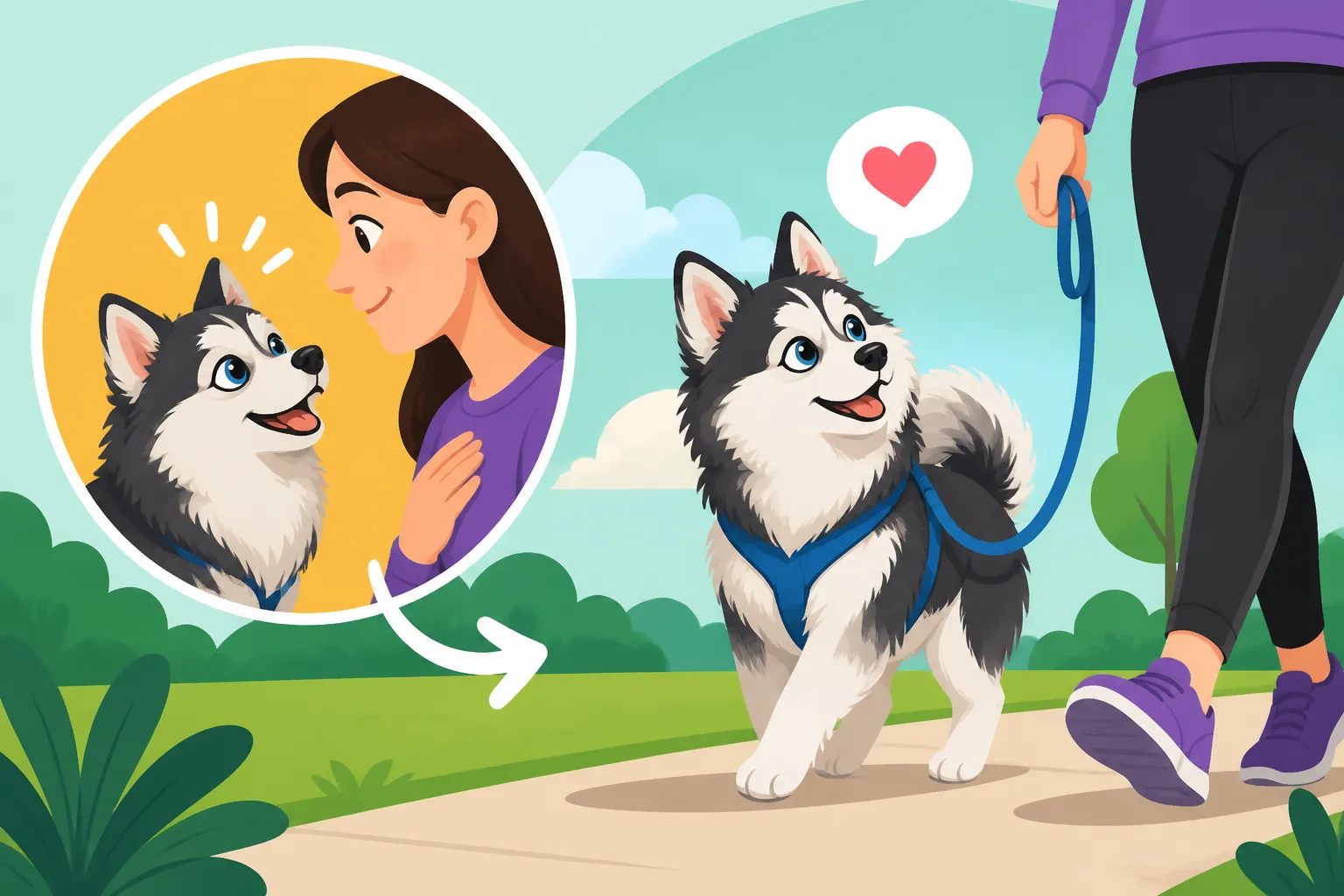
Teaching a Pomsky to Check In on a Walk
One of the most frustrating moments for any Pomsky parent is when you’re out on a walk, your beautiful dog catches sight of a squirrel, a leaf blowing just right, or another dog, and suddenly, you cease to exist. Their ears swivel, their nose goes to the ground, and your carefully practiced cues vanish into the ether of their independent spirit. This guide is all about giving you practical, realistic strategies to teach your Pomsky the invaluable skill of checking in with you, even when the world outside is screaming for their attention, turning those frustrating moments into opportunities for connection and cooperation.
Understanding Your Pomsky's Walk-Time Mindset
Let's be real, Pomskies aren't your typical "heel" dogs, always gazing adoringly up at you. They come from a lineage of two very distinct breeds, the Siberian Husky and the Pomeranian, each bringing their own unique, and sometimes challenging, characteristics to the table. This blend creates a dog that is often brilliant, charming, and incredibly stubborn, especially when it comes to outdoor adventures.
The Husky's Call to the Wild
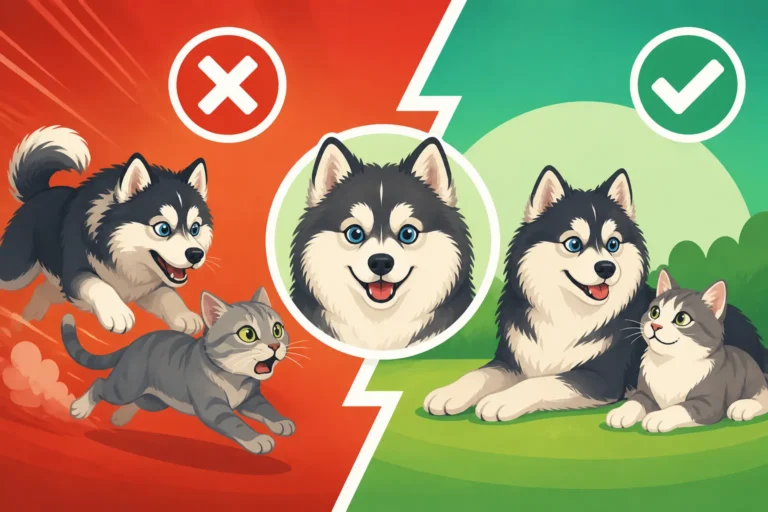
From their Husky side, Pomskies inherit a powerful instinct for exploration and an undeniable prey drive. This isn't just a playful chase; it's a deep-seated urge to hunt, to follow scents, and to cover ground. When your Pomsky's nose hits a particularly interesting patch of grass, or their eyes lock onto a bird flitting through the trees, they are simply answering a primal call that's been etched into their DNA for generations. They literally "tune out" everything else because their senses are fully engaged in the hunt. This is why a simple "come" command often feels like it's met with a deafening silence. It's not personal; it's instinct. It’s also why learning to manage The Pomsky Escape Artist in a Twenty Pound Body is so crucial.
The Pomeranian's Independent Streak
Then there's the Pomeranian influence. While Poms are smaller, they are notoriously bold, intelligent, and can have a surprising amount of "big dog" attitude in a tiny package. They’re often quite self-assured and, shall we say, opinionated. This independent streak, combined with the Husky's desire to roam, can manifest as a Pomsky who decides they know best on a walk, pulling you towards whatever catches their fancy. They're not necessarily trying to be naughty; they just have their own agenda, and sometimes, your agenda of a polite, focused walk just isn't as exciting as sniffing that intriguing fire hydrant or investigating the rustling bushes. It's an interesting dynamic, making the concept of a "check-in" so important for establishing a clear line of communication.
Building the Foundation: "Watch Me" and High-Value Rewards
Before you even step out the front door, the key to a reliable check-in starts at home, in a distraction-free environment. This is where you establish the invaluable "watch me" command and build an association between focusing on you and receiving something truly wonderful. Without this strong foundation, trying to get their attention amidst the chaos of the outside world will be an uphill battle.
Mastering the "Watch Me" Command
The "watch me" command isn't just about getting eye contact; it's about shifting your Pomsky's focus entirely to you. Start in your quiet living room or kitchen. Hold a highly desirable treat near your nose, say "Watch me!" in an upbeat tone, and wait. The moment your Pomsky even glances at your eyes, mark that behavior immediately with a verbal cue like "Yes!" or a clicker, and then reward them with the treat. Repeat this many, many times, gradually increasing the duration of eye contact you expect before the reward. Keep sessions short and fun – maybe just 5-10 repetitions at a time, several times a day. This consistency will lay the groundwork for a solid connection.
When they consistently make eye contact, start to move the treat away from your face slightly. Say "Watch me!", wait for eye contact, mark, and reward. The goal is for them to understand that your face is the source of all good things, and looking at you means good stuff is coming. You're essentially teaching them a reliable "off switch" for distractions. Remember that even with this training, your Pomsky's independent nature (referencing Whether a Pomsky Is Stubborn or Independent) means you'll always need to make focusing on you more rewarding than ignoring you.
High-Value Treats: The Ultimate Motivator
Let's be clear: your Pomsky, especially outdoors, probably won't be motivated by their regular kibble. You need to pull out the big guns for check-ins. Think "jackpot" treats. These are small, soft, incredibly delicious, and rarely given items that your Pomsky absolutely goes wild for. Cooked chicken breast, bits of cheese, hot dogs, or specially formulated high-value training treats from brands you can find on Amazon are perfect.
The reason these are so important is rooted in your Pomsky’s innate drive. Out on a walk, the smells, sights, and sounds are inherently stimulating and rewarding. To compete with that, your reward needs to be even better. If your Pomsky views your treat as mediocre, they’ll quickly decide the sniff of that bush is more worthwhile. Vary your treats too, so they never know what amazing thing they might get for checking in. This keeps them engaged and eager to participate.
Progressing to Outdoor Distractions
Once your Pomsky is reliably checking in with you indoors, it’s time to slowly introduce the complexities of the outside world. This isn't a race; it's a careful, calculated progression designed to set your Pomsky up for success and build their confidence in focusing on you, even amidst exciting new stimuli.
Mastering the Long Line
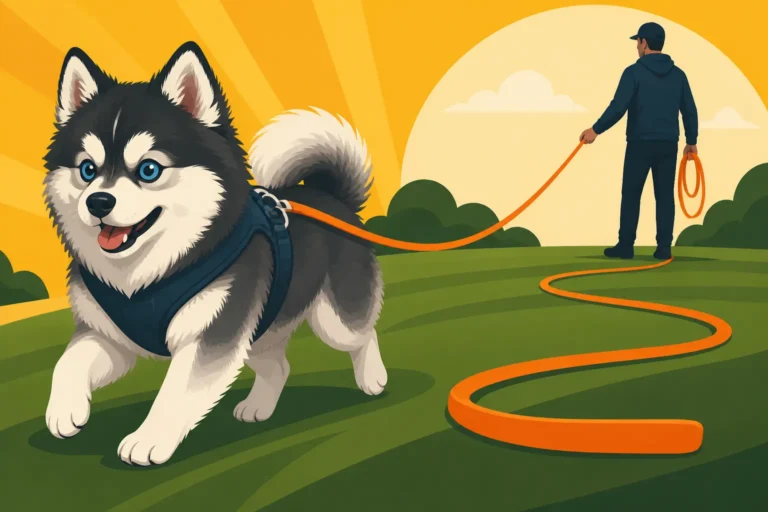
A long line (a leash anywhere from 15 to 50 feet in length) is your secret weapon for teaching check-ins and recall in a controlled outdoor environment. It allows your Pomsky the illusion of freedom while you maintain a safety net. Start in a quiet, fenced area like a deserted tennis court or a large, empty field. Attach the long line to a comfortable harness (like those available on Amazon or in pet stores, ensuring it's escape-proof as discussed in Why a Pomsky Should Wear a Harness), and let your Pomsky explore.
As they wander away, but before they get completely engrossed in something, call their name. The moment they look at you, say "Yes!" enthusiastically and reward them as they come back to you. Don't pull them in with the line; use it only as a backup. If they don't respond, gently reel them in, saying "Check in!" or "Come!" and then reward them when they reach you. This teaches them that coming back to you is always a good thing, even if they initially hesitated. Practice Working a Pomsky on a Fifty Foot Line to build reliability.
Gradual Distraction Introduction
The key here is gradual. Don't go from your quiet backyard to a bustling dog park overnight. Begin by practicing check-ins in slightly more distracting environments. Maybe your front yard while a neighbor is walking by on the sidewalk, or a quiet park early in the morning. The moment you see your Pomsky's attention start to waver towards a distraction, gently call their name or use your "watch me" cue.
Reward heavily for even a momentary glance back at you. If they get too engrossed, move further away from the distraction or change direction completely. The goal is to build their ability to voluntarily disengage from stimuli and choose to connect with you. Think of it like a game: can you get their attention before they're completely lost in the distraction? Each successful check-in in a slightly more challenging environment builds their focus muscles.
Consistency is Key: Every Walk, Every Time
This isn't a one-and-done training exercise. The check-in should become a natural, ingrained part of every single walk, every day. Make it a habit. Whether you're just stepping out for a quick potty break or embarking on a long hike, incorporate check-ins. Vary when and where you ask for them. Sometimes, it's just a quick glance; other times, it's a full stop and eye contact.
The more consistent you are, the more your Pomsky will understand that staying connected to you on a walk is part of the game. It’s not just about commands; it’s about a relationship of communication and trust. They learn that even when things are super exciting, checking in with you brings even better rewards, and often, more opportunities for fun. Remember, building a reliable Recall on a Pomsky Bred From a Dog That Runs is a lifelong endeavor, and consistent check-ins are a big part of that.
Troubleshooting Common Challenges
Even with the best intentions and consistent training, there will be days when your Pomsky seems to have forgotten every lesson you've ever taught them. It's frustrating, but it's also completely normal for a breed with their independent spirit and high prey drive. The trick is to have strategies for when things go off the rails.
When They "Turn Off Their Ears"
You've called their name, used your "watch me" cue, and they've given you the deafening silence. What now? First, resist the urge to get angry or frustrated; that will only make them less likely to engage. Instead, try these tactics:
- Change Direction Abruptly: If they're pulling or distracted, suddenly turn and walk the other way. This often breaks their focus, and they have to catch up to you. When they do, reward them generously for re-engaging.
- Make a Noise or Squeak: Sometimes a novel sound (like a clicker, or a little squeaker hidden in your pocket) can cut through the distraction. The instant they look, mark and reward.
- "Hide" from Them (on a long line or in a secure area): If they're engrossed in sniffing, quietly move behind a tree or bush. When they notice you're gone and look for you, emerge and reward them for seeking you out. This teaches them to keep track of your location.
- Emergency Recall: This is a separate, highly reinforced command reserved only for dire situations (e.g., heading towards a busy road). It should involve a unique sound or word and the absolute highest-value reward imaginable. Never use it lightly, and always practice it in controlled environments.
Avoiding Overwhelm: Don't Push Too Hard, Too Fast
One of the biggest mistakes we make as dog owners is expecting too much, too soon. If you take your Pomsky to a bustling farmers market when they're still struggling to focus in a quiet park, you're setting them up to fail. This leads to them practicing ignoring you, which is the last thing you want.
Pay attention to your Pomsky's body language. Are they stiff, panting, or excessively sniffing the ground without looking up? These can be signs of being over-threshold – too stimulated to learn or focus. If you notice these signs, it's time to shorten the walk, move to a quieter area, or simply go home. End on a positive note, even if it's just a quick "watch me" in the driveway. The goal is to gradually expand their comfort zone and focus ability, not flood it. You want them to look forward to walks, not be constantly stressed or over-stimulated. Providing them with The Exercise a Pomsky Needs to Stay Sane is important, but it must be appropriate for their current training level.
The Role of Professional Training and Online Resources
Sometimes, despite your best efforts, you might feel stuck. That's absolutely okay! Pomskies are intelligent, but they can be complex. Working with a professional dog trainer can provide invaluable personalized guidance, help you identify specific challenges, and teach you advanced techniques. They can observe your Pomsky's behavior in real-time and offer tailored solutions.
If in-person training isn't feasible, consider structured online programs. Resources like BAXTER & Bella offer comprehensive online puppy and dog training programs that cover everything from basic obedience to more advanced recall and focus work, all from the comfort of your home. These programs often break down complex behaviors into manageable steps, offer video demonstrations, and provide support from certified trainers. Utilizing these resources can be a fantastic way to supplement your efforts and ensure you're on the right track. Remember, Whether a Pomsky Needs a Professional Trainer is a question many owners ask, and there's no shame in seeking help.
| Training Step | Environment | Key Focus | Reward Type | Tools Recommended |
|---|---|---|---|---|
| Phase 1: Foundation | Quiet Home | "Watch Me" & Eye Contact | High-Value Treats | Clicker (optional) |
| Phase 2: Low Distraction | Backyard, Quiet Street | Brief Glances, Name Recognition | High-Value Treats | Long Line (optional), Harness |
| Phase 3: Moderate Distraction | Park (off-peak), Neighborhood | Sustained Eye Contact, Disengagement from mild stimuli | Varied High-Value Treats | Long Line (essential), Harness |
| Phase 4: High Distraction | Busy Park, City Sidewalk | Reliable "Check In," Emergency Recall | Jackpot Treats | Long Line (safety), Harness |
Disclaimer
This article is for general informational purposes only and does not constitute professional advice. Laws, prices and regulations vary by location and change over time. Consult a qualified professional for guidance on your specific situation.