What a Pomsky Rescue Charges in Adoption Fees
It’s a common scenario: you’ve fallen head over heels for the adorable, fluffy Pomsky, but then you start looking at breeder prices, and your jaw drops. Thousands of dollars for a puppy can be a real shock to the system, leaving many wondering if owning this charming breed is even possible. The good news is that rescue offers a pathway to Pomsky ownership that is not only often more affordable but also incredibly rewarding. This guide will walk you through exactly what you can expect when it comes to adoption fees from a Pomsky rescue, demystifying the costs and helping you prepare.
Understanding the "Why" Behind Rescue Adoption Fees
When you see an adoption fee for a rescue dog, whether it's a Pomsky or any other breed, it's easy to just see it as a price tag. But it's so much more than that. These fees aren't profit; they are the literal lifeblood of the rescue organization, covering a fraction of the immense costs involved in saving, rehabilitating, and rehoming dogs. Think about it from the rescue's perspective: they take in dogs that often come from less-than-ideal situations, and each one needs a fresh start.
Every Pomsky that enters a reputable rescue undergoes a thorough veterinary examination. This isn't just a quick once-over; it includes necessary vaccinations, deworming, and often a microchip for identification. For many dogs, especially those surrendered due to neglect or found as strays, this initial veterinary care can be extensive. There might be dental issues, skin infections, or underlying conditions that need diagnosis and treatment before the dog is healthy enough for adoption.
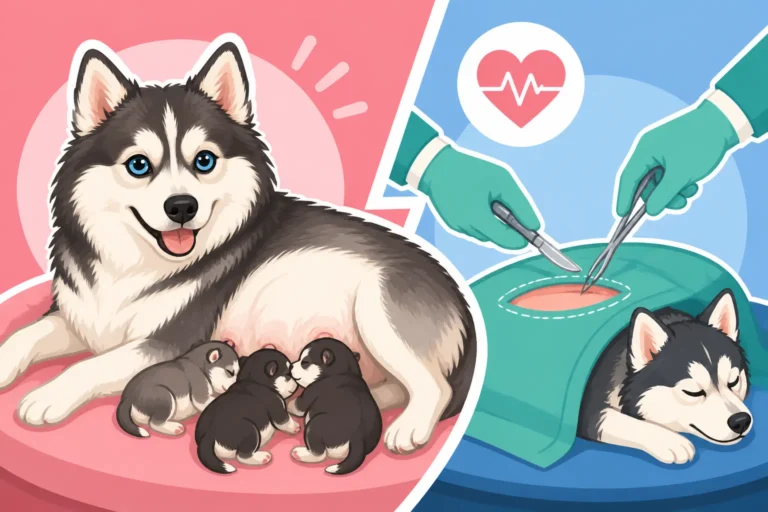
A significant portion of the adoption fee also covers spaying or neutering. This is a critical step for all responsible rescues, preventing further unplanned litters and contributing to the effort to control pet overpopulation. The cost of these procedures alone can be substantial, especially when considering the pre-surgical blood work, anesthesia, and post-operative care required. Rescues absorb these costs, ensuring that every Pomsky leaves their care ready to be a healthy, non-contributing member to the cycle of unwanted animals.
Beyond the basic medical care, there's the day-to-day upkeep. Every Pomsky needs food, bowls, leashes, collars, toys, and bedding. Multiply that by dozens of dogs, and you can imagine how quickly those expenses add up. Rescues also often invest in professional training or behavioral evaluations for dogs that exhibit particular challenges, like leash reactivity or separation anxiety. These interventions can be crucial for setting a Pomsky up for success in their new home, making the transition smoother for both the dog and the adopter.
What Factors Influence Pomsky Adoption Fees?
It can be a little puzzling when you see different adoption fees for seemingly similar dogs, even within the same rescue. The truth is, these fees are rarely arbitrary. They're carefully calculated based on a variety of factors, reflecting the individual dog's needs, the rescue's operational costs, and even market demand in some cases. Understanding these variables can help you anticipate the range of fees you might encounter.
One of the biggest factors is age. Puppies, especially those under six months, almost universally command higher adoption fees. Why? Because puppies are incredibly appealing, meaning rescues know they will be adopted quickly. This allows rescues to set a slightly higher fee for puppies, which then helps subsidize the care for older, less "desirable" dogs who might need more extensive medical attention or a longer stay. While everyone loves a tiny, fluffy Pomsky pup, rescuing an adult dog often means a slightly lower fee, and you get a dog with a more established personality and often some basic training already in place.
The health status and temperament of the Pomsky also play a significant role. A Pomsky that comes into rescue with a clean bill of health and a friendly, well-adjusted demeanor will typically have a standard adoption fee. However, a dog requiring major surgery, ongoing medication, or extensive behavioral modification might have its fee adjusted. Sometimes, a rescue might offer a "special needs" adoption fee that is lower to encourage adoption for dogs with chronic conditions, while other times, a dog that has had very expensive medical procedures fully covered by the rescue might have a slightly higher fee to help recoup some of those costs. This isn't about making money, but about trying to balance the books to save the next dog.
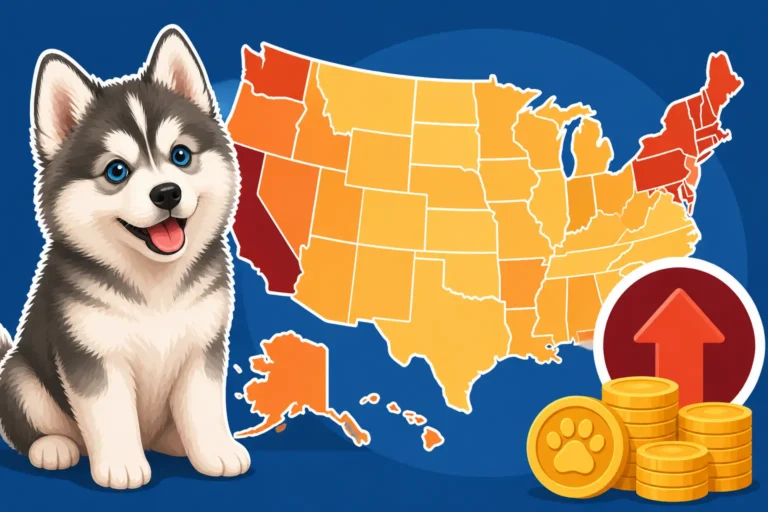
Geographical location can also influence fees. Rescues operating in areas with higher veterinary costs, more expensive rents for their facilities, or greater overall cost of living often need to charge higher adoption fees to cover their overheads. A Pomsky rescue in a large metropolitan area like Los Angeles or New York might have higher fees than one in a rural part of the Midwest. Additionally, the rescue's own policies and financial stability factor in. Some larger, well-established rescues might have more robust fundraising efforts and grants, allowing them to keep fees relatively stable, while smaller, volunteer-run operations might need to rely more heavily on adoption fees to keep afloat.
Here’s a general idea of how various factors can impact adoption fees:
| Factor | Typical Impact on Fee | Reasoning |
|---|---|---|
| Puppies (<6 mos) | Higher | High demand, helps subsidize older dogs, sometimes more frequent vet checks. |
| Young Adults (6 mos – 5 yrs) | Standard | Generally healthy, desirable age, energy levels are often manageable. |
| Seniors (6+ yrs) | Lower (sometimes waived) | Less demand, rescues want to ensure these dogs find comfort in their golden years. |
| Special Needs (Medical/Behavioral) | Varied (often lower to encourage adoption, or slightly higher if extensive upfront costs) | Aims to find homes for challenging cases, or recoup extensive vet bills. |
| Breed Popularity | Can be higher | High demand breeds, like Pomskies, allow rescues to set fees to cover more costs. |
| Location | Varies by region | Higher cost of living/vet services in some areas lead to higher fees. |
What Your Pomsky Adoption Fee Typically Covers (and What It Doesn't)
When you hand over that adoption fee, you're not just buying a dog; you're investing in a package of care and services that would cost you significantly more if you were to pay for them yourself after acquiring a dog elsewhere. It's a fantastic value, really, and knowing what's included can help you appreciate the efforts of the rescue. However, it's also crucial to understand what the fee doesn't cover, so you can budget appropriately for your new furry family member.
Most reputable Pomsky rescues will include a comprehensive suite of services within their adoption fee. This almost always starts with a full veterinary check-up upon intake, including all age-appropriate vaccinations (like distemper, parvovirus, rabies), and deworming treatments. The Pomsky will be spayed or neutered before going to their new home – a huge cost savings for you, and a non-negotiable for responsible pet ownership. A microchip, registered to the rescue or to you upon adoption, is standard practice, offering peace of mind if your little escape artist ever gets lost. You can read more about why rescues get Whether Pomskies Are Surrendered. Many rescues also provide a small "starter pack" with some of the food the Pomsky has been eating (perhaps from a brand like Chewy), a collar, a leash, and sometimes a favorite toy or blanket to help with the transition.
What the adoption fee generally doesn't cover are the ongoing costs of pet ownership, which begin the moment your Pomsky walks through your door. You'll need to budget for their regular food supply. While some rescues might start them on a specific diet, you might choose to transition to a higher-end brand like Ollie or simply continue with a reputable kibble. Then there are the annual vet check-ups, booster vaccinations (if applicable), and flea/tick and heartworm prevention. These are essential for maintaining your Pomsky's health. You can get a better idea of these expenses by looking into What a Pomsky's Vet Bills Look Like.
Beyond medical, you'll need to consider grooming supplies, potential professional grooming visits (especially if your Pomsky has a dense double coat), and ongoing training classes. Even if the rescue has done some foundational work, continued training is key for a Pomsky, given their intelligent and sometimes stubborn nature. Remember, things like pet insurance from providers like Healthy Paws are also an ongoing expense, but one that can be invaluable for unexpected medical emergencies. The adoption fee covers the rescue's expenses to get the dog ready for a home; your responsibility is to provide for their needs for the rest of their life.
The Application and Adoption Process for a Rescue Pomsky
Finding a Pomsky through a rescue isn't like buying a new gadget; it's a careful matching process designed to ensure the dog goes to a loving, suitable, and permanent home. Rescues are deeply committed to their dogs and want to prevent them from ever ending up in a shelter again. This means their application and adoption procedures are thorough, which, while sometimes feeling a little intrusive, are ultimately for the dog's best interest.
The journey usually begins with an application form, which you'll typically find on the rescue's website. This form is comprehensive, asking about your living situation, previous pet ownership experience, lifestyle, work schedule, and what you're looking for in a dog. Be honest and detailed; this helps the rescue understand if a Pomsky, with its specific needs for exercise, training, and mental stimulation, is truly the right fit for you. They might also ask about your experience with a The Pomsky Escape Artist in a Twenty Pound Body or how you'd manage Recall on a Pomsky Bred From a Dog That Runs.
After reviewing your application, a rescue volunteer will often conduct a phone interview. This is a chance for them to clarify any points on your application and for you to ask any questions you might have about the adoption process or specific Pomskies available. Following this, many rescues will arrange a home visit. Don't worry, they're not there to judge your housekeeping skills! They want to ensure your home environment is safe and appropriate for a dog, looking for things like a securely fenced yard if you have one (essential for a Pomsky, as they are known for being escape artists and a The Fence a Pomsky Actually Needs is crucial), and to discuss where the dog will sleep and spend its time. They might also want to see how any existing pets or family members interact with the idea of a new dog. You can also specifically ask about Whether a Rescue Pomsky Is Health Tested during this stage.
Once you've passed the initial screenings, the exciting part begins: meeting your potential new Pomsky! This meet-and-greet is crucial for both you and the dog. It allows you to see their personality firsthand and ensure there's a good connection. If everyone agrees it's a match, you'll then move to signing an adoption contract and paying the adoption fee. The contract is a legally binding document outlining your responsibilities as the new owner, often including clauses about providing proper care, not rehoming the dog without the rescue's knowledge, and even returning the dog to the rescue if the adoption doesn't work out. It's a safeguard for the dog, ensuring their welfare remains paramount.
The Value of Adopting a Pomsky from a Rescue
When you consider the initial investment and the extensive process, adopting a Pomsky from a reputable rescue truly represents incredible value, far beyond the dollar amount of the adoption fee itself. You're not just getting a dog; you're getting a dog that has been thoroughly vetted, medically cared for, and often evaluated for temperament, making the transition into your home much smoother. This often means less stress and fewer unexpected vet bills in the crucial first few months, which can be a significant relief for new owners.
Think about the health screenings alone. A responsible rescue will ensure the Pomsky is up-to-date on all vaccinations and has been spayed or neutered. These costs, if paid out-of-pocket, can quickly add up to hundreds of dollars. Many rescues go further, treating any existing medical conditions, no matter how minor or major. This could range from ear infections to more complex issues. While no rescue can guarantee a dog will be illness-free for life, they certainly do their best to send them home as healthy as possible. This is a huge benefit compared to potentially buying a "cheap" Pomsky from an unknown source where you could inherit significant medical expenses right off the bat. The question of Whether Adopting a Pomsky Costs Less becomes very clear when you factor in the value of the care already provided.
Furthermore, rescues often have a deep understanding of each Pomsky's personality and needs, derived from time spent with the dog in foster homes or at their facility. They can provide invaluable insights into the dog's likes, dislikes, habits, and what kind of home environment would best suit them. This personalized matching process significantly increases the likelihood of a successful, long-term adoption, reducing the chances of behavioral issues stemming from a poor fit. This is something you simply won't get when buying from many breeders or pet stores.
Finally, by adopting, you become part of a larger, compassionate community. Rescues often offer ongoing support, advice, and resources to help you and your Pomsky thrive. This can include recommendations for trainers, veterinarians, or even just a sympathetic ear when you're navigating common challenges like house-training a new dog. You're not just taking a dog home; you're joining a network dedicated to animal welfare. Every adoption opens up a space for another dog to be saved, making your decision to adopt a powerful act of kindness that extends far beyond your own household.
Disclaimer
This article is for general informational purposes only and does not constitute professional advice. Laws, prices and regulations vary by location and change over time. Consult a qualified professional for guidance on your specific situation.