Whether a Pomsky Blows Coat in Spring and Fall Both
If you're a Pomsky owner, or considering becoming one, you've probably heard whispers—or outright shouts—about the shedding. One of the biggest questions that keeps people up at night is whether these adorable fluff-balls really blow their coat not just once, but twice a year, during both spring and fall. The short answer is yes, they absolutely do, and understanding this cycle is crucial to managing the blizzard of fur that comes with owning one of these magnificent dogs.
Understanding the Pomsky's Double Coat
Before we dive into the nitty-gritty of seasonal shedding, it's essential to understand why Pomskies are such prolific shredders. It all comes down to their magnificent double coat, a genetic inheritance from both their Siberian Husky and Pomeranian parents. This isn't just fluffy hair; it's a sophisticated temperature regulation system.
The Double Coat Explained
Imagine your Pomsky's coat as a two-layer insulated jacket. The outer layer consists of guard hairs, which are longer, coarser, and somewhat water-resistant. These hairs protect your dog's skin from the elements, like rain, snow, and even harsh sunlight. Beneath this protective shield lies the undercoat – a dense, soft, and woolly layer of fine hairs. This undercoat is what truly provides insulation, keeping your Pomsky warm in winter and helping to keep them cool by trapping air in summer (yes, really!). It's a natural marvel, but it's also the source of all that glorious shedding.
Genetic Influence from Husky and Pomeranian
Both Siberian Huskies and Pomeranians are breeds renowned for their thick, double coats. The Husky, bred for pulling sleds in Arctic conditions, has an incredibly dense undercoat designed for extreme cold. The Pomeranian, though much smaller, also boasts a thick, stand-off double coat that gives them their characteristic fluffy appearance. When these two breeds combine, the Pomsky typically inherits this impressive fur system, which means they are built for insulation and, consequently, for shedding. You might get a Pomsky with a coat that leans more towards the Husky's smooth density, or one that has the fluffier, stand-off quality of a Pomeranian, but either way, that double coat is going to shed. If you're curious about the different types, you might want to read more about The Three Pomsky Coat Types.
The Seasonal Blowout: Spring and Fall Shedding
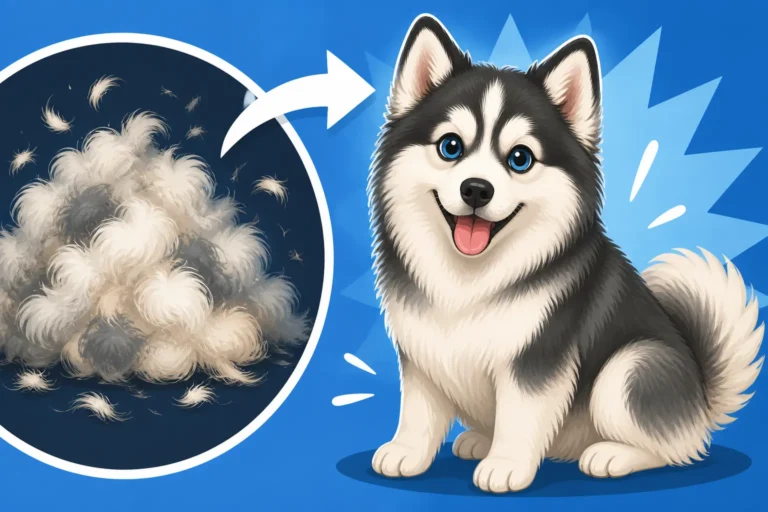
Yes, it's true. Pomskies typically experience two major "blowouts" each year, corresponding with the change of seasons. These aren't just minor shedding periods; they are intense, sometimes weeks-long events where your dog will lose a significant amount of undercoat.
Spring Blowout: Shedding the Winter Warmth
As the days grow longer and temperatures begin to rise after winter, your Pomsky's body signals it's time to lighten up. The dense, thick undercoat that provided insulation against the cold is no longer needed, and nature dictates it must go. This spring blowout is often the most dramatic shedding period. You'll notice loose tufts of fur everywhere, and it can feel like your dog is constantly "molting." It's their way of preparing for warmer weather, getting rid of that heavy winter insulation. This process can last anywhere from a few weeks to a couple of months, depending on the individual dog, their environment, and how diligently you groom them. It's a prime example of Whether a Pomsky Blows Its Coat Twice a Year.
Fall Blowout: Making Room for Winter Protection
Just as they shed their winter coat in spring, Pomskies also have a significant shedding period in the fall. This might seem counterintuitive since winter is approaching, but it’s just as vital. During the fall blowout, your Pomsky sheds its old summer undercoat to make way for a new, even thicker winter undercoat. This new coat will be denser and better equipped to provide warmth and protection against the coming cold. While perhaps not as visually dramatic as the spring shed (because they aren't going from super dense to almost bare), the amount of fur you'll be removing from your dog and finding around your home can still be substantial.
Beyond the Seasonal Shed: Year-Round Shedding
While the spring and fall blowouts are the main events, it's a common misconception that Pomskies only shed seasonally. The reality of living with a double-coated breed is a bit more…hairy.
Constant Low-Level Shedding
Even outside of their seasonal blowouts, Pomskies will shed a continuous, low level of hair throughout the year. Think of it like daily hair turnover for humans, but on a much larger scale. These are typically dead hairs from both the guard coat and the undercoat that naturally need to be replaced. You'll find strands on your furniture, your clothes, and sometimes even in your coffee (a charming Pomsky owner rite of passage!). Regular brushing, even daily, is key to managing this constant shed and keeping it from becoming overwhelming. If you wonder Whether a Pomsky Sheds All Year as Well, the answer is definitely yes.
Environmental Factors and Shedding
Modern living conditions can sometimes disrupt a dog's natural shedding cycle. Dogs that live predominantly indoors, in temperature-controlled environments, may experience less distinct seasonal blowouts and more continuous, moderate shedding year-round. This is because their bodies aren't exposed to the stark temperature fluctuations that trigger the pronounced seasonal changes in coat. However, don't mistake this for less shedding overall; it often just means the hair loss is more evenly distributed throughout the year, rather than concentrated in two massive events. A Pomsky living outdoors, for example, would likely have much more distinct and intense seasonal sheds.
Managing the Pomsky Blowout
Dealing with a Pomsky's shedding requires commitment, the right tools, and a good sense of humor. It's not a "set it and forget it" task; it's an ongoing part of Pomsky ownership.
Essential Grooming Tools
You absolutely need to invest in a few key tools to keep your Pomsky's coat healthy and your sanity intact during a blowout.
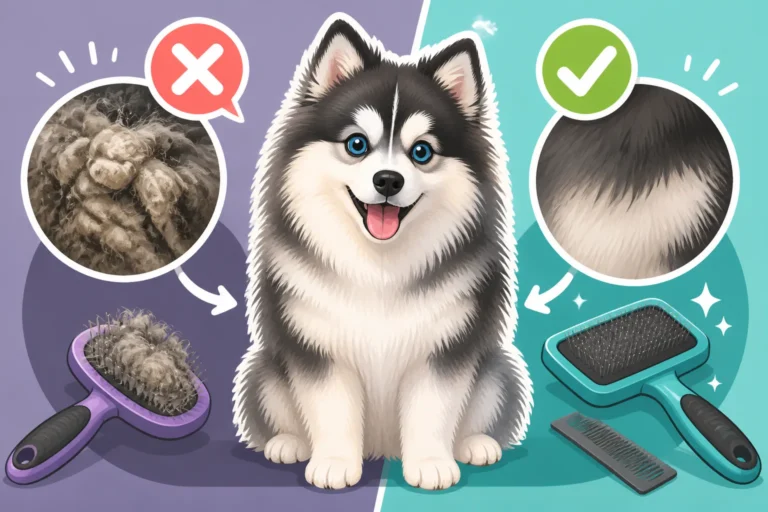
- Undercoat Rake: This is your best friend. An undercoat rake, often called a deshedding rake, has long teeth designed to reach through the guard hairs and pull out loose undercoat without damaging the topcoat. Brands like Furminator offer popular options, but there are many effective ones available on Amazon or Chewy. You'll be amazed at the amount of fur these tools remove.
- Slicker Brush: Great for detangling and smoothing the outer coat. While it won't get deep into the undercoat like a rake, it helps prevent mats and distributes natural oils.
- High-Velocity Dryer (Force Dryer): This is a game-changer. A force dryer isn't just for drying after a bath; it's incredibly effective at "blowing out" loose undercoat. The powerful air jet pushes out dead hair from the deepest layers of the coat. Many professional groomers use these, and they're worth the investment for home use, especially during seasonal sheds. It's truly incredible how much fur can be removed this way. Want to know more? Read up on Whether a Force Dryer Is Essential for a Pomsky.
- Wide-toothed Comb: Excellent for checking for mats, especially behind the ears, in the "armpits," and on the britches.
During a heavy shedding period, you might find yourself needing to use the undercoat rake and force dryer several times a week, if not daily, to stay on top of the loose fur. This is particularly true if you want to limit the amount of hair floating around your home.
Bathing and Drying Strategies
Bathing can actually help loosen and remove dead undercoat, but it's crucial to do it correctly.
- Deshedding Shampoos and Conditioners: There are products specifically designed to help release loose fur. Using these during a bath can significantly aid in the shedding process.
- Thorough Rinsing: Ensure you rinse all shampoo and conditioner out of your Pomsky's thick coat to prevent skin irritation.
- The Force Dryer is Key Post-Bath: After a bath, using a high-velocity dryer is absolutely essential. It not only dries your Pomsky quickly but also blasts out an incredible amount of loose undercoat. If you don't dry the coat completely to the skin, especially the undercoat, you risk skin issues like hot spots and matting, which can be very uncomfortable for your dog. This thorough drying process can speed up how long a Pomsky's blowout takes to finish.
Professional Grooming vs. DIY
Many Pomsky owners opt for professional grooming, especially during the peak shedding seasons. A good professional groomer will have the right tools, expertise, and powerful force dryers to efficiently remove loose undercoat. They can often do in one session what might take you several hours over multiple days. However, you can absolutely manage it yourself at home with the right equipment and a patient approach. Consider the cost-benefit: investing in a good force dryer might be more economical in the long run than frequent professional grooming, especially since grooming What a Deshedding Treatment Costs on a Pomsky.
Impact on Your Home and Lifestyle
Let's be real: living with a shedding Pomsky means living with dog hair. It becomes a part of the decor, a seasoning in your meals, and a fashion accessory on every outfit.
Household Management
- Vacuuming: You'll need a good quality vacuum cleaner, ideally one designed for pet hair, and you'll be using it frequently. Daily vacuuming during a blowout is not uncommon. Robot vacuums, like those from iRobot, can be helpful for maintaining a baseline, but you'll still need a more powerful upright or canister for deep cleaning.
- Lint Rollers: Keep them everywhere – by the door, in your car, in your purse. They're indispensable for removing hair from clothing before you head out.
- Furniture Covers: If you have favorite furniture pieces, consider washable covers or throws to protect them from accumulating too much fur.
Wardrobe and Car Care
Prepare for dog hair to become a permanent feature of your life. Dark clothing will highlight light fur, and light clothing will show dark fur. There's no escaping it, only managing it. In your car, invest in seat covers, especially for the back seat where your Pomsky will ride. Portable vacuums for cars can also be a lifesaver for quick clean-ups. Embrace the fur; it's a sign of a loved and well-loved Pomsky!
Comparing Spring vs. Fall Shedding
While both seasons bring a deluge of fur, there are subtle differences in what you might experience.
| Feature | Spring Blowout | Fall Blowout |
|---|---|---|
| Purpose | Shedding heavy winter undercoat to cool down. | Shedding old summer undercoat to grow new winter coat. |
| Intensity | Often feels more dramatic and noticeable. | Can be significant, but sometimes perceived as less intense. |
| Duration | Typically lasts a few weeks to 2 months. | Similar duration, a few weeks to 2 months. |
| Type of Fur Lost | Primarily very dense, fluffy undercoat. | Undercoat (often less dense than winter's), making way for thicker coat. |
| Visual Impact | Large clumps, "tumbleweeds" of fur, lighter coat appearance. | Consistent shedding, possibly less dramatic clumps. |
| Owner's Feeling | "Oh my goodness, where is all this coming from?!" | "Here we go again, time for the new winter coat." |
Embracing the shedding is truly part of the Pomsky experience. With the right tools and a consistent routine, you can keep the fur under control and your Pomsky comfortable year-round.
Disclaimer
This article is for general informational purposes only and does not constitute professional advice. Laws, prices and regulations vary by location and change over time. Consult a qualified professional for guidance on your specific situation.