Whether the South Is Too Hot for a Pomsky
Bringing a fluffy, adorable Pomsky into your life is an absolute joy, but for those of us living in warmer climates, especially the humid South, a nagging concern often surfaces: "Is it really fair to have a double-coated breed like this when the mercury climbs so high?" It’s a completely valid worry, and frankly, a responsible one. These dogs are built for cooler temperatures, inherited from their Siberian Husky and Pomeranian ancestors, and ignoring that fact can put their health at serious risk. This guide is here to walk you through the realities of owning a Pomsky in the South, offering practical advice and crucial insights to help you keep your furry companion safe, comfortable, and thriving, even when the heat and humidity are stifling.
Understanding Your Pomsky's Built-In Insulation System
It's easy to look at a Pomsky's thick, plush coat and think it's a burden in the heat, something that needs to be shorn off. But the reality is far more complex, and understanding their coat is the first step to keeping them safe in a hot environment. Their genetics dictate a specific type of fur that serves a dual purpose, acting as both a winter warmer and a summer cooler – when managed correctly.
The Double Coat Dilemma: Friend or Foe in the Heat?
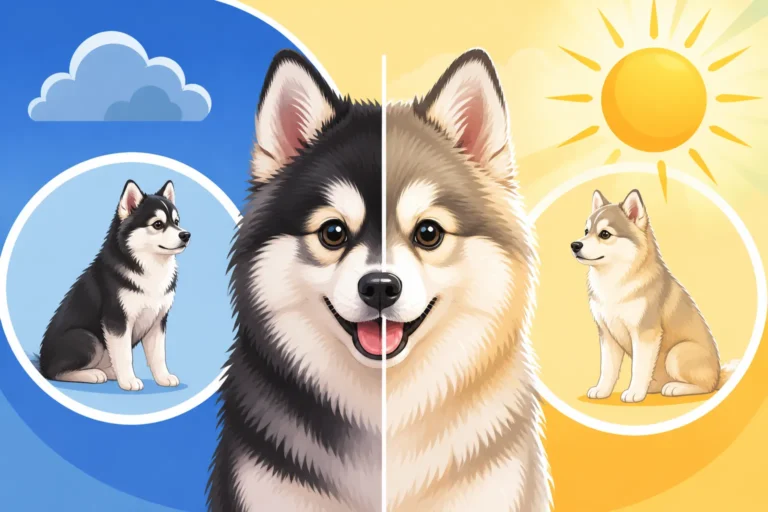
Many people mistakenly believe that shaving a double-coated dog like a Pomsky will help them stay cool. This couldn't be further from the truth and can actually cause more harm than good. A Pomsky's coat is made up of two layers: a soft, dense undercoat that provides insulation and a longer, coarser outer coat (guard hairs) that protects against elements like sun, rain, and insects.
In winter, the undercoat traps warm air close to the body. In summer, the same principle applies, but in reverse. The double coat creates a protective barrier, trapping a layer of cooler air next to the skin and insulating the dog from the external heat and harmful UV rays. When you shave this coat, you remove that natural insulation, exposing their sensitive skin to direct sunlight, which can lead to sunburn, heatstroke, and even a condition called "post-clipping alopecia" where the coat may not grow back properly or fully. It’s a cycle of natural protection that you disrupt at their peril. This is why Why a Pomsky Must Never Be Shaved is such critical advice for every owner, no matter where you live.
Husky and Pomeranian Ancestry: What It Means for Heat Tolerance
Your Pomsky carries the genes of two breeds renowned for their adaptability to cold climates. Siberian Huskies originate from the harsh, frigid expanses of Siberia, where their double coats and energy levels are perfectly suited for pulling sleds through snow. Pomeranians, while smaller, also hail from the Pomerania region, an area known for its cold weather, hence their thick, fluffy coats.
This lineage means that Pomskies are inherently less tolerant of heat than many other breeds. They don't sweat efficiently like humans do; instead, they cool themselves primarily through panting and through the pads of their feet. High temperatures and humidity make this natural cooling mechanism much less effective. So, while their ancestors thrive in snow, your Pomsky might start struggling at The Temperature a Pomsky Starts Struggling At that feels merely warm to you. It's not just about how they feel, but how their bodies function in the heat. Their exercise needs, for example, must be carefully balanced with the ambient temperature, as explained in The Exercise a Pomsky Needs Every Day.
The Unique Challenges of Southern Climates for Pomskies
Living in the Southern states presents a specific set of environmental conditions that elevate the risk for Pomskies compared to drier, cooler regions. It's not just the sheer heat; it's the combination of factors that can turn a pleasant day into a dangerous situation for your furry friend.
Humidity: The Silent Aggravator of Heat
If you've ever spent a summer in places like Florida, Louisiana, or even parts of Texas, you know that the humidity can make 85 degrees Fahrenheit feel like 100. This is especially true for dogs. When the air is thick with moisture, your Pomsky's primary cooling mechanism – panting – becomes significantly less effective.
Panting works by evaporating moisture from the tongue and respiratory tract, which carries heat away from the body. However, if the air around them is already saturated with moisture (high humidity), that evaporation can't happen efficiently. It’s like trying to dry clothes in a damp basement; it just takes forever, if it happens at all. This means your Pomsky is working harder to cool down, and if they can’t shed heat, their internal body temperature will rise rapidly, making them much more susceptible to overheating, even if the actual air temperature isn't astronomically high.
Sun Intensity and Ground Temperatures
The sun in the South isn't just bright; it's intense. Direct sunlight can quickly elevate a Pomsky's body temperature, even if they're just lying in the yard. Moreover, ground temperatures can be shockingly high. Asphalt, concrete, and even dark-colored decking absorb solar radiation and can become scorching hot.
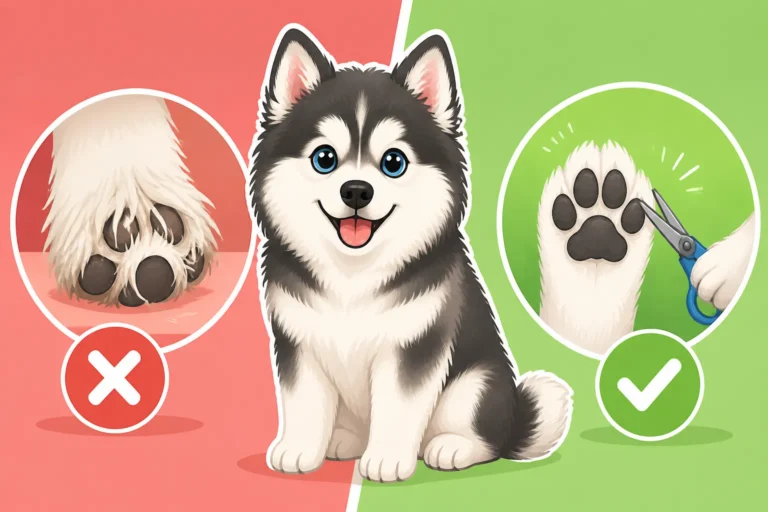
Imagine walking barefoot on a black asphalt parking lot in July; that’s what your Pomsky’s paw pads are experiencing. These surfaces can reach temperatures far exceeding the ambient air temperature, causing burns to their sensitive paw pads. This isn't just painful; it adds to their overall heat stress. Even grass can get surprisingly warm. Always test the pavement with the back of your hand for at least five seconds before walking your Pomsky. If it's too hot for your hand, it's too hot for their paws.
Regional Differences: Not All Southern Heat Is Equal
While the "South" is often painted with a broad brush regarding heat, there are nuances. Coastal regions might experience more sea breezes, but often come with higher humidity. Inland areas might have drier heat but can reach even higher peak temperatures. For instance, a Pomsky in Scottsdale, Arizona (which, while not traditionally "Southern," experiences extreme heat), might fare slightly better with dry heat than one in Charleston, South Carolina, struggling with oppressive humidity, even if the actual air temperature is the same.
Understanding your specific local climate – not just the temperature, but the humidity, wind, and even elevation – is key. A Pomsky living in the mountains of North Carolina will have a different experience than one on the Gulf Coast of Texas. This is why generalized advice needs to be adapted to your immediate surroundings. Ultimately, the question Whether a Pomsky Can Live in a Hot State really depends on the owner's commitment to mitigating these environmental factors.
Proactive Strategies for Pomsky Owners in Hot Regions
Living in the South with a Pomsky absolutely requires a proactive approach to their care. It's not just about reacting when they get too hot; it's about setting up their environment and routine to prevent overheating in the first place. This means making intelligent adjustments to everything from their daily walks to how you keep your home.
Adjusting Exercise Routines and Outdoor Play
One of the biggest mistakes owners make is sticking to a regular exercise schedule regardless of the weather. For a Pomsky in the South, this can be deadly. Their energetic nature, inherited from the Husky side, means they need exercise, but it must be done safely.
- Timing is Everything: Shift all outdoor activities to the coolest parts of the day. This typically means early morning (before 8 AM) and late evening (after 8 PM, or even later). Avoid midday walks entirely. If you live in an area where the heat persists late into the evening, even those times might be too risky for strenuous activity. Consider shorter, more frequent walks instead of one long one.
- Intensity Matters: On hot days, even if you’re out during cooler hours, reduce the intensity of their exercise. Instead of a fast jog or an intense fetch session, opt for a leisurely walk, some sniff-walks in the shade, or gentle play indoors. Your Pomsky might love to run, but on these days, their body simply can’t handle it. When to Walk a Pomsky in Summer offers more detailed advice on this.
- Water Breaks are Non-Negotiable: Always carry fresh water and a portable bowl when you're out. Offer water frequently, even if your Pomsky doesn't seem thirsty. Dehydration exacerbates heat stress. A good quality travel bowl can be found easily on sites like Chewy or Amazon, making it convenient to ensure they're hydrated.
- Pavement Checks: As mentioned, always check the ground temperature. Keep walks on grassy areas or shaded trails whenever possible, avoiding asphalt and concrete. If you must walk on warm pavement, dog booties can offer protection, but they don't prevent overall body overheating.
- Alternative Exercise: When outdoor exercise isn't safe, get creative with indoor activities. Brain games, puzzle toys, learning new tricks, or even a game of hide-and-seek indoors can provide mental stimulation and some physical activity without the heat risk.
Creating a Cool and Comfortable Home Environment
Your home becomes your Pomsky’s primary refuge from the heat, and ensuring it’s an effective one is paramount.
- Air Conditioning is a Must: This isn't a luxury; it's a necessity for a Pomsky in the South. Whether a Pomsky Needs Air Conditioning is not a question of comfort, but of survival. Keep your home comfortably cool, even when you're not there. If you're concerned about energy costs, consider setting the thermostat higher but still within a safe range, and ensure fans are running.
- Shade and Ventilation: During the day, keep blinds and curtains closed, especially on south-facing windows, to block out direct sunlight. Ensure good air circulation with fans, but remember that fans only move air; they don't cool it like AC.
- Cooling Mats and Elevated Beds: Invest in cooling mats (gel-based or water-filled) that your Pomsky can lie on. Many dogs gravitate towards these naturally. Elevated dog beds, often made with breathable mesh, also help by allowing air to circulate underneath, preventing heat from radiating up from the floor. You can find a wide variety of these options on sites like Amazon. Whether a Cooling Mat Helps a Pomsky is a definite yes, and they are readily available.
- Access to Cool Surfaces: Some Pomskies love to sprawl on cool tile or stone floors. Ensure they have access to these areas in your home.
- Safe Outdoor Spaces: If your Pomsky spends any time outside, ensure they have constant access to deep shade, not just partial shade that moves with the sun. A kiddie pool with a few inches of water (supervised!) can be a great way for them to cool off, as discussed in Whether a Pomsky Should Swim to Cool Down.
Essential Grooming and Hydration Practices
Proper grooming and constant hydration are often overlooked but are crucial components of heat management.
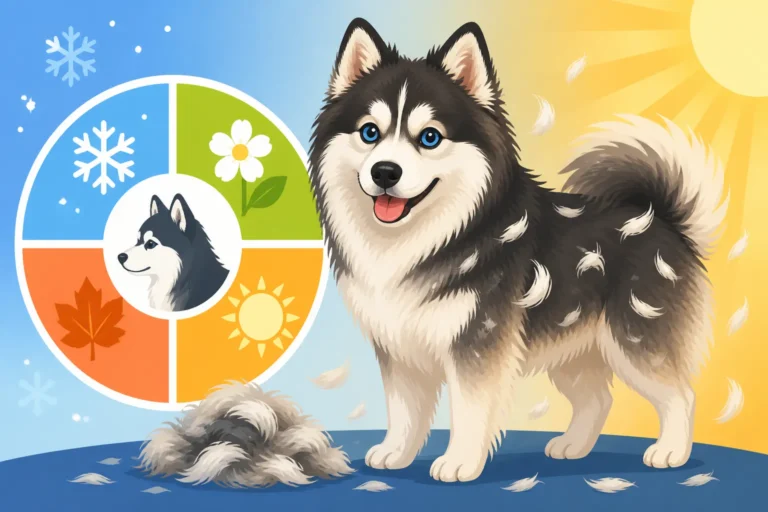
- Regular Brushing: Despite the temptation to shave, regular brushing is your best defense. It removes loose undercoat, which allows air to circulate more freely through the remaining coat and closer to the skin. This also helps prevent matting, which can trap heat and create skin issues. During their seasonal "blowouts" when they shed heavily, this is even more critical. Whether a Pomsky Blows Its Coat Twice a Year is a very important question, because during these times, grooming efforts need to intensify significantly.
- Deshedding Tools: Invest in good deshedding tools like an undercoat rake and a slicker brush. Consistent grooming will help your Pomsky's natural cooling system work as efficiently as possible.
- Baths: Cool baths can offer temporary relief. Make sure the water isn't too cold, and always dry their double coat thoroughly to prevent skin issues. A high-velocity dryer can be incredibly helpful for this, pushing out water and loose hair without damaging the coat.
- Constant Fresh Water: Always have multiple bowls of fresh, cool water available inside and outside your home. Consider adding ice cubes to their water bowl. Some dogs are enticed by water fountains, which keep the water circulating and fresh. Companies like Ollie often emphasize the importance of hydration in their nutritional advice, which applies equally to water intake for overall health and heat management.
- Hydrating Foods: While not a substitute for water, some fresh foods with high water content (like cucumber slices or small amounts of watermelon, seeds removed) can be offered as occasional cool treats. Be mindful of their caloric intake, as Feeding a Twenty Pound Pomsky needs to be balanced.
| Strategy | Description | Benefit for Pomsky in Heat |
|---|---|---|
| Early/Late Exercise | Restricting walks/play to pre-dawn and post-dusk hours. | Avoids peak heat, lowers risk of paw burns and heatstroke. |
| Air Conditioning | Maintaining a consistently cool indoor environment. | Provides a safe retreat from outdoor heat and humidity. |
| Cooling Mats | Offering specialized mats that absorb/dissipate body heat. | Direct body cooling when resting, aids thermal regulation. |
| Regular Brushing | Daily removal of loose undercoat, especially during shedding seasons. | Improves air circulation within the coat, enhances natural insulation. |
| Constant Water Access | Multiple bowls of fresh, cool water, potentially with ice. | Prevents dehydration, supports internal cooling mechanisms. |
| Pavement Checks | Testing ground temperature before walks. | Protects paw pads from painful burns. |
Recognizing and Responding to Heat-Related Distress
Even with the best preventative measures, accidents can happen, or your Pomsky might simply be having an off day. Knowing the signs of overheating and what to do in an emergency can be life-saving. Don’t wait until it’s too late; early intervention is crucial.
Spotting the Subtle Signs of Overheating
Pomskies, with their thick coats, can mask early signs of distress, making it essential to be extra vigilant. What might seem like normal exertion for another dog could be the first stage of heatstroke for your Pomsky. Pay close attention to these indicators:
- Excessive Panting: While normal after activity, persistent, rapid, and heavy panting, especially when at rest or in mild temperatures, is a red flag. It might sound labored or louder than usual.
- Increased Drooling: Excessive, thick, ropey drool can indicate a struggle to cool down.
- Reddened Gums/Tongue: Normally pink, their gums might appear bright red or even dark brick red as their body temperature rises.
- Lethargy or Weakness: Your normally energetic Pomsky might seem unusually tired, reluctant to move, or stumble.
- Dizziness or Disorientation: They might appear confused, unsteady on their feet, or even bump into things.
- Vomiting or Diarrhea: Gastrointestinal upset can be a symptom of heatstroke as the body tries to cope with extreme stress.
- Hot to the Touch: While their fur might always feel warm, if their skin underneath feels unusually hot, it’s a concern.
- Changes in Demeanor: They might become agitated, restless, or, conversely, unusually quiet and unresponsive.
It's vital to know Signs a Pomsky Is Overheating to act quickly. Don't dismiss these symptoms as just "being a little warm."
First Aid Steps and When to Seek Veterinary Care
If you suspect your Pomsky is overheating, immediate action is critical. Every minute counts.
- Move to a Cooler Environment: Get your Pomsky out of the sun and into an air-conditioned space immediately. If AC isn't available, move them to the deepest shade or an area with fans.
- Apply Cool (Not Cold) Water: Gently wet their body, focusing on the belly, groin, armpits, and paw pads. Use cool, not icy, water. Icy water can constrict blood vessels, trapping heat inside and potentially causing shock. A damp towel placed over them can also help.
- Offer Small Amounts of Water: If they are conscious and able to swallow, offer small sips of cool water. Do not force water on them, especially if they are weak or vomiting, as they could aspirate it.
- Monitor Temperature (If Possible): If you have a rectal thermometer, carefully take their temperature. A dog's normal temperature is around 100-102.5°F (37.8-39.2°C). If it's above 104°F (40°C), they are in serious trouble.
- Seek Veterinary Care IMMEDIATELY: This is the most crucial step. Even if your Pomsky seems to be recovering, they need professional veterinary attention right away. Heatstroke can cause internal organ damage that may not be immediately apparent but can be life-threatening. Call your vet or the nearest emergency veterinary clinic while you are en route to let them know you are coming in with a suspected heatstroke case. This allows them to prepare for your arrival.
Never underestimate the danger of heatstroke in a Pomsky. It progresses rapidly and can have devastating consequences. Being prepared and knowing how to react can make all the difference for your beloved companion.
Disclaimer
This article is for general informational purposes only and does not constitute professional advice. Laws, prices and regulations vary by location and change over time. Consult a qualified professional for guidance on your specific situation.