When to Walk a Pomsky in Summer
Summer can be a glorious time for adventures with your furry companion, but for Pomsky owners, the rising temperatures bring a unique set of worries. It's truly frustrating to know your energetic dog needs exercise, yet feel paralyzed by the fear of overheating them. This guide will help you navigate those sweltering months, giving you clear insights into when it's genuinely safe to walk your Pomsky, and how to keep them cool and happy, even when the mercury climbs.
Understanding Your Pomsky's Heat Sensitivity
Pomskies are, at their heart, a blend of two cold-weather breeds: the Siberian Husky and the Pomeranian. This heritage gifts them with a beautiful, thick double coat that, while insulating, also makes them quite susceptible to overheating when the weather turns hot. It's not just about comfort; it's a serious health consideration that all Pomsky parents need to take to heart.
The Double Coat Dilemma
That gorgeous, fluffy coat your Pomsky sports is a marvel of nature, designed primarily for insulation against extreme cold. It consists of a dense, soft undercoat and longer, coarser guard hairs. In winter, this traps a layer of warm air close to their body, keeping them toasty. In summer, the idea is that this same coat can prevent heat from reaching their skin, much like insulation in a house. However, this is a delicate balance, and it’s easily overwhelmed by high ambient temperatures, humidity, and physical exertion. The natural shedding process, where your Pomsky "blows" their undercoat, is vital for allowing air circulation closer to the skin during warmer months. Whether a Pomsky Blows Its Coat Twice a Year is a critical period for their heat regulation. If that old, dead undercoat isn't properly removed, it acts like a thick blanket, trapping heat in rather than keeping it out.
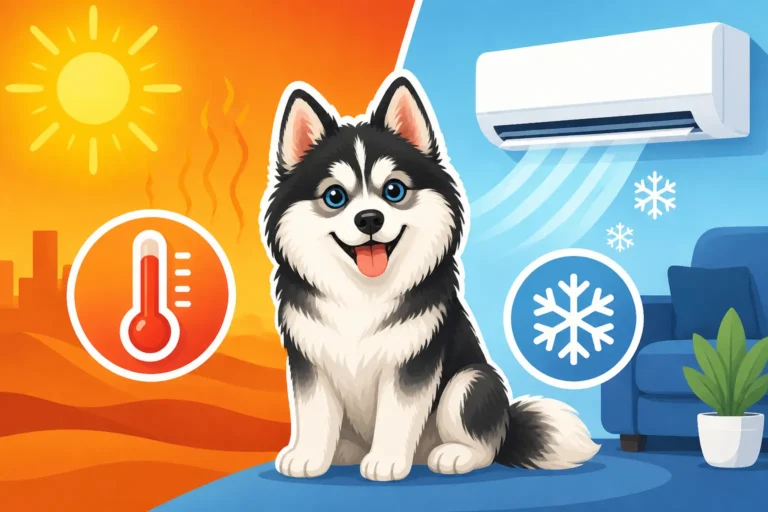
Many people mistakenly believe that their double-coated dog is perfectly fine in the heat because their coat protects them. While it offers some protection from direct sun, it simultaneously hinders their ability to dissipate heat. Unlike humans who sweat all over, dogs primarily cool themselves through panting and through the pads of their feet. When the surrounding air is hot and humid, panting becomes less effective because the air they're trying to exchange isn't much cooler than their body temperature, and the moisture in the air prevents evaporative cooling. This means they're working harder to cool down, generating even more heat. For a Pomsky, whose ancestors thrived in snowy landscapes, this is a significant challenge.
Signs Your Pomsky Is Overheating
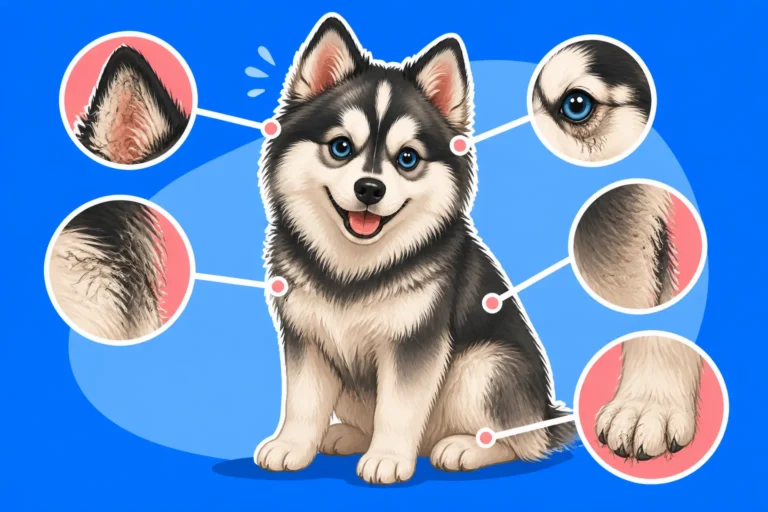
Recognizing the early signs of overheating is absolutely critical. Your Pomsky can't tell you in words that they're too hot, so it's up to us to be diligent observers. One of the first indicators you might notice is excessive panting – panting that's much more intense or rapid than usual, even after minimal exertion. Their tongue might hang out further than normal, and their gums might appear a brighter red or even bluish-purple in severe cases. You might also see thickened saliva, almost rope-like.
As heat stress progresses, you could observe lethargy, weakness, or a general reluctance to move. Imagine you're five minutes into your walk, and your Pomsky suddenly slows down, panting harder than usual, tongue hanging out further, perhaps even looking a bit distressed. Don's dismiss it as just being tired; these are definite warning signs. They might stumble, appear disoriented, or even vomit. In the most severe cases, they could collapse, have seizures, or lose consciousness. These advanced symptoms indicate heat stroke, which is a life-threatening emergency. Knowing Signs a Pomsky Is Overheating is not just good pet ownership; it's literally life-saving information, so educate yourself and be prepared to act quickly.
The Best Times for Summer Walks
Deciding when to walk your Pomsky in summer really boils down to two key factors: ambient air temperature and ground temperature. Both can be incredibly misleading, as what feels comfortable to us often isn't safe for our dogs. Adjusting your schedule is the single most effective way to protect your Pomsky from heat-related illness.
Embracing Early Mornings
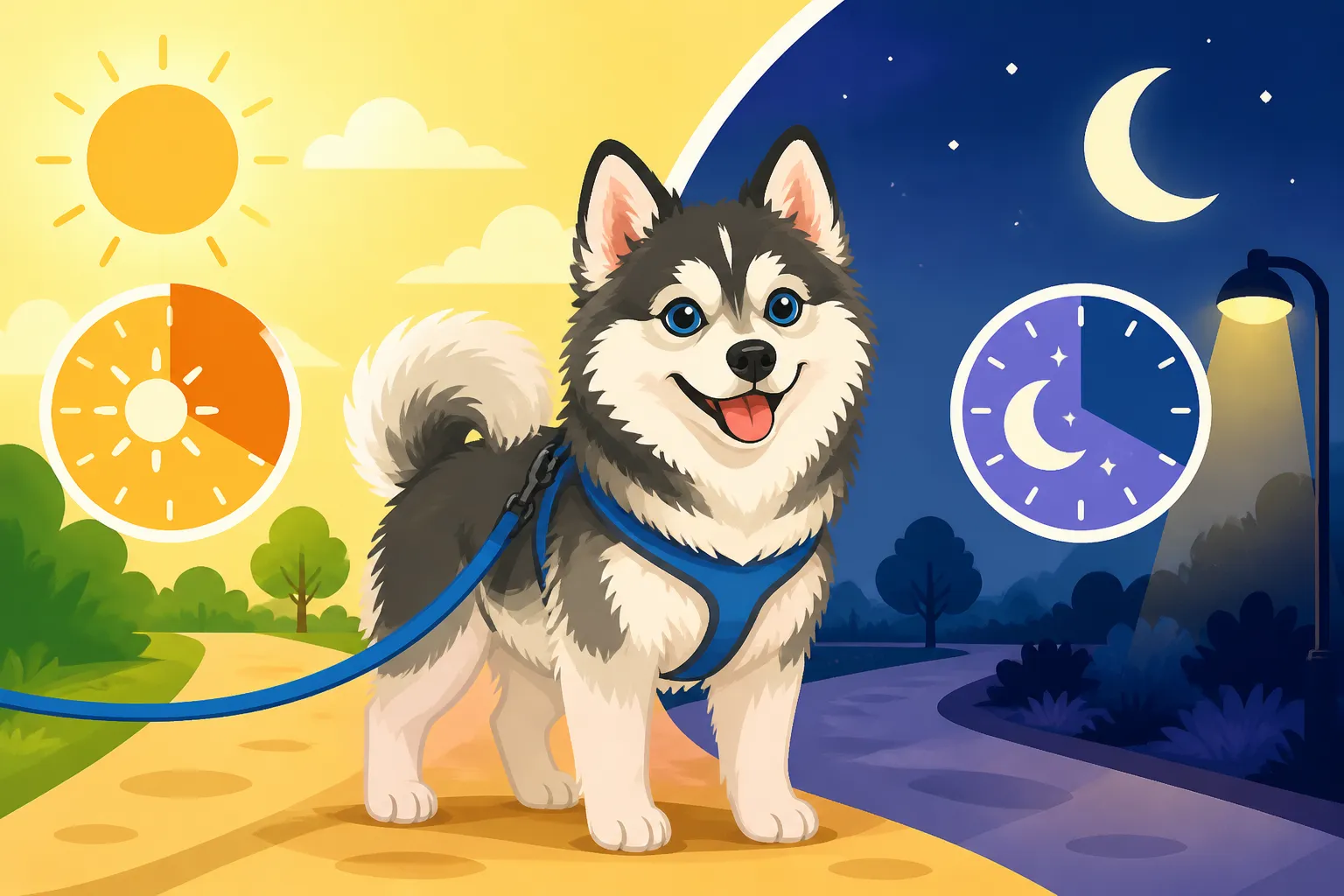
Without a doubt, the sweet spot for summer walks is often before the sun has fully risen or shortly after. This usually means setting your alarm for earlier than you might prefer, but the benefits for your Pomsky are immense. In the pre-dawn hours, the air temperature is at its lowest point of the day, having had all night to cool down. Crucially, the pavement, sidewalks, and any other hard surfaces your dog walks on will also have cooled significantly, making them far less likely to burn delicate paw pads.
An early morning stroll offers a refreshing start for both of you. You'll likely encounter fewer people and other dogs, making for a more relaxed experience. Your Pomsky will be able to sniff and explore without the added stress of heat or crowds, fulfilling their need for mental and physical stimulation. This routine also establishes a clear expectation for your dog, often leading to better behavior and fewer "accidents" if they know when their bathroom break and exercise time is. Just be mindful of the sun's trajectory; once it starts beating down, those surfaces can heat up surprisingly fast, even if the air still feels relatively cool.
The Evening Twilight Stroll
Another viable option for walking your Pomsky in summer is the late evening, once the sun has set and dusk has fully settled. Similar to early mornings, the ambient air temperature will have begun to drop, making the air more breathable for your double-coated friend. However, a significant caveat here is that hard surfaces like asphalt and concrete retain heat for a long time after the sun goes down. A sidewalk that feels merely warm to your hand might still be scorching hot to your dog's paws, which are much more sensitive than our feet.
It's essential to perform the "seven-second pavement test" even in the evening. Place the back of your hand on the pavement for seven seconds. If it's too hot for your hand, it's definitely too hot for your Pomsky's paws. You might find that grassy areas or dirt trails are your best bet for evening walks, as these surfaces don't hold heat nearly as much as paved ones. Also, consider the humidity; humid evenings can still make it difficult for your Pomsky to cool down, even if the temperature itself isn't extreme. Always prioritize your dog's comfort and safety over sticking to a strict schedule if conditions aren't ideal.
Avoiding Midday Madness
This is arguably the most critical piece of advice: absolutely avoid walking your Pomsky during the hottest parts of the day. This typically spans from late morning through the late afternoon, though exact times will vary based on your location and specific weather conditions. During these hours, the sun is at its most intense, and temperatures soar, both in the air and on the ground. Walking on hot pavement during this time is akin to walking barefoot on hot coals for your dog, leading to painful burns and blisters.
Beyond the immediate danger of burnt paws, the overall heat and direct sun exposure significantly increase the risk of heat exhaustion and heat stroke. The air is thickest with heat, and any humidity makes it even worse. This is the time to prioritize indoor activities, perhaps a session of training, puzzle toys, or just relaxing in a cool environment. Never, ever underestimate the danger of a midday walk for a Pomsky; it's a gamble you simply shouldn't take.
Here’s a quick guide to summer walking times:
| Time of Day | Air Temperature | Ground Temperature | Pros | Cons |
|---|---|---|---|---|
| Pre-Dawn/Early AM | Coolest | Coolest | Safest for paws, easiest for breathing, quiet. | Requires early wake-up. |
| Late Morning | Rising | Rising quickly | None – actively discouraged. | Very high risk of paw burns and heat stroke. |
| Midday/Early PM | Hottest | Hottest | None – actively discouraged. | Extreme risk of paw burns and heat stroke. |
| Late Afternoon | Falling slowly | Still very hot | None – actively discouraged. | High risk of paw burns, heat stroke still a major concern. |
| Evening Twilight | Falling | Retains heat longer | Cooler air. | Pavement can still be hot; check thoroughly. May be more humid. |
Smart Walking Strategies for Summer Safety
Even when you choose the best times for walks, summer requires a more strategic approach to ensure your Pomsky's safety and well-being. It’s not just about when you go, but how you go, and what you bring along.
The Pavement Test and Ground Temperature
We've touched on it, but it bears repeating with emphasis: always, always check the ground temperature. Your Pomsky's paw pads are not invincible; they are sensitive tissues that can burn just like your skin. The "seven-second rule" is simple but effective: place the back of your hand flat on the pavement, asphalt, or concrete for seven full seconds. If you can't comfortably hold it there, then it is far too hot for your Pomsky's paws. Don't rely on your shoes to tell you what the ground feels like; you have a protective layer, your dog doesn't.
Different surfaces absorb and retain heat differently. Asphalt can be significantly hotter than concrete, and both can be much warmer than grass or packed dirt. If a walk on pavement is unavoidable, consider protective paw booties, though many dogs take time to adjust to wearing them. On really hot days, prioritize walking solely on grassy verges or shaded trails where the ground temperature will be substantially lower. Remember, even if the air feels okay, if the ground is searing hot, your Pomsky is suffering.
Hydration and Cooling Accessories
Staying hydrated is paramount for both you and your Pomsky during any warm-weather excursion. Always carry a water bottle and a portable, collapsible water bowl for your dog. Offer water frequently, even if the walk is short. Don't wait until they're panting heavily; proactive hydration is key. Many excellent portable water bottles with built-in dispensers are available on sites like Amazon or Chewy, making it easy to keep your dog watered on the go.
Beyond water, consider cooling accessories. Cooling vests, bandanas, or mats can make a real difference by providing evaporative or conduction cooling. These items are typically soaked in water and then placed on your dog, helping to lower their core body temperature. Just make sure they aren't so wet they make your dog's double coat perpetually damp, which can lead to skin issues. Sometimes a quick spray with a fine mist of water on their belly or paw pads can offer temporary relief. If you're out and about, look for shaded areas where you can take frequent, short breaks. A shaded bench under a tree, or a quick duck into an air-conditioned pet-friendly store if available, can provide a crucial cool-down period.
Adjusting Walk Duration and Intensity
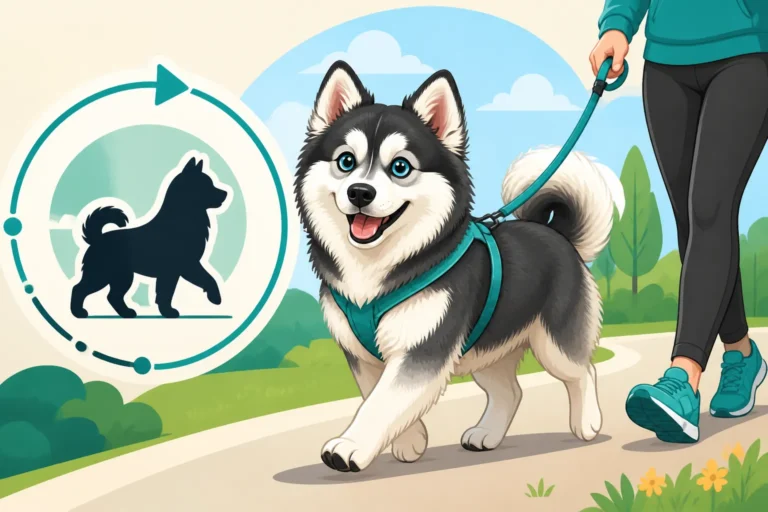
Summer is not the time for marathon runs or intense games of fetch for your Pomsky. You'll need to significantly reduce both the duration and the intensity of your walks and exercise sessions. Instead of one long walk, consider multiple shorter, gentler strolls during the coolest parts of the day. A 15-20 minute sniff-walk is often far safer and more enjoyable for your Pomsky than a 45-minute power walk. Pay close attention to their energy levels and body language; if they start lagging, panting excessively, or seeking shade, it’s time to head home immediately.
On days when it's just too hot for any outdoor exercise, embrace indoor activities. Engage their minds with puzzle toys or treat-dispensing games. Practice new tricks or reinforce old commands in the comfort of your air-conditioned home. Ollie and other fresh food companies often have puzzle feeders that can keep your dog engaged. Even shallow water play in a kiddie pool can be a great way for them to cool off and burn some energy, provided they enjoy it and are supervised. Just remember to dry their double coat thoroughly afterward to prevent skin issues. Think creatively about how to provide The Exercise a Pomsky Needs Every Day without putting them at risk in the heat. Also, consider if Whether a Pomsky Should Swim to Cool Down is a suitable option for your particular dog.
Preparing for the Unexpected
Even with the best planning, summer heat can be unpredictable, and emergencies can happen. Being prepared for the worst-case scenario and knowing when to completely change your plans is part of responsible Pomsky ownership.
Emergency Protocols for Heat Stroke
Heat stroke is a severe medical emergency that can be fatal if not treated swiftly. If your Pomsky exhibits advanced signs of overheating like stumbling, confusion, vomiting, diarrhea, seizures, or collapse, immediate action is critical. First, get them out of the heat and into the coolest environment possible, whether that's shade, an air-conditioned car, or your home. Start applying cool (not ice cold) water to their paw pads, ears, and groin area. You can use soaked towels or a hose on a gentle setting. Do not immerse them in ice water, as this can cause dangerous constriction of blood vessels.
While you are actively cooling your dog, call your veterinarian or the nearest emergency vet clinic immediately. Inform them of your situation and your estimated time of arrival. Even if your Pomsky seems to improve with initial cooling, a vet visit is essential. They need professional assessment to check for organ damage, administer IV fluids, and monitor for secondary complications. Time is of the essence, and prompt veterinary care significantly increases the chances of survival for a Pomsky suffering from heat stroke.
When to Skip the Walk Entirely
There will be days in summer when, despite your best intentions and even during the "safe" hours, it is simply too hot, too humid, or both, to safely walk your Pomsky. Pay attention to local weather alerts, heat advisories, and the "feels like" temperature, which accounts for humidity. If the air temperature is climbing into the 80s Fahrenheit (around 27-30°C) or higher, or if the humidity is oppressive, it’s often best to skip the outdoor walk entirely. A day off from walks is far better than a trip to the emergency vet.
On these dangerously hot days, focus intensely on indoor enrichment. Brain games, short training sessions, hide-and-seek with treats, or even just some quality cuddle time on the cool floor can satisfy your Pomsky's needs without risking their health. Remember, What a Pomsky Needs Daily includes mental stimulation and bonding, not just physical exercise. Invest in durable chew toys or snuffle mats to keep them occupied. Your Pomsky will likely be grateful for the reprieve from the heat, and you'll have peace of mind knowing you've made the safest choice for them.
The Importance of a Vet Check-Up
Before summer truly hits, especially if you live in a perpetually warm climate, it’s a wise idea to schedule a routine check-up with your veterinarian. This is particularly important for Pomskies who might be older, overweight, or have any pre-existing health conditions. Your vet can assess your dog’s overall health, discuss their individual heat tolerance, and offer personalized advice for summer care. They can also identify any underlying issues that could be exacerbated by heat, such as respiratory problems.
For example, a Pomsky that inherits The Collapsing Trachea a Pomsky Gets From the Pomeranian will be far more susceptible to breathing difficulties in the heat and humidity, making even short, careful walks a higher risk. Vets can also discuss weight management, which is crucial as overweight dogs are much more prone to heat stress. This proactive approach ensures you're fully informed about your specific Pomsky's needs and can confidently navigate the summer months, knowing you've done everything possible to keep them safe and healthy.
Disclaimer
This article is for general informational purposes only and does not constitute professional advice. Laws, prices and regulations vary by location and change over time. Consult a qualified professional for guidance on your specific situation.