The Collapsing Trachea a Pomsky Gets From the Pomeranian
It’s a sound that strikes fear into the heart of any Pomsky owner: that distinctive, dry, goose-like honking cough. You know the one I mean. It often happens when they get excited, pull on their leash, drink water too fast, or even just wake up from a nap. It’s frustrating, it’s worrying, and it makes you feel utterly helpless. This guide is dedicated to shedding light on a common, yet often misunderstood, condition that affects many of our beloved Pomskies: tracheal collapse, a challenging issue often inherited from their Pomeranian lineage.
Understanding Tracheal Collapse in Pomskies
When you first hear that cough, your mind probably races through every possible illness. Is it kennel cough? Did they swallow something? But for many Pomsky parents, especially those with smaller dogs, the answer might lie in a structural issue with their windpipe. It's a condition that can be incredibly distressing to witness, and understanding what's happening internally is the first step toward managing it effectively.
What Exactly is Tracheal Collapse?
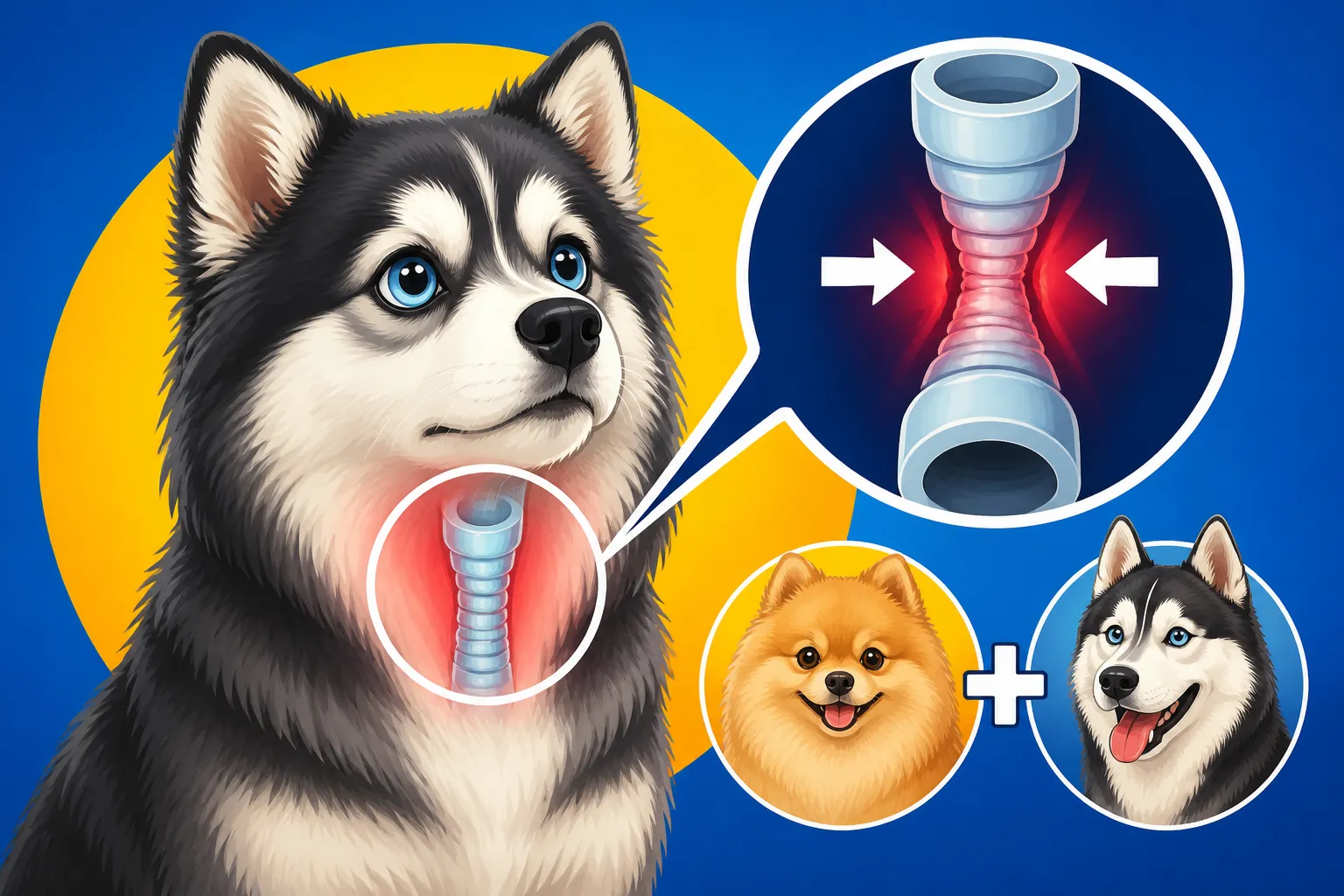
Imagine a vacuum cleaner hose; it’s usually firm, holding its shape even when bent. Now imagine if parts of that hose became soft and flattened, especially when the vacuum was sucking air. That's essentially what happens with tracheal collapse. The trachea, or windpipe, is a tube made of C-shaped cartilage rings that connect the throat to the lungs. These rings are supposed to be firm, holding the airway open. In dogs with tracheal collapse, these cartilage rings weaken and lose their rigidity. When the dog breathes in, especially with force or excitement, the weakened trachea can flatten, obstructing the airflow. This can happen anywhere along the windpipe, but it's most common in the lower portion, closer to the lungs. This narrowing of the airway is what causes the characteristic coughing and difficulty breathing. It’s not just an inconvenience; it can severely impact a dog’s ability to get enough oxygen and lead a comfortable life.
The Pomeranian Connection: Why Pomskies are at Risk
If you’re a Pomsky owner, you know your furry friend is a mix of the majestic Siberian Husky and the spirited Pomeranian. While Huskies are generally robust dogs with sturdy airways, Pomeranians, like many toy and small breeds, are unfortunately predisposed to tracheal collapse. This is a genetic weakness that gets passed down. It means that while your Pomsky might have the stunning eyes or the energetic spirit of a Husky, they can also inherit the more delicate internal structures of their smaller parent. Breeders strive for healthy puppies, but genetic predispositions can be tricky to eliminate entirely, especially in a hybrid breed that draws from two very different genetic pools. So, if you have a Pomsky, particularly one on the smaller side, it’s crucial to be aware that this condition is a real possibility, thanks to their Pomeranian heritage.
How a Pomsky's Trachea is Different
When you look at a Siberian Husky, you see a powerful, athletic dog built for endurance and cold climates. Their respiratory system, including their trachea, is typically strong and wide, designed to handle large volumes of air with ease. Now consider the Pomeranian: a tiny, delicate breed. Their internal structures, including their trachea, are proportionally smaller and can be more prone to structural weaknesses. A Pomsky can inherit a trachea that, while perhaps not as tiny as a purebred Pomeranian's, still possesses the weaker cartilage structure of the small breed parent. This means it might not be as resilient or firm as a Husky's trachea. This inherent structural difference is why a simple pull on a collar or a burst of excitement can cause the windpipe to temporarily flatten, leading to that distressing cough. It's a silent battle happening within their tiny chests, and understanding this vulnerability helps us provide the best care.
Recognizing the Signs of a Collapsing Trachea
It’s heartbreaking to see your Pomsky struggle, and sometimes the signs of tracheal collapse can be subtle at first, making it easy to dismiss them as something else. However, knowing what to look for can help you identify the problem early and get your furry friend the help they need before the condition progresses.
The Classic "Honking Cough"
The most hallmark symptom of tracheal collapse in a Pomsky is undeniably the dry, harsh, often loud "honking" cough. It sounds remarkably like a goose honking, or sometimes a reverse sneeze that just keeps going. This isn’t a soft, wet cough you might associate with a cold. Instead, it’s often sudden, forceful, and can sound quite alarming. Owners often report that this cough tends to be worse during specific situations. For example, your Pomsky might suddenly start honking like a goose after a bout of excited play, when they're pulling on their leash during a walk, after drinking water too quickly, or even just when you pick them up or apply pressure to their neck. A change in weather, especially increased humidity or exposure to allergens, can also trigger or exacerbate these coughing fits. If you’ve heard this sound, especially repeatedly, it's a strong indicator that something is amiss with your Pomsky's windpipe. If you’ve heard this specific sound from your Pomsky, you might want to look at a related post on The Honking Cough of a Pomsky With a Bad Trachea.
Other Common Symptoms to Watch For
While the honking cough is the most prominent symptom, tracheal collapse often presents with a range of other concerning signs. You might notice your Pomsky experiencing difficulty breathing, which can manifest as rapid, shallow breaths, or an increased effort to inhale. They might seem more tired than usual, showing exercise intolerance and reluctance to play or go for walks they once enjoyed. Imagine feeling like you can't quite catch your breath; that's likely how they feel. Some dogs might even gag or retch after coughing, sometimes bringing up foamy mucus. In more severe cases, or during intense coughing fits, a Pomsky might show signs of oxygen deprivation, such as pale or bluish gums, indicating a lack of oxygen reaching their tissues. Very rarely, severe collapse can lead to fainting spells or collapse, which is a medical emergency requiring immediate veterinary attention. Any of these additional symptoms, especially in conjunction with the characteristic cough, warrant a prompt visit to your vet.
When to Seek Veterinary Attention
It’s always better to be safe than sorry when it comes to your pet's health. If you notice any consistent coughing, especially the honking variety, or any of the other symptoms we've discussed, it's crucial to schedule a veterinary appointment right away. Don’t wait for it to get worse or assume it will just go away. Early diagnosis and management can significantly improve your Pomsky's quality of life and potentially slow the progression of the condition. Pay particular attention if the coughing becomes more frequent, severe, or if your Pomsky shows signs of extreme distress, bluish gums, or collapses. These are red flag symptoms that indicate an emergency. Your vet will be able to perform a thorough examination and recommend diagnostic tests to confirm if tracheal collapse is indeed the culprit or if something else, like Whether a Pomsky's Cough Is Trachea or Heart, might be causing the issues.
Diagnosing Tracheal Collapse in Your Pomsky
Getting a definitive diagnosis for tracheal collapse is essential. It helps your veterinarian tailor the most effective treatment plan and rule out other conditions that might present with similar symptoms. This isn't always a straightforward process, as the trachea can collapse intermittently, and sometimes other issues are at play.
Initial Vet Examination and Auscultation
When you first bring your Pomsky to the vet with concerns about a cough, the initial examination will be thorough. Your veterinarian will listen to your dog's chest and trachea with a stethoscope (auscultation) to identify any abnormal breathing sounds. They might gently palpate, or feel, your Pomsky’s trachea in their neck. Often, applying light pressure to the windpipe can actually induce the characteristic honking cough in a dog with tracheal collapse, which is a strong indicator. They'll also assess your Pomsky's general health, listen to their heart and lungs, and check for any other underlying issues that could be contributing to the coughing, such as dental disease which can lead to chronic inflammation that irritates the airway. This initial physical exam provides crucial clues that help guide the next steps in the diagnostic process.
Imaging Techniques: X-rays, Fluoroscopy, and Endoscopy
While the physical exam can suggest tracheal collapse, imaging is usually needed for confirmation.
- X-rays (Radiographs): These are often the first step. Your vet will take X-rays of your Pomsky's neck and chest, usually during both inspiration (breathing in) and expiration (breathing out). Sometimes, the collapse is only visible during one phase of breathing. X-rays can show a narrowing of the tracheal lumen, but they don't always capture the collapse if it's intermittent or occurring in a dynamic way. They're also useful for ruling out other issues like heart enlargement or lung disease.
- Fluoroscopy: This is a dynamic X-ray that provides a real-time video of your Pomsky's trachea as they breathe. It's often considered the gold standard for diagnosing tracheal collapse because it can capture the intermittent flattening of the airway that static X-rays might miss. It shows exactly where and when the trachea collapses, giving a very clear picture of the severity.
- Tracheoscopy/Bronchoscopy (Endoscopy): In some cases, a small, flexible camera (endoscope) might be inserted into your Pomsky's airway while they are under light anesthesia. This allows the vet to directly visualize the inside of the trachea, assess the extent and location of the collapse, and check for any inflammation or other abnormalities. While highly accurate, it is more invasive and usually reserved for cases where other diagnostics are inconclusive or when surgery is being considered.
Ruling Out Other Respiratory Issues
One of the challenges with diagnosing tracheal collapse is that its symptoms can mimic other conditions. Your vet will actively work to rule out these possibilities to ensure an accurate diagnosis and appropriate treatment. For instance, respiratory infections like Whether a Pomsky Gets Kennel Cough Easily can cause a severe cough, but it's usually accompanied by other signs like nasal discharge or fever. Allergies can also cause coughing and irritation. Heart disease, particularly an enlarged heart, can press on the trachea, leading to a cough that sounds very similar to tracheal collapse. This is why thorough diagnostics, including blood tests, urinalysis, and potentially cardiac evaluations, are often performed. It's vital to differentiate these conditions because their treatments are vastly different. An accurate diagnosis ensures your Pomsky receives the right care, whether it’s medication for a bacterial infection, lifestyle changes for heart disease, or targeted management for a collapsing trachea.
Management and Treatment Options for Pomsky Tracheal Collapse
Discovering your Pomsky has tracheal collapse can feel overwhelming, but the good news is that there are many ways to manage the condition and improve their quality of life. Treatment strategies often involve a combination of approaches, tailored to your individual dog's needs and the severity of their condition.
Conservative Management Strategies
For many Pomskies, especially those with mild to moderate tracheal collapse, conservative management is the first line of defense.
- Weight Management: This is perhaps one of the most critical steps. An overweight Pomsky has more fat around their neck and chest, which puts increased pressure on the trachea and surrounding airways. Even a few extra pounds can significantly worsen symptoms. Working with your vet to achieve and maintain a healthy weight for your Pomsky can dramatically reduce the frequency and severity of coughing spells. It’s amazing what a difference it makes, and you might be surprised by Whether an Overweight Pomsky Coughs More.
- Harness Use: This is a non-negotiable change. Collars, especially flat collars, exert direct pressure on the trachea when your dog pulls, which can immediately trigger a collapse or aggravate an existing one. Switching to a well-fitting harness that distributes pressure across the chest and shoulders completely bypasses the neck, protecting the delicate windpipe. If you haven't already, now is the time to understand Why a Pomsky Should Wear a Harness.
- Environmental Control: Identifying and avoiding triggers in your home environment can make a big difference. This includes eliminating cigarette smoke, strong perfumes, aerosol sprays, and keeping dust and allergens to a minimum. Using a humidifier, especially in dry climates, can also help keep airways moist and less irritated.
- Stress and Excitement Reduction: High excitement or stress can lead to panting and increased respiratory effort, which can trigger collapse. While you can't eliminate all excitement, managing stressful situations and encouraging calm play can be beneficial.
These changes, though seemingly simple, can have a profound impact on your Pomsky's comfort and breathing.
Medications: What Your Vet Might Prescribe
When conservative management isn't enough, or for more severe cases, medication becomes a vital part of the treatment plan. Your vet will decide which medications are most appropriate based on your Pomsky's specific symptoms.
- Cough Suppressants: These medications, such as hydrocodone or butorphanol, help to reduce the frequency and intensity of coughing, which in turn reduces irritation and further damage to the trachea. Less coughing means less inflammation and a better chance for the trachea to remain open.
- Anti-inflammatories: Steroids, like prednisone, are often prescribed to reduce inflammation and swelling in the airway, which can help widen the tracheal lumen and ease breathing. However, they are typically used short-term or at the lowest effective dose due to potential side effects. Non-steroidal anti-inflammatory drugs (NSAIDs) may also be considered in some cases.
- Bronchodilators: While tracheal collapse is not directly a lung problem, sometimes the lower airways can be affected by spasm. Bronchodilators, like theophylline, can help to relax the muscles around the airways, making it easier for air to flow to and from the lungs.
- Sedatives/Anxiolytics: For dogs where excitement or anxiety significantly triggers coughing, mild sedatives or anxiolytics can help keep them calm, reducing respiratory effort and subsequent collapse episodes.
- Antibiotics: If a secondary bacterial infection has developed due to inflammation or accumulation of mucus in the compromised airway, antibiotics will be prescribed to clear the infection.
It's crucial to administer all medications exactly as prescribed by your veterinarian and to never self-medicate your Pomsky. Regular follow-ups will help your vet adjust the dosage or type of medication as needed.
Surgical Interventions: When and Why They're Considered
For a small percentage of Pomskies with severe tracheal collapse that doesn't respond to conservative management and medication, surgery might be an option. This is typically considered a last resort due to the complexity and risks involved, and it’s not suitable for all dogs.
- Tracheal Stenting: This involves placing a small, flexible, self-expanding mesh stent inside the collapsed portion of the trachea to hold it open. This procedure is generally performed by a specialist. The stent acts as an internal scaffold, providing immediate relief from collapse. However, stenting is not without its risks; potential complications include stent fracture, granuloma formation, and persistent coughing. It's often considered for dogs with collapse in the thoracic (chest) portion of the trachea.
- External Tracheal Ring Placement: For collapse in the cervical (neck) portion of the trachea, synthetic rings can be surgically placed around the outside of the trachea to provide external support and prevent collapse. This is a more invasive procedure, and the recovery can be challenging.
Both surgical options require careful consideration, a thorough evaluation by a veterinary surgeon, and a clear understanding of the potential benefits and risks. The goal of surgery is to significantly improve the dog's quality of life and breathing, but it doesn't always guarantee a complete cure. Long-term management with medication and lifestyle changes will still be necessary, even after surgery. If you're wondering if your Pomsky is a candidate for this, you might be thinking, Whether a Pomsky Needs Tracheal Surgery.
Living with a Pomsky with Tracheal Collapse
Having a Pomsky with tracheal collapse means adjusting your routine and being constantly aware of their condition. It’s a commitment, but with consistent care, many Pomskies can still lead full and happy lives.
Lifestyle Adjustments for a Better Quality of Life
Successfully managing tracheal collapse in your Pomsky largely depends on consistent, thoughtful lifestyle adjustments.
- Avoiding Triggers: This is paramount. Pinpoint what makes your Pomsky cough. Is it excitement? Dust? Heat? Cold air? Knowing these triggers allows you to create an environment where they can thrive. For example, if walks get them too excited and cause coughing, switch to shorter, more frequent, calmer outings.
- Managing Excitement: While you don't want to turn your Pomsky into a couch potato, extreme excitement can lead to rapid breathing and increased pressure on the trachea. Try to keep greetings calm, use positive reinforcement for relaxed behavior, and avoid overly stimulating play sessions, especially indoors.
- Controlled Exercise: Regular, moderate exercise is still important for your Pomsky's overall health and weight management, but it needs to be controlled. Instead of intense games of fetch, consider leisurely walks on a harness or controlled indoor play. Pay close attention to their breathing and stop immediately if you notice any signs of distress or a coughing fit starting. Remember, the goal is good health without overexertion.
- Hydration: Always ensure your Pomsky has access to fresh, clean water. Keeping their airways moist can help reduce irritation. Some dogs do better with a slightly elevated water bowl to prevent them from gulping too quickly.
These subtle changes can significantly reduce the strain on their trachea and make their daily life much more comfortable.
Preventing Worsening Symptoms
It’s not just about managing current symptoms; it’s about proactively preventing the condition from worsening.
- Diet and Weight: We’ve touched on it, but it bears repeating: maintaining an ideal body weight is crucial. Excess weight directly contributes to increased pressure on the trachea and can exacerbate the severity of the collapse. Work with your vet to establish a proper diet and feeding schedule, ensuring your Pomsky isn't consuming too many calories. Even small, incremental weight loss can bring about noticeable improvements in their breathing and overall energy levels.
- Air Quality: The air your Pomsky breathes impacts their respiratory health. Avoid smoking inside your home or near your dog. Use an air purifier to reduce dust, pollen, and other airborne irritants that can inflame the airways. During peak allergy seasons, consider keeping windows closed or using air conditioning with a good filter.
- Stress Reduction: Just like humans, stress can take a toll on a dog's body. A calm, predictable routine can help reduce anxiety. Consider calming pheromones or enrichment toys to keep them mentally stimulated without overexciting them.
- Regular Veterinary Check-ups: Consistent veterinary care is key. Regular check-ups allow your vet to monitor the progression of the condition, adjust medications as needed, and catch any secondary issues early. They can also provide guidance on the latest management strategies and support your efforts at home.
By being diligent with these preventative measures, you can help your Pomsky maintain the best possible respiratory health for their The Twelve to Fifteen Years a Pomsky Lives.
Long-Term Outlook and Care
Living with a Pomsky with tracheal collapse is a journey, not a sprint. The long-term outlook depends heavily on the severity of the condition and how diligently it's managed. For many dogs, especially those with mild to moderate collapse, conservative management, and medications can provide a good quality of life for many years. However, tracheal collapse is a progressive disease, meaning it can worsen over time.
- Ongoing Monitoring: You'll become an expert in observing your Pomsky’s breathing and coughing patterns. Keep a journal of good days and bad days, noting any new triggers or changes in symptoms. This information is invaluable for your vet.
- Adjusting Care: What works today might need adjusting tomorrow. Medications might need dosage changes, or new ones introduced. Lifestyle modifications may become more restrictive as the disease progresses. Be prepared to adapt and work closely with your veterinary team.
- Coping Strategies for Owners: It's emotionally taxing to watch your beloved pet struggle to breathe. It's okay to feel stressed or worried. Educate yourself, find support groups, and don't hesitate to ask your vet for advice on how to best cope with the challenges of managing a chronic condition. Investing in pet insurance, like a plan from Healthy Paws, can also provide peace of mind regarding ongoing veterinary costs, allowing you to focus on your Pomsky's care without added financial stress.
With dedication and proactive care, you can ensure your Pomsky continues to enjoy life as comfortably as possible, despite their collapsing trachea.
Important Considerations for Pomsky Owners
Beyond understanding the condition itself, there are specific, actionable steps every Pomsky owner should take to mitigate the impact of tracheal collapse and safeguard their dog's well-being. These aren't just recommendations; they're crucial for living harmoniously with a dog prone to this delicate respiratory issue.
The Importance of a Harness
If your Pomsky is prone to tracheal collapse, or even if they aren't but you want to be proactive, a harness is not just an accessory—it's an essential piece of equipment. Think of a traditional neck collar: every time your dog pulls, even gently, that pressure is directly applied to their delicate windpipe. For a Pomsky with a weakened trachea, this immediate pressure can trigger a cough, irritate the airway, or even cause an acute collapse. It's like someone gently squeezing your throat every time you try to move forward.
A well-fitting harness, on the other hand, distributes the pressure evenly across your Pomsky's chest and shoulders. This completely bypasses the neck, allowing them to walk, sniff, and even get a little excited without putting any strain on their trachea. There are many types of harnesses available, from front-clip harnesses that help with pulling to padded comfort harnesses. Experiment to find one that fits snugly without chafing, but always prioritize one that removes all pressure from the neck area. This simple switch can make a world of difference in preventing episodes of coughing and ensuring your Pomsky’s comfort during walks. It’s why topics like Whether a Collar Damages a Pomsky's Windpipe are so vital for owners to understand.
Weight Management and Its Impact
We've mentioned it before, but the link between your Pomsky's weight and the severity of tracheal collapse cannot be overstated. It's a fundamental aspect of management that often gets overlooked or underestimated. Imagine carrying an extra twenty pounds yourself; every movement is harder, every breath more labored. Now imagine that extra weight pressing down on an already compromised airway.
When a Pomsky is overweight, the excess fat deposits around their neck and within their chest cavity put increased external pressure on the trachea. This external pressure works in conjunction with the internal weakness of the cartilage rings, making the collapse more frequent and more severe. Even more critically, an overweight dog generally has reduced lung capacity and struggles more with overall respiratory function, exacerbating any existing breathing difficulties.
Working with your veterinarian to establish a proper diet and exercise plan is crucial. This isn't about fad diets; it's about providing a balanced, calorie-appropriate diet and ensuring regular, controlled physical activity that doesn't overexert them. Achieving and maintaining an ideal body weight is one of the most effective, non-invasive ways to significantly reduce the symptoms of tracheal collapse and dramatically improve your Pomsky's quality of life. It’s an investment in their long-term health and comfort.
Air Quality and Environmental Control
The air your Pomsky breathes directly impacts their respiratory health, especially if they have a sensitive or compromised airway due to tracheal collapse. Just like people with asthma might react to certain airborne irritants, your Pomsky’s trachea can become inflamed and more prone to collapse when exposed to poor air quality.
- Eliminate Smoke: This is non-negotiable. If anyone in your household smokes, it must be done outside and away from your Pomsky. Secondhand smoke is a severe respiratory irritant and will absolutely worsen tracheal collapse symptoms.
- Reduce Allergens and Dust: Dust, pollen, mold spores, and even certain cleaning product fumes can irritate the sensitive lining of the trachea. Consider using an air purifier with a HEPA filter in the rooms your Pomsky spends the most time in. Vacuum regularly with a good quality vacuum cleaner, and use allergen-reducing covers on dog beds.
- Avoid Strong Scents: Perfumes, air fresheners, scented candles, and harsh chemical cleaners can all release volatile organic compounds that irritate airways. Opt for unscented products or natural alternatives.
- Humidity Control: In very dry environments, the airways can become parched and irritated. A humidifier can add moisture to the air, making it easier for your Pomsky to breathe and reducing coughing. Conversely, extremely high humidity can also be difficult for some dogs, so finding a comfortable balance is key.
Being mindful of the air quality in your Pomsky's environment is a simple yet powerful way to support their respiratory health and minimize triggers for coughing fits and tracheal irritation.
Disclaimer
The information provided in this article is for general informational purposes only and is not a substitute for professional veterinary advice. Always consult with a qualified veterinarian for any health concerns or before making any decisions related to your Pomsky's health or treatment.