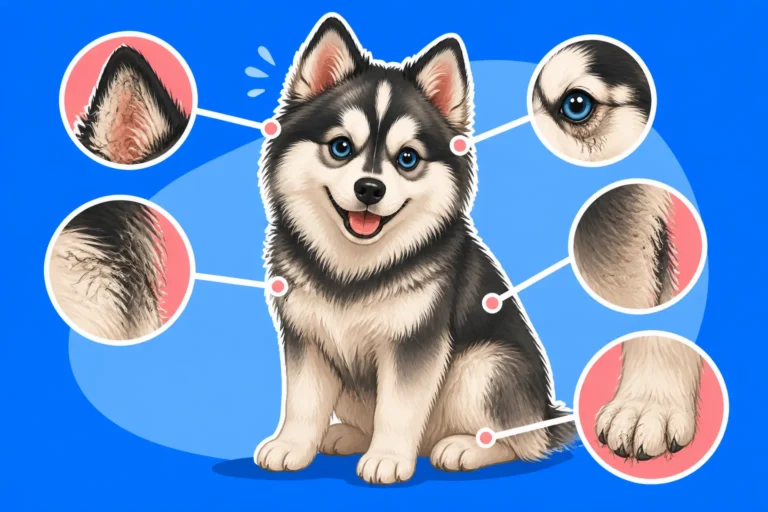
When a Pomsky Drops to Two Meals
It's completely normal to feel a bit overwhelmed when it comes to feeding your Pomsky puppy, especially as they grow. You start with tiny, frequent meals, and then suddenly, you're wondering when that schedule needs to shift. This guide will walk you through the signs and stages of transitioning your Pomsky from multiple small meals to a more mature, two-meal-a-day routine, helping you feel confident you're providing the best nutrition for your growing companion.
Understanding Your Pomsky Puppy's Early Feeding Needs
When you first bring home that fluffy bundle of Pomsky joy, their feeding schedule can seem pretty intense. It's not just about filling their tummies; it's about supporting their rapid growth and protecting them from common puppy pitfalls. Getting this foundation right is crucial for their long-term health and well-being.
The High Energy Demands of a Growing Pomsky
Think about it: your tiny Pomsky puppy is basically a miniature athlete in a fur coat. They're growing at an astonishing rate, exploring their new world with boundless energy, and learning new things every single day. All of this activity requires a constant supply of fuel. Their little bodies are building bones, muscles, and developing their immune systems. This isn't a slow, gradual process; it's a sprint! Because their stomachs are small, they can't hold a huge amount of food at once, so those nutrients need to be delivered frequently throughout the day. Skipping meals or trying to stretch them too far can leave a growing puppy feeling sluggish and, more importantly, can have health implications.
Why Multiple Small Meals Are Crucial for Puppies
Puppies, especially those of smaller to medium breeds like Pomskies, have incredibly fast metabolisms. They burn through calories much quicker than adult dogs. Imagine trying to power a race car with a tiny gas tank – you'd need to refuel often! That's exactly why puppies thrive on three to four (or even more, for very young pups) small meals spread throughout the day. This consistent intake helps maintain stable blood sugar levels, provides a steady stream of energy for growth and play, and aids in proper digestion. It prevents their digestive system from being overloaded while ensuring they get all the necessary vitamins and minerals for optimal development.
The Risk of Hypoglycemia in Small Breed Puppies
One of the biggest concerns for Pomsky puppies, especially the smaller ones, is hypoglycemia, or dangerously low blood sugar. This isn't just a minor issue; it can be life-threatening. Puppies, particularly those under four to five months of age, haven't fully developed their ability to regulate their blood sugar. Their liver isn't as efficient at storing and releasing glucose as an adult dog's. If they go too long without food, play too hard, or get stressed, their blood sugar can plummet quickly. Whether a Pomsky Puppy Crashes on Blood Sugar is a very real concern. Signs can include lethargy, weakness, wobbling, confusion, or even seizures. Frequent, small meals are your best defense against this, keeping their glucose levels steady and their energy consistent. This is why many breeders will advise that Whether a Small Pomsky Needs Feeding Overnight is sometimes necessary for the youngest or smallest pups.
The Transition Period: When to Consider Two Meals a Day
The shift from puppy meals to an adult schedule isn't a hard and fast rule set by a calendar date. It's more about observing your individual Pomsky and recognizing the signs they're ready for a change. Rushing it can lead to upset tummies or energy dips, while waiting too long might mean your pup is consistently hungry or gaining too much weight.
Age as a General Guideline
Generally speaking, most Pomskies are ready to transition from three meals a day to two somewhere between six months and one year of age. This is a broad range, of course, because just like kids, every puppy develops at their own pace. A larger, more Husky-looking Pomsky might be ready a bit sooner than a smaller, more Pomeranian-leaning one. Some breeders or vets might even suggest starting the transition as early as five months if the puppy is thriving and showing clear signs of readiness. It’s a good idea to consider The Age a Pomsky Reaches Full Size as a reference point for when their rapid growth phase might be slowing down, which often correlates with a readiness to reduce meal frequency.
It’s less about hitting a specific date on the calendar and more about the stage of their physical development. By six months, many puppies have developed more mature digestive systems and can comfortably handle larger amounts of food in fewer sittings. They've also usually passed the most critical period for hypoglycemia, reducing that specific risk significantly.
Observing Your Pomsky's Appetite and Energy Levels
Your Pomsky will give you clues that they're ready for a change. Are they skipping meals or leaving food in their bowl? This could be a sign that they're getting enough calories from fewer, larger meals. Maybe they're not quite as ravenous as they used to be at every feeding time. Pay attention to their energy levels, too. If they seem to crash between meals, they might need more food in their two larger meals, or perhaps they’re simply not ready to drop a feeding yet. If they're maintaining good energy throughout the day, looking bright-eyed and active without extreme hunger pangs, that’s a positive sign.
Another indicator is their overall body condition. Are they maintaining a healthy weight? Not too thin, not too chunky? You should be able to feel their ribs easily without seeing them, and they should have a discernible waist when viewed from above. If they seem to be gaining weight a bit too rapidly, it could be a sign that their metabolism is slowing slightly, or they are getting more calories than they need for their current activity level. In this case, adjusting the frequency and portion sizes can be beneficial.
The Importance of Consulting Your Veterinarian
Before making any significant changes to your Pomsky's diet or feeding schedule, a conversation with your veterinarian is paramount. They know your dog's individual health history, current weight, and growth trajectory. Your vet can provide personalized advice based on their physical examination and breed-specific considerations. They can confirm if your Pomsky is developing appropriately and if there are any underlying health concerns that might influence their feeding schedule.
For instance, if your Pomsky has a sensitive stomach, or if they're particularly prone to Dental Crowding in a Pomsky's Small Mouth (which can impact how they chew and digest food), your vet might recommend a slower transition or specific dietary adjustments. They can also help you determine the appropriate portion sizes for the new schedule, ensuring your Pomsky continues to receive all the necessary nutrients without overfeeding. Don't underestimate the value of professional guidance here; it's a simple step that can save a lot of guesswork and potential problems.
How to Smoothly Transition Your Pomsky to Two Meals
Making the switch isn't a sudden, cold-turkey event. A gradual approach is key to avoid upsetting your Pomsky's digestive system and to help them adjust comfortably to the new routine. Patience and consistency are your best friends during this period.
Gradual Reduction and Increased Meal Size
The best way to transition is slowly. If your Pomsky is currently eating three meals a day, start by slightly reducing the mid-day meal while incrementally increasing the morning and evening meals. For example, if they get one cup of food total per day split into three meals (1/3 cup each), you might try giving 1/2 cup in the morning, 1/4 cup at midday, and 1/2 cup in the evening for a few days. Then, you can gradually phase out that midday meal entirely, distributing its portion between the two remaining meals.
This might look like:
| Current Schedule (3 Meals) | Transition Phase 1 | Transition Phase 2 | Target Schedule (2 Meals) |
|---|---|---|---|
| 7 AM: 1/3 daily portion | 7 AM: 1/2 daily portion | 7 AM: 1/2 daily portion | 7 AM: 1/2 daily portion |
| 1 PM: 1/3 daily portion | 1 PM: 1/4 daily portion | – (eliminated) | – (eliminated) |
| 6 PM: 1/3 daily portion | 6 PM: 1/2 daily portion | 6 PM: 1/2 daily portion | 6 PM: 1/2 daily portion |
Remember, these are examples. Always consult your vet for the precise daily caloric needs and portion sizes for your specific Pomsky. The idea is to make each change small enough that your dog barely notices, allowing their digestive system to adapt without sudden changes in volume. You might find great puppy food options on Chewy that list recommended feeding guidelines by weight and age, which can be a good starting point for discussion with your vet.
Monitoring Digestion and Weight During Transition
During this transition, keep a close eye on your Pomsky. Look for any changes in their stool – loose stools or diarrhea could indicate that the change is too rapid or the new meal sizes are too large for their system. Constipation is also a sign of digestive upset. If you notice any issues, slow down the transition or revert to the previous schedule for a few days before trying again.
Beyond digestion, monitor their weight. Are they gaining too much, or perhaps losing weight? Adjust the total daily food amount as needed. An easy way to track weight without constant vet visits is to use a home scale if your Pomsky is small enough, or simply perform a weekly "rib check." You should be able to feel their ribs with a slight layer of fat over them, but not see them protruding. You should also see a distinct waistline. If you're feeding a high-quality fresh food like Ollie, which often provides customized portion recommendations, this monitoring is still important as their metabolism shifts.
Maintaining Consistency and Routine
Dogs thrive on routine, and Pomskies are no exception. Once you've established the two-meal-a-day schedule, stick to it as much as possible. Feed them at roughly the same times each morning and evening. This helps regulate their digestive system and gives them a sense of security, knowing when their next meal is coming. Try to feed them in a quiet, consistent location where they feel safe and can focus on eating without distractions.
Consistency also applies to the type of food. If you're happy with your current food, try to stick with it unless your vet recommends a change. Sudden changes in diet, on top of changes in meal frequency, can be a recipe for digestive upset. If you do need to change foods, do so gradually over several days by mixing increasing amounts of the new food with decreasing amounts of the old. Whether a Pomsky Puppy's Fluff Predicts the Adult Coat or Whether a Pomsky's Coat Gets Thicker With Age might not directly relate to feeding, but it's another example of how a Pomsky's development involves many subtle changes that require observation and consistent care.
Beyond Two Meals: Lifelong Nutritional Habits
Once your Pomsky has successfully transitioned to two meals a day, you might think the hard part is over. And largely, it is! But maintaining good nutritional habits throughout their life is an ongoing commitment. It's not just about feeding times, but also about the quality of food and understanding your dog's individual needs as they continue to mature.
When a Pomsky Skips Meals
It's actually quite common for Pomskies, particularly those with strong Husky genes, to be somewhat finicky or to skip meals occasionally. Whether a Pomsky Skips Meals is a topic many owners grapple with. Unlike some breeds that act like bottomless pits, Huskies are known for being efficient eaters who might "self-regulate" their intake. If your Pomsky misses a meal but otherwise seems healthy, energetic, and isn't losing weight, it's usually nothing to worry about. They might just not be that hungry at that moment.
However, if your Pomsky consistently skips multiple meals, appears lethargic, or shows any other signs of illness, it's time for a vet visit. It's important to distinguish between a healthy dog being a bit particular and a sick dog refusing to eat. Avoid the temptation to constantly offer new foods or add human scraps to entice them, as this can create a picky eater or lead to an unbalanced diet. A high-quality kibble from a reputable brand found on Amazon, coupled with patience, is often the best approach.
Monitoring a Pomsky's Weight
Maintaining an ideal weight is one of the most impactful things you can do for your Pomsky's long-term health. Obesity in dogs can lead to a host of problems, including joint issues like Slipping Kneecaps in a Pomsky and Hip Dysplasia in a Pomsky, heart disease, diabetes, and a decreased lifespan. Regularly performing those "rib checks" and observing their waistline is crucial.
Your vet can also provide a body condition score at their annual check-ups, which is a more objective measure. If your Pomsky starts to get a bit chunky, the solution isn't necessarily to reduce meal frequency again, but rather to adjust the amount of food per meal and increase their exercise. Consider using a measuring cup for precise portions rather than just "eyeballing" it. And don't forget to factor in treats! Those delicious little morsels add up quickly.
The Importance of Quality Nutrition
Beyond the schedule, the quality of what you put in their bowl makes a world of difference. Investing in a high-quality dog food tailored to their life stage (adult vs. senior) and activity level is paramount. Look for foods with real meat as the first ingredient, healthy fats, and digestible carbohydrates. Avoid foods with excessive fillers, artificial colors, or by-products.
A good diet supports everything from a healthy, shiny coat (even through their Whether a Pomsky Blows Its Coat Twice a Year shedding periods) to strong bones, a robust immune system, and consistent energy. If you're unsure about the best food for your adult Pomsky, your veterinarian is an excellent resource. They can help you navigate the vast array of options and recommend a diet that meets all of your Pomsky's unique needs, ensuring they live a happy, healthy life well into their senior years. Caring for a Pomsky Past Ten often involves specific dietary considerations, so establishing good habits early on is a foundation for their entire life.
Disclaimer
This article is for general informational purposes only and does not constitute professional advice. Laws, prices and regulations vary by location and change over time. Consult a qualified professional for guidance on your specific situation.