The Viral Post That Invented Pomsky Demand
Oh, the Pomsky! It feels like just yesterday everyone was swooning over those adorable, miniature Husky-like dogs popping up on our social media feeds. Suddenly, they were everywhere, and people were absolutely desperate to get one. But what many didn't realize was that the "Pomsky" everyone fell in love with online wasn't always quite what they imagined, and this guide is going to take a nostalgic trip back to the viral moment that truly kickstarted the global obsession with this unique crossbreed.
The Internet's Initial Fascination: A Dream Dog Emerges
Let's cast our minds back to the early 2010s. The internet was truly coming into its own as a platform for sharing all sorts of captivating content, and nothing quite captured hearts like cute animals. It was during this time that a particular image, or set of images, began to circulate, sparking a wildfire of interest and unknowingly laying the groundwork for a whole new canine phenomenon. It was a digital "love at first sight" for countless future dog owners, but it also sowed the seeds of confusion.
The Image That Launched a Thousand Dreams
Imagine scrolling through your feed and suddenly, there it is: a fluffy, blue-eyed, undeniably gorgeous dog that looks exactly like a Siberian Husky, but scaled down to a manageable, lap-dog size. It had the distinctive markings, the intelligent gaze, the stand-up ears, and often, those piercing blue eyes that are so characteristic of the Husky, all wrapped up in a smaller, more apartment-friendly package. People instantly thought, "This is it! This is the perfect dog!" These images spread like wildfire, shared across Facebook, Twitter, and early dog enthusiast blogs. Everyone tagged their friends, dreamed aloud, and immediately started Googling "miniature husky breed."
The allure was incredibly powerful. Many people adored the stunning appearance and spirited personality of a Siberian Husky but were realistically deterred by their large size, immense energy requirements, and often intense shedding. The idea of a "mini Husky" seemed to solve all these problems, offering the best of both worlds. It was the perfect blend of exotic beauty and practical companionship, or so it seemed. This dream dog, appearing in high-resolution photos, quickly moved from a delightful discovery to a must-have companion.
The Discrepancy Between Image and Reality
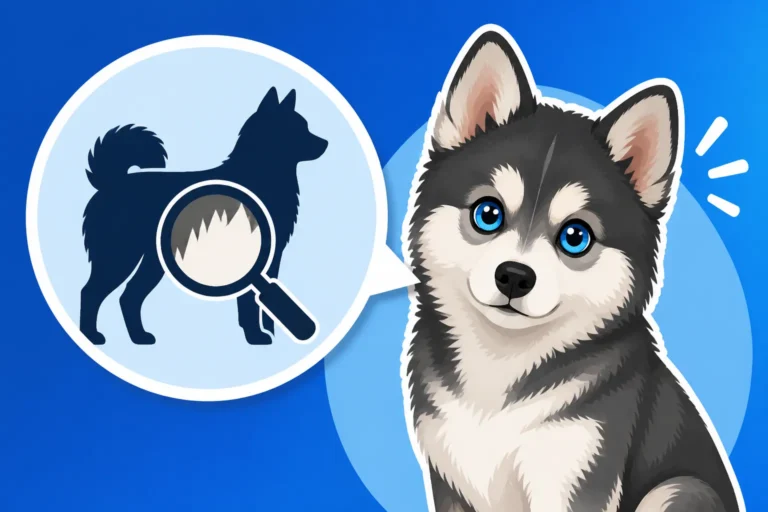
Here's where the story takes a bit of a twist, and where many initial hopes met a dose of reality. The truth is, many of those initial viral images weren't actually Pomskies at all. They were often pictures of Alaskan Klee Kai, a distinct and established breed specifically developed to resemble a miniature Husky, or even sometimes Finnish Lapphunds, another spitz-type breed. In some cases, there might have been clever photo editing or simply misidentified puppies. This led to a lot of excitement, but also a significant amount of misunderstanding in the burgeoning online dog community. Whether the First Pomsky Photos Showed Lapphunds
Prospective owners, fueled by these captivating but sometimes misleading images, began contacting breeders, asking for these "miniature Huskies." The frustration quickly set in when they realized that the dog in the picture either wasn't a Pomsky, or that a true Pomsky puppy might grow up looking quite different from their viral muse. It highlighted a critical gap: the public was ready for this breed, but the breed itself, as a consistent entity, hadn't quite caught up to its internet fame. This disconnect would become a defining feature of the Pomsky's early development, challenging breeders to meet an expectation that had, in some ways, outpaced the reality of canine genetics.
From Myth to Mandate: Breeders Respond to Demand
The immense public interest stirred by those viral images created an undeniable market, a loud and clear signal that people wanted this "miniature Husky." This demand didn't just fade away; it intensified, prompting a new generation of breeders to take on the fascinating, yet complex, challenge of intentionally creating what the internet had dubbed the Pomsky. It was a journey from a viral fantasy to a tangible reality, albeit one filled with scientific hurdles and ethical considerations.
The Genesis of Genuine Pomsky Breeding Efforts
With the internet buzzing, dedicated dog enthusiasts and professional breeders saw the clear demand. They began to explore the possibility of intentionally crossing a Siberian Husky with a Pomeranian. This wasn't a casual endeavor. The size difference between a female Siberian Husky and a male Pomeranian is considerable, making natural breeding not just difficult, but unsafe for both dogs. To mitigate these risks and ensure the well-being of the dam, artificial insemination became the standard, and indeed, often the only viable method for creating Pomsky litters. This immediately placed a higher cost and technical requirement on breeders, distinguishing the Pomsky from many other crossbreeds. Why a Pomsky Cannot Be Bred Naturally
The goal was to create a dog that truly embodied the "miniature Husky" ideal – intelligent, active, and strikingly beautiful, but in a more compact size. These early breeders often started with first-generation crosses (F1 Pomskies), which are direct offspring of a purebred Siberian Husky mother and a purebred Pomeranian father. The dedication involved in health testing parent dogs, carefully timing inseminations, and providing exceptional prenatal and postnatal care for the Husky dam and her puppies was immense. It was a significant undertaking, born directly from the digital buzz.
The Early Days and Unpredictable Results
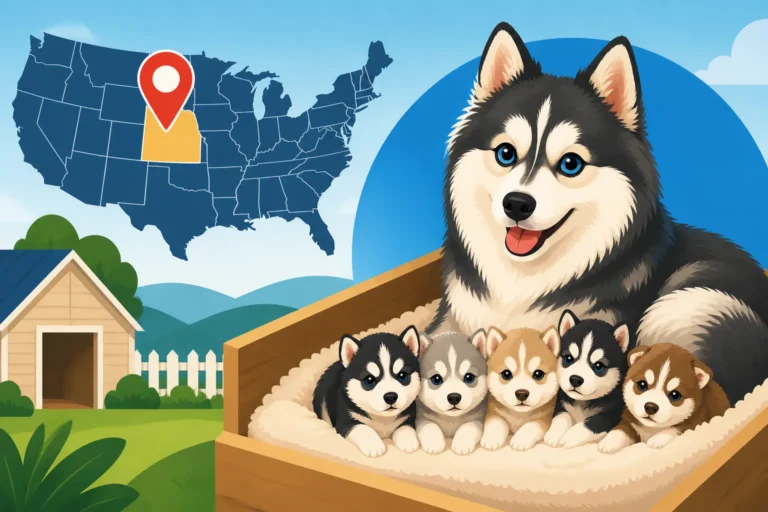
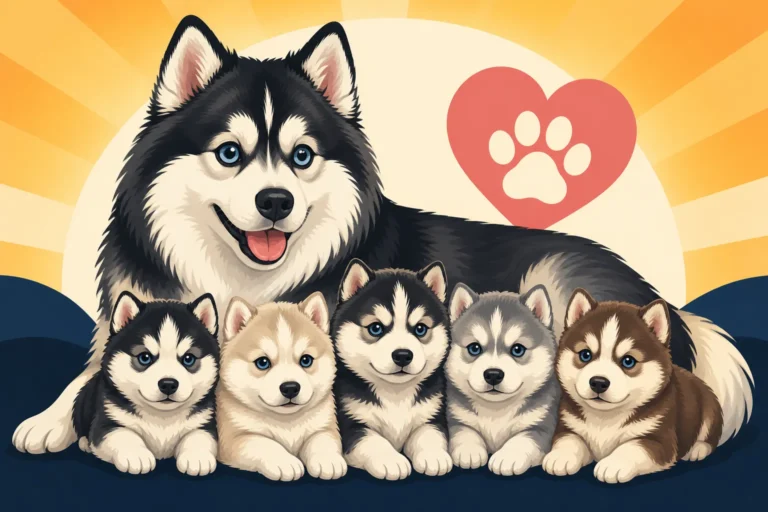
The initial Pomsky litters, while exciting, often revealed the unpredictable nature of genetics in crossbreeding. Unlike purebred dogs with generations of selective breeding for consistent traits, F1 Pomskies, in particular, displayed a wide range of appearances, sizes, and temperaments. Some puppies might indeed look like miniature Huskies, complete with blue eyes and striking masks. Others might lean more heavily towards the Pomeranian side, with fluffier coats, a more compact build, and slightly different facial structures. This variability could be both thrilling and, at times, frustrating for breeders and buyers alike. The First American Pomsky Litter
The early days were a period of intense learning and observation. Breeders carefully documented the characteristics of each puppy, tracking their growth, coat development, eye color, and personality traits. They had to manage buyer expectations, explaining that while the goal was a "mini Husky," each puppy was a unique genetic lottery ticket. This variability meant that a buyer might fall in love with a picture of a miniature Husky, but their actual puppy could grow up to be a stunning dog that looked more like a larger Pomeranian with Husky markings, or something in between. This unpredictability, however, also highlighted the charm of the Pomsky – no two were exactly alike, making each one a truly individual companion.
Navigating the Pomsky Boom: Expectations Versus Reality
The sheer speed at which the Pomsky gained popularity, largely thanks to those captivating viral images, brought with it both excitement and significant challenges. For many prospective owners, the expectation of their future furry friend was shaped by idealized photos, which often clashed with the natural genetic diversity of a new crossbreed. This era saw a crucial shift, from simply meeting demand to consciously developing standards and guiding buyer expectations.
The Impact on Buyer Expectations
When people saw those viral images, they weren't just seeing a cute dog; they were seeing a perfectly proportioned, consistently sized, blue-eyed miniature version of a Siberian Husky. This created a very specific, and often unrealistic, expectation. Many potential owners expected every Pomsky to fit this mold: a compact size, the striking blue eyes, the characteristic Husky coat colors, and often, the exact facial mask. The reality of F1 Pomskies, however, was a spectrum. Puppies could range significantly in size, from smaller, Pomeranian-sized dogs to larger ones that were closer to a small Husky or even medium-sized mix. Whether Most Pomskies Look Like Big Pomeranians
Coat types varied widely too – some might have the dense, plush double coat of a Husky, while others might inherit the softer, longer coat of a Pomeranian. Eye color was another big one; while blue eyes were highly sought after, many Pomskies have brown eyes, or even heterochromia (one blue, one brown). This meant that a buyer, after investing considerable time and emotion, and often a significant financial deposit, might find their puppy growing into a wonderful, loving dog that simply didn't match the exact "miniature Husky" image they had in their mind. This could lead to disappointment, or worse, dogs being rehomed because they weren't what was expected. It was a tough lesson for many that a viral image doesn't dictate genetic outcome.
The Rise of Ethical Breeding Standards
Recognizing the need for consistency, predictability, and above all, the health and welfare of the dogs, many responsible breeders stepped up to establish guidelines for the emerging Pomsky breed. Organizations like the International Pomsky Association (IPA) were formed. These organizations aimed to set standards, encourage health testing for parent dogs, and provide resources for both breeders and potential owners. They understood that to move beyond the "designer dog" label and establish the Pomsky as a respected crossbreed, there needed to be a commitment to responsible breeding practices. What the International Pomsky Association Does
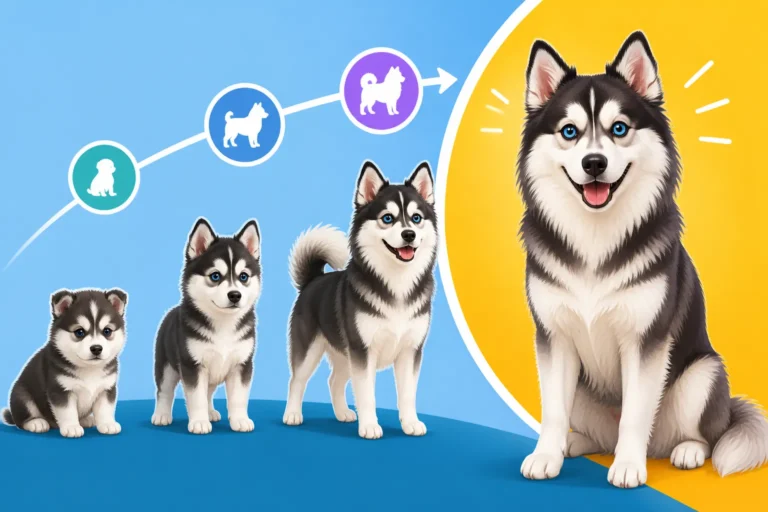
These standards helped to educate the public on the various generations of Pomskies (F1, F2, F1b, Multigen) and how these generations might influence traits like size, coat, and temperament. For instance, while F1 Pomskies offer the most genetic diversity and often the widest range of appearances, later generations like F2 and Multigens are often bred with the goal of creating more consistency and predictability in terms of size and appearance. Why an F1 Pomsky Is Not the One Breeders Want This focus on ethical breeding helps ensure that potential owners have a clearer understanding of what to expect, moving away from the purely aspirational image and towards the beautiful, diverse reality of the Pomsky. When you're looking for dog supplies, whether for a purebred or a Pomsky, reputable retailers like Chewy often provide breed-specific advice and products, which can be invaluable.
The Lasting Legacy of the Viral Phenomenon
What started as a captivating image shared across the internet eventually blossomed into a legitimate, albeit still developing, crossbreed with a passionate following. The initial viral sensation not only created demand but also sparked a movement among breeders to thoughtfully develop the Pomsky, moving it beyond a mere internet fantasy into a beloved companion dog with its own distinct identity.
How the Pomsky Gained its Own Identity
Despite the initial confusion and the sometimes unrealistic expectations set by those early viral images, the Pomsky has carved out a distinct niche for itself in the canine world. It is no longer just a "miniature Husky" but a unique crossbreed that embodies a fascinating blend of its parent breeds. Pomskies often inherit the intelligence, vocal tendencies, and playful spirit of the Siberian Husky, combined with the smaller stature, often lush coat, and alert nature of the Pomeranian. This combination results in a dog that is often highly affectionate, intelligent, and energetic, making them wonderful companions for active families or individuals.
The breed's journey from internet sensation to recognized crossbreed is a testament to the dedication of breeders who have worked to stabilize its characteristics. While there is still a degree of variability, especially compared to long-established purebreds, responsible breeders are continually striving for predictability in health, temperament, and appearance across generations. This means that today's Pomsky owners are getting a dog that, while still individual, is more likely to meet the general characteristics associated with the breed, rather than being a complete genetic surprise. The breed has truly come into its own, celebrated for its unique charm and character, not just its resemblance to its larger parent.
Lessons Learned for Prospective Owners
The Pomsky's origin story serves as a valuable lesson for anyone looking to bring a new dog into their home. The biggest takeaway is the critical importance of doing your homework. Never rely solely on viral photos or social media trends when choosing a pet. Instead, immerse yourself in research about the breed's characteristics, potential health issues, and reputable breeders. Understanding that a "miniature husky" is a generalized concept, rather than a fixed genetic guarantee, is key to setting realistic expectations. A dog, whether a Pomsky or any other breed, is a living, breathing individual, not a customized product.
When considering a Pomsky, seek out breeders who are transparent about their breeding practices, health testing results, and the typical range of characteristics seen in their puppies. They should be able to show you the parents, discuss their health clearances, and provide insights into the temperament of their lines. Don't be afraid to ask tough questions! Look for breeders affiliated with organizations like the IPA, who are committed to the breed's well-being. Additionally, preparing for a Pomsky involves understanding their specific needs in terms of diet, exercise, and grooming. Resources are readily available, from dedicated breed websites to pet supply stores like Chewy, which offers a wide range of products tailored to the needs of active, double-coated dogs. Understanding the full commitment before you bring a puppy home ensures a happy, lifelong partnership.
| Feature | Viral Image Expectation (Often Alaskan Klee Kai) | Real Pomsky Characteristics (Typical Range) |
|---|---|---|
| Size | Consistently tiny, perfectly miniature Husky | Highly variable (10-35 lbs), often larger than expected |
| Appearance | Exact replica of a Husky, scaled down | Mix of Husky and Pomeranian traits; can lean either way |
| Coat Type | Dense, medium-length Husky double coat | Standard, wooly, or even short; shedding can be significant |
| Eye Color | Almost always piercing blue | Blue, brown, bi-eyed, or parti-colored; blue is not guaranteed |
| Temperament | Calm, easily trainable "lap Husky" | Intelligent, energetic, sometimes stubborn; high exercise needs |
| Vocalizations | Quiet | Can be very vocal (howling, talking, barking) |
| Predictability | High consistency due to "perfect" image | Variable, especially in F1 generations; more predictable in later generations |
| Breeding Method | Implied natural breeding | Requires artificial insemination due to size difference |
Disclaimer
This article is for general informational purposes only and does not constitute professional advice. Laws, prices and regulations vary by location and change over time. Consult a qualified professional for guidance on your specific situation.