Why a Pomsky Should Wear a Harness
As a Pomsky parent, you're constantly navigating the delightful, yet sometimes challenging, quirks that come with these incredible little fluff balls. One common frustration many of us face is finding the right way to walk our energetic companions without causing them harm or losing control. The seemingly innocent choice between a collar and a harness can have profound implications for your Pomsky's comfort, safety, and long-term health, especially given their unique physical predispositions. This comprehensive guide will delve deep into why a harness is almost always the superior choice for your Pomsky, offering protection, better control, and peace of mind.
The Anatomy of a Pomsky's Delicate Neck and Trachea
It’s easy to look at a Pomsky, with their thick double coat and sturdy appearance, and assume their neck is as robust as a full-sized Husky. However, the Pomeranian side of their lineage often brings a delicate structure that requires careful consideration. The reality is that many Pomskies inherit a more fragile neck and windpipe than their larger Husky parent, making them particularly vulnerable to injury from traditional neck collars.
Understanding the Trachea and Its Vulnerabilities
The trachea, or windpipe, is a tube made of cartilage rings that allows air to pass to and from the lungs. In smaller breeds like Pomeranians, these cartilage rings can be weaker and more prone to collapse. When excessive pressure is applied to the neck, such as from a pulling dog on a collar, these rings can flatten, partially obstructing the airway. Imagine trying to breathe through a crimped straw – that's what a collapsing trachea feels like for a dog. It's not just discomfort; it's a serious health concern that can worsen over time.
For a Pomsky, this vulnerability is a significant factor. Even if your Pomsky is on the larger side, the genetic blueprint from their Pomeranian ancestry can mean their trachea isn't as resilient as you might expect. This hidden fragility means that seemingly minor tugs or even just consistent pressure over time from a collar can put undue stress on this vital structure, potentially leading to chronic issues.
The Combined Genetic Predisposition to Tracheal Issues
The Pomsky is a mix, and while hybrid vigor can be a wonderful thing, it also means they can inherit predispositions from both parent breeds. When it comes to the trachea, the Pomeranian's genetic leanings often dominate in terms of vulnerability. Many Pomskies carry the risk of developing a condition known as tracheal collapse, a progressive respiratory issue where the cartilage rings of the trachea weaken and flatten. This is a topic so important, we've dedicated an entire article to it: The Collapsing Trachea a Pomsky Gets From the Pomeranian.
This condition manifests as a distinctive "honking cough," especially when the dog is excited, pulling on a leash, or drinking water. While not all Pomskies will develop a collapsing trachea, the risk is elevated, and using a traditional collar can significantly increase the likelihood of initiating or aggravating the condition. Protecting their neck, even if they don't currently show symptoms, is a preventative measure that can save them from a lifetime of breathing difficulties and discomfort.
How Collars Exacerbate Existing Conditions
Even for Pomskies without a confirmed tracheal issue, a collar can still be problematic. If your Pomsky has any underlying respiratory sensitivities, allergies, or even just a particularly enthusiastic pulling habit, a collar will only make things worse. Every tug on the leash, every sudden lunge after a squirrel, transmits direct force onto the delicate structures of their throat. This can cause inflammation, irritation, and even bruising.
Consider a Pomsky that gets excited easily or pulls when they see another dog or an interesting scent. That instant jolt on their neck from a collar can trigger a coughing fit, gagging, or even a temporary restriction of airflow. This isn't just uncomfortable; it can be painful and traumatic, especially if it happens repeatedly. Over time, this constant stress can weaken the tracheal rings, making them more susceptible to collapse later in life. It's a compounding problem, where seemingly small interactions can build up to significant health challenges. We often discuss The Honking Cough of a Pomsky With a Bad Trachea, and a collar is frequently a primary exacerbating factor.
The Dangers of Neck Pressure from Traditional Collars
It's natural to think a collar is sufficient because that's what many dogs wear. However, for a Pomsky, the risks associated with collar-induced neck pressure extend far beyond just the trachea. There are several other, less obvious, but equally serious health concerns that can arise from relying solely on a collar for leash attachment.
Risk of Tracheal Collapse and Injury
We've touched on this, but it bears repeating with emphasis: a collar can directly lead to or worsen tracheal collapse. This isn't just a mild cough; a severe tracheal collapse can be life-threatening and may require invasive medical intervention. When a Pomsky pulls on a collar, the pressure constricts the windpipe, making it harder for air to reach the lungs. In a worst-case scenario, particularly with a strong puller, the forceful constriction can cause the cartilage rings to tear or permanently deform.
The signs aren't always immediate or obvious. You might notice your Pomsky making an unusual honking sound, especially after exercise or excitement, or perhaps they start gagging. These are red flags. Consistent pressure from a collar means that even if the collapse is minor initially, it's likely to progress. The vet bills associated with diagnosing and managing tracheal collapse can be significant, and in severe cases, a Pomsky might need complex procedures. Sometimes, the issue becomes so chronic that even asking Whether a Pomsky Needs Tracheal Surgery becomes a grim reality. Prevention is truly the best cure here.
Thyroid Gland and Nerve Damage Concerns
Beyond the trachea, the neck area is a complex network of vital structures, including the thyroid gland and numerous nerves. The thyroid gland, located at the front of the neck, plays a crucial role in metabolism and overall health. Constant pressure from a collar can potentially interfere with its function or even cause trauma. While research is ongoing, some veterinary professionals express concern that long-term neck compression could contribute to thyroid issues in susceptible dogs.
Similarly, there are delicate nerves running through the neck that control various functions, from sensation to muscle movement. Repeated jolts or sustained pressure from a collar can irritate or even damage these nerves, leading to pain, numbness, or other neurological problems. Imagine having a tight band around your neck all day, every day – it would restrict blood flow and irritate nerve endings. What seems like a simple walk with a collar could, over years, contribute to chronic discomfort or more severe health problems for your Pomsky. This is why we stress that Whether a Collar Damages a Pomsky's Windpipe is not just about the trachea, but a host of other critical tissues.
Increased Intraocular Pressure in Blue-Eyed Pomskies
This is a lesser-known but equally critical concern, particularly for those adorable blue-eyed Pomskies. When pressure is applied to a dog's neck, it can temporarily increase the intraocular pressure (IOP) within their eyes. For most dogs, this temporary spike isn't a significant issue. However, for Pomskies who inherit the stunning blue eyes from their Husky parent, there can be a predisposition to certain eye conditions.
For a Pomsky with underlying or developing eye issues like glaucoma, or even just a genetic predisposition to higher IOP, this constant fluctuation from collar use can be detrimental. Repeated increases in intraocular pressure can worsen existing conditions or potentially accelerate the development of new ones, impacting their vision. We’ve covered The Eyes a Pomsky Gets From the Husky, and understanding their potential vulnerabilities, including those linked to eye color and breed predispositions, helps us make better decisions about their daily care. Using a harness completely bypasses this risk, keeping their precious peepers safe from unnecessary pressure.
Harnesses as the Safer Alternative for Pomskies
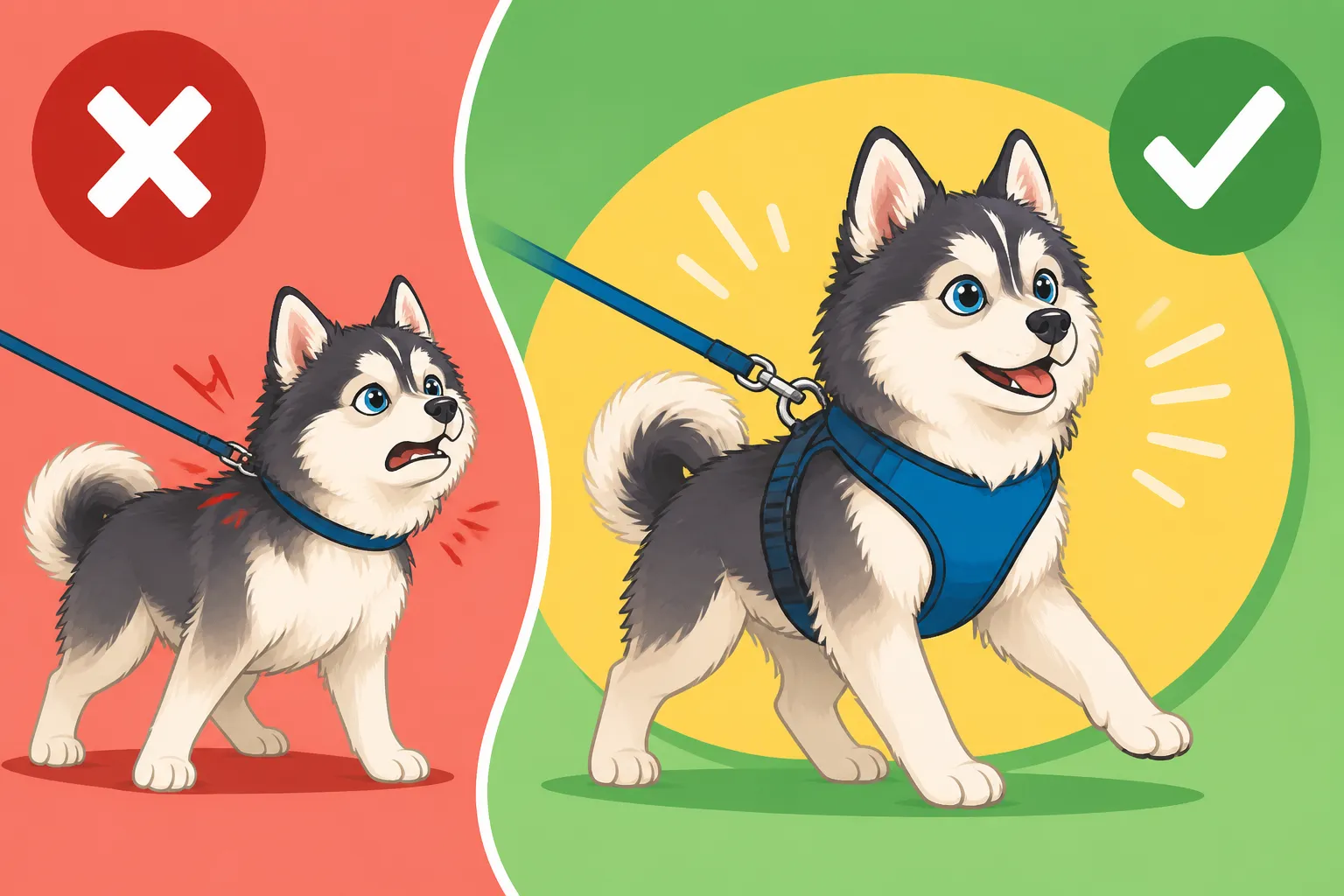
Given the myriad of risks associated with traditional collars, switching to a harness becomes less of a preference and more of a necessity for many Pomskies. A well-fitting harness redistributes pressure away from the delicate neck and trachea, channeling it instead across the chest and shoulders, which are much more robust and better equipped to handle pulling forces.
Distributing Pressure Evenly and Safely
The fundamental advantage of a harness is its ability to spread any tension from the leash over a much larger and stronger surface area of your Pomsky's body. Instead of concentrating all the force on a few inches of delicate neck tissue, a harness distributes it across the chest, shoulders, and sometimes the back. This means that even if your Pomsky pulls with all their might, the impact is minimized and directed to areas that can comfortably withstand it.
This redistribution of force not only protects the trachea and surrounding structures but also provides a more stable and comfortable experience for your dog. They are less likely to gag, choke, or experience sudden discomfort, making walks more enjoyable for both of you. It also means that you, as the handler, have better control without having to worry about causing pain or injury to your beloved companion.
Types of Harnesses Best Suited for Pomskies
Not all harnesses are created equal, and choosing the right one for your Pomsky is crucial. There are generally two main types of harnesses: back-clip and front-clip (also known as no-pull harnesses).
- Back-Clip Harnesses: These harnesses have the leash attachment point on the dog's back, usually between the shoulder blades. They are excellent for dogs who don't pull excessively or for those who have already learned good leash manners. They provide ample freedom of movement and are generally very comfortable. Brands like the Ruffwear Front Range Harness or the Hurtta Casual Y-Harness are popular choices known for their durability and ergonomic design.
- Front-Clip Harnesses: These harnesses have the leash attachment point on the dog's chest. When your Pomsky pulls, the leash attachment on the front gently redirects them to the side, discouraging forward pulling. This is a fantastic option for Pomskies who are strong pullers or are still learning leash etiquette. The Easy Walk Harness by PetSafe and the Freedom No-Pull Harness are widely recommended and highly effective.
For a Pomsky, a harness with a Y-shaped chest strap is often preferred, as it allows for full shoulder articulation and doesn't restrict movement. Avoid harnesses that have a horizontal strap across the chest that can rub or restrict the natural gait of the dog's shoulders.
Proper Fitting for Maximum Comfort and Security
Even the best harness is useless if it doesn't fit correctly. A poorly fitted harness can cause chafing, restrict movement, or, worst of all, allow your clever Pomsky to escape. We know Pomskies are notorious escape artists; it's why we have topics like The Pomsky Escape Artist in a Twenty Pound Body and Whether a Pomsky Backs Out of a Harness. A proper fit is key to mitigating this.
Here’s how to ensure a good fit:
- Two-Finger Rule: You should be able to comfortably slip two fingers under any strap of the harness. If it's too loose, it can shift and rub or allow for an escape. If it's too tight, it will restrict movement and be uncomfortable.
- Freedom of Movement: Ensure the harness doesn't impede your Pomsky's shoulder movement. The straps should sit away from their armpits to prevent chafing.
- No Gaping: The harness should be snug around the body, especially around the neck opening, to prevent them from backing out. Many Pomskies are masters at wiggling their way out of ill-fitting gear.
- Test It Out: Once fitted, take your Pomsky for a short walk. Observe their gait and comfort level. Adjust as needed.
A well-fitted harness will look secure without being restrictive, allowing your Pomsky to walk, run, and explore with joy, all while keeping them safe and comfortable.
Behavioral and Training Benefits of Harnesses
Beyond the physical health advantages, harnesses offer significant behavioral and training benefits that can transform your walks from a tug-of-war into an enjoyable bonding experience. Managing a Pomsky's intelligence and strong will can be a challenge, and a harness provides a crucial tool in this endeavor.
Preventing Escapes and Improving Control
Pomskies are known for their intelligence and independent spirit, traits inherited from both Huskies and Pomeranians. This often translates into a keen desire to explore and a sometimes alarming ability to escape from collars. If a Pomsky gets spooked, sees a squirrel, or simply decides they'd rather be exploring off-leash, they can often slip out of a traditional collar with surprising speed and agility. This is a terrifying scenario for any pet parent, potentially leading to your beloved dog running into traffic or getting lost.
A properly fitted harness, especially one with a snug fit and multiple adjustment points, significantly reduces the risk of escape. With the attachment point on the chest or back, it's much harder for a Pomsky to wriggle free, even if they try to back out of it. This improved security gives you peace of mind and allows you to maintain better control, even in distracting environments. For a breed that loves to bolt, like the Pomsky, this added layer of security is invaluable. For more tips on managing their adventurous spirit, consider how to work on Recall on a Pomsky Bred From a Dog That Runs.
Managing a Pomsky's Strong Pulling Instinct
Both Huskies and Pomeranians can have a strong pulling instinct – Huskies because they were bred to pull sleds, and Pomeranians can be quite confident and eager to lead the way. This means many Pomskies inherit a desire to pull on the leash, which, as we've discussed, is a dangerous habit when wearing a collar. A harness, particularly a front-clip or "no-pull" harness, can be a game-changer for managing this behavior.
When using a front-clip harness, any pulling by your Pomsky results in them being gently turned to the side, redirecting their forward momentum. This makes it very difficult for them to continue pulling effectively and teaches them that pulling doesn't get them where they want to go faster. It's a humane and effective training tool that discourages pulling without causing pain or discomfort. It also allows you to enjoy your walks more, rather than constantly battling against a strong, determined dog.
Encouraging Positive Leash Manners
A harness fosters a more positive association with leash walks. When your Pomsky isn't choking or gagging from collar pressure, they are more likely to enjoy the experience and be receptive to training. A comfortable dog is a teachable dog. This means they'll be more focused on you, less distracted by discomfort, and therefore more willing to learn and practice good leash manners.
Using a harness can be the first step in teaching a loose-leash walk, where the leash remains slack, and your Pomsky walks politely by your side. Without the discomfort of a collar, you can use positive reinforcement techniques more effectively, rewarding your Pomsky for staying close and not pulling. This leads to a happier dog, a more relaxed owner, and a much more pleasant daily routine. It helps build trust and strengthens your bond, turning walks into quality time instead of a struggle.
Long-Term Health and Well-being Considerations
Choosing a harness for your Pomsky isn't just about immediate safety and training; it's an investment in their long-term health and overall well-being. Thinking ahead can prevent a lot of heartache and expense down the line, ensuring your Pomsky lives a full and comfortable life.
Protecting Against Chronic Neck and Spinal Issues
The neck is a critical part of the spine, and repeated trauma or chronic stress to this area can lead to long-term orthopedic and neurological problems. Forceful pulling on a collar can strain neck muscles, ligaments, and even the vertebrae themselves. Over time, this can contribute to conditions like arthritis in the cervical spine or even intervertebral disc disease, where the discs cushioning the vertebrae rupture or bulge, causing immense pain and potentially paralysis.
While some of these conditions have genetic components, external factors like constant neck trauma can undoubtedly exacerbate them. By using a harness, you are significantly reducing the risk of these chronic issues, protecting your Pomsky's delicate spine and ensuring they remain mobile and pain-free for years to come. This proactive approach to their physical health is a cornerstone of responsible pet ownership. It’s similar to making sure your Pomsky doesn't overexert themselves with jumps, as discussed in Whether a Pomsky Should Jump Off Furniture, to protect their joints.
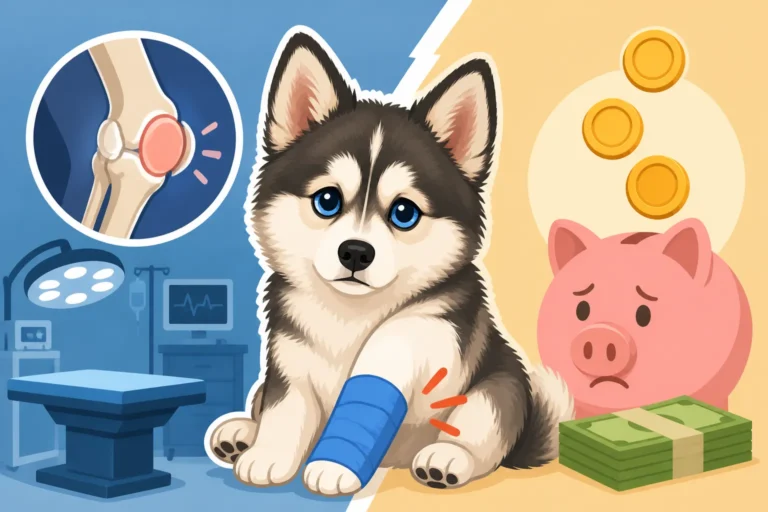
Financial Implications of Collar-Related Injuries
Unfortunately, neglecting to use a harness can lead to significant financial burdens for Pomsky owners. Diagnosing and treating conditions like tracheal collapse, severe neck sprains, nerve damage, or spinal issues can be incredibly expensive. Veterinary consultations, X-rays, specialized imaging like MRI, medications, and potentially surgery can quickly add up to thousands of dollars. Even managing a chronic honking cough can incur recurring vet visits and prescriptions.
When considering the costs of owning a Pomsky, it's not just the initial purchase price or the monthly food bill. Vet bills can be substantial, and proactive prevention is always cheaper than reactive treatment. For instance, you might be wondering What a Pomsky's Vet Bills Look Like, and an untreated tracheal issue can certainly contribute to a hefty sum. Investing in a good quality harness is a small, upfront cost that can save you a tremendous amount of money and emotional stress in the long run. Many pet insurance providers, like Healthy Paws, offer coverage for unexpected illnesses and accidents, but preventative measures like using a harness can help keep claims down and your Pomsky healthier. Having good pet insurance, such as a policy from Healthy Paws, can be a lifesaver, but reducing the chances of injury in the first place is even better.
Everyday Comfort and Quality of Life
Ultimately, choosing a harness for your Pomsky comes down to ensuring their everyday comfort and enhancing their quality of life. A dog that is comfortable on walks is a happier, more well-adjusted dog. They will look forward to their outings, be more engaged with their environment, and generally exhibit better behavior. Conversely, a dog that associates walks with discomfort or choking will likely dread them, potentially becoming anxious or resistant to going outside.
A harness allows your Pomsky to breathe freely, move naturally, and explore without the constant distraction of pressure on their throat. This simple change can make a profound difference in their overall happiness and well-being. It's about respecting their delicate physical structure and providing them with the safest, most comfortable way to experience the world by your side. After all, a healthy, happy Pomsky makes for a happy owner!
| Harness Type | Pros | Cons | Best For |
|---|---|---|---|
| Back-Clip | Comfortable, doesn't restrict movement, good for relaxed walkers | Less control over pulling, easier to back out of for escape artists | Pomskies with good leash manners, non-pullers, older dogs |
| Front-Clip | Excellent for discouraging pulling, better control, hard to escape | Can sometimes tangle legs if ill-fitting, may require more adjustment | Strong pullers, Pomskies in training, young energetic dogs |
| Dual-Clip (Front & Back) | Versatile, offers options for different situations, enhanced control | Can be more complex to put on, potentially bulkier | Owners who want maximum flexibility and control for training |
Disclaimer
Please remember that the information provided in this guide is for informational purposes only and is not a substitute for professional veterinary advice. Always consult with your veterinarian for any health concerns or before making any significant changes to your Pomsky's care routine.