Whether Both of a Pomsky’s Knees Go
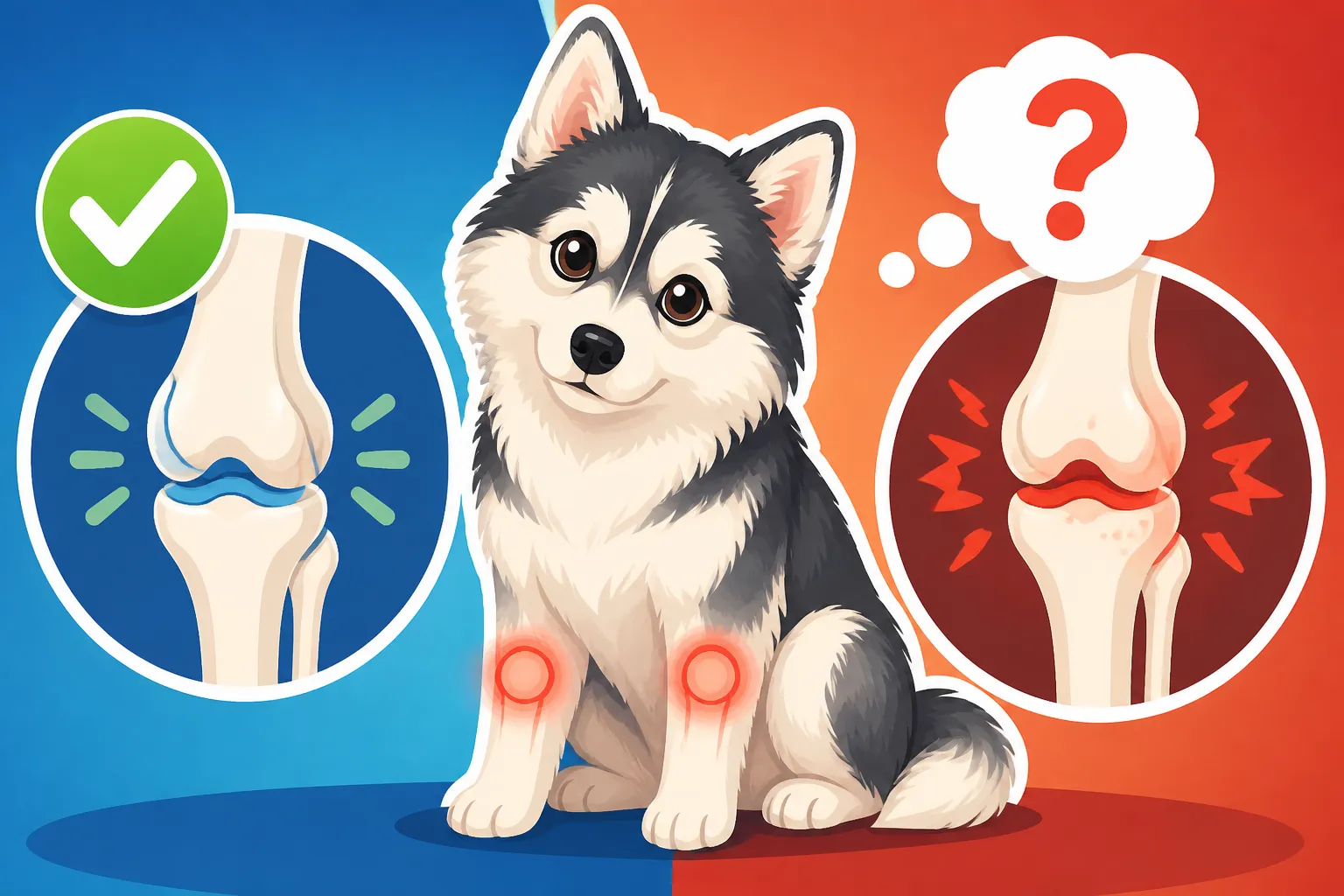
It's incredibly disheartening when you notice your beloved Pomsky skipping a step or holding up a little paw, and a sinking feeling washes over you. The worry instantly doubles if you start to wonder if the problem isn't just with one knee, but potentially both. Patellar luxation, or "slipping kneecap," is a common concern in smaller breeds like the Pomeranian, and thus in our charming Pomskies, making many owners anxious about the possibility of bilateral involvement. This guide aims to thoroughly explore whether both of a Pomsky's knees can be affected by patellar luxation, what to expect, and how to manage it.
Understanding Patellar Luxation in Pomskies
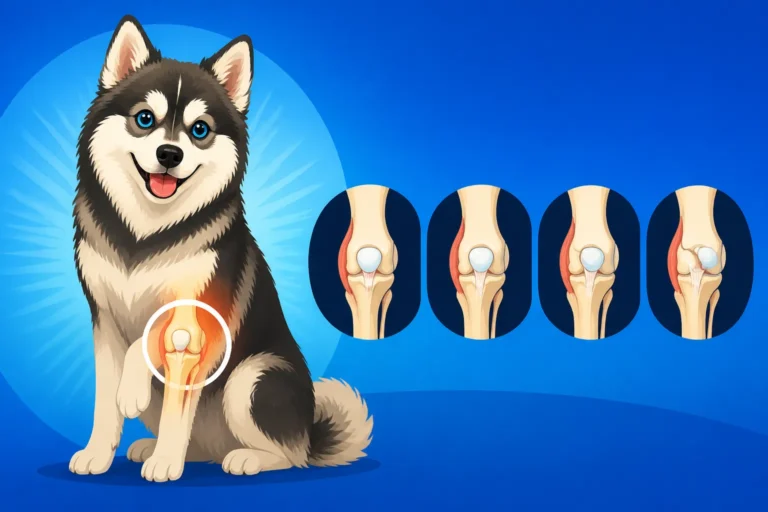
Patellar luxation is a condition where the kneecap (patella) dislocates or slips out of its normal groove in the thigh bone (femur). For Pomskies, who often carry the genetic predispositions of their smaller Pomeranian parent, this can be a frequent issue. It's not just a minor inconvenience; it can cause pain, lameness, and in severe cases, lead to more serious orthopedic problems like arthritis or even rupture of the cranial cruciate ligament over time.
Why Pomskies Are Prone to Kneecap Issues
Our furry friends, the Pomskies, are a delightful blend, but they often inherit the skeletal structure and predispositions of their parent breeds. The Pomeranian side brings a higher risk of patellar luxation, primarily due to genetics that influence bone structure. Essentially, the groove in the femur that the kneecap is supposed to slide in might be too shallow, or the alignment of the leg bones might be off, causing the kneecap to slip either to the inside (medial luxation) or outside (lateral luxation) of the joint.
It’s a cruel twist of fate that something so adorable can be prone to such discomfort. The genetic component means that even with the best care, some Pomskies are simply born with the architecture that makes them more susceptible. This is why discussions around topics like Whether an F1 Pomsky Is Healthier Than an F2 often arise, as people hope hybrid vigor might reduce these inherited risks, though it doesn't always eliminate them.
Recognizing the Signs and Severity Grades
Recognizing the signs of patellar luxation can be tricky because they vary depending on the severity. You might notice your Pomsky occasionally skipping a step, lifting a hind leg for a few strides, or holding it up entirely before it pops back into place and they walk normally again. Sometimes, especially in milder cases, there might be no obvious signs at all, and it's only discovered during a routine vet check-up.
Veterinarians classify patellar luxation into four grades, from Grade I (mild, occasional slipping) to Grade IV (severe, permanently dislocated). Each grade indicates how frequently the kneecap slips and how easily it can be manually put back into place. Understanding these grades is crucial because it dictates the potential treatment path, from conservative management to surgical intervention. For a deeper dive into how these are categorized, you can look into information about Patellar Luxation Grades in a Pomsky.
Here's a quick overview of the grades:
| Grade | Description | Clinical Signs |
|---|---|---|
| Grade I | Kneecap can be manually luxated but returns to normal position spontaneously. | Occasional skip or limp, often transient. May be asymptomatic. |
| Grade II | Kneecap spontaneously luxates but can also be manually reduced. Stays luxated for longer periods. | More frequent skips, intermittent lameness. May 'lock up' the leg. |
| Grade III | Kneecap is permanently luxated but can be manually reduced. It reluxates immediately upon release. | Persistent lameness, abnormal crouched gait, pain. May struggle to extend the leg fully. |
| Grade IV | Kneecap is permanently luxated and cannot be manually reduced. The trochlear groove is often absent. | Severe lameness, significant pain, bowed legs, inability to fully extend the knee. |
The Likelihood of Both Knees Being Affected
One of the most concerning aspects for any Pomsky owner dealing with a slipping kneecap is the question of whether the other knee will also develop the same problem. The unfortunate reality is that patellar luxation is often bilateral, meaning it can affect both knees, even if one shows symptoms before the other.
Why Bilateral Involvement is Common
The primary reason for bilateral involvement lies in the genetic and anatomical predispositions that cause patellar luxation in the first place. If your Pomsky inherits shallow trochlear grooves or improper limb alignment, these structural issues are usually not confined to just one leg. It's symmetrical in how it develops, even if the severity isn't always identical in both knees.
Think of it like this: if a house has a foundational flaw, it's rare for only one corner of the house to show cracks while the rest remains perfectly stable. The underlying issue affects the whole structure. Similarly, the genetic blueprint for your Pomsky’s skeletal development influences both hind limbs. So, even if you first notice The Skip That Means a Pomsky's Knee Has Gone in one leg, it's wise to have the other examined closely.
When One Knee Shows Symptoms First
It's very common for symptoms to appear in one knee before the other, which can sometimes give owners a false sense of security that the problem is isolated. Often, one knee might be slightly more severe, or simply takes on more strain, causing it to show signs earlier. This doesn't mean the other knee is healthy; it might just be a lower grade or hasn't yet been stressed enough to trigger noticeable symptoms.
For instance, your Pomsky might be a little clumsy on their left hind leg, and after a vet visit, you discover it’s a Grade II luxation. You might feel relieved that the right leg seems fine, but a thorough examination might reveal a Grade I luxation that isn’t yet causing obvious discomfort or skipping. This is why regular check-ups and being vigilant about subtle changes in gait are so important for breeds predisposed to this condition.
Managing Bilateral Patellar Luxation
Discovering that both of your Pomsky's knees are affected can feel overwhelming, but thankfully, there are various management strategies available, ranging from conservative approaches to surgical interventions. The best course of action often depends on the grade of luxation in each knee, your Pomsky's overall health, and their activity level.
Conservative Management for Milder Cases
For Pomskies with Grade I or some Grade II luxations in one or both knees, especially if they are not experiencing significant pain or lameness, conservative management might be recommended initially. This approach focuses on reducing inflammation, strengthening surrounding muscles, and preventing further wear and tear.
Key aspects of conservative management include:
- Weight Management: Keeping your Pomsky at a healthy weight is paramount. Every extra pound puts additional stress on their joints, exacerbating the problem. A lean body mass significantly reduces the load on their knees.
- Controlled Exercise: While exercise is important for muscle strength, high-impact activities like jumping (especially off furniture, which is why considering Whether a Pomsky Should Use Steps to the Couch is smart) or twisting motions should be minimized. Gentle, consistent walks and swimming can help build muscle without undue stress. Specific guidance on Exercise for a Pomsky With Bad Knees can provide more tailored recommendations.
- Joint Supplements: Glucosamine, chondroitin, and omega-3 fatty acids can support joint health and reduce inflammation. Brands like Nutramax Dasuquin or Cosequin are often recommended by vets. These won't cure the luxation but can help manage symptoms and slow progression.
- Anti-inflammatory Medication: Your vet might prescribe NSAIDs (Non-Steroidal Anti-Inflammatory Drugs) during flare-ups to manage pain and inflammation.
It’s about creating a lifestyle that supports joint health, even if it means some adjustments to your Pomsky’s daily routine. It can be frustrating to limit their exuberance, but it’s for their long-term comfort.
Surgical Intervention for Severe Cases
When patellar luxation is severe (Grade II with persistent lameness, Grade III, or Grade IV) or significantly impacts your Pomsky's quality of life, surgery is often the most effective solution. The goal of surgery is to realign the kneecap so it stays within its groove, thereby restoring normal function and preventing further damage.
Several surgical techniques can be used, often in combination:
- Trochleoplasty: Deepening the trochlear groove where the kneecap sits, so it has a more secure channel.
- Tibial Crest Transposition: Moving the bony attachment of the patellar ligament on the shin bone (tibia) to better align the kneecap.
- Soft Tissue Release/Tightening: Adjusting the ligaments and tissues around the kneecap to help it track correctly.
The decision for surgery, especially if it involves both knees, is a significant one. Often, veterinarians will recommend addressing one knee at a time, allowing for a full recovery before operating on the second. This can mean a longer overall recovery period, but it minimizes the stress on your dog and allows them to rely on one good leg while the other heals. If you're weighing these options, exploring resources like Whether a Pomsky's Kneecap Needs Operating can offer more insights.
The cost of these procedures can be substantial, which is where pet insurance can be a real lifesaver. Many owners find that plans from providers like Healthy Paws offer peace of mind when facing expensive orthopedic surgeries. Understanding What Patella Surgery Costs a Pomsky Owner can help you prepare for the financial aspect. It’s definitely worth researching Whether Patella Trouble Is Excluded on a Pomsky Policy when choosing your insurance, as some policies might have waiting periods or exclusions for pre-existing conditions, though Healthy Paws is generally known for comprehensive coverage after waiting periods.
Post-Surgery Recovery and Rehabilitation
Recovery from patellar luxation surgery is a commitment, requiring dedicated care and rehabilitation. Typically, your Pomsky will need strict rest for several weeks, followed by a gradual increase in controlled exercise. This usually involves short, leash-only walks, avoiding stairs or jumping.
Physical therapy, often including hydrotherapy or specific exercises, plays a crucial role in strengthening muscles, improving range of motion, and ensuring a successful long-term outcome. It's a journey, not a sprint, and consistency is key. The good news is that with proper surgical technique and diligent post-operative care, many Pomskies go on to live active, pain-free lives. For owners, this means being prepared for the dedication needed during the recovery phase, which can be as involved as the surgery itself. When thinking about long-term financial planning for your Pomsky, especially if they have recurring health issues, considering pet insurance like Healthy Paws can truly help mitigate unforeseen costs, as it often covers rehabilitation therapies.
Living with a Pomsky with Bilateral Patellar Luxation
Having a Pomsky with patellar luxation in both knees can feel like a heavy burden, but it doesn't mean your dog can't live a happy, fulfilling life. It simply means you'll need to be a more proactive and attentive owner, focusing on prevention, early detection, and consistent management.
Adapting Your Home and Lifestyle
Making some adjustments around your home can significantly benefit a Pomsky with knee issues. Providing ramps or steps for access to couches and beds can prevent jumping, which is a common cause of re-luxation or worsening of the condition. Ensuring non-slip flooring in areas where your Pomsky walks frequently can also reduce the risk of slips and falls that could aggravate their knees.
Consider their play routines too. Instead of high-impact fetch, think about brain games, sniff walks, or gentle tug-of-war on soft surfaces. It's about modifying activities to be joint-friendly without sacrificing their mental and physical enrichment. This long-term adaptation is crucial to minimize strain and maximize comfort.
Long-Term Monitoring and Care
Even after successful treatment, regular veterinary check-ups are essential to monitor the health of both knees and address any potential complications. Your vet will keep a close eye on their gait, joint stability, and muscle condition. As your Pomsky ages, conditions like arthritis can develop, even in surgically repaired joints, so ongoing care is vital.
This might involve periodic X-rays, continued use of joint supplements, or adjustments to their diet and exercise routine. Being proactive with their care means catching any new issues early and addressing them before they become more serious. It’s a commitment to their well-being, ensuring they remain as comfortable and mobile as possible throughout their lives. The cost of long-term care can add up, so having a robust pet insurance plan, perhaps from a provider like Healthy Paws, can be invaluable for unexpected vet visits or ongoing medication.
Disclaimer
This article is intended for informational purposes only and does not constitute veterinary advice. Always consult with a qualified veterinarian for any health concerns or before making any decisions about your Pomsky's care.