Whether a Collar Damages a Pomsky’s Windpipe
It’s a common worry for many Pomsky parents: that innocent-looking collar around your furry friend’s neck might actually be doing more harm than good, particularly to their delicate windpipe. Given the unique genetic blend of these wonderful dogs, understanding the potential risks and how to safeguard your Pomsky’s respiratory health is absolutely crucial. This guide will walk you through why traditional collars can be problematic for Pomskies and offer practical, empathetic advice on how to protect their windpipes and ensure their comfort and safety.
Understanding Your Pomsky's Vulnerable Windpipe
When you bring a Pomsky into your life, you're welcoming a dog with a fascinating mix of traits from two very different breeds: the robust Siberian Husky and the dainty Pomeranian. While the Husky side often blesses them with stunning looks and boundless energy, the Pomeranian heritage can, unfortunately, introduce certain health predispositions, chief among them being a susceptibility to tracheal issues.
Inherited Predisposition to Tracheal Issues
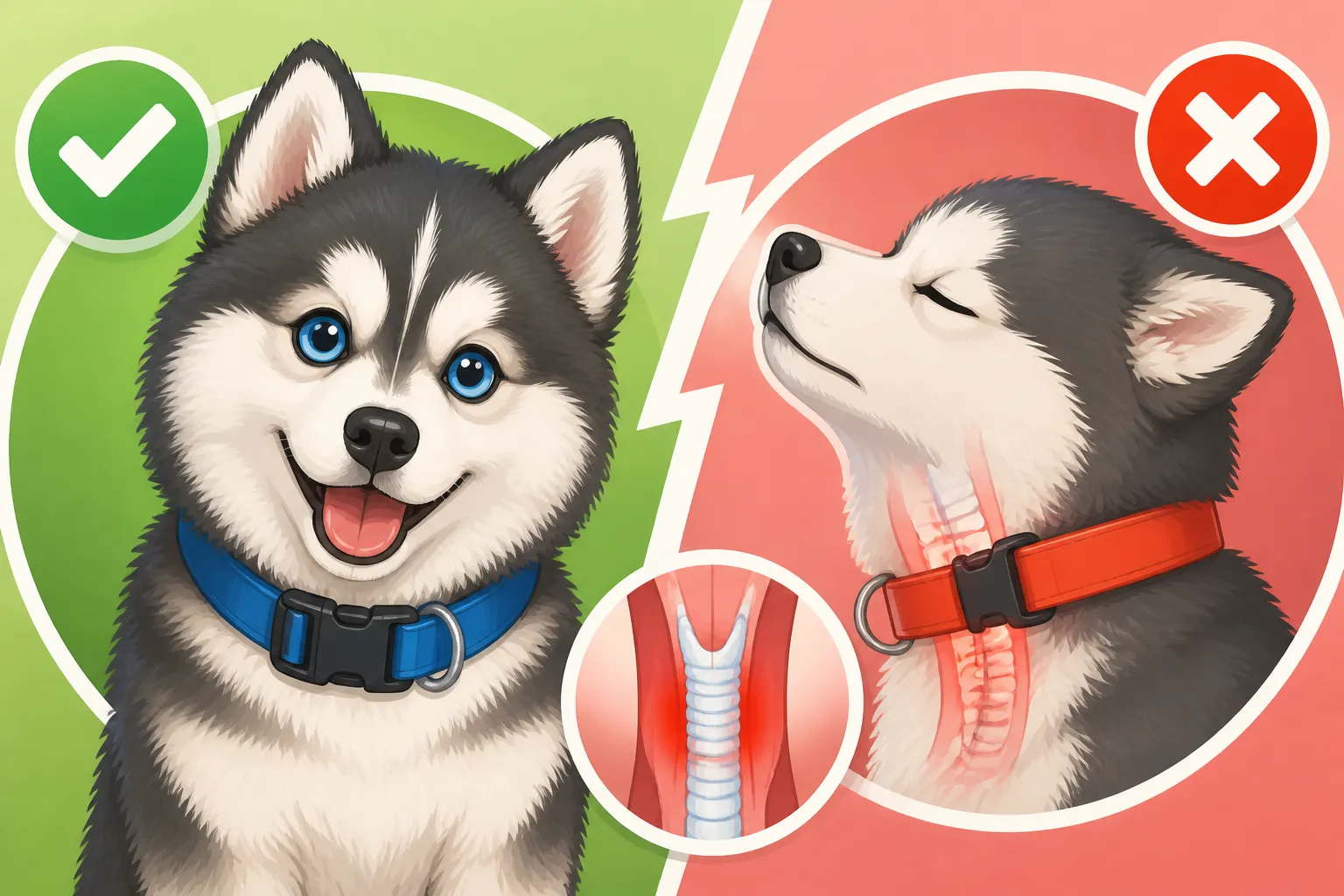
Many Pomskies inherit a genetic predisposition to a condition called tracheal collapse, largely thanks to their Pomeranian lineage. The trachea, or windpipe, is a tube made up of C-shaped cartilage rings that keep it open, allowing air to pass freely to and from the lungs. In dogs prone to tracheal collapse, these cartilage rings can weaken and flatten, eventually changing from a sturdy "O" shape to a collapsed "C" shape, which obstructs airflow. This isn't just a minor inconvenience; it can lead to chronic coughing, breathing difficulties, and a diminished quality of life. Owners often don't realize their puppy might have this underlying vulnerability, only to discover it later when symptoms emerge, often exacerbated by environmental factors or improper equipment. It's a silent worry for many small breed owners, and Pomsky parents are no exception, constantly wondering if their dog will face the challenges of The Collapsing Trachea a Pomsky Gets From the Pomeranian.
This predisposition means that even without direct trauma, certain actions or stressors can trigger or worsen the condition. Imagine your energetic Pomsky suddenly lunging on the leash, eager to greet another dog or chase a squirrel. The sudden yank on a collar around their neck can put immense pressure directly on an already weakened windpipe, accelerating the collapse or causing acute distress. This is why vigilance and preventive care are so important from the moment you bring your Pomsky home, understanding that their seemingly playful antics could inadvertently put strain on a delicate internal structure.
Anatomy and Sensitivity of a Pomsky's Neck
Compared to larger breeds with thicker, more muscular necks, a Pomsky's neck is relatively delicate and compact. The trachea lies close to the surface, protected by less muscle and fat padding. This anatomical reality means that any external pressure applied to the neck has a much more direct impact on the windpipe itself. Think of it like comparing a sturdy oak tree to a slender sapling; both can withstand some force, but the sapling is far more vulnerable to snapping under pressure.
This sensitivity isn't just about the trachea; it extends to the delicate nerves and blood vessels in the neck region. Constant pressure or sudden forceful jerks from a collar can irritate these structures, potentially leading to chronic inflammation or discomfort beyond just the windpipe. It's not always an immediate, dramatic injury you need to worry about; sometimes, it's the cumulative effect of daily irritation that causes problems to compound over time, making an already susceptible area even more fragile.
The Real Risks of Traditional Collars for Pomskies
It's tempting to think a collar is just a collar, a simple and standard piece of equipment for any dog. But for a Pomsky, particularly one with a predisposition to tracheal issues, traditional collars can pose significant and often underestimated risks that can impact their health and comfort.
Direct Pressure and Tracheal Collapse
The most immediate and concerning risk of a traditional collar is the direct, focused pressure it exerts on your Pomsky's windpipe during a walk. When your dog pulls on the leash, or when you instinctively give a tug to redirect them, all that force concentrates right on the front of their neck. For a Pomsky with even a mild predisposition to tracheal weakness, this is like repeatedly pinching a fragile straw. Each instance of pressure can further weaken the cartilage rings, leading to partial or full collapse.
You might notice a distinct "honking cough" after a walk, or hear them gagging or gasping for air. This isn't just a sign of being out of breath; it's often a clear indicator that their trachea is struggling. Imagine trying to breathe through a flattened straw – that's what your Pomsky might be experiencing. These symptoms can be particularly alarming, making you wonder if The Honking Cough of a Pomsky With a Bad Trachea is what you’re hearing. Even an excited lunge to chase a squirrel or greet a friendly face, if met with a collar, can create enough sudden pressure to cause immediate distress or contribute to long-term damage.
Chronic Irritation and Long-Term Damage
Beyond acute incidents, the sustained or repeated irritation from a collar can lead to chronic inflammation of the trachea and surrounding tissues. Even if your Pomsky isn't a strong puller, the mere presence of a collar putting slight pressure on their neck over months or years can take its toll. This constant rubbing and minor compression can inflame the delicate lining of the windpipe, making it more susceptible to infection and further weakening its structure.
This persistent irritation can also contribute to other respiratory issues. Some dogs might develop a chronic cough that isn't always a full "honk" but a persistent hacking sound. Over time, this chronic irritation can also make them more sensitive to environmental factors like smoke, dust, or allergens, triggering coughing fits more easily. It’s a vicious cycle where a small, seemingly innocuous pressure point can contribute to a cascade of respiratory problems that might necessitate ongoing vet visits and treatments. This is especially true as a Pomsky gets older, when the cartilage naturally weakens, making them more susceptible to Whether a Pomsky's Trachea Collapses With Age.
Choking Hazards and Escape Risks
While windpipe damage is a primary concern, traditional collars also present other dangers. A collar can easily get caught on furniture, branches, or even another dog's tooth during play, leading to accidental strangulation. This is a terrifying scenario that every dog owner hopes to avoid, but it’s a very real risk, especially for active, curious Pomskies who love to explore every nook and cranny.
Furthermore, many Pomskies, with their clever and sometimes stubborn nature, are adept at slipping out of traditional collars. A scared or determined Pomsky can easily back out of a standard flat collar, especially if they pull back hard, leaving them unrestrained and vulnerable to traffic or getting lost. This escape artist tendency is a common trait, and it’s a frustration many owners face, often wondering if their beloved pet will run if a door opens, or if a standard collar will even hold them. When you’re walking your Pomsky, the last thing you want is for them to suddenly be free and bolt into a dangerous situation, turning a routine stroll into a frantic search.
Why a Harness is Your Pomsky's Best Friend (and Windpipe Protector)
Once you understand the vulnerabilities of a Pomsky's windpipe, the choice becomes clear: a harness is not just an alternative; it's a superior, safer, and more comfortable option for walks and daily wear.
Distributing Pressure Evenly
The fundamental advantage of a harness lies in its design: it completely bypasses your Pomsky’s delicate neck and trachea. Instead of concentrating pressure on a single, vulnerable point, a well-fitted harness distributes any pulling force across the broader, stronger areas of their chest and shoulders. This means that if your Pomsky lunges or pulls, the impact is spread out, preventing any direct compression of their windpipe. It's a game-changer for dogs predisposed to tracheal collapse or those already exhibiting symptoms of respiratory distress, immediately offering relief and safeguarding their health.
For dogs with existing issues, this can dramatically reduce coughing and gagging during walks, allowing them to enjoy their exercise without discomfort. It's not just about prevention; it's about comfort and quality of life. Many owners report a noticeable difference in their Pomsky's demeanor on walks once they switch to a harness, as the stress and discomfort associated with neck pressure are eliminated. This is why experts universally recommend harnesses for smaller breeds and those with a history of breathing problems, emphasizing Why a Pomsky Should Wear a Harness as a crucial part of their care.
Enhanced Control and Safety
Beyond protecting the windpipe, harnesses offer significantly better control over your Pomsky, which is a huge benefit given their energetic and sometimes independent nature. With a collar, a determined puller can still manage to drag you along, and the force you apply to regain control directly impacts their neck. A harness, especially a front-clip design, gently redirects your dog’s forward momentum when they pull, teaching them to walk nicely on a leash without causing discomfort. This can be invaluable for training loose-leash walking and managing an enthusiastic pup.
Furthermore, harnesses are far more secure than collars, drastically reducing the risk of accidental escapes. A properly fitted harness makes it incredibly difficult for a Pomsky to back out, wriggle free, or slip away from you, even if they get spooked. This added security offers immense peace of mind, knowing that your beloved companion is safe and accounted for, whether you’re strolling through a busy park or navigating a new neighborhood. This reduced escape risk is vital, as a lost Pomsky is a terrifying prospect for any owner.
Types of Harnesses Best Suited for Pomskies
Not all harnesses are created equal, and choosing the right one for your Pomsky is essential to maximize comfort and safety. The best options are typically "Y-front" or "H-back" harnesses that allow for full range of shoulder motion and avoid any straps crossing directly over the throat. Look for harnesses made from soft, durable materials with adjustable straps to ensure a snug yet comfortable fit. A well-known brand for comfortable and secure harnesses is Blue-9 Pet Products with their Balance Harness, often recommended by trainers for its ergonomic design.
When fitting a harness, remember the "two-finger rule": you should be able to comfortably slip two fingers between the harness and your Pomsky’s body at any point, ensuring it’s snug but not restrictive. Avoid harnesses that place a strap horizontally across the chest, as these can still exert pressure on the throat or restrict shoulder movement. Similarly, step-in harnesses, while convenient, sometimes have designs that can ride up and press on the windpipe if not properly fitted or if your dog pulls. Always prioritize harnesses that put the main pressure on the sternum and ribs, keeping your Pomsky's delicate neck entirely free.
Recognizing Signs of Tracheal Distress and Seeking Help
Even with the best preventive measures, it's vital to be able to recognize the signs of tracheal distress in your Pomsky. Early detection and veterinary intervention can make a significant difference in managing the condition and improving your dog's quality of life.
Symptoms to Watch For
The most classic symptom of tracheal collapse is a distinctive, dry, harsh cough often described as sounding like a "honking goose." This cough might be intermittent at first, but it can worsen with excitement, exercise, eating or drinking, or even just pressure on the neck. Beyond the cough, keep an eye out for other signs such as gagging, as if they are trying to clear something from their throat, or difficulty breathing, which might manifest as wheezing or labored breaths.
You might also notice reduced exercise tolerance – your Pomsky might tire more quickly on walks or be less eager to play than usual. In more severe cases, or during acute episodes, their gums or tongue might take on a bluish tint, indicating a lack of oxygen, which is an emergency situation. Pay close attention to subtle changes in their breathing sounds or patterns, especially after periods of activity. Sometimes, innocent behaviors like Whether a Pomsky Snores or unusual breathing noises could be early indicators of underlying issues. It's crucial not to dismiss these symptoms as just a "quirk" of the breed; they are often your Pomsky trying to tell you something isn't right.
When to Consult Your Veterinarian
If you observe any of these symptoms in your Pomsky, especially the honking cough or breathing difficulties, it’s imperative to consult your veterinarian promptly. Don’t delay, thinking it will just pass. Your vet will perform a thorough physical examination, listening to your Pomsky’s heart and lungs and gently palpating their trachea to elicit a cough, which can be indicative of collapse. Diagnostic tools like X-rays (taken during both inhalation and exhalation) or fluoroscopy (a moving X-ray) can provide a clearer picture of the trachea's condition.
Early diagnosis allows for earlier intervention, which can often prevent the condition from progressing to a more severe stage. Initial management strategies might include medications such as cough suppressants, anti-inflammatory drugs, or bronchodilators to help open the airways. Weight management is also incredibly important; an Whether an Overweight Pomsky Coughs More significantly increases the strain on their respiratory system. Your vet might also recommend environmental changes, such as avoiding irritants like smoke or strong cleaning fumes, and always, always switching to a harness if you haven't already. Ignoring these signs can lead to worsening symptoms and potentially more complex, invasive treatments down the line. It's a critical step to ensure your Pomsky's breathing sounds normal, rather than distressed.
Managing a Pomsky with a Collapsing Trachea
Managing a Pomsky with a diagnosed collapsing trachea is often a lifelong commitment to careful care and vigilance. Beyond medication and environmental adjustments, strict adherence to using a harness for all walks and any form of restraint is non-negotiable. This isn’t just about comfort; it's about actively preventing further collapse and managing the existing condition. Your vet might suggest regular follow-up appointments to monitor the progression of the condition and adjust medications as needed.
In some severe cases, where medical management no longer provides adequate relief, surgical options, such as tracheal stenting, might be considered. However, these are typically reserved for the most advanced stages of the disease and come with their own set of risks and significant costs, often leading owners to look into Whether a Pomsky Needs Tracheal Surgery. This is where a robust pet insurance plan can truly be a lifesaver. Companies like Healthy Paws offer comprehensive coverage that can help mitigate the financial burden of managing chronic conditions like tracheal collapse, including diagnostic tests, medications, and even specialized surgeries. Having that support can provide immense peace of mind, knowing you can prioritize your Pomsky’s health without being overwhelmed by unforeseen What a Pomsky's Vet Bills Look Like. It’s a smart investment for any Pomsky parent, especially given the breed's potential health predispositions.
Collar vs. Harness for Pomskies: A Quick Comparison
To put it simply, while a collar might seem convenient, its risks to a Pomsky's delicate windpipe far outweigh any perceived benefits when it comes to walking or leashed activities.
| Feature | Traditional Collar | Well-Fitted Harness |
|---|---|---|
| Primary Function | Holds ID tags, fashion | Safe leash attachment, distributes pressure |
| Pressure on Neck | Direct, high risk of tracheal damage | None, pressure distributed on chest/shoulders |
| Trachea Safety | Very low, can exacerbate or cause collapse | High, protects the windpipe |
| Control | Less effective, can cause pulling/choking | Much better, especially with front-clip designs |
| Comfort | Can be uncomfortable with any pulling | Generally very comfortable for extended wear |
| Escape Risk | Higher, easy for determined dogs to back out | Lower, more secure fit |
| Best Use | ID tag holder (used in conjunction with a harness) | Primary tool for walks, training, and restraint |
Final Thoughts on Protecting Your Pomsky's Windpipe
As Pomsky parents, we want nothing more than to ensure our furry family members lead long, healthy, and happy lives. Understanding the unique anatomical considerations and genetic predispositions of your Pomsky, especially concerning their delicate windpipe, is a crucial step in fulfilling that desire. While traditional collars have their place for identification tags, they are simply not the safest choice for walking or any activity where a leash might apply pressure to the neck.
By choosing a well-fitting harness for all leashed activities, you are actively protecting your Pomsky from potential tracheal damage, ensuring their comfort, and significantly reducing the risk of accidental escapes. Be vigilant about recognizing any signs of tracheal distress, and don't hesitate to seek veterinary advice if you have concerns. Proactive care, informed choices, and a good pet insurance plan from providers like Healthy Paws, which can help cover potential health issues, will go a long way in ensuring your Pomsky can breathe easy and enjoy every adventure by your side.
Disclaimer
Please remember that the information provided in this guide is for informational purposes only and is not a substitute for professional veterinary advice. Always consult with a qualified veterinarian regarding any health concerns or before making any decisions about your Pomsky's care or treatment.