Whether a Pomsky Needs Tracheal Surgery
That persistent, unsettling cough from your beloved Pomsky can be one of the most worrying sounds a pet parent ever hears. It’s natural to jump to the worst conclusions, especially when you start hearing that distinct honking sound, and the worry about serious conditions like a collapsing trachea takes hold. This guide aims to thoroughly explore whether tracheal surgery is genuinely necessary for a Pomsky struggling with this condition, breaking down the complexities of diagnosis, management, and the big decisions involved.
Understanding Collapsing Trachea in Pomskies
When you hear your Pomsky making that distinctive, dry, honking cough, it's impossible not to feel a surge of panic. This isn't just a regular cough; it's often a sign of something more serious going on with their windpipe. Collapsing trachea is a condition that, while not unique to Pomskies, is certainly something owners need to be aware of due to their genetic makeup.
What Exactly is a Collapsing Trachea?
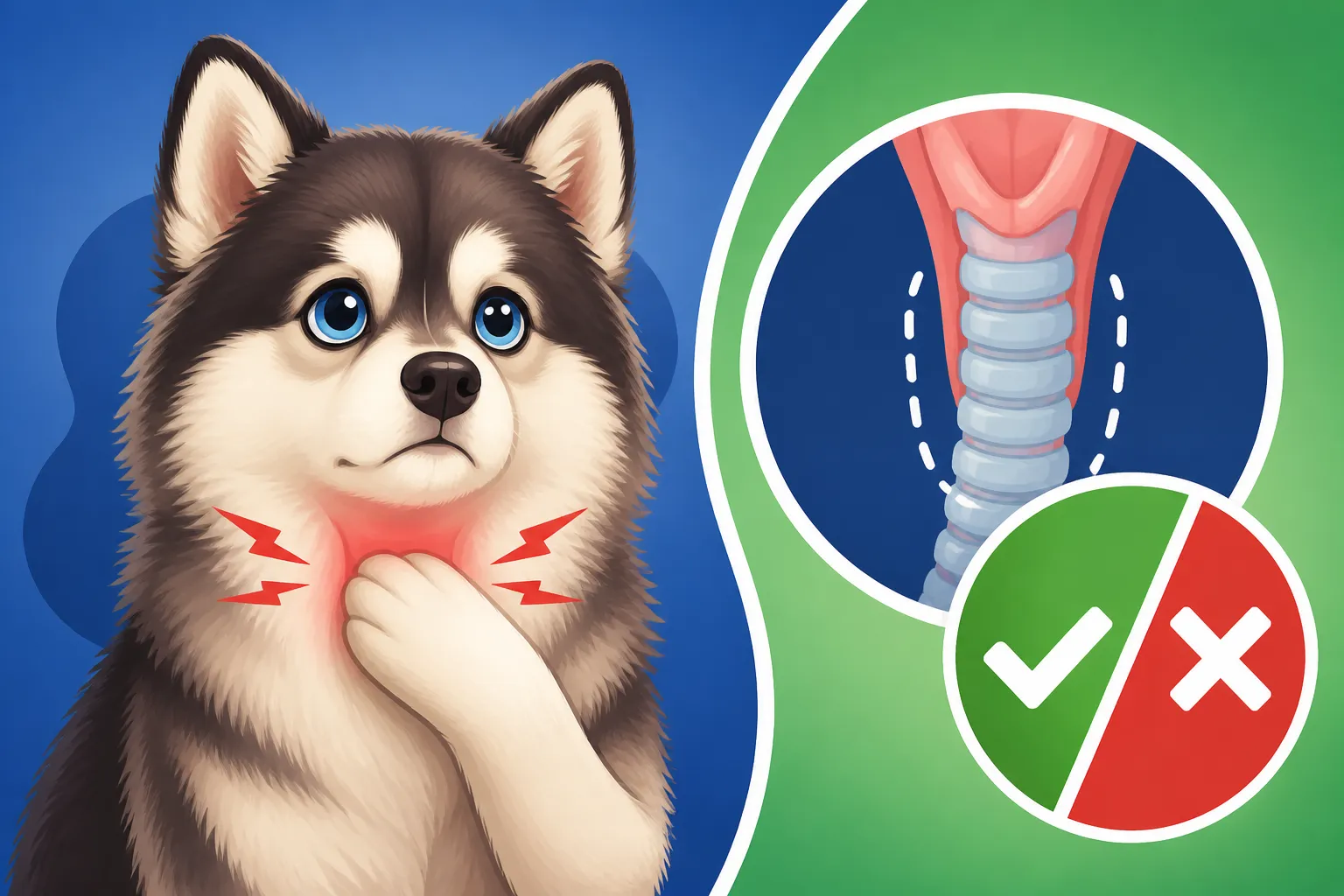
Imagine your Pomsky's windpipe, or trachea, as a vacuum cleaner hose. It's supposed to be firm and open, with C-shaped cartilage rings holding its structure. These rings keep the airway wide open, allowing air to flow freely into and out of the lungs. Now, imagine if those rings were weak, soft, or even flattened. That's essentially what happens with a collapsing trachea. The cartilage loses its rigidity, and the trachea flattens, especially when your dog breathes in. This narrowing of the airway makes it incredibly difficult for air to pass through, leading to all those scary symptoms.
This condition is particularly prevalent in smaller dog breeds, and our adorable Pomskies inherit this predisposition primarily from their Pomeranian lineage. While Huskies are generally robust and less prone to such issues, the smaller, more delicate structure of the Pomeranian's trachea often makes its way into the Pomsky genetic blueprint. It's a progressive condition, meaning it usually starts subtly and can worsen over time if not managed properly. The thought of your furry friend struggling to breathe is heart-wrenching, and understanding this basic mechanism is the first step toward effective care. This is a condition that falls under the umbrella of issues outlined in The Collapsing Trachea a Pomsky Gets From the Pomeranian.
Recognizing the Signs and Symptoms
The most tell-tale sign of a collapsing trachea is what veterinarians often call a "goose honk" cough. It's a dry, harsh, sudden cough that sounds remarkably like a goose honking. It’s unmistakable once you hear it, and it tends to be triggered by excitement, exercise, drinking water, or even just pulling on a collar. However, the cough isn't the only symptom you might notice. Your Pomsky might also exhibit difficulty breathing, characterized by a wheezing sound as they try to inhale, especially after physical exertion. You might see them panting excessively, even when it's not particularly warm, or showing a decreased tolerance for exercise. A quick game of fetch might leave them winded and coughing, whereas before they could play for much longer.
In very severe cases, where the airway is significantly compromised, you might even notice their gums or tongue turning a bluish tint, which is a medical emergency indicating a lack of oxygen. It’s crucial to understand that these signs can sometimes be mistaken for other respiratory issues like kennel cough, allergies, or even heart problems, especially if you're not familiar with the specific sound. This is why a prompt and accurate veterinary diagnosis is absolutely paramount. If you're concerned about The Honking Cough of a Pomsky With a Bad Trachea, don't hesitate to reach out to your vet. Being vigilant about changes in your Pomsky's breathing and activity levels can make a huge difference in catching this condition early.
Diagnosing Collapsing Trachea and Non-Surgical Management
Facing a potential diagnosis of collapsing trachea for your Pomsky can feel overwhelming. The good news is that veterinary medicine has advanced significantly, offering various diagnostic tools and a strong focus on conservative, non-surgical management first.
How Vets Diagnose the Condition
When you bring your Pomsky to the vet with concerns about a persistent cough or breathing issues, the diagnostic process usually begins with a thorough physical examination. Your veterinarian will carefully palpate, or gently feel, your Pomsky's trachea. Often, simply touching the windpipe in a specific spot can elicit that characteristic "goose honk" cough, which is a strong indicator of a collapsing trachea. They’ll also listen to your Pomsky's heart and lungs to rule out other conditions.
Beyond the physical exam, diagnostic imaging plays a crucial role. Standard X-rays (radiographs) can often show the flattening of the trachea, particularly if they're taken during both inhalation and exhalation (dynamic X-rays), as the collapse can vary with the breathing cycle. For a more detailed, real-time view, some vets might recommend fluoroscopy, which is essentially a live X-ray that shows the trachea collapsing and opening as your Pomsky breathes. The most definitive diagnostic tool, however, is often a tracheoscopy, where a tiny camera is inserted into the trachea to directly visualize the airway. This allows the vet to assess the severity of the collapse and rule out other causes of coughing, such as foreign bodies or tumors. It's also important for your vet to rule out other conditions that might present with similar symptoms, like allergies or Whether a Pomsky's Cough Is Trachea or Heart. A clear diagnosis helps tailor the best treatment plan for your specific Pomsky.
Conservative Treatment Options
For many Pomskies with a collapsing trachea, especially in the earlier stages, surgery is not the first course of action. In fact, most cases can be effectively managed with a combination of conservative treatments aimed at reducing symptoms and improving your dog's quality of life.
One of the most critical steps is weight management. If your Pomsky is carrying extra pounds, that added weight puts more pressure on their airways and makes breathing more strenuous. Helping them shed those pounds can significantly alleviate symptoms. If you're wondering Whether an Overweight Pomsky Coughs More, the answer is often a resounding yes. Regular, gentle exercise and a controlled diet are key.
Another non-negotiable step is switching from a neck collar to a harness. A traditional collar puts direct pressure on the trachea every time your dog pulls, which can trigger a coughing fit or exacerbate the collapse. A well-fitting harness distributes pressure across their chest and shoulders, completely bypassing the delicate windpipe. This is why we always recommend Why a Pomsky Should Wear a Harness and warn against Whether a Collar Damages a Pomsky's Windpipe.
Environmental control also plays a big role. Avoiding irritants like cigarette smoke, strong perfumes, or even dusty environments can help reduce inflammation and coughing episodes. In some cases, using a humidifier, especially in dry climates or during colder months, can soothe irritated airways.
Your vet may also prescribe various medications. These can include cough suppressants to calm those harsh honking coughs, bronchodilators to help open up the airways, and anti-inflammatory drugs like corticosteroids to reduce swelling and irritation in the trachea. These medications don't cure the collapse, but they manage the symptoms effectively.
Finally, stress reduction is important. Excitement and anxiety can often trigger coughing fits. Keeping your Pomsky calm and maintaining a predictable routine can help minimize these episodes. This might mean adjusting playtime to be less intense or finding calming activities. Navigating these options can sometimes involve unexpected vet visits and prescription costs, which is where having pet insurance like Healthy Paws can truly offer peace of mind, helping you focus on your Pomsky's health rather than the financial strain.
When Tracheal Surgery Becomes a Consideration
While conservative management is the first line of defense and often very effective, there are situations where a Pomsky's collapsing trachea progresses to a point where surgery might be the only viable option to maintain their quality of life. This is a significant decision and not one to be taken lightly.
Criteria for Surgical Intervention
Tracheal surgery is rarely a first choice; it's generally reserved for Pomskies with severe, debilitating symptoms that have not responded to comprehensive conservative management. If your Pomsky's cough is constant, if they are consistently struggling to breathe, or if their quality of life is severely impacted despite all efforts with medication, weight control, and environmental changes, then your veterinarian, possibly in consultation with a veterinary specialist, might begin discussing surgical options.
There are two main surgical approaches for a collapsing trachea:
- Extraluminal Rings/Stents: This procedure involves placing small, plastic rings around the outside of the trachea to provide external support and prevent it from flattening. These rings essentially act as an artificial scaffolding to hold the windpipe open. This method is often preferred for collapse in the cervical (neck) portion of the trachea. The goal is to reinforce the weakened cartilage, but it can't always cover the entire length of the trachea.
- Intraluminal Stents: For collapse deeper in the chest or throughout a longer segment of the trachea, an intraluminal stent might be considered. This involves placing a self-expanding mesh tube directly inside the trachea, which then pushes the walls of the windpipe open. This can offer immediate relief but comes with its own set of potential complications, as the stent is always present within the airway.
Both procedures aim to improve airflow and reduce coughing, but they are complex and require a skilled veterinary surgeon. The decision about which, if any, procedure is appropriate will depend on the specific location and severity of your Pomsky's collapse, as well as their overall health.
Risks, Success Rates, and Post-Operative Care
It's crucial to understand that tracheal surgery, while potentially life-changing, is not without its risks and is not a guaranteed "cure." Like any surgical procedure, there's always an inherent risk with anesthesia, especially in smaller breeds like Pomskies. Whether Anesthesia Is Riskier on a Small Pomsky is a valid concern, and your vet will thoroughly assess your dog's health before recommending surgery.
Specific risks associated with tracheal surgery include:
- Persistent coughing: Even after surgery, some dogs may still have a cough, although it's usually less severe.
- Stent migration (for intraluminal stents): The stent can sometimes move from its intended position, potentially causing further complications or requiring another procedure.
- Infection: As with any surgery, there's a risk of post-operative infection.
- Damage to nerves: In rare cases, the recurrent laryngeal nerve, which controls the voice box, can be damaged during surgery, potentially affecting their bark or ability to swallow.
- Continued collapse: Sometimes the collapse can occur just above or below where the stent or rings have been placed, requiring further management.
Success rates vary, but many owners report a significant improvement in their Pomsky's quality of life, with reduced coughing and improved breathing. However, it’s important to manage expectations; it’s more about managing a chronic condition than fully eliminating it.
Post-operative care is absolutely critical for a successful outcome. Your Pomsky will require strict rest, often for several weeks, to allow the surgical site to heal. They'll also be on medications to manage pain, inflammation, and possibly to prevent infection. Close monitoring for any signs of complications is essential, and follow-up vet visits will be scheduled to assess their progress. This commitment to intensive aftercare is vital, and the costs associated with surgery and recovery can be substantial. Comprehensive pet insurance, like Healthy Paws, can be an invaluable resource during such challenging times, covering a significant portion of these unexpected expenses.
Here's a quick comparison of general treatment approaches:
| Feature | Conservative Management | Surgical Intervention |
|---|---|---|
| Approach | Medication, lifestyle changes, environmental control | Extraluminal rings or intraluminal stents |
| Severity of Collapse | Mild to moderate, or severe cases responding well | Severe, debilitating, unresponsive to conservative methods |
| Cost (Initial) | Generally lower (meds, harness, diet changes) | Significantly higher (surgery, specialist fees, hospitalization) |
| Recovery Time | Ongoing management, immediate improvement with medication | Weeks of strict rest and medication post-op |
| Risks | Medication side effects, condition progression | Anesthesia, infection, stent migration, nerve damage, persistent cough |
| Long-Term Outlook | Good for many, often lifelong management required | Improved quality of life for many, but still requires careful management |
| When Considered | First line of defense, most common approach | Last resort, when quality of life is severely compromised |
Long-Term Outlook and Prevention
Living with a Pomsky diagnosed with a collapsing trachea, whether managed conservatively or surgically, means embracing a journey of ongoing care and proactive measures. It's about ensuring your furry family member can live their fullest, happiest life possible.
Living with a Pomsky with Collapsing Trachea
The reality of a collapsing trachea is that it's often a chronic condition that requires lifelong management. Even after successful surgery or effective conservative treatment, vigilance is key. This means regular veterinary check-ups to monitor their breathing, assess their overall health, and adjust medications as needed. Your vet can guide you on The Screening a Pomsky Should Have Yearly that would include respiratory evaluations.
Maintaining a low-stress environment for your Pomsky is paramount. Sudden bursts of excitement, undue stress, or even just being overly enthusiastic during playtime can trigger coughing spells. Finding ways to channel their energy through calm activities or puzzle toys, rather than intense physical exertion, can be incredibly beneficial. Adjusting their exercise routines to shorter, gentler walks, especially during hot or humid weather, can also make a significant difference. You might find that early morning or late evening strolls are much better than mid-day adventures.
The dedication required from owners is considerable, but the reward is seeing your Pomsky thriving despite their condition. Many Pomskies with collapsing tracheas go on to live full and happy lives with proper care and attention. It’s about becoming attuned to their needs and making necessary adjustments to their daily routine. Knowing what their normal Whether a Pomsky's Breathing Sounds Normal sounds like can help you quickly identify when something is off. The costs associated with long-term medication and regular vet visits can add up, which is another reason why a robust pet insurance plan like Healthy Paws is so valuable, helping cover these continuous care expenses.
Proactive Steps for Pomsky Owners
While you can't entirely prevent a genetic predisposition, there are certainly proactive steps you can take as a Pomsky owner to minimize the risk and severity of a collapsing trachea, or at least catch it early.
Responsible breeding is a cornerstone of prevention. While no breeder can guarantee a disease-free puppy, reputable breeders strive to minimize health risks by carefully selecting breeding pairs. They should be transparent about the health history of their breeding dogs, particularly regarding conditions common in Pomeranians, such as tracheal issues. Understanding The Two Opposite Disease Lists a Pomsky Inherits can help you choose a breeder who prioritizes health.
Early detection is crucial. Regular vet visits, even for seemingly healthy puppies, can help identify subtle signs of respiratory issues before they become severe. Discuss any concerns you have about coughing, wheezing, or unusual breathing patterns with your vet right away.
Beyond genetics, lifestyle choices make a huge impact. Maintaining a healthy weight throughout your Pomsky's life is perhaps the most impactful preventative measure. An overweight dog puts unnecessary strain on all their body systems, including their respiratory system. Always use a harness instead of a collar for walks, even when your Pomsky is young and seemingly healthy. This simple switch can prevent chronic irritation and pressure on the trachea. Lastly, keep your home free of respiratory irritants like cigarette smoke, strong air fresheners, or excessive dust, which can inflame airways and exacerbate any underlying tracheal weakness. By taking these steps, you're not just reacting to a problem but actively working to ensure your Pomsky's long-term respiratory health. When considering the long-term journey, exploring Caring for a Pomsky Past Ten often includes managing such age-related or chronic conditions.
Disclaimer
This guide is intended for informational purposes only and does not constitute veterinary medical advice. Always consult with a qualified veterinarian for any health concerns or before making any decisions about your Pomsky's medical care.