Whether a Pomsky’s Cough Is Trachea or Heart
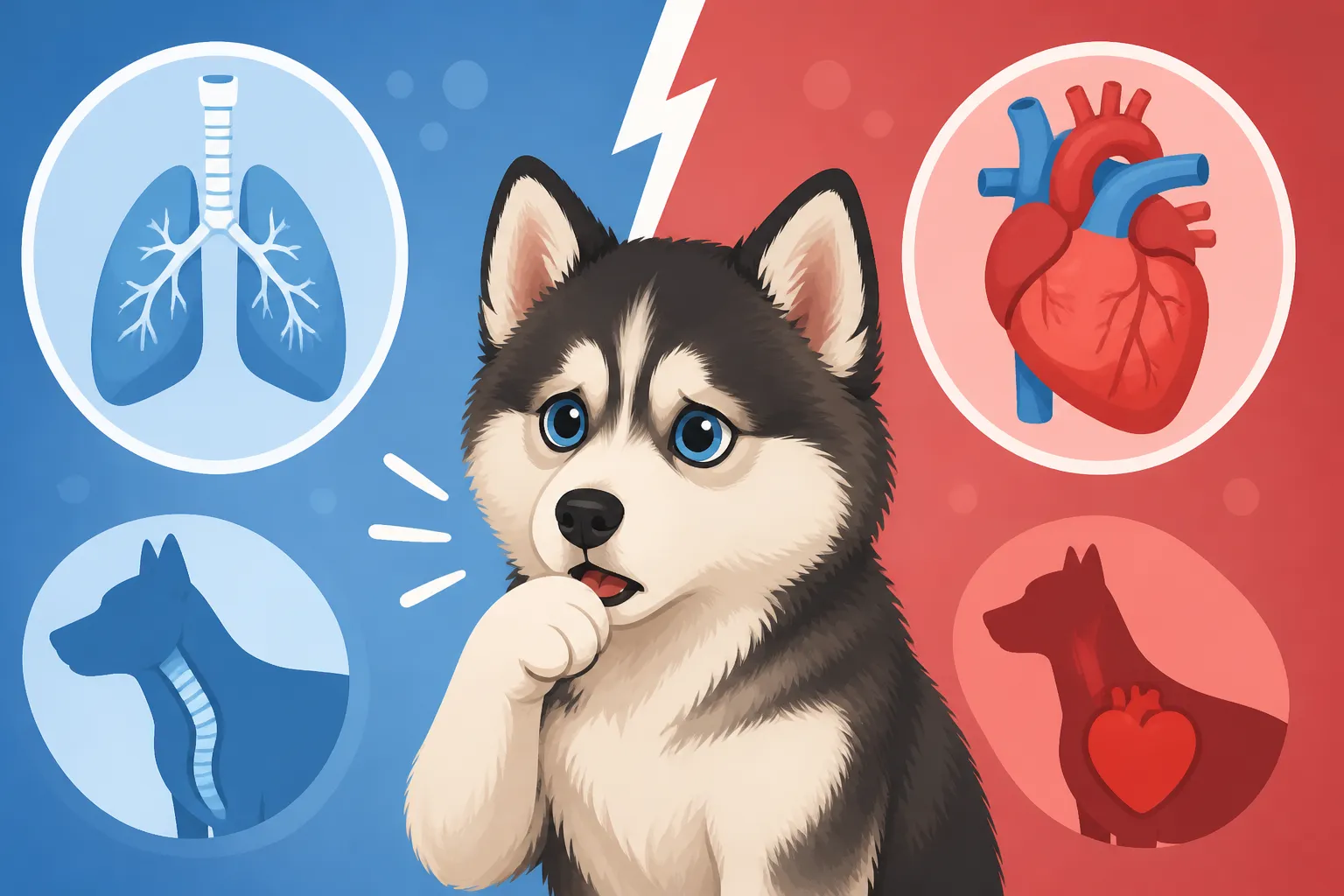
It's truly alarming when your beloved Pomsky starts coughing. That sudden, often guttural sound can send shivers down any dog parent's spine, immediately sparking a wave of worry: is it just a minor irritation, or something far more serious? Trying to distinguish between a cough that stems from a windpipe issue versus one signaling a heart problem can be incredibly stressful and confusing. This guide is here to help you understand the nuances, so you can better advocate for your furry friend and know when to seek urgent veterinary care.
Understanding Tracheal Collapse in Pomskies
Pomskies, being a mix of Siberian Husky and Pomeranian, inherit traits from both, and unfortunately, that can include a predisposition to certain health issues. One common culprit for coughing, especially from the Pomeranian side, is tracheal collapse. This isn't just a minor irritation; it's a structural problem with their windpipe.
The Classic "Honking" Cough
If your Pomsky has a collapsing trachea, you'll likely become intimately familiar with a very distinctive sound: a dry, harsh, persistent cough that many describe as sounding like a goose honking. It's often sudden and can be quite alarming the first few times you hear it. Imagine a frantic goose trying to clear its throat, and you're pretty close to the sound. This isn't a deep, wet cough that sounds like something is trying to come up; it's more of a short, sharp, dry expulsion of air.
This type of cough tends to be triggered by specific events. You might notice it after your Pomsky gets excited, maybe when you come home from work, or when they're playing vigorously. Pulling on their leash, especially if they wear a traditional neck collar, is another common trigger. Even simple actions like drinking water too quickly or eating can set off a coughing fit. It's a clear sign that the delicate C-shaped cartilage rings that keep their windpipe open are losing their rigidity and flattening, restricting airflow. If you suspect this is happening, learning about The Collapsing Trachea a Pomsky Gets From the Pomeranian can offer more insights into this specific issue.
Contributing Factors and Triggers
While genetics play a significant role, particularly if your Pomsky leans more towards their Pomeranian heritage, several factors can exacerbate or trigger tracheal collapse. Think of it like a chain reaction where one thing leads to another, pushing your Pomsky closer to a coughing episode.
Obesity is a major contributor. Extra weight puts pressure on the trachea and lungs, making it harder for air to pass through and increasing the likelihood of collapse. It's like trying to breathe through a straw while someone is pressing on your chest. Similarly, excitement or stress can cause rapid breathing, which further irritates an already compromised trachea, leading to a coughing spasm. Even something as seemingly innocuous as a traditional collar can be problematic. The constant pressure on the delicate windpipe from a leash tug can aggravate the condition, leading to more frequent and severe coughing. This is why many vets strongly recommend switching to a harness. In fact, understanding Whether a Collar Damages a Pomsky's Windpipe is crucial, and you might find that Why a Pomsky Should Wear a Harness can make a world of difference for a dog with this predisposition. Environmental irritants, such as smoke, dust, or even strong perfumes, can also trigger a coughing fit by irritating the airways.
Diagnosis and Management
If you suspect your Pomsky has a collapsing trachea, the first step is always a thorough veterinary examination. Your vet will listen to their lungs and heart, and likely perform chest X-rays. While X-rays can sometimes show a collapsed trachea, especially if it's severe, a more definitive diagnostic tool is often fluoroscopy, which is a real-time X-ray video that allows the vet to see the trachea as your dog breathes. This dynamic view can catch the collapse as it happens, which static X-rays might miss.
Management for tracheal collapse is primarily medical and focuses on improving your dog's quality of life, as surgery is typically reserved for severe, unresponsive cases. Your vet might prescribe cough suppressants to ease the irritation and break the coughing cycle, bronchodilators to open the airways, and anti-inflammatory medications to reduce swelling. Lifestyle changes are equally, if not more, important. Maintaining an ideal weight is paramount; if your Pomsky is overweight, shedding those extra pounds can significantly reduce pressure on their trachea. It's worth researching Whether an Overweight Pomsky Coughs More to understand the impact of weight. Switching from a collar to a harness is a non-negotiable change, as is avoiding known triggers like intense excitement, smoke, or excessive barking. Sometimes, humidifiers in the home can also help keep the airways moist and less irritable.
Recognizing Heart-Related Coughs in Pomskies
While tracheal issues are common, a cough can also be a tell-tale sign of a more serious underlying heart condition. When a Pomsky's heart isn't working as efficiently as it should, it can lead to a cascade of problems that manifest as a cough.
How Heart Disease Causes a Cough
The connection between a failing heart and a cough might not be immediately obvious, but it's a critical one. In many cases, a heart-related cough is a symptom of congestive heart failure. When the heart struggles to pump blood effectively, fluid can back up and accumulate in the lungs. This excess fluid then irritates the airways, leading to a cough. It's a bit like having water in your lungs; your body tries to expel it.
Another way heart disease can cause a cough is if the heart itself becomes enlarged. An enlarged heart can physically press against the trachea, leading to irritation and a cough that mimics tracheal collapse. This is particularly common in smaller breeds, where Mitral Valve Disease (MVD) is a prevalent condition. In MVD, a valve in the heart degenerates and leaks, forcing the heart to work harder and eventually enlarge. Learning about Whether a Pomsky Gets Heart Disease and Whether a Pomsky Gets a Heart Murmur can give you a deeper understanding of these risks. The cough associated with heart disease is often described as softer, wetter, and sometimes productive, unlike the harsh honking sound of a tracheal cough.
Other Telltale Signs of Heart Trouble
A cough due to heart disease rarely occurs in isolation. It's usually accompanied by a constellation of other symptoms that, when observed together, paint a clearer picture of a cardiac issue. One of the most common signs is fatigue or exercise intolerance. You might notice your once energetic Pomsky becoming winded easily, lagging behind on walks, or being less enthusiastic about play. They might tire quickly even after minimal exertion.
Difficulty breathing, or dyspnea, is another serious indicator. This can manifest as rapid, shallow breathing, or an increased effort to breathe, even when at rest. Their gums might appear pale or even bluish, indicating a lack of oxygen. Fainting spells, known as syncope, are particularly alarming and require immediate veterinary attention, as they signify severely impaired blood flow to the brain. Unlike tracheal coughs that can be triggered by excitement, a cardiac cough is often worse at night, when your dog is lying down, or upon waking. The fluid in the lungs can pool more easily when they are horizontal, making breathing and coughing more pronounced. It's important to remember that Pomskies, like many dogs, are masters at hiding discomfort, so paying close attention to subtle changes in behavior and energy levels is crucial.
Diagnostic Steps and Treatment for Cardiac Coughs
If your vet suspects a heart-related cough, they'll embark on a series of diagnostic tests to pinpoint the problem. A thorough physical exam, including listening intently to your Pomsky's heart for murmurs or abnormal rhythms, is the starting point. Chest X-rays are vital, as they can reveal if the heart is enlarged, if there's fluid accumulation in the lungs (pulmonary edema), or other changes consistent with heart failure.
The gold standard for diagnosing heart disease in dogs is an echocardiogram. This ultrasound of the heart allows the vet to visualize the heart's chambers, valves, and muscle function in real-time. It provides detailed information about blood flow, valve integrity, and the overall health of the heart. Sometimes, an electrocardiogram (ECG) might also be performed to assess the heart's electrical activity. Once a diagnosis is made, treatment focuses on managing the heart failure and improving quality of life. Medications like diuretics help remove excess fluid from the lungs, making breathing easier. ACE inhibitors and pimobendan are often prescribed to improve heart function and blood circulation. Regular monitoring and follow-up appointments are essential to adjust medications as needed. The financial implications of these diagnostics and lifelong medications can be substantial, which is why many pet parents find that having pet insurance, like a plan from Healthy Paws, can be an immense relief, helping to cover these unexpected and ongoing costs.
Key Differences and When to Seek Veterinary Help
Distinguishing between a cough caused by a tracheal issue and one stemming from heart disease is paramount for your Pomsky's health. While both involve coughing, their characteristics, accompanying symptoms, and prognosis can be quite different. Knowing what to look for can help you provide crucial information to your veterinarian.
Differentiating the Cough Sounds and Patterns
One of the most useful tools for distinguishing between these two types of coughs is paying close attention to the sound and the circumstances. A tracheal cough, as mentioned, is almost always a dry, harsh, insistent "honk" – truly like a goose. It often appears suddenly, without much warning, and is directly linked to excitement, exercise, pulling on the leash, or even changes in air temperature. It tends to be worse when pressure is applied to the neck. You might notice The Honking Cough of a Pomsky With a Bad Trachea becomes a regular feature of their life if this is the cause.
In contrast, a heart-related cough is typically softer, deeper, and often sounds "wet" or "gurgly," as if there's fluid in the airways. It might be less violent than a tracheal honk and could sometimes even be productive, meaning your dog might try to swallow after coughing, as if clearing something from their throat. This cough is frequently worse when your Pomsky is resting, lying down, or at night, when gravity allows fluid to accumulate more readily in the lungs. It's less about external triggers and more about the internal state of their heart.
To help you keep track, here's a quick comparison:
| Feature | Tracheal Cough (Collapsed Trachea) | Cardiac Cough (Heart Disease) |
|---|---|---|
| Sound | Dry, harsh, honking (like a goose) | Softer, wetter, sometimes gurgly or productive |
| Triggers | Excitement, exercise, collar pressure, drinking, eating | Worse at rest, lying down, at night; less trigger-specific |
| Associated Signs | None initially, otherwise panting after severe fit | Fatigue, lethargy, exercise intolerance, difficulty breathing, blue gums, fainting |
| Frequency | Intermittent, often linked to activity/excitement | Can be persistent, often worsens over time |
| Severity | Can range from mild to severe, distressing fits | Indicates progression of heart disease, potentially serious |
Red Flag Symptoms That Demand Immediate Attention
While any persistent cough warrants a vet visit, certain "red flag" symptoms associated with coughing demand immediate, emergency veterinary attention. These signs indicate that your Pomsky might be in acute respiratory distress or severe heart failure, and every minute counts.
If your Pomsky is struggling to breathe, showing labored inhalations and exhalations, or if their chest is heaving, that's an emergency. Open-mouth breathing, especially in a dog at rest, is also a serious sign. Check their gums: if they appear bluish or grayish, it means they aren't getting enough oxygen, which is a critical situation. Collapse or fainting, even if momentary, is another dire warning sign. If your Pomsky is coughing continuously without relief, seems disoriented, or shows sudden and extreme lethargy, do not wait. Get them to the nearest emergency veterinary clinic. These symptoms suggest a potentially life-threatening event.
It's also crucial not to dismiss a cough, especially in an older Pomsky, even if it seems mild at first. What might seem like "just a cough" could be the first sign of a rapidly progressing condition. Regular veterinary check-ups are essential, and discussing The Screening a Pomsky Should Have Yearly with your vet can help catch potential issues early. Knowing that you have pet insurance, perhaps through Healthy Paws, can alleviate the financial stress of emergency visits and diagnostic testing, allowing you to focus purely on your Pomsky's well-being without hesitation.
Proactive Care and Prevention
While we can't completely eliminate the risk of tracheal collapse or heart disease in Pomskies, especially given their genetic predispositions, proactive care can go a long way in prevention, early detection, and management. Regular veterinary check-ups are your first line of defense. Your vet can listen for heart murmurs or signs of tracheal issues before they become severe problems. These routine visits are crucial, especially as your Pomsky gets older.
Maintaining your Pomsky's ideal weight is perhaps one of the most impactful things you can do. Obesity significantly exacerbates both tracheal collapse and heart disease. A healthy diet and appropriate exercise will keep them lean and reduce strain on their body. Additionally, good dental hygiene can impact overall health; untreated dental disease can contribute to systemic inflammation, potentially affecting heart health. Consider switching from a collar to a harness for all walks to protect their trachea from undue pressure. Beyond the immediate health concerns, it's also worth thinking about the long-term journey. The Twelve to Fifteen Years a Pomsky Lives is a significant commitment, and during that time, unexpected health issues can arise. Pet insurance policies, such as those offered by Healthy Paws, can provide a financial safety net, covering a substantial portion of vet bills for accidents, illnesses, and even chronic conditions that might develop over time. This kind of planning allows you to provide the best possible care for your Pomsky, even if unforeseen medical challenges, which are sadly a part of owning any dog, come your way. It's a pragmatic approach to ensuring your beloved companion lives the fullest, healthiest life possible. It is also important to consider What Actually Kills Most Pomskies to prepare for the common issues.
Disclaimer
This article is intended for informational purposes only and is not a substitute for professional veterinary advice, diagnosis, or treatment. Always seek the advice of your veterinarian with any questions you may have regarding a medical condition.