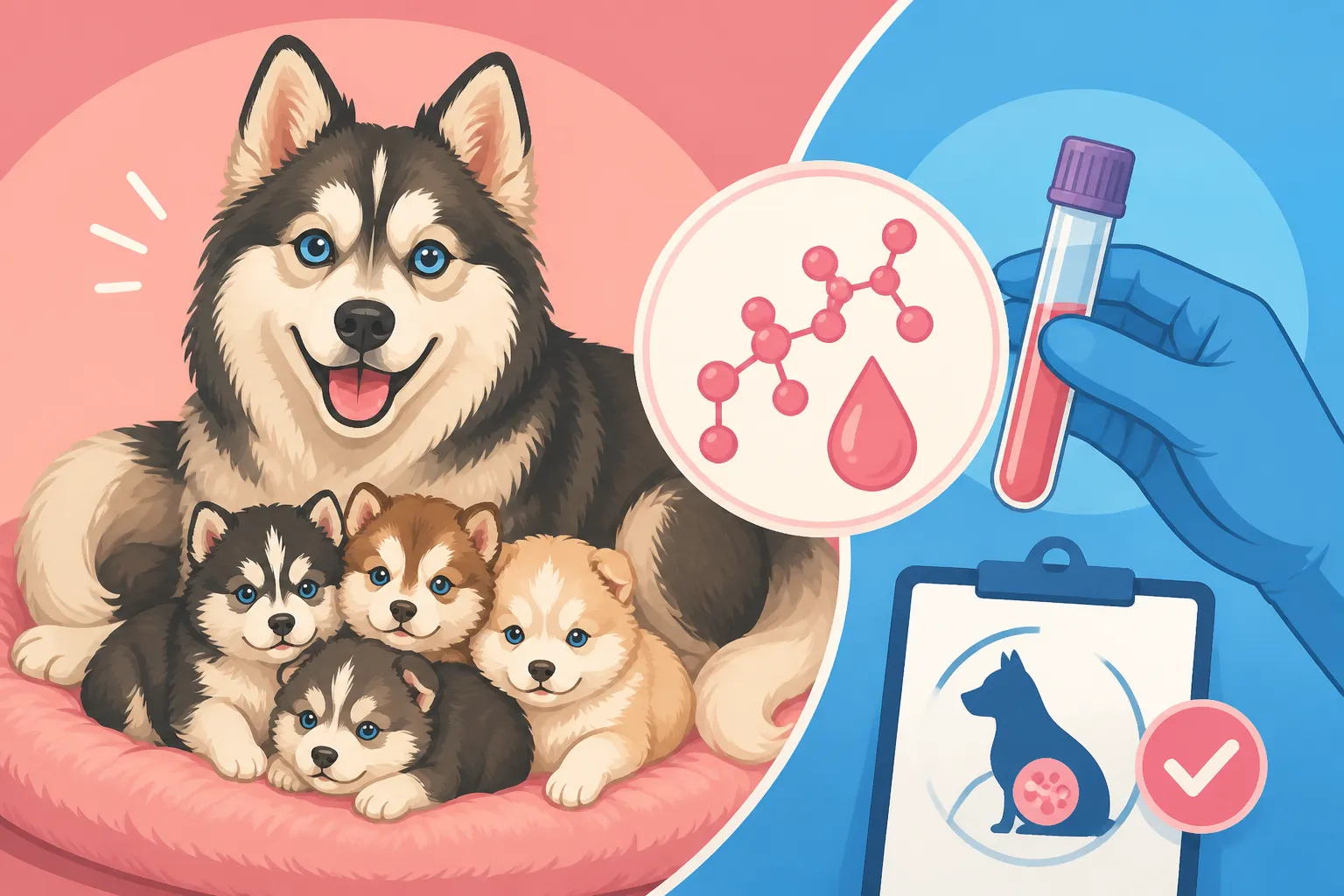
What Progesterone Testing Adds to a Pomsky Litter
Bringing a litter of Pomsky puppies into the world is far more involved than simply letting two dogs mate. The unique biological realities of this designer crossbreed mean that every step of the breeding process requires meticulous planning and often, significant financial investment. One of the most critical, yet often unseen, expenses that adds substantial value to a Pomsky litter is progesterone testing, a vital tool for ensuring successful conception. This guide will delve deep into why this testing is so crucial, what it entails, and how it ultimately contributes to the health and vitality of every Pomsky puppy.
Understanding the Intricacies of Pomsky Breeding
If you're looking into Pomskies, you've probably heard that they can't exactly "just happen." There's a whole science, and quite a bit of intervention, involved in bringing these adorable pups into existence. It's not just about finding a male Pomeranian and a female Husky and hoping for the best.
Why Pomsky Breeding Isn't Straightforward
The most significant hurdle in Pomsky breeding stems from the vast size disparity between the parent breeds. The father, a Pomeranian, is typically a tiny dog, often weighing less than 10 pounds, while the mother, a Siberian Husky, can easily tip the scales at 35-60 pounds or more. Can you imagine the physical impossibility, not to mention the immense danger, of natural breeding between such different sizes? It's simply not feasible, nor ethical. This fundamental challenge means that all legitimate Pomsky litters must be conceived through artificial insemination (AI). This isn't a casual affair; it's a veterinary procedure that demands precision and expertise. This is precisely Why a Pomsky Cannot Be Bred Naturally. The entire process relies on human intervention to ensure the safety of the mother and the successful conception of the litter, making every step, including timing, absolutely critical.
The Critical Role of Timing in Conception
Unlike humans, where a woman's fertile window is relatively predictable, a dog's heat cycle, or estrus, can be incredibly variable. Even within the same female dog, the timing of ovulation can shift from one cycle to the next. For a successful artificial insemination, pinpointing the exact moment of ovulation is paramount. If the insemination occurs too early or too late, the sperm simply won't meet a viable egg, leading to a missed pregnancy. This not only wastes valuable time and resources but also puts unnecessary stress on the breeding female. Without accurate timing, a breeder might perform multiple, costly inseminations that ultimately fail, or worse, miss the fertile window entirely, forcing them to wait another six months to a year for the next heat cycle.
What Exactly is Progesterone Testing?
So, how do breeders overcome the challenge of this biological guesswork? Enter progesterone testing, a modern marvel in canine reproduction that takes the mystery out of ovulation. It’s a game-changer for responsible breeders.
The Science Behind Ovulation Tracking
Progesterone is a hormone that plays a crucial role in a female dog's reproductive cycle. Its levels remain low during the initial stages of heat, but they begin to rise steadily as ovulation approaches, peaking around the time the eggs are released from the ovaries. By meticulously tracking these progesterone levels in the blood, veterinarians can accurately determine when ovulation has occurred or is imminent. Think of it like a biological countdown timer. When a dog ovulates, her eggs are only viable for a short window, usually 24-48 hours, and sperm also has a limited lifespan within the reproductive tract. By knowing exactly when those eggs are ready, a breeder can ensure the artificial insemination is performed at the optimal moment, dramatically increasing the chances of conception. It’s science taking the guesswork out of nature.
How the Testing Process Works
The process itself is straightforward but requires consistent veterinary oversight. A breeder will typically start taking their Husky dam to the vet as soon as she shows the initial signs of coming into heat, which might include swelling of the vulva or discharge. The vet will then draw a small blood sample. This sample is then analyzed to measure the progesterone concentration. Some veterinary clinics have in-house testing equipment that can provide results within hours, which is incredibly useful for time-sensitive situations. Others send samples to external laboratories, which might take a day or two for results, requiring careful planning.
Based on the initial readings, the vet will advise the breeder when to return for subsequent tests, often every 24-48 hours, until a clear pattern of rising progesterone is established. This pattern allows the vet to predict the exact day of ovulation and recommend the optimal time for artificial insemination, sometimes even suggesting a second insemination to further maximize success. This meticulous approach is key to understanding What Artificial Insemination Costs a Pomsky Breeder because it influences the number of vet visits and tests required.
The Tangible Benefits of Progesterone Testing for a Pomsky Litter
For a breeder navigating the complexities of Pomsky creation, progesterone testing isn't just a nice-to-have; it's a fundamental pillar of successful and responsible breeding. It translates directly into healthier outcomes and more predictable litters.
Maximizing Conception Rates and Litter Size
Let's face it, every breeder's goal is a successful pregnancy and a healthy litter. Progesterone testing is the single most effective tool for achieving this. By pinpointing the optimal breeding window, breeders significantly increase the likelihood that the insemination will result in conception. This isn't just about getting pregnant; it's about getting efficiently pregnant. When timing is spot on, the chances of a robust litter are higher. This means more puppies in the litter, which, from a breeder's perspective, helps to offset the significant costs involved in breeding Pomskies in the first place. You see, the investment in testing can lead to a greater return through a larger, healthier litter, directly impacting How Many Puppies a Pomsky Litter Holds and potentially improving the overall viability of the breeding endeavor.
Optimizing Timing for Artificial Insemination
As we discussed, natural breeding between a Pomeranian and a Husky is impossible. Artificial insemination is the only safe and viable option. But AI isn't a magic bullet; it's a precise procedure that requires impeccable timing. Imagine performing an AI and hoping for the best, only for it to fail because ovulation was missed by a day. That's a huge waste of resources, from the cost of the procedure itself to the emotional toll on the breeder and the dog. Progesterone testing eliminates this guesswork. It tells the vet exactly when to perform the insemination, ensuring that the precious sperm (which might be chilled or even frozen, adding to the cost) is introduced when the dam is most fertile. This optimized timing minimizes the need for repeat procedures and drastically increases the success rate, making the entire expensive and intricate process worthwhile. It’s about being smart with the science, so that the efforts put into breeding are truly effective.
Predicting Whelping Dates More Accurately
Knowing the exact date of conception is incredibly valuable for predicting the whelping date (due date). While gestation in dogs is typically around 63 days, it can vary by a few days. For a Pomsky, where the dam is a Siberian Husky and potentially carrying larger-headed puppies from a Pomeranian sire, this accurate prediction is even more critical. If complications arise during labor, such as a puppy getting stuck or prolonged contractions, knowing the exact due date helps a vet determine if and when intervention, like a Cesarean section, is necessary. This precision can literally be life-saving for both the mother and the puppies. An accurate whelping date allows the breeder to prepare thoroughly, set up the whelping box, monitor the dam closely as her due date approaches, and have the veterinary team on standby if required. The ability to predict this date with confidence, thanks to progesterone testing, can be a huge relief, especially considering Whether a Pomsky Dam Needs a Cesarean is often a pre-planned event due to the nature of this crossbreed.
The Financial and Practical Implications for Pomsky Breeders
While the benefits of progesterone testing are clear, it's also important to address the reality of what this adds to a breeder's expenses. Breeding Pomskies is a high-cost endeavor, and every additional step contributes to the overall investment.
The Direct Costs Associated with Testing
Progesterone testing isn't a one-time fee; it’s a series of tests performed over several days, sometimes even a week or more. Each blood draw and analysis costs money. Depending on your location and whether the vet uses in-house testing or an external lab, individual tests can range from $50 to $200 or more. A breeder might need anywhere from 3 to 7 tests, or even more, per heat cycle to accurately track the progesterone surge. This means that a single successful breeding cycle could incur hundreds of dollars, sometimes upwards of $500-$1000, purely in progesterone testing fees. This cost is a significant part of What a Pomsky Breeder Spends Before a Litter Exists, long before any puppies are even a twinkle in the eye! It's an upfront investment that is absolutely necessary for a higher chance of success.
Mitigating Risks and Unexpected Expenses
It might seem counterintuitive to suggest that adding hundreds of dollars in testing saves money, but in the world of Pomsky breeding, it absolutely does. Consider the alternative: breeding without precise timing. If the artificial insemination fails due to incorrect timing, the breeder is back to square one. They've spent money on vet visits, semen collection/shipping (if applicable), and the insemination procedure itself, all for nothing. Then, they have to wait for the next heat cycle, incurring all those costs again, plus the opportunity cost of a missed litter.
Furthermore, mistimed pregnancies can lead to smaller litters, which, as we discussed, impacts the overall financial viability for the breeder, especially since Why Small Litters Raise a Pomsky's Price often means fewer puppies to cover extensive breeding costs. Progesterone testing, therefore, acts as an insurance policy. It's an investment that drastically reduces the risk of failed breedings, saving breeders from potentially thousands of dollars in wasted efforts and emotional heartache. This upfront cost is about efficiency and preventing bigger losses down the line, ensuring that the resources are used effectively when it truly matters.
The Breeder's Perspective on Value
For a truly reputable Pomsky breeder, progesterone testing isn't an optional add-on; it's a non-negotiable part of their breeding protocol. They understand that it's an essential investment in the health and future of their dogs and the puppies they produce. Responsible breeders aren't just trying to make a quick buck; they are dedicated to producing healthy, well-socialized puppies and advancing the breed responsibly. This commitment means embracing best practices, even if they come with a higher price tag.
They see the value not just in monetary terms, but in the ethical responsibility to their animals. It means less stress for the dam from repeated unsuccessful procedures, a higher likelihood of healthy pregnancies, and a more predictable outcome. When you look at What Timing a Pomsky Breeding Costs Per Cycle, you realize it’s not just about the tests, but the expertise, precision, and care that go into every step, reflecting a dedication to producing quality puppies.
The Impact on Puppy Buyers and Overall Breed Quality
As a prospective Pomsky owner, you might not directly see the progesterone testing, but its effects trickle down to you in significant ways. It's a hallmark of a responsible breeding program and contributes to the overall quality and predictability of the puppies.
Assurance of a Well-Planned Litter
When a breeder openly discusses their use of progesterone testing, it speaks volumes about their commitment to responsible breeding. For a puppy buyer, this provides immense peace of mind. It tells you that the litter wasn't left to chance, but was meticulously planned and executed with veterinary guidance. This level of care indicates that the breeder prioritizes the health and well-being of their breeding dogs and their offspring above all else. It's a strong indicator that you're dealing with a reputable breeder who is transparent about their practices, as opposed to someone cutting corners. It's part of the comprehensive approach that contributes to The Health Tests a Pomsky Breeder Should Show prospective owners, demonstrating due diligence.
Contributing to the Health and Vitality of Puppies
A precisely timed conception often leads to a healthier start for the puppies. Optimal timing means the dam's body is in the best possible state to conceive and carry a litter, potentially leading to stronger, more robust puppies. While progesterone testing doesn't guarantee a completely problem-free litter, it significantly reduces risks associated with mistimed breeding, such as smaller litter sizes, reabsorptions, or puppies born prematurely. A well-managed pregnancy, starting with accurate timing, lays a solid foundation for the puppies' development. This, in turn, may lead to fewer issues down the road, and you can expect a healthier companion for years to come. Many reputable breeders will also use high-quality nutrition during pregnancy and lactation, which is where brands like Ollie (a fresh dog food service) could come into play, ensuring the dam and her developing puppies receive optimal nutrients.
Understanding Why a Pomsky's Price Reflects Breeding Costs
It's no secret that Pomskies can be an expensive investment, often ranging from The Fifteen Hundred to Five Thousand a Pomsky Costs. When you understand the sheer amount of effort, veterinary expertise, and financial outlay that goes into producing a healthy litter – from the artificial insemination itself to prenatal care, genetic health screenings, and yes, extensive progesterone testing – the price tag starts to make a lot more sense.
Progesterone testing is just one component of a much larger equation, but it's a crucial one. These costs aren't arbitrary; they reflect the responsible practices undertaken to ensure the puppies are healthy and well-bred. When a breeder cuts corners on things like progesterone testing, the initial puppy price might seem lower, but you could be inheriting higher risks and potential health problems down the line, which can translate to significant veterinary bills for you. This is why knowing a breeder invested in thorough processes like progesterone testing provides an important perspective on why Whether an Untested Pomsky Litter Is Worth Buying is a critical question to consider, as it directly impacts your future financial responsibilities and the health of your pet. It’s also why considering pet insurance from providers like Healthy Paws early on is a smart move for any Pomsky owner, to help manage those unexpected health costs.
Alternative Methods and Their Limitations
Before progesterone testing became widely accessible and reliable, breeders relied on more traditional, less precise methods to determine breeding timing. While these methods can still provide some indication, they fall far short of the accuracy needed for a successful artificial insemination in Pomskies.
Traditional Heat Cycle Tracking
Many older or less experienced breeders might try to track a female dog's heat cycle through purely observational methods. This typically involves noting physical signs such as vulval swelling, the color and volume of vaginal discharge, and behavioral changes like flagging her tail or flirting with male dogs. Another common, slightly more scientific, method is vaginal cytology. This involves a vet taking a swab of vaginal cells and examining them under a microscope. The appearance of these cells changes throughout the heat cycle, giving a rough estimate of where the dog is in her cycle.
While these methods can tell you that a dog is in heat, they are notoriously inaccurate for pinpointing the exact day of ovulation. A dog might show signs of being receptive for several days before or after her actual fertile window. For natural breeding, this might be sufficient, as a pair can mate multiple times over several days, increasing the chances by sheer repetition. But for artificial insemination, especially with expensive frozen or chilled semen, this kind of guesswork is simply not good enough. It's like trying to hit a moving target in the dark – you might get lucky, but the odds are stacked against you.
The Risks of Guesswork
Relying on guesswork for Pomsky breeding comes with a litany of disheartening and costly risks. The most immediate and obvious risk is a failed pregnancy. Imagine going through all the expense and effort of having a veterinarian perform artificial insemination, only for the dam to not become pregnant because the timing was off. This means all the money spent on vet visits, semen, and the insemination itself is wasted. It often means waiting another 6-12 months for the next heat cycle, delaying the entire breeding program and significantly impacting the breeder's investment. This scenario is a common reason why Whether a Pomsky Breeding Often Fails without proper preparatory steps like progesterone testing.
Beyond the financial and time costs, there's also the emotional toll on the breeder and the potential stress on the dam. Multiple unsuccessful attempts can be frustrating and disheartening. Furthermore, if a pregnancy is achieved but timing was suboptimal, it could potentially lead to a smaller litter, or even complications during gestation or whelping. These hidden risks and potential negative outcomes underscore why responsible breeders view progesterone testing as a fundamental, non-negotiable step, even with the added cost. It's an investment in success, efficiency, and the well-being of the animals involved. You can also explore options for purchasing breeder supplies, including prenatal vitamins and specialized food for dams, through reputable online retailers like Chewy, ensuring all aspects of care are covered.
Disclaimer
The information provided in this article is intended for general informational purposes only and does not constitute professional veterinary advice. Always consult with a qualified veterinarian or animal health professional for any health concerns or before making any decisions related to your pet's health or breeding practices. Breeding animals, especially those with significant size differences like Pomskies, carries inherent risks and should always be undertaken with the guidance and supervision of experienced professionals.