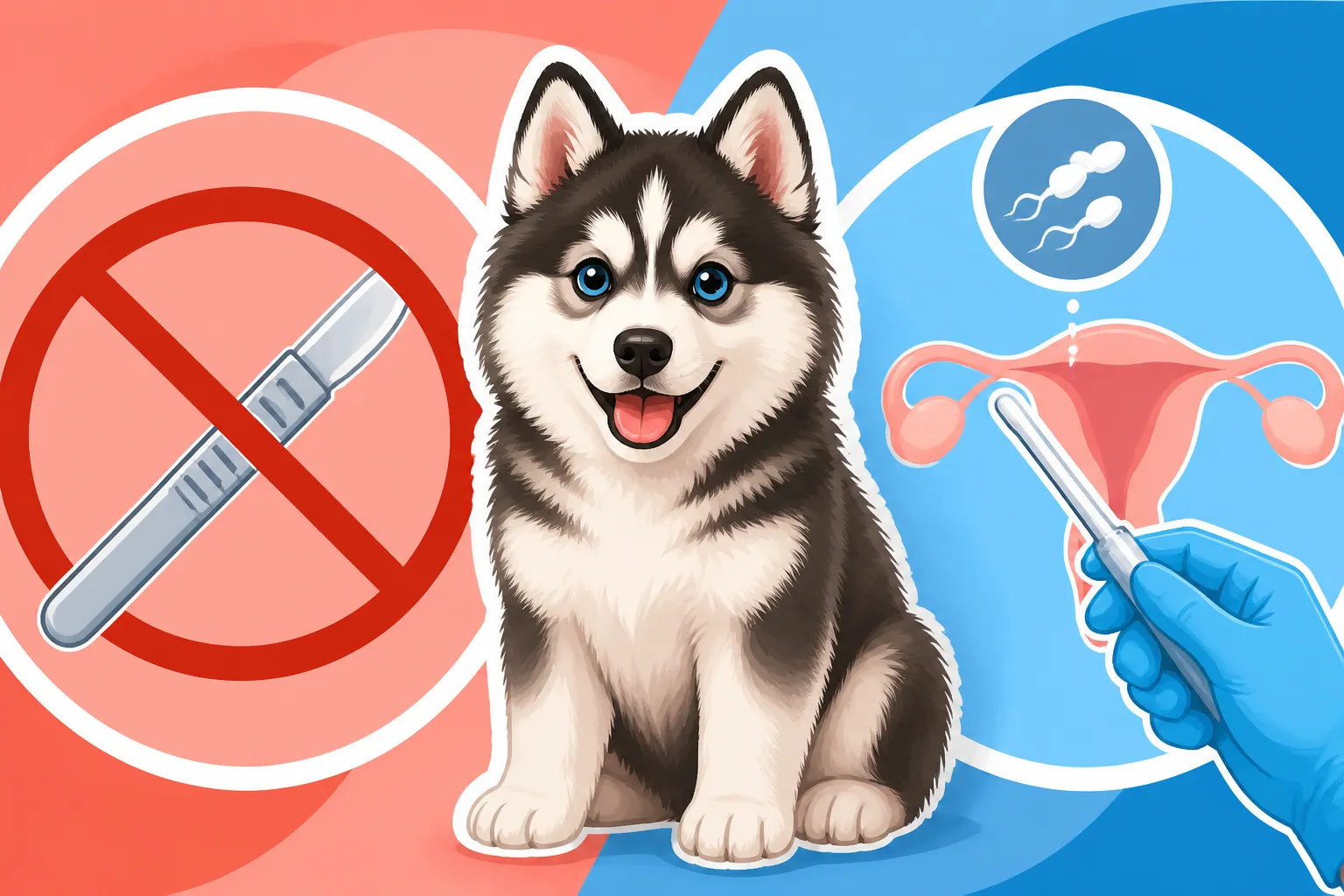
Whether Surgical Insemination Is Used in Pomsky Breeding
Bringing a Pomsky into the world isn't a simple "boy meets girl" story like with many other breeds; the significant size difference between a Siberian Husky and a Pomeranian means that natural breeding is often unsafe or impossible. This unique challenge often leads breeders to explore assisted reproductive technologies, and you might be wondering whether surgical insemination is part of that journey for these popular designer dogs. This guide will delve into the various methods of artificial insemination used in Pomsky breeding, focusing on surgical techniques, why they're sometimes necessary, and what they entail for the dam and the breeder.
Why Natural Pomsky Breeding is So Difficult
It's a common misconception that you can just let a male Pomeranian and a female Husky breed naturally and expect a litter of adorable Pomsky puppies. The reality is far more complex, and frankly, quite dangerous without intervention. The primary reason for relying on artificial insemination (AI) methods, including surgical ones, for Pomsky breeding comes down to the vast anatomical differences between the parent breeds.
The Unsafe Size Disparity
Imagine trying to mate a toy breed with a medium-sized working dog. The male Pomeranian is tiny, typically weighing between 3 to 7 pounds, while the female Siberian Husky can easily tip the scales at 35 to 60 pounds or even more. The sheer size difference makes natural coitus incredibly difficult, if not physically impossible, for the male to successfully mount and achieve penetration. Beyond the physical mechanics, there's a significant risk of injury to both dogs if they were to attempt it without assistance. The male could be accidentally crushed or injured, and the female could also sustain harm if the mating attempt is awkward or forced. This fundamental mismatch is why breeders universally turn to artificial methods.
Protecting the Dam's Health
When we talk about the size disparity, it's not just about the act of mating itself. It's also about the safety of the female Husky, who always carries the Pomsky litter. A Pomeranian dam carrying Husky-sized puppies would be a medical catastrophe, likely leading to severe complications, emergency C-sections, and potential loss of life for both mother and puppies. Therefore, it's standard practice, and indeed a necessity, for the dam in a Pomsky cross to always be the larger Siberian Husky. You can learn more about Whether a Pomsky's Mother Must Always Be the Husky. Even with the Husky dam, there are still considerations. While she can physically carry and birth the puppies, the breeding process itself still needs to be managed carefully to ensure her well-being. This prioritization of the dam's health is paramount and dictates the methods used.
Exploring Artificial Insemination Methods for Pomskies
Given the impossibility of natural breeding, artificial insemination becomes the cornerstone of Pomsky reproduction. However, not all AI methods are created equal, and breeders, in conjunction with their veterinarians, select the most appropriate technique based on several factors, including the type of semen used and the specific circumstances of the breeding pair.
Vaginal Insemination: The Simplest Approach
Vaginal insemination, sometimes called transcervical insemination (TCI) when done endoscopically, is the least invasive form of artificial insemination. It involves depositing fresh or chilled semen directly into the female's vagina, mimicking the natural breeding process as closely as possible without the physical act of mating. A long, thin catheter is typically guided into the vagina, and the semen is slowly injected. This method is generally used when the male has good semen quality and motility, and the female is optimally timed for breeding.
While it's less invasive and often less expensive, it might not be the most effective for all Pomsky breedings, especially if frozen semen is being used, or if there are any concerns about the female's fertility. The success rate can vary significantly, and for a cross as particular as the Pomsky, breeders often aim for methods with a higher probability of conception due to the significant investment involved.
Transcervical Insemination (TCI): A Step Up
Transcervical Insemination (TCI) is a more advanced technique that offers a higher success rate than simple vaginal insemination, particularly when using chilled or frozen semen. With TCI, a specialized endoscope (a thin, flexible tube with a camera) is used to visualize the cervix. The veterinarian then guides a catheter directly through the cervix and into the uterus, where the semen is deposited. This bypasses the vaginal canal, which can sometimes be an obstacle, and ensures the semen is placed much closer to its destination.
TCI is less invasive than surgical insemination, as it doesn't require an incision. It’s done while the dog is awake or lightly sedated, and recovery is immediate. For Pomsky breeders, TCI is often a preferred method when semen quality is good and they want to maximize their chances without resorting to surgery. It requires a skilled veterinarian with specific equipment, but it's a valuable option in the breeder's toolkit. Many breeders choose this route before considering surgical methods, especially if they are trying to manage the overall What a Vet Charges to Inseminate a Pomsky Litter.
Surgical Insemination: Precision and Higher Success Rates
Surgical insemination, also known as intra-uterine surgical insemination or laparoscopic insemination, is the most invasive but often the most successful method of artificial insemination, particularly when dealing with frozen semen or sub-fertile dogs. This is where we get to the core of the question: is surgical insemination used in Pomsky breeding? The answer is yes, absolutely, and sometimes it's the best or only viable option.
During a surgical insemination, the female Husky is placed under general anesthesia. A small incision is made in her abdomen, allowing the veterinarian to directly visualize and access the uterus. The semen is then injected directly into the uterine horns. This method ensures that all the sperm are delivered precisely where they need to be, maximizing the chances of fertilization.
The Specifics of Surgical Insemination for Pomskies
Surgical insemination, while more involved, offers distinct advantages that make it a chosen method for some Pomsky breeders, especially when precious or limited semen is involved.
The Procedure Overview
Let's walk through what typically happens during a surgical insemination for a Pomsky dam:
- Timing is Crucial: Just like with other AI methods, pinpointing the exact ovulation time of the female Husky is critical. This involves progesterone testing to monitor hormone levels and predict the optimal breeding window.
- Anesthesia and Preparation: The female Husky is given general anesthesia, similar to what she would receive for a spay procedure. Her abdomen is then clipped and surgically prepped to maintain a sterile field.
- Incision and Uterine Access: A small incision, usually a few inches long, is made in the lower abdomen. The veterinarian then gently exteriorizes the uterine horns.
- Semen Deposition: The semen, often thawed from frozen storage, is loaded into a sterile catheter or syringe. It is then carefully injected directly into each uterine horn. This direct placement is a key reason for the higher success rates, especially with semen that might have reduced motility after freezing.
- Closure and Recovery: Once the semen is deposited, the uterus is gently returned to the abdomen, and the incision is closed with sutures. The dam is then brought out of anesthesia and begins her recovery, which typically involves pain medication and monitoring for a few days, similar to any routine surgery. This careful process is a significant part of What Artificial Insemination Costs a Pomsky Breeder.
When Surgical AI is Preferred
Breeders might opt for surgical insemination over less invasive methods in several scenarios:
- Frozen Semen: This is perhaps the most common reason. Frozen semen, while incredibly valuable for preserving genetic lines, has a shorter lifespan after thawing and often lower motility compared to fresh or chilled semen. Direct placement into the uterus bypasses many natural barriers and gives the sperm the best possible chance to reach the eggs.
- Poor Semen Quality: If the male Pomeranian's semen quality is borderline (lower count, motility, or morphology), surgical insemination offers a better chance of success by ensuring efficient delivery.
- Previous Failed Attempts: If a female Husky has failed to conceive with less invasive AI methods, surgical insemination might be recommended as a last resort to achieve pregnancy.
- Sub-fertile Dam: In cases where the female Husky has known fertility issues, or anatomical quirks that might hinder sperm transport, surgical AI can bypass these challenges.
- Maximizing Chances: For particularly valuable breedings, where the genetic lines are highly sought after, or if the breeder has a limited number of attempts, the higher success rate of surgical AI can justify the additional cost and invasiveness.
Risks and Recovery for the Dam
Like any surgical procedure, surgical insemination carries inherent risks, which responsible breeders and veterinarians discuss thoroughly.
- Anesthesia Risks: There's always a slight risk associated with general anesthesia, though modern veterinary anesthesia protocols are very safe.
- Infection: While aseptic techniques are strictly followed, any abdominal surgery has a minimal risk of infection at the incision site.
- Adhesions: Scar tissue (adhesions) can form internally, though this is rare and usually doesn't cause problems.
- Recovery Time: The dam will need a few days of quiet recovery post-surgery, with restricted activity to allow the incision to heal. This is a shorter recovery than for something like What a Cesarean Costs a Pomsky Breeder but still requires careful post-operative care. Owners often turn to trusted sources like Chewy for comfortable recovery cones or special diet foods to aid healing during this period.
- Potential for Complications: Although rare, complications like dehiscence (incision opening up) can occur, requiring further veterinary attention.
Responsible breeders work closely with experienced reproductive veterinarians to minimize these risks and ensure the best possible outcome for the dam.
Factors Influencing the Choice of Insemination Method
Deciding which AI method to use isn't arbitrary; it's a careful balance of scientific factors, logistical considerations, and financial realities. For Pomsky breeders, these choices are particularly important because of the significant investment in time, money, and emotional commitment.
Semen Type and Quality
The type of semen available is a huge determinant.
- Fresh Semen: If the male Pomeranian is on-site and the semen can be collected and used immediately, fresh semen offers the highest viability. Vaginal or transcervical insemination often works well here due to the high motility and longevity of fresh sperm.
- Chilled Semen: If the male is not on-site but relatively close, semen can be collected, extended with a special solution, and shipped chilled for use within 24-48 hours. TCI is frequently chosen for chilled semen because it bypasses some vaginal obstacles and gets the semen closer to the target before its viability starts to decline.
- Frozen Semen: This is where surgical insemination truly shines. Frozen semen is incredibly fragile once thawed, with a significantly reduced lifespan (often just hours). Placing it directly into the uterus via surgery maximizes its chances of reaching the eggs before it expires. Given the specific costs and logistics associated with What Frozen or Chilled Semen Costs a Pomsky Breeder, breeders want to ensure every possible advantage.
Veterinary Expertise and Facilities
Not all veterinarians are equipped or experienced in advanced reproductive techniques. A Pomsky breeder needs to find a reproductive specialist who is proficient in TCI and surgical insemination. This means having the specialized endoscopic equipment for TCI or the sterile surgical suite and anesthetic monitoring equipment for surgical AI. The expertise of the veterinary team greatly influences the success rate and safety of these procedures. It’s not just about depositing semen; it’s about understanding the nuances of canine reproductive physiology, accurately timing ovulation, and performing the procedure flawlessly.
Cost Implications
Let's be realistic: Pomsky breeding is not cheap, and AI adds a significant layer of expense. The cost varies widely based on the method chosen, the vet's fees, and geographic location.
| Insemination Method | Invasiveness | Typical Semen Type | Success Rate (General) | Recovery Time |
|---|---|---|---|---|
| Vaginal Insemination | Low | Fresh, Chilled (Good QI) | Moderate | Immediate |
| Transcervical Insemination | Medium | Fresh, Chilled, Frozen | Good | Immediate |
| Surgical Insemination | High | Frozen, Chilled (Poor QI) | High | Few Days |
Surgical insemination is generally the most expensive option due to the need for anesthesia, surgical facilities, and the specialized skills of a veterinary surgeon. When considering What a Pomsky Breeder Spends Before a Litter Exists, the veterinary costs for AI can represent a substantial portion. Breeders must factor these costs into their overall budget, which ultimately influences the price of the puppies. However, for many, the higher success rate and peace of mind that comes with surgical AI can justify the higher upfront investment. It's a calculation about maximizing the chances of a successful litter and recouping the significant outlay. Owners might also look into pet insurance plans from providers like Healthy Paws that could, in the long run, help cover unexpected veterinary care for the dam or future puppies, even though breeding costs aren't typically covered.
Ethical Considerations and Responsible Breeding Practices
The use of advanced reproductive technologies like surgical insemination in Pomsky breeding comes with a significant responsibility. Ethical considerations are paramount, ensuring that the health and well-being of the breeding animals are always the top priority.
Prioritizing Dam Health and Well-being
A responsible Pomsky breeder will always place the health of their female Husky above all else. This means conducting thorough health screenings on both parent dogs well before any breeding takes place. This includes checks for genetic conditions that can be passed down, such as Hip Dysplasia in a Pomsky or Slipping Kneecaps in a Pomsky, as well as overall health assessments. If a dam has any underlying health issues that would make anesthesia or surgery risky, a responsible breeder would forgo surgical insemination, or even breeding entirely.
Post-procedure, providing excellent care during recovery is crucial. This includes proper pain management, monitoring the incision site for any signs of infection, and ensuring the dam has a quiet, comfortable environment to recover. Good nutrition, perhaps with specialized diets from brands like Ollie, is also important to support her body through the demands of pregnancy. The breeder's commitment extends far beyond the moment of insemination to the entire gestation and whelping process, ensuring the dam is healthy and strong enough to carry and nurture her litter.
Transparency with Prospective Buyers
Responsible breeding also involves full transparency. A breeder who utilizes surgical insemination should be upfront about this process with potential puppy buyers. While buyers might not need a detailed surgical play-by-play, understanding that significant veterinary intervention is required for Pomsky breeding helps them appreciate the effort and expense involved. It also contributes to an overall picture of a breeder who is diligent and invests in the health and ethical practices of their breeding program.
Transparency should also extend to the health testing of the parent dogs, the generational makeup of the litter (e.g., F1, F2), and potential health concerns specific to the Pomsky breed. It's a commitment to ensuring that every puppy goes to a well-informed home that understands the dedication, and indeed the costs, that go into responsible Pomsky ownership and breeding. This openness helps cultivate trust and ensures that buyers are prepared for the full commitment of welcoming a Pomsky into their family, from potential vet bills to the joyous years ahead captured in articles like The Full Cost of Fourteen Years With a Pomsky.
Conclusion
So, is surgical insemination used in Pomsky breeding? The answer is a definitive yes. While not always the first choice, it is a vital tool in the reproductive veterinarian's arsenal for ensuring successful conception in this unique hybrid breed, particularly when dealing with frozen semen or challenging fertility scenarios. The necessity arises from the significant size disparity between the Siberian Husky and Pomeranian, making natural breeding impossible and unsafe.
Breeders, in close consultation with experienced reproductive veterinarians, carefully consider the type and quality of semen, the dam's health, and the practical and financial implications when choosing an AI method. While it's more invasive and costly than other options, surgical insemination offers the highest success rates, which can be invaluable for breeders investing heavily in their Pomsky lines. Ultimately, the use of surgical insemination reflects the meticulous, often complex, and always veterinary-assisted nature of responsible Pomsky breeding, all done with the goal of bringing healthy, happy puppies into the world.
Disclaimer
This article is for general informational purposes only and does not constitute professional advice. Laws, prices and regulations vary by location and change over time. Consult a qualified professional for guidance on your specific situation.