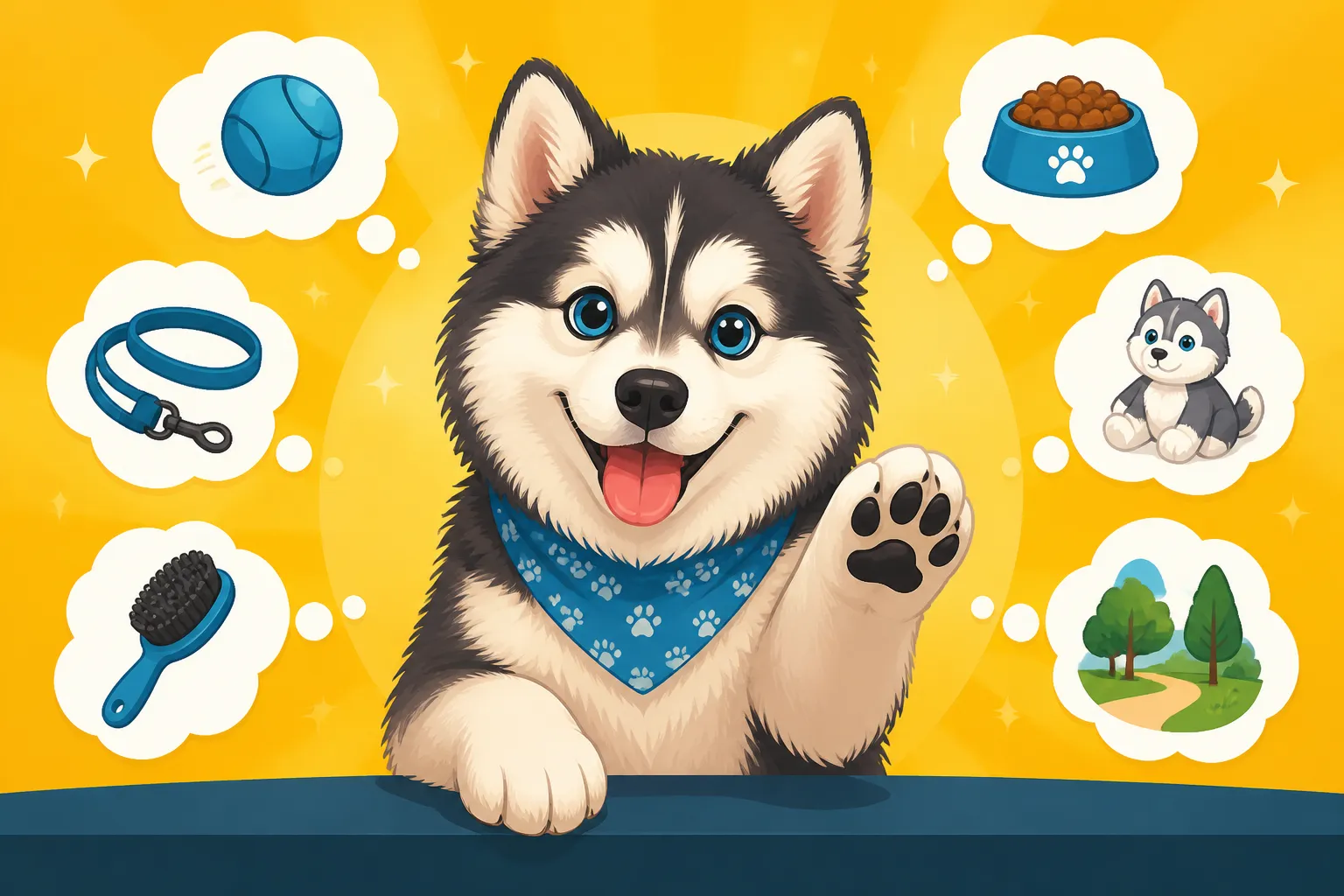
What a Pomsky Will Work For
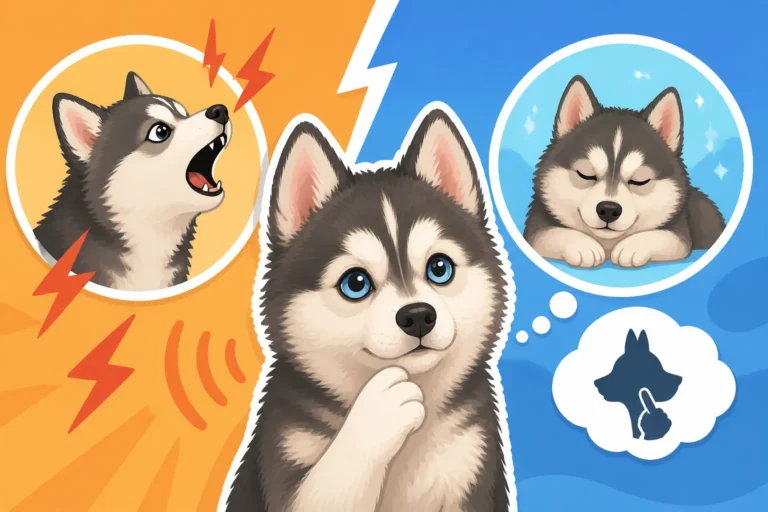
If you're a Pomsky owner, you've probably experienced that delightful, yet sometimes infuriating, blend of independent spirit and mischievous charm when it comes to training. It's not always as simple as offering a piece of kibble and expecting instant obedience. Understanding what truly lights a fire under your Pomsky is the secret sauce to successful training, helping you build a stronger bond and achieve those coveted good behaviors without constant frustration.
Understanding the Pomsky's Drives: A Mixed Bag of Motivation
Bringing a Pomsky into your life means embracing a fascinating mix of two very distinct breeds: the Siberian Husky and the Pomeranian. Each parent breed contributes a unique set of instincts and personality traits that profoundly influence what motivates your fluffy companion. It's not a one-size-fits-all approach, and what works beautifully for one Pomsky might utterly fail with another, depending on which parent's traits are more dominant. This genetic lottery is both the joy and the challenge of owning these wonderful hybrids.
The Husky's Independent Spirit: What It Means for Training
Ah, the Husky influence. Anyone who has spent time with a Siberian Husky knows they march to the beat of their own drum. They are thinkers, problem-solvers, and often, quite selective about who they "work" for and why. This isn't out of malice, but pure, unadulterated independence. They were bred to run for miles, making their own decisions in challenging environments, and that instinct is often deeply embedded in a Pomsky. It means they're not always eager to please, especially if they don't see the immediate benefit to themselves.
For your Pomsky, this often translates into a keen intelligence that can quickly become "stubbornness" if you're not speaking their language. They might know exactly what you want but choose not to do it because, well, why should they? They're not going to perform a trick just for the sheer joy of your approval if a squirrel is darting across the yard or a fascinating scent trail beckons. This independent streak is why many Pomsky owners struggle with consistent Recall on a Pomsky Bred From a Dog That Runs or find their furry friend acting like The Pomsky Escape Artist in a Twenty Pound Body. You need to make your offer more enticing than whatever captivating distraction has caught their attention.
The Pomeranian's People-Pleasing Side: A Glimmer of Hope?
On the flip side, we have the Pomeranian's legacy. While Poms can be sassy and opinionated, they are generally much more inclined to seek attention and approval from their humans. They love being the center of the universe, and their small size often makes them expert manipulators of human affection. This trait can be a significant advantage in training your Pomsky, especially if your particular dog leans more heavily on the Pomeranian side of the genetic spectrum. They might respond enthusiastically to praise and cuddles in a way a purebred Husky might simply tolerate.
A Pomsky with a strong Pomeranian influence might genuinely enjoy engaging with you in short, fun training sessions, eager for your delighted reactions. They might even be willing to perform tricks simply because it earns them a snuggle on the couch or a cheerful "Good boy!" in your most excited voice. This desire for connection and positive reinforcement can be a powerful tool, providing that much-needed glimmer of hope when the Husky stubbornness makes an appearance. It means you have more options in your motivational toolbox than just high-value food, which is a blessing.
The "What's In It For Me?" Mentality: Getting Past the Obstacles
Ultimately, both parent breeds contribute to a core Pomsky characteristic: they are highly transactional. Whether it's the Husky's independence or the Pomeranian's desire for attention, your Pomsky is constantly assessing the situation with a "what's in it for me?" attitude. This isn't a criticism; it's just how many intelligent, driven dogs operate. They're not robots; they have their own priorities, and your training requests might not always be at the top of their list without a compelling reason. Understanding this fundamental aspect of their nature is crucial to cracking the code of Pomsky motivation.
You're not battling stubbornness as much as you are competing for their attention and interest. If your reward isn't good enough, or if the distraction is too high, they'll simply opt out. This means your job as a trainer is to be more interesting, more rewarding, and more engaging than anything else in their environment. This mindset also applies to daily life; if they decide that counter-surfing is more rewarding than waiting patiently for their meal, they'll likely choose the former. It’s about clearly communicating the benefits of cooperating with you.
High-Value Rewards: The Key to a Pomsky's Heart (and Brain)
Once you understand that your Pomsky is always weighing their options, the next step is to ensure your "offer" is irresistible. This is where high-value rewards come into play. Not all rewards are created equal, and what constitutes "high-value" can change depending on your Pomsky's mood, the environment, and even the time of day. Building a hierarchy of rewards and knowing when to deploy the big guns is a cornerstone of effective Pomsky training. Think of it like their personal economy – some rewards are pocket change, others are gold bullion.
Food, Glorious Food: From Kibble to Gourmet Treats
For most Pomskies, food is a universal motivator. However, the type of food matters immensely. Your everyday kibble might be enough for a simple "sit" in the quiet living room, but it probably won't cut it when you're trying to teach a complex new behavior at the park, or trying to manage their excitement around other dogs. This is when you need to pull out the gourmet treats. Think small pieces of boiled chicken, bits of cheese, freeze-dried liver, or high-quality soft training treats. These are the "gold bullion" in your Pomsky's motivational economy.
It's also about variety. If you always use the same treat, its value can diminish over time. Keep your Pomsky guessing by rotating different high-value options. Many owners find success buying small, soft treats in bulk from places like Amazon, or even making their own healthy, enticing snacks. When you're first teaching a new behavior, use the absolute best treats you have. As the behavior becomes more consistent, you can gradually reduce the value of the treat, eventually phasing it out for praise and occasional rewards. Just remember, a hungry Pomsky is often a more motivated Pomsky, so timing your training before meals can sometimes boost their enthusiasm.
Playtime Power: Toys and Games as Motivators
Beyond food, many Pomskies are highly motivated by play. This is particularly true for those with a stronger Husky drive. Tug toys, squeaky balls, or a favorite plushie can be incredibly powerful rewards, especially for active Pomskies. The key is to make playtime short, exciting, and always end it while your Pomsky is still eager for more. This keeps the toy's value high. For example, after a successful recall, a quick game of fetch or a tug session can be much more reinforcing than just a treat.
Incorporating play into training not only acts as a reward but also helps burn off some of that boundless Pomsky energy. A well-exercised Pomsky is often a more attentive and trainable Pomsky. Consider toys that dispense treats slowly, or interactive puzzle toys, which engage their intelligent minds and provide mental stimulation. For a Pomsky, working for a reward that involves a bit of a challenge or a chase can tap into their natural instincts in a constructive way.
Praise and Affection: When They Actually Work
While some dogs live for praise and cuddles, Pomskies often have a more nuanced relationship with these "rewards." For the Pomeranian-leaning Pomsky, a genuinely enthusiastic "Good job!" paired with a gentle ear scratch or belly rub can be highly effective. They thrive on that human connection. However, for a Pomsky with a stronger Husky personality, generic verbal praise might just be background noise unless it's immediately followed by something tangible, like a treat or a quick game.
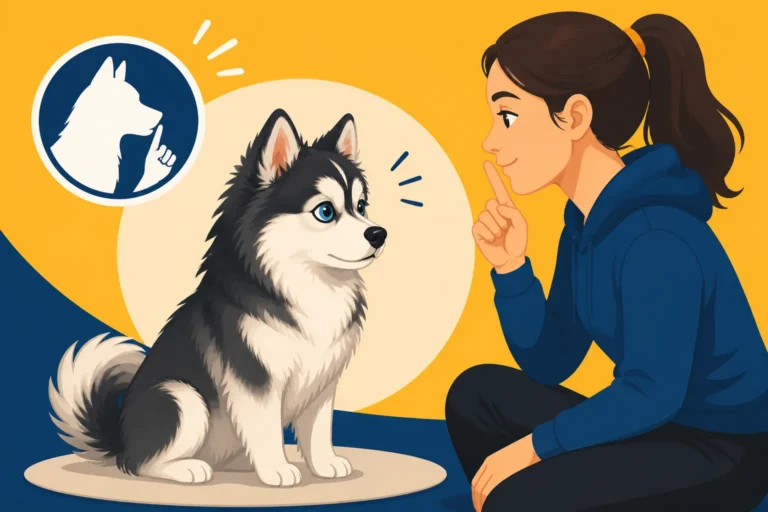
The trick is to make your praise meaningful. Use a high-pitched, excited voice to mark the exact moment they do something right. Couple it with a physical reward initially. Over time, as your Pomsky associates your excited voice with good things happening, your praise alone will gain more motivational power. For some Pomskies, a quick, enthusiastic pet on the chest or behind the ears might be preferred over a full-body hug, which some find too restrictive. Pay close attention to your individual dog's preferences; some might recoil from an overly boisterous display, while others will soak it up.
Beyond the Basics: Advanced Motivational Strategies for Pomskies
Once you've mastered the art of high-value rewards, you can start exploring more sophisticated motivational strategies that cater to the intelligent and sometimes independent nature of the Pomsky. These techniques go beyond simple rewards and tap into their cognitive abilities and innate desires, making training not just effective, but truly enriching for your dog. They help answer the question of What a Pomsky Will Work For even when the treats aren't flowing quite as freely.
The Power of Choice and Control: Giving Your Pomsky a Say
Pomskies, much like their Husky ancestors, appreciate having some agency. Providing choices, even small ones, can significantly increase their cooperation and motivation. This isn't about letting them run the house, but about offering controlled options within a training context. For example, instead of forcing them into a "down" stay, you might offer them a choice between a mat stay in one spot or a crate stay in another. They still have to perform the stay, but they get to choose where. This subtle shift can make a world of difference for a dog that values its independence.
Another way to offer choice is in the sequence of activities. After a focused training session, you could present two toys and let them pick which one they want to play with, or offer a sniffy walk in the park versus a faster-paced walk around the block. This helps to make training feel less like a command-and-obey relationship and more like a collaborative partnership. Dogs that feel they have some control are often more engaged and less likely to exhibit "stubborn" behaviors, as they feel heard and respected.
Novelty and Variety: Keeping the Training Fresh
The intelligent Pomsky mind can get bored with repetition very quickly. If you do the same five tricks in the same location every day, their motivation will likely plummet. Introducing novelty and variety into your training routine is essential to keep them engaged and excited to learn. Think of it like switching up your own workout routine; new challenges keep things interesting. This is also why Short Sessions Suit a Pomsky better than long, drawn-out ones.
This can mean:
- Changing locations: Train in your backyard one day, at a quiet park the next, then inside a pet-friendly store.
- Varying rewards: One session is treat-heavy, the next is toy-focused, the one after is praise and a short game.
- Learning new tricks: Don't just stick to the basics. Teach them fun tricks like "spin," "play dead," or how to retrieve specific items. Online platforms like BAXTER & Bella offer structured curricula that introduce new skills regularly, which can be fantastic for keeping things fresh and challenging for your Pomsky.
- Mixing up the order: Don't always start with "sit," then "down." Scramble the order of commands to keep them thinking.
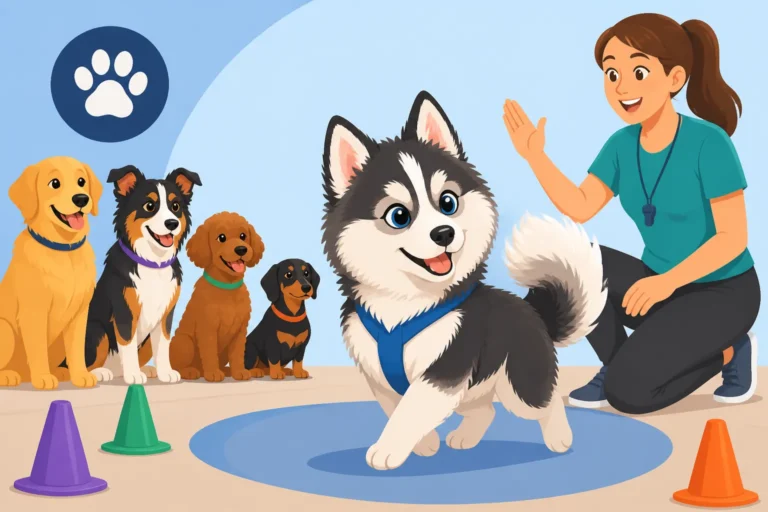
- Adding distractions gradually: Once a command is solid in a quiet environment, slowly introduce low-level distractions, making sure your rewards are extra high-value to maintain motivation.
Harnessing Their Natural Instincts: Scent Work and Agility
Some of the most powerful motivators for a Pomsky are activities that tap into their innate instincts. Both Huskies and Pomeranians are intelligent and can be surprisingly athletic. Engaging your Pomsky in activities like scent work or agility can provide immense mental and physical stimulation, fulfilling their natural drives and making them incredibly motivated to "work" in these contexts.
For instance, Huskies have a strong natural drive to sniff and track. Whether a Pomsky Takes to Scent Work is a definite possibility, and it's a fantastic way to engage their brains. You can start with simple "find it" games indoors, hiding treats or toys, and gradually move to more complex scent detection exercises. This is a low-impact activity that is incredibly rewarding for dogs that love to use their noses. Similarly, the athleticism from the Husky side and the quickness from the Pomeranian can make Whether a Pomsky Can Do Agility a very rewarding pursuit. The fast pace, varied obstacles, and problem-solving involved keep their minds and bodies active, and many Pomskies find the challenge inherently motivating. These activities aren't just about burning energy; they're about giving your Pomsky a "job" that speaks to their core nature, which is a huge motivator in itself.
When Motivation Wanes: Troubleshooting Common Pomsky Training Hurdles
Even with the best treats and the most engaging games, you're bound to hit a wall sometimes. Pomskies, with their unique blend of independence and intelligence, are notorious for having moments where their motivation seems to vanish into thin air. It's not a sign of failure; it's a call to re-evaluate your approach and address the specific hurdles you're facing. Understanding these common challenges can help you adjust your strategy and keep both you and your Pomsky moving forward.
The Stubborn Streak: When Your Pomsky "Forgets" Everything
Every Pomsky owner has experienced it: your dog performs a trick perfectly one day, then acts like they've never heard of it the next. This isn't necessarily a malicious act; it's often the "stubborn streak" surfacing, a direct result of their independent nature inherited from the Husky. They haven't forgotten; they've simply decided that, in this moment, the reward isn't worth the effort, or something else is more interesting. This is where you might ask yourself Whether a Pomsky Is Stubborn or Independent. The answer is often a bit of both.
To combat this:
- Increase the value of the reward: When they're being "stubborn," immediately switch to their absolute favorite, highest-value treat.
- Reduce distractions: Move to a quieter environment where there's less competition for their attention.
- Shorten sessions: Keep training sessions incredibly brief, ending on a high note before they have a chance to get bored or disengaged.
- Revisit basics: Sometimes, you need to go back to square one with a particular command, practicing it in simple, low-distraction settings to rebuild their confidence and your expectations.
- Check for underlying issues: Are they tired? Hungry? Uncomfortable? Sometimes "stubbornness" is just a dog communicating they're not feeling their best.
Distraction Overload: Training in the Real World
Pomskies are curious and often have a strong prey drive, making them highly susceptible to environmental distractions. A squirrel, a passing dog, a leaf blowing in the wind – any of these can instantly derail a training session. Trying to get your Pomsky to focus in a busy park when they've only ever trained in your living room is like asking a child to do algebra in a circus. It's too much, too soon. This is a huge factor in managing expectations around Recall on a Pomsky Bred From a Dog That Runs.
The key here is gradual exposure and proofing.
- Start small: Master commands in a completely distraction-free environment (your home).
- Add one distraction at a time: Once solid indoors, introduce a very mild distraction, like another family member walking by, but without interacting.
- Increase distance: Practice commands further away from distractions before trying to work closer to them.
- Elevate rewards: When training in a distracting environment, always use your highest-value treats or most exciting toys. The "paycheck" needs to be bigger to compensate for the difficulty.
- Break it down: If a distraction is too much, break the desired behavior into tiny, achievable steps and reward generously for even a glance in your direction. Consider carrying a special treat pouch, easily accessible on sites like Amazon, filled with irresistible goodies for these challenging moments.
Building a Stronger Bond: The Foundation of All Motivation
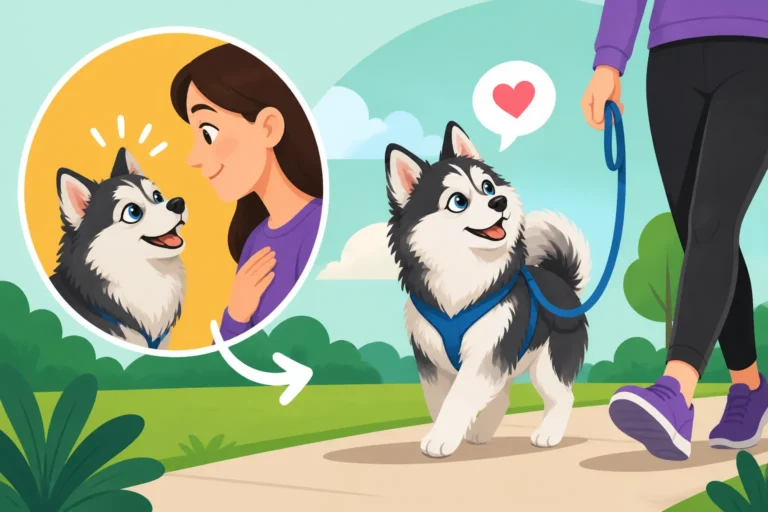
Ultimately, the most powerful motivator for any dog, especially a clever and independent one like a Pomsky, is a strong, trusting relationship with their human. If your Pomsky views you as a source of fun, safety, clear communication, and consistent rewards, they will be far more motivated to engage with you, even when things get tough. This isn't just about training commands; it's about shared experiences, mutual respect, and understanding.
Spending quality time with your Pomsky, engaging in activities they love, and being consistent with your expectations are all crucial for strengthening this bond. Play games together, go on adventures, and just hang out. Consider investing in an online puppy training program, such as the comprehensive guides offered by BAXTER & Bella. These programs often emphasize relationship-building as much as command-training, teaching you how to communicate more effectively with your Pomsky and fostering that crucial trust. A dog that feels safe and connected to you is a dog that wants to work with you, not just for a treat, but because they enjoy the interaction and value your partnership.
| Motivational Tool | Best For | When to Use | Tips for Pomskies |
|---|---|---|---|
| High-Value Treats | New behaviors, high distractions | Early learning, proofing, recall | Boiled chicken, cheese, freeze-dried liver. Rotate types! |
| Favorite Toys | Active play, engaging instincts | After successful effort, quick breaks | Tug ropes, squeaky balls. Keep play short and exciting. |
| Enthusiastic Praise | Reinforcing good choices | Continuously, especially with treats | High-pitched, happy voice. Pair with physical reward initially. |
| Affection/Petting | Connection, calm reinforcement | Quiet moments, after a job well done | Observe preferences (ear rubs, chest rubs). Avoid forceful hugs. |
| Life Rewards | Everyday good behavior | When they want something (walk, food) | Make them sit for dinner, wait at the door for a walk. |
| Novelty/Variety | Preventing boredom, maintaining interest | Regular training sessions | Change locations, vary commands, teach new tricks. |
| Choice | Building agency, reducing stubbornness | When offering alternatives (e.g., specific spot to stay) | Give limited, acceptable options. |
| Instinctual Outlets | Mental & physical fulfillment | Dedicated activity time | Scent work, agility, flirt poles. Great for burning energy. |
Disclaimer
This article is for general informational purposes only and does not constitute professional advice. Laws, prices and regulations vary by location and change over time. Consult a qualified professional for guidance on your specific situation.