Whether a Pomsky Howls When Left
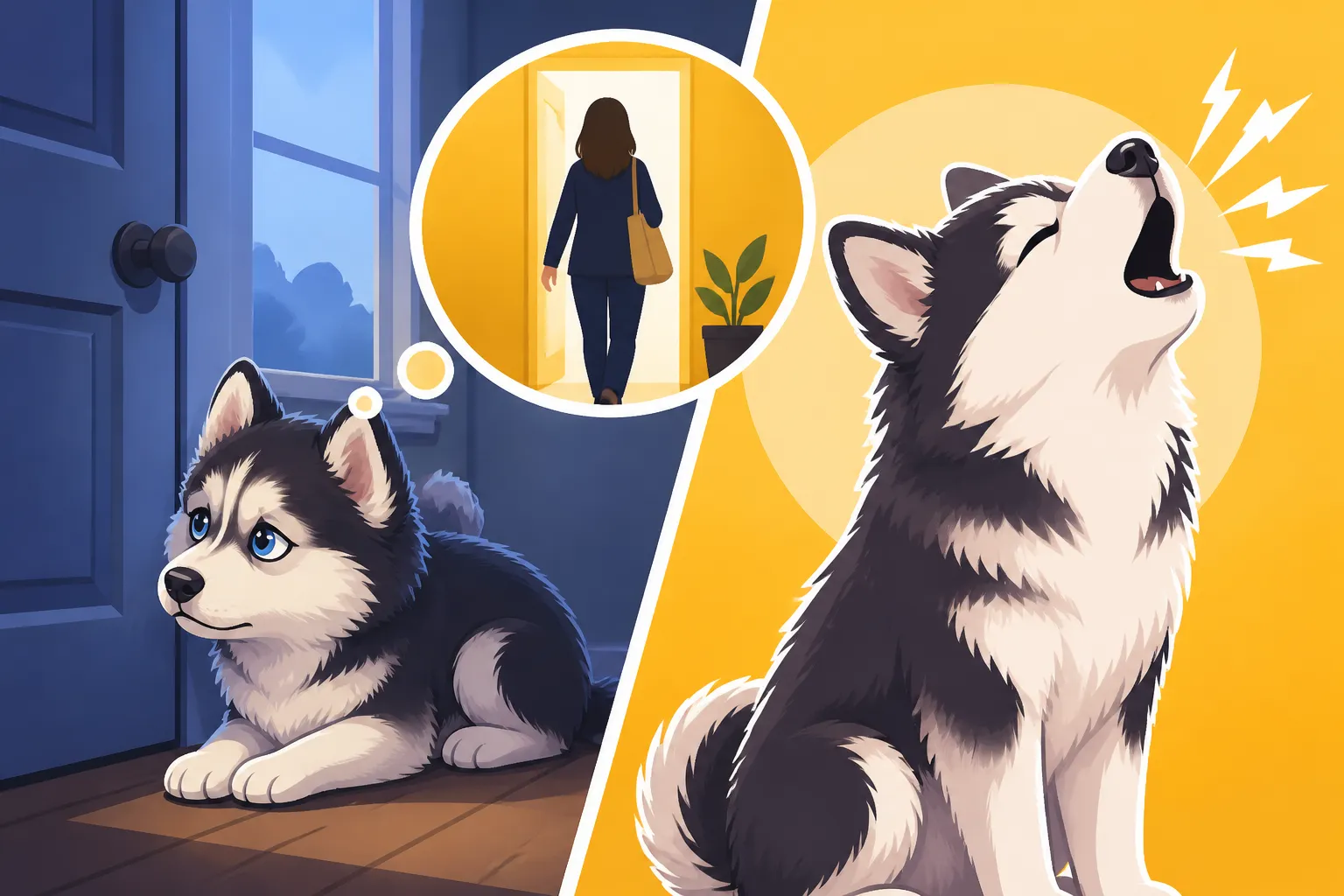
There's nothing quite like the sound of a Pomsky's unique vocalizations – that charming woof, grumble, or "woo-woo" can be endearing. But for many Pomsky parents, that distinct voice can quickly turn into a source of anxiety when it morphs into a mournful, sustained howl the moment you step out the door. It's heartbreaking to imagine your beloved companion distressed, and let's be honest, it often leads to worries about disturbed neighbors and the overall well-being of your furry friend. This guide is here to help you understand precisely why your Pomsky might be howling when left alone and, more importantly, offer practical, empathetic strategies to bring peace and quiet back to your home, and comfort to your Pomsky.
Understanding Why a Pomsky Howls When Left Alone
Before we can tackle the howling, we need to understand its roots. A Pomsky's vocal nature is often deeply ingrained, but the reasons why they howl when alone can vary, from genetic predispositions to environmental factors and emotional distress. It's rarely about being "naughty"; it's a form of communication or an expression of underlying needs.
The Husky Influence on Vocalization
Let's face it, Pomskies are a delightful mix, and they often inherit some very strong traits from both sides of their family tree. One of the most prominent traits they get from their Siberian Husky parentage is their incredible vocal range, which definitely includes howling. Huskies are known for being very communicative dogs, often "talking" rather than just barking. Howling is a natural part of their communication repertoire, used in the wild to call to their pack members across distances.
When your Pomsky howls, especially when left alone, they might be tapping into this ancient instinct. They're essentially calling out to their pack – you! – asking where you've gone and trying to re-establish contact. It's not necessarily a sign of distress every single time, but a strong instinct to vocalize their presence and try to locate yours. Understanding this innate tendency is the first step; it tells us that we're not dealing with a "broken" dog, but one acting on deeply rooted genetic programming. This explains why sometimes even a well-adjusted Pomsky might let out a howl now and then, especially if they hear sirens or other distant howls. The Husky Howl in a Pomsky goes into more detail about this fascinating vocal trait.
Separation Anxiety vs. Boredom
Distinguishing between true separation anxiety and simple boredom or loneliness is crucial, because the approach to solving each is quite different. Both can lead to howling, but the underlying emotional state is vastly dissimilar.
Separation anxiety is a genuine panic disorder where your Pomsky experiences extreme distress when left alone. This isn't just missing you; it's intense fear and panic. Symptoms often include frantic efforts to escape (chewing through doors, damaging crates), excessive drooling, urination or defecation indoors, destructive chewing that isn't typical, pacing, and persistent howling, whining, or barking. Your Pomsky might show signs of stress even as you prepare to leave, becoming clingy or agitated. They're not being stubborn; they are truly suffering. If you suspect this is the case, it's a serious issue that needs a comprehensive approach, often involving a vet and a professional behaviorist. You might find our post on Whether a Pomsky Suffers Separation Anxiety helpful.
On the other hand, boredom or loneliness can also manifest as howling. If your Pomsky isn't experiencing the extreme panic of separation anxiety, they might just be under-stimulated or simply sad you're gone. They might howl for a bit, then settle down, or howl intermittently. They might chew things, but not in a frantic, destructive way – more like exploring or trying to entertain themselves. They might not show the same pre-departure anxiety. This type of howling usually stems from a lack of mental and physical exercise before you leave, or not enough engaging activities to keep them occupied while you're away. It's an important distinction because a bored Pomsky needs more enrichment and exercise, while an anxious Pomsky needs careful behavioral modification.
Lack of Training and Independence
Many dogs, including Pomskies, aren't explicitly taught how to be alone. We often bring them into our homes and shower them with constant attention, which is lovely, but it can inadvertently create a situation where they become overly reliant on our presence. If a puppy is never left alone, even for short periods, they don't learn that your departures are temporary and that they can feel safe and content in your absence.
This isn't about neglecting your dog; it's about structured training to foster independence. Without this foundation, a Pomsky can develop a strong attachment that makes any separation feel frightening or confusing. They haven't learned the coping mechanisms to self-soothe or entertain themselves when you're not there. This training starts from puppyhood, gradually introducing alone time, and ensuring that their crate or designated "safe space" is a positive, comfortable area where they can relax. The goal is to build their confidence, not to just leave them to figure it out on their own, which can backfire and intensify their distress.
Common Scenarios and Their Impact
Understanding the root causes is one thing, but recognizing how different situations can trigger or exacerbate howling is another key piece of the puzzle. Our Pomskies are incredibly sensitive to their environment and routine.
The New Puppy Adjustment Period
Bringing a new Pomsky puppy home is an exciting time, but it's also a massive adjustment for them. They've just been removed from their littermates, their mother, and the only environment they've ever known. Suddenly, they're in a strange new place, often sleeping alone for the first time in their lives. It's completely natural for a young puppy to howl, cry, or bark, especially at night or when left alone for the first time. They're calling for their pack.
During this period, consistency, comfort, and patience are paramount. Establishing a routine, making their crate a cozy den, and gradually introducing alone time during the day (even if you're just in another room) are vital. It's a delicate balance: you want to comfort them, but also teach them that being alone is okay and that you will always return. Over-coddling can sometimes create more dependence, while ignoring their genuine fear can be detrimental. It’s important to remember that this phase is usually temporary if handled correctly. Our article on Raising a Pomsky Puppy covers other important aspects of this critical stage.
Changes in Routine or Environment
Dogs thrive on routine. They are creatures of habit, and their internal clocks are remarkably precise. Any significant change in their daily schedule or living environment can be unsettling for a Pomsky and trigger anxiety, which can lead to howling. Think about it: a sudden shift in your work schedule, a move to a new house, a new family member (human or pet), or even the absence of someone they're used to seeing daily can throw them off.
For example, if you've always worked from home and suddenly have to go into an office five days a week, your Pomsky might not understand why their constant companion has disappeared. Similarly, if you go on vacation and leave them with a pet sitter, even a wonderful one, the change in surroundings and human presence can cause them to vocalize their unease. These changes disrupt their sense of predictability and security, making them feel vulnerable and prompting them to call out for reassurance or simply express their confusion and stress.
Insufficient Exercise or Mental Stimulation
A tired dog is often a good dog, and a Pomsky, with its Husky heritage, has significant energy needs. If your Pomsky isn't getting enough physical exercise and mental stimulation, that pent-up energy and boredom have to go somewhere. Howling can be an outlet for this excess energy and a plea for something to do.
Imagine being stuck in a room with nothing to do, feeling restless and bored – you'd probably start making noise too! Pomskies are intelligent and active, meaning they need more than just a quick stroll around the block. They need opportunities to run, explore, play, and engage their minds with puzzle toys or training sessions. A Pomsky who has been on a good, long walk or played an engaging game before you leave is much more likely to settle down and relax than one who's bursting with unspent energy. Our guide on The Exercise a Pomsky Needs Every Day provides excellent insights into meeting these needs.
Strategies to Minimize Howling
Now that we understand why your Pomsky might be howling, let's talk about tangible, compassionate strategies you can implement to help them feel more secure and less vocal when you're not around.
Gradual Desensitization and Alone Time Training
This is perhaps the most crucial strategy for any dog struggling with being left alone. It's about teaching your Pomsky, in tiny, manageable steps, that your departures are not a big deal and that you will always return.
Start incredibly small. Leave the room for just a few seconds, then come back. Don't make a big fuss when you leave or return. The idea is to make your absence as unremarkable as possible. Gradually increase the time you're gone – a minute, then five, then ten, then twenty. Practice this multiple times a day. You might even incorporate a "departure cue," like saying "I'll be back!" in a cheerful, light tone. The key is to return before your Pomsky starts to howl or show signs of distress. If they do howl, you've gone too far, too fast. Reset and try a shorter duration next time.
Using a crate can be very helpful here, especially if your Pomsky sees it as a safe, comfortable den. Crate training is a separate but related skill. You want them to associate the crate with positive things, like tasty treats or a favorite chew toy. Whether a Pomsky Should Sleep in a Crate delves into this topic more. The goal is to build their confidence that they can handle short periods alone, which then extends to longer ones.
Providing Enrichment and Distractions
A bored Pomsky is a noisy Pomsky. Keeping their minds and bodies engaged while you're away can significantly reduce howling due to boredom. Think of it as giving them a "job" to do while you're gone.
- Interactive Puzzle Toys: These are fantastic! Toys that dispense treats as your Pomsky manipulates them can keep them occupied for a good chunk of time. Look for sturdy, challenging ones that require thought.
- Long-Lasting Chews: Things like bully sticks, dental chews, or even a Kong stuffed with peanut butter or plain yogurt (and frozen for extra challenge!) can provide sustained entertainment. Always ensure the chew is appropriate for your Pomsky's size and chewing style to prevent choking hazards.
- Scent Work or Snuffle Mats: Hide treats around a designated area or in a snuffle mat. This taps into their natural foraging instincts and is mentally tiring.
- Calming Music or TV: Some dogs find the ambient noise of a radio or TV comforting, mimicking the sounds of human presence. Try different types of music to see what your Pomsky prefers.
You can find a wide variety of these enrichment items on platforms like Amazon. Experiment to see what truly captures your Pomsky's attention and keeps them happily engaged.
Ensuring Adequate Exercise and Mental Stimulation
Before you ever consider leaving your Pomsky alone for an extended period, make sure they've had ample opportunity to burn off energy and engage their minds. This isn't just a suggestion; it's a foundational requirement for a calm and quiet Pomsky.
A good, brisk walk, a vigorous play session in the yard, or a trip to a secure dog park (if they're well-socialized) can make a world of difference. For their minds, even 10-15 minutes of training sessions practicing commands or learning new tricks can be surprisingly exhausting for them. A tired Pomsky is more likely to nap peacefully while you're out than to stand at the door howling. Consider varying their exercise routine to keep things interesting. A routine that includes both physical exertion and mental challenges is ideal. Our article on The Exercise a Pomsky Needs Every Day provides more comprehensive advice.
| Strategy | Goal | When to Use | Key Actions |
|---|---|---|---|
| Gradual Desensitization | Teach comfort with alone time | Ongoing, especially if anxious | Start with seconds, increase duration, no fuss upon leaving/returning, use safety cues. |
| Enrichment & Distractions | Prevent boredom and destructive behavior | Before leaving, during alone time | Puzzle toys, long-lasting chews, snuffle mats, calming music. |
| Adequate Exercise | Burn off excess physical energy | Before alone time | Brisk walks, play sessions, secure dog park, varied activities. |
| Mental Stimulation | Tire their brains, reduce restlessness | Daily, before alone time | Training sessions, scent games, interactive toys. |
| Professional Guidance | Address severe anxiety or complex behaviors | When home remedies fail | Consult vet, certified professional dog trainer, or veterinary behaviorist. |
Seeking Professional Guidance
If you've tried all the above strategies diligently and your Pomsky's howling persists, escalates, or is accompanied by other severe symptoms like frantic escape attempts, self-harm, or inappropriate elimination, it's time to call in the experts. You might be dealing with genuine separation anxiety, which can be incredibly challenging to manage on your own.
Start with your veterinarian. They can rule out any underlying medical conditions that might be contributing to the behavior. They can also discuss potential anxiety medications or supplements that might help your Pomsky feel calmer as you work through behavioral modifications. After ruling out medical causes, seek out a certified professional dog trainer or a veterinary behaviorist. These professionals have specialized knowledge and experience in canine behavior. They can observe your Pomsky's specific behaviors, assess the severity of the issue, and create a tailored training plan. Services like those offered by BAXTER & Bella provide online programs that can guide you through training steps, which can be a great starting point for many owners. Remember, asking for help is a sign of a responsible pet parent, not a failure.
What to Do If Your Pomsky is Howling
Discovering your Pomsky is howling when you're gone is upsetting, but your reaction (or non-reaction) is critical. Here's how to navigate those tough moments.
Don't Punish the Howling
This is paramount: never punish your Pomsky for howling when you're away. Whether it's separation anxiety or boredom, punishment will only make things worse. If they're anxious, punishment will intensify their fear and lead them to associate your departure (or even your return) with something negative. This can deepen their anxiety and might even cause them to suppress the howling when you're around, only to do it more intensely when you're gone.
If they're bored, punishment doesn't address the underlying issue of under-stimulation. They won't understand why they're being punished, only that you're angry, which can erode your bond and make them more fearful or confused. Your Pomsky isn't trying to be "bad"; they are communicating distress, loneliness, or an unmet need. Focus on positive reinforcement and creating a positive association with alone time. Coming home to a howling dog and immediately scolding them will likely just increase their stress about your arrival.
Monitor and Record
How do you know what your Pomsky is doing when you're not there? You can't, unless you have eyes in the back of your head… or a camera! Investing in a pet camera or even setting up an old smartphone or webcam can provide invaluable insights. This isn't just for entertainment; it's a diagnostic tool.
Recording your Pomsky's behavior allows you to:
- Determine the trigger: Do they start howling the second you leave? Or after five minutes? Or only when they hear a specific sound?
- Assess severity: Is it constant, frantic howling, or intermittent, less intense vocalizations?
- Identify other behaviors: Are they pacing, panting, attempting to escape, or being destructive? This helps differentiate between anxiety and boredom.
- Track progress: As you implement strategies, you can see if the duration or intensity of the howling is decreasing.
Many pet cameras available on Amazon even allow you to speak to your dog or dispense treats remotely, which can be useful (though be careful not to create a new dependency on your voice through the camera). This objective data is crucial for understanding the problem and formulating an effective plan.
Consult Your Vet
As mentioned earlier, before diving deep into behavioral modification, always start with a visit to your veterinarian. While howling when left alone is often behavioral, ruling out any underlying medical conditions is a responsible first step.
Certain health issues can manifest as behavioral changes, including increased vocalization or restlessness. Pain, discomfort, cognitive dysfunction in older dogs, or even issues like hearing loss (which might make them feel more isolated) could contribute to a Pomsky howling when left alone. Your vet can perform a thorough examination, run any necessary tests, and give you peace of mind that there isn't a physical cause for their distress. If a medical issue is found, addressing that might resolve or significantly reduce the howling, making any subsequent behavioral training much more effective. The Screening a Pomsky Should Have Yearly covers routine checks that are important for your Pomsky's overall health.
By patiently understanding your Pomsky's unique blend of Husky vocal tendencies, recognizing their emotional needs, and implementing consistent, positive training methods, you can help them feel secure and quiet, even when you're not right by their side. It's a journey, but a rewarding one for both of you.
Disclaimer
This article is for general informational purposes only and does not constitute professional advice. Laws, prices and regulations vary by location and change over time. Consult a qualified professional for guidance on your specific situation.