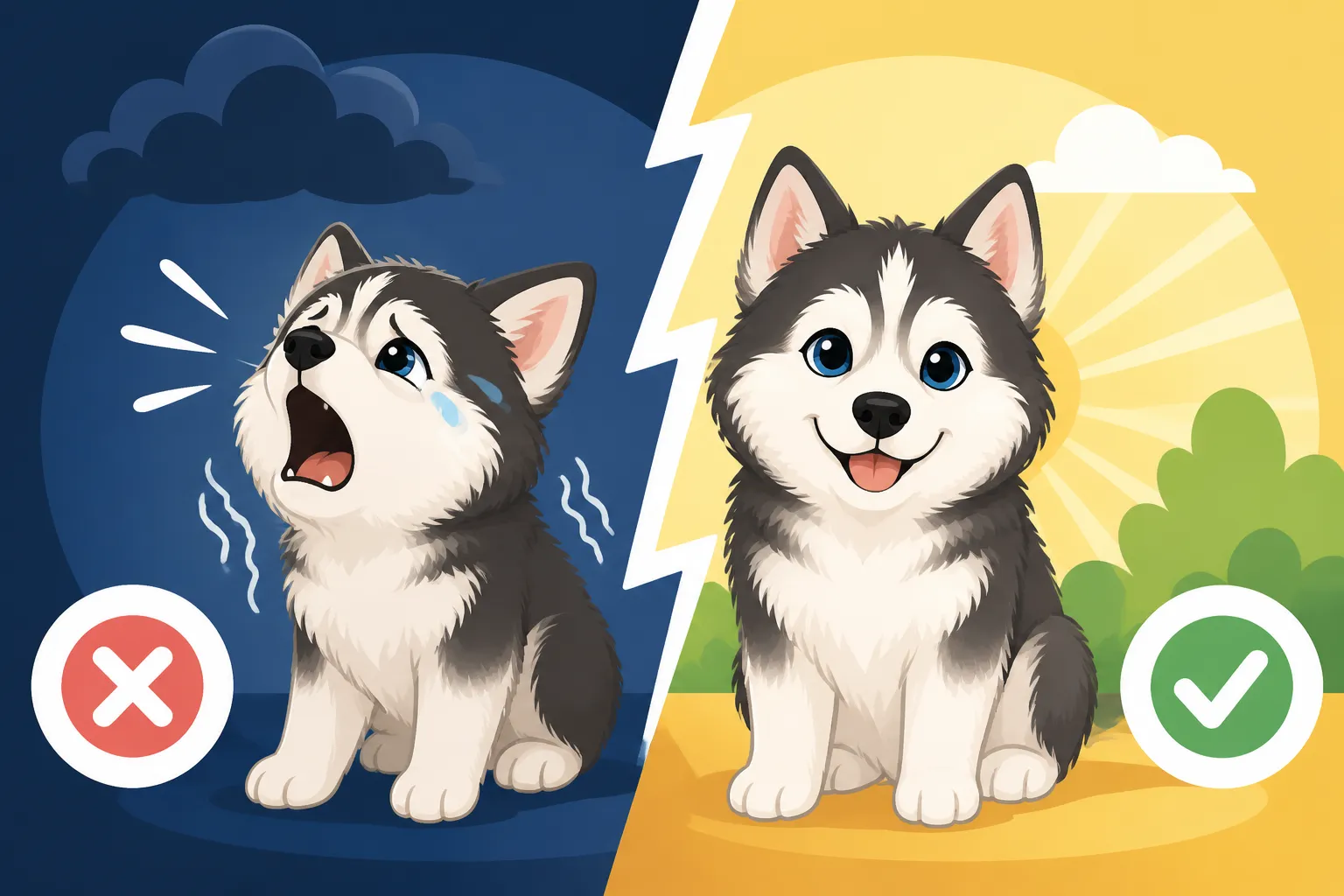
Whether a Pomsky Whines Constantly
It’s a sound that can test the patience of even the most dedicated dog parent: that insistent, high-pitched whine that seems to come from nowhere and go on forever. If you’re a Pomsky owner, or considering becoming one, you’ve likely wondered if you’re signing up for a constant chorus of pleas and protests. The truth is, Pomskies can indeed be quite vocal, and whining is definitely in their repertoire, but "constant" really depends on the individual dog and how their human family responds. This guide will help you understand why your Pomsky might be whining and, more importantly, what you can do about it.
The Vocal Nature of the Pomsky: Understanding Their Heritage
To truly understand why your Pomsky might be such a chatterbox, we need to look at their parent breeds: the Siberian Husky and the Pomeranian. Each brings a distinct vocal characteristic to the mix, and your Pomsky can inherit any combination of these traits, making for a wonderfully unique, if sometimes noisy, companion.
The Husky's Howl and Chatter
The Siberian Husky is renowned for its wolf-like howls and expressive "woo-woo" sounds, which are far more common than traditional barking. These aren't just random noises; they are complex forms of communication. Huskies use howling to connect with their pack, express joy, announce their presence, or even protest being left alone. It's a deeply ingrained instinct. You might hear a husky "talking" to you, a series of varied tones and murmurs that sound almost like they're trying to form words. They also tend to "chatter" or make soft, guttural noises when excited or content.
Imagine a scene where you've just come home, and your Pomsky greets you with a series of rising and falling "oooh-wooos" that escalate in excitement. That's pure Husky influence coming through. They are communicating their happiness and relief that you're back. This isn't usually a whine of distress, but a conversational vocalization. However, if that woo-woo turns into a mournful, drawn-out sound when you leave, that's still the Husky in them, expressing loneliness or a desire for company. The Husky Howl in a Pomsky dives deeper into these unique vocalizations.
The Pomeranian's Alert Bark and Demand Whine
On the other side of the family tree, the Pomeranian brings a different kind of vocal prowess. Pomeranians are typically much more prone to barking, often in an alert capacity. They’re small but mighty, and they see it as their job to let you know about every leaf that blows by, every squirrel that scampers past the window, or every unfamiliar sound in the hallway. This can manifest as a sharp, repetitive bark. Beyond alarm barking, Pomeranians are also known for using a distinct, high-pitched whine to demand attention or express their desires.
Think about a small Pomeranian sitting by your feet, staring intently, then letting out a little "mew-mew-meow" type whine, slowly increasing in volume and persistence until you acknowledge them or give them that treat. This is the art of demand whining, and it's a skill many Pomskies pick up very quickly. They learn that these vocal cues often get them exactly what they want, whether it’s a belly rub, a walk, or a piece of your dinner.
The Pomsky's Vocal Blend: A Mixed Bag
When you combine these two distinct vocal styles, you get a Pomsky that can be incredibly expressive. Some Pomskies might be more inclined towards the Husky's howls and "talking," while others might lean into the Pomeranian's alert barking and persistent demand whining. Many will have a delightful (or sometimes infuriating) mix of both. This means that while a "constant whine" isn't a guaranteed default setting for every Pomsky, they certainly have the genetic predisposition for it. It's not uncommon for owners to report their Pomsky uses a wide range of vocalizations, from the happy chatter to the plaintive whine, and sometimes, a piercing Whether a Pomsky Screams when they're particularly unhappy or frustrated.
It’s crucial to remember that these vocalizations are natural for them. The goal isn’t necessarily to silence your Pomsky completely, but rather to understand why they are making noise and to teach them appropriate ways to communicate, reducing excessive or unwanted whining.
Why a Pomsky Might Whine Constantly: Common Triggers
If your Pomsky seems to be whining constantly, it’s not because they’re trying to annoy you (though it can certainly feel that way!). Whining is a form of communication, and it’s usually their way of telling you something important. Unpacking the "why" is the first step to finding a solution.
Seeking Attention and Demanding Things
This is, by far, one of the most common reasons for incessant whining in Pomskies. They are intelligent, social, and often quite clever at manipulating their humans. If your Pomsky learns that a whine, even a soft one, eventually leads to your attention—whether it’s a glance, a question, a petting session, or a treat—they will absolutely use it as a tool.
Imagine you're trying to work from home, deeply focused on a task. Your Pomsky nudges your hand, you ignore it. Then comes a soft "mew." Still nothing. The whine gets a little louder, a little more insistent. You sigh, look down, and maybe even say, "What is it, buddy?" Bingo! They've won. You've just reinforced the whining. They might be demanding food, demanding to play with a specific toy, demanding to go outside, or simply demanding your undivided affection. This kind of learned behavior is tricky because it’s often inadvertently taught by us, their loving but sometimes inconsistent owners.
Boredom, Loneliness, and Lack of Mental Stimulation
Pomskies are a high-energy, intelligent breed mix. They hail from working lines, and both Huskies and Pomeranians thrive on engagement. A bored Pomsky is a destructive Pomsky, and often, a vocal Pomsky. If they aren't getting enough physical exercise or mental enrichment, that pent-up energy and intelligence needs an outlet, and whining can become one of them.
Consider a scenario: you take your Pomsky for a quick 15-minute walk, toss a ball for a few minutes, then leave them alone for hours with nothing but a few standard chew toys. It’s no wonder they might resort to whining. They are restless, under-stimulated, and possibly lonely. The howling and vocalizations of their Husky ancestors were often about communicating across distances to their pack. When they whine from boredom, it's almost like they're saying, "Hello? Is anyone out there? I'm bored!" This can quickly escalate to Whether a Pomsky Barks at Every Sound as they seek any distraction or way to get attention.
Anxiety and Stress: Separation and Fear
Whining can also be a clear indicator of underlying anxiety or stress. One of the most common forms is separation anxiety. If your Pomsky whines excessively when you leave the house, paces, destroys things, or has accidents, it's likely they are experiencing genuine distress, not just being naughty. They are truly worried about being left alone. Whether a Pomsky Suffers Separation Anxiety is a serious concern for many owners of this breed.
Other anxieties can also trigger whining. Fear of loud noises like fireworks or thunderstorms, new environments, strangers, or even specific objects can cause a Pomsky to whine as a way to express their discomfort and seek comfort from you. A Pomsky whining in the corner, tail tucked, during a thunderstorm is not trying to get attention; they are genuinely scared and looking for reassurance.
Physical Needs or Discomfort
While often overlooked when troubleshooting excessive whining, sometimes the simplest explanation is the correct one. Your Pomsky might be whining because they genuinely need something or are uncomfortable. This could include:
- Needing to go to the bathroom: The classic "potty dance" often comes with accompanying vocalizations.
- Hunger or thirst: If it's close to mealtime or their water bowl is empty, they might whine.
- Pain or illness: This is a crucial one. If whining starts suddenly, is accompanied by other changes in behavior (lethargy, limping, loss of appetite), or seems particularly distressed, it's vital to rule out medical issues. A hidden injury, dental pain, or even something like an ear infection could manifest as whining. Always contact your vet if you suspect your dog is in pain. Conditions like What Triggers Seizures in a Pomsky or Whether a Pomsky Gets Ear Infections could cause discomfort and lead to increased vocalization.
Strategies to Reduce Excessive Whining in Your Pomsky
Dealing with a whining Pomsky requires patience, consistency, and a multi-faceted approach. It’s about understanding the root cause and then systematically addressing it through training, management, and meeting their needs.
Addressing Basic Needs and Ruling Out Health Concerns
Before you even begin to think about behavioral training, you must ensure all your Pomsky's basic physical and health needs are met. This is non-negotiable.
First, schedule a vet check-up. Explain the whining to your veterinarian, especially if it's a new behavior or seems to come with other symptoms. Rule out any pain, illness, or underlying medical conditions. Once your vet gives a clean bill of health, you can confidently move on to behavioral strategies.
Secondly, critically assess your dog's daily routine. Are they getting enough potty breaks? Is their food and water consistently available at appropriate times? Sometimes, a simple adjustment to these routines can significantly reduce need-based whining. For instance, if your Pomsky whines every morning around 6 AM, consider if that's genuinely when they need to relieve themselves, and adjust your wake-up time or evening water intake if necessary.
Enrichment, Exercise, and Mental Stimulation
A tired Pomsky is often a quiet Pomsky, and a mentally stimulated Pomsky is less likely to resort to whining from boredom. This is where their Husky and Pomeranian heritage truly comes into play. Both breeds are active and intelligent, demanding more than just a short walk around the block.
- Physical Exercise: Aim for at least one good, vigorous walk or play session daily, ideally two. This doesn't just mean a leisurely stroll; it means actively engaging them. Think fetch, a brisk jog (if appropriate for their age and health), or a long sniff-walk where they can explore. The Exercise a Pomsky Needs Every Day is crucial for their overall well-being and can significantly reduce stress and boredom-induced whining.
- Mental Stimulation: This is often overlooked. Pomskies need to use their brains.
- Puzzle Toys: Invest in a variety of puzzle toys or slow feeders. These make your dog "work" for their food or treats, engaging their problem-solving skills. You can find a huge selection of interactive feeders and treat-dispensing toys on Amazon, perfect for keeping a clever Pomsky busy.
- Training Sessions: Even 5-10 minute training sessions a few times a day can be incredibly stimulating. Teach them new tricks, practice obedience commands, or try scent work. This builds their confidence and gives them a "job." Whether a Pomsky Needs a Job is a definite yes.
- Chew Items: High-quality, long-lasting chews (appropriate for your dog's size and chewing style) can occupy them for extended periods, providing a healthy outlet for their natural chewing instincts.
Training for Calmness and Independent Play
This is where you directly address attention-seeking and demand whining. The key is to teach your Pomsky that whining does not get them what they want, but calm, quiet behavior does.
- Ignore the Whine: This is hard, but critical. When your Pomsky starts whining for attention, turn your back, avoid eye contact, and do not speak to them. Wait until they stop whining, even if it's just for a second, then immediately reward the silence with praise or a calm pet. The moment the whine starts again, withdraw attention. This requires incredible consistency from everyone in the household.
- Teach a "Quiet" Cue: If your Pomsky is prone to vocalizing, teaching a specific "quiet" command can be incredibly useful. First, teach them to "speak" on cue (e.g., by holding a treat they want and saying "speak" as they vocalize). Once they reliably speak on command, you can then teach "quiet" by saying the cue after they've spoken, and immediately rewarding a moment of silence. Teaching a Pomsky a Quiet Cue takes time but is invaluable.
- Reward Calmness: Don't just react to the bad behavior. Proactively reward your Pomsky when they are quietly lying down, chewing a toy independently, or simply resting. Toss a treat their way or offer a soft compliment when they aren't demanding your attention. This reinforces the idea that calm behavior earns good things.
- Encourage Independent Play: Make sure your Pomsky has engaging toys they can play with by themselves. Rotate toys regularly to keep them interesting. Gradually increase the time they spend entertaining themselves, even if it's just for a few minutes at first.
Managing Attention-Seeking Whining
Beyond ignoring, you need to be strategic about when and how you give attention.
- Pre-emptive Attention: Instead of waiting for the whine, give your Pomsky attention before they ask for it. Initiate play, cuddles, or a training session when they are already calm and quiet. This helps break the association that whining is necessary to get your time.
- Structure Your Interactions: Decide on specific times for play and attention. Outside of these times, your Pomsky learns that they need to be patient. For example, a 15-minute fetch game, then a 30-minute quiet chew time.
- Avoid Emotional Reactions: As frustrating as it is, try not to get angry or upset when your Pomsky whines. Any reaction, even negative, is still attention, and it can reinforce the behavior. A calm, consistent response is far more effective.
- Consider Professional Guidance: If you're struggling to implement these strategies consistently or the whining is severe, an online training program like BAXTER & Bella offers structured guidance and support for various behavioral challenges, including excessive vocalization. They provide step-by-step lessons that can be followed at your own pace, addressing many of the underlying reasons your Pomsky might be whining.
When to Seek Professional Help for Your Whining Pomsky
While many cases of excessive whining can be managed with consistent training and environmental enrichment, some situations warrant professional intervention. Knowing when to reach out for expert help can save you a lot of frustration and ensure your Pomsky gets the support they need.
Persistent Whining Despite Interventions
If you've diligently applied the strategies mentioned above for several weeks or months, ensuring all basic needs are met, providing ample exercise and mental stimulation, and consistently ignoring demand whining, but your Pomsky's whining persists or even intensifies, it's time to consider professional help. This might indicate that the underlying cause is more complex or that your methods, while well-intentioned, aren't quite hitting the mark for your individual dog. Sometimes, an experienced eye can spot subtle cues or environmental factors you've missed.
Whining Accompanied by Other Problematic Behaviors
Excessive whining is rarely an isolated issue. If your Pomsky's vocalizations are coupled with other concerning behaviors, it's a strong sign that a deeper problem exists. These accompanying behaviors might include:
- Destructive Chewing: Tearing up furniture, shoes, or personal items, especially when left alone.
- Pacing or Restlessness: Constant movement, inability to settle, even when you are home.
- House-soiling: Urinating or defecating indoors, despite being house-trained, particularly when you're absent.
- Excessive Drooling or Panting: Signs of extreme stress or anxiety.
- Loss of Appetite or Changes in Eating Habits: Sometimes, stress can manifest as reluctance to eat.
These combined symptoms often point towards more significant issues like severe separation anxiety or generalized anxiety disorder, which are very difficult to address without professional guidance. For dogs exhibiting these signs, How Many Hours a Pomsky Can Be Left might be much less than you think, and they need help adjusting to solitude.
Consulting a Certified Professional Dog Trainer or Behaviorist
Don't hesitate to reach out to a qualified professional. A certified professional dog trainer (CPDT) or a veterinary behaviorist (Dip ACVB) can provide invaluable assistance.
- Certified Professional Dog Trainer (CPDT): A CPDT can assess your Pomsky's behavior in your home environment, help identify the specific triggers for their whining, and create a tailored training plan. They can teach you effective techniques for positive reinforcement, counter-conditioning, and desensitization. They’ll also show you how to implement a consistent routine that sets your Pomsky up for success. Many trainers offer virtual consultations, making it easier to access help regardless of your location.
- Veterinary Behaviorist (Dip ACVB): For severe cases, especially those involving significant anxiety, fear, or aggression, a veterinary behaviorist is the most appropriate specialist. These are veterinarians with advanced training in animal behavior. They can diagnose underlying medical or psychological conditions that contribute to behavioral problems and can prescribe medication if necessary, in conjunction with a behavioral modification plan. This integrated approach can be life-changing for dogs suffering from profound anxiety.
Seeking professional help is not a sign of failure; it’s a commitment to your Pomsky’s well-being and a recognition that some challenges require expert intervention. They can help you understand Whether a Pomsky Is Too Smart for Its Owner and channel that intelligence constructively.
Understanding your Pomsky's unique vocal landscape is key. While they may never be entirely silent, with the right approach, you can certainly reduce constant whining and foster a happier, calmer home environment for both of you.
| Whining Type | Common Cause | How It Sounds | Initial Strategy |
|---|---|---|---|
| Demand Whine | Seeking attention, food, play | Insistent, rising pitch, direct eye contact | Ignore until quiet, then reward. |
| Boredom/Frustration | Lack of stimulation | More drawn out, accompanied by pacing, sighing | Increase exercise & mental enrichment. |
| Anxiety/Fear | Separation, loud noises, new places | Trembling, pacing, wide eyes, clinginess | Identify trigger, provide comfort, desensitization. |
| Physical Need/Discomfort | Potty, hunger, pain, thirst | Sudden onset, unusual, may be persistent | Vet check, check basic needs (food, water, potty). |
| Excitement Whine | Greeting, play initiation | Happy, high-pitched, wags, body language | Acknowledge briefly, then redirect to calm behavior. |
Disclaimer
This article is for general informational purposes only and does not constitute professional advice. Laws, prices and regulations vary by location and change over time. Consult a qualified professional for guidance on your specific situation.