How Early a Pomsky Should Meet a Groomer
Bringing home a new Pomsky puppy is a whirlwind of excitement, puppy breath, and endless cuddles. But amidst all the joy, there’s often a quiet anxiety that settles in for many new owners: grooming. Those gorgeous double coats need attention, and getting your wiggly, sometimes opinionated, little furball to cooperate with a stranger holding sharp tools can feel like a Herculean task. This guide is here to walk you through exactly when and how to introduce your precious Pomsky to the world of professional grooming, turning potential stress into a positive, bonding experience.
Why Early Groomer Visits Are So Crucial for Your Pomsky
It’s easy to think, "My puppy is too small for a groomer!" or "I can handle the brushing at home for now." While at-home care is absolutely vital, delaying professional introductions can set your Pomsky up for a lifetime of grooming stress, which impacts not just their comfort but also their health. Early positive experiences are the foundation for a calm, cooperative adult dog.
Building Positive Associations from the Start
Imagine being taken to a strange place, held by a stranger, and having loud machines used on you – all without any prior warning or positive reinforcement. That's what a groomer's visit can feel like to an unprepared puppy. Puppies go through critical socialization periods, and exposing them to new experiences in a controlled, positive way during these times is paramount. A Pomsky, being a mix of two intelligent and sometimes wary breeds, benefits immensely from early, gentle introductions to everything from car rides to nail trims.
By starting young, you're teaching your Pomsky that the groomer's isn't a scary place. Instead, it's a place where gentle hands touch them, treats appear, and calm voices soothe. This isn't just about grooming; it helps them learn to trust new people and situations, a skill that will serve them well for vet visits, doggy daycare, or even just meeting new friends at the park. Remember, a stressed dog at the groomer can make the experience difficult and potentially dangerous for everyone involved, so cultivating a good relationship early is an investment in their future well-being.
Desensitization to Strange Sights, Sounds, and Smells
A professional grooming salon is a sensory overload for a young pup. There are unfamiliar smells of different dogs, shampoos, and disinfectants. There are the sounds of other dogs barking, whining, and the whirring of clippers and high-velocity dryers. The surfaces are often metal, the tubs are big and slippery, and the people are new. Without proper desensitization, any one of these elements can trigger fear and anxiety.
An early introduction allows your Pomsky to experience these things in small, manageable doses. It's about gradually letting them get used to the sounds of clippers without them touching their body initially, or standing near a dryer that's turned off, then on low, before it's ever aimed at them. This controlled exposure prevents a full-blown panic response later on. Think of it like a child visiting a dentist for a "happy visit" to get used to the chair and tools before needing a filling. It’s all about creating familiarity and reducing the unknown, turning potential threats into routine experiences.
When "Early" Actually Means: The Ideal Age for a Pomsky's First Groomer Introduction
So, you're convinced that early is good. But how early? When can you realistically bring your fluffy little land shark to the salon without overwhelming them or compromising their health? There’s a sweet spot that balances their developmental needs with practical considerations like vaccinations.
The "Puppy Trim" vs. a Full Groom
Let's be clear: a "first groomer visit" for a young puppy is rarely a full-blown bath, blow-dry, and trim session. That would be too much too soon. Instead, what you're aiming for is often called a "puppy trim" or "happy visit." This is a short, positive introduction designed to familiarize your Pomsky with the environment, the groomer, and a few basic, gentle touches.
Most vets recommend waiting until your puppy has completed their initial series of vaccinations, typically around 12 to 16 weeks of age, before exposing them to environments where they might encounter many other dogs. This is a crucial safety measure to protect them from preventable diseases. However, once those vaccines are in place and your vet gives the all-clear, it’s absolutely the right time to start those short, happy visits. The goal isn't perfection; it's exposure and praise. A good groomer understands this and will tailor the first few sessions to be brief, positive, and treat-filled. It might just be five minutes of being brushed, a quick nail clip, and lots of petting.
Preparing Your Pomsky Puppy at Home Before the Visit
Even before that first professional visit, you have a vital role to play in preparing your Pomsky at home. This isn't just busywork; it's essential pre-grooming training that will make those salon visits infinitely easier. Start from the day you bring your puppy home.
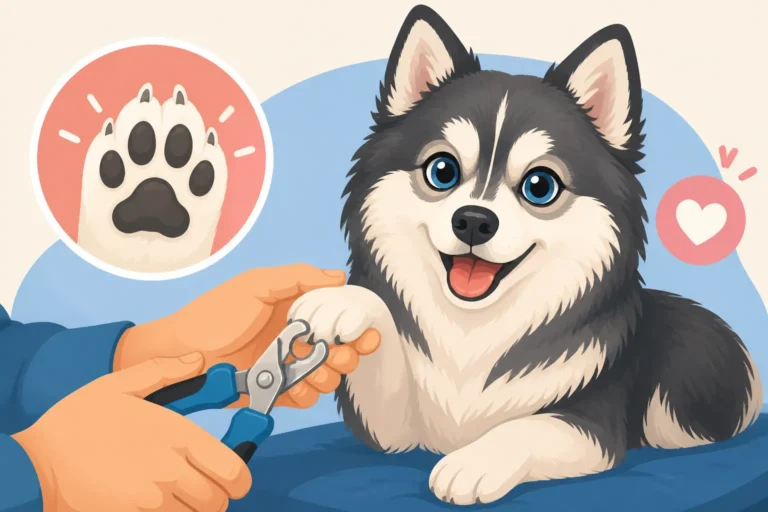
First, invest in quality grooming tools, even if you plan for professional help. A good soft brush and a fine-toothed comb are indispensable for getting your Pomsky used to the sensation of being brushed. Make brushing a daily, positive experience, pairing it with treats and gentle praise. Focus on getting them comfortable with being touched all over their body – paws, ears, tail, face, and belly. Many dogs tolerate body brushing but freak out when their paws are handled for nail trims or their ears are cleaned. Practice touching their toes, gently spreading their paw pads, and peeking inside their ears. You can find many excellent training resources online, like the BAXTER & Bella online puppy school, which often has specific modules on cooperative care and grooming desensitization.
Second, familiarize them with sounds. Turn on your hairdryer (even if you don't use it on them) to get them used to the noise. If you have a dog-specific force dryer, start by just turning it on in another room, then gradually closer. Let them associate the sound with positive things like treats or playtime. You can also simulate a grooming table by practicing on a stable, elevated surface (like a sturdy kitchen counter with a non-slip mat, always supervised), rewarding them for standing calmly. This teaches them to be comfortable with height and restraint, which are common at grooming salons. Remember, the more you do at home, the less "new" and scary the groomer's will be. For more on brushing, check out our guide on Teaching a Pomsky to Be Brushed.
What to Expect During Those First Few Groomer Encounters
Once your Pomsky has had their vaccines and some solid at-home prep, it's time for the real deal. But what actually happens during those initial visits? It's not always a seamless, perfect experience, and setting realistic expectations is key.
The "Happy Visit" or Puppy Package Approach
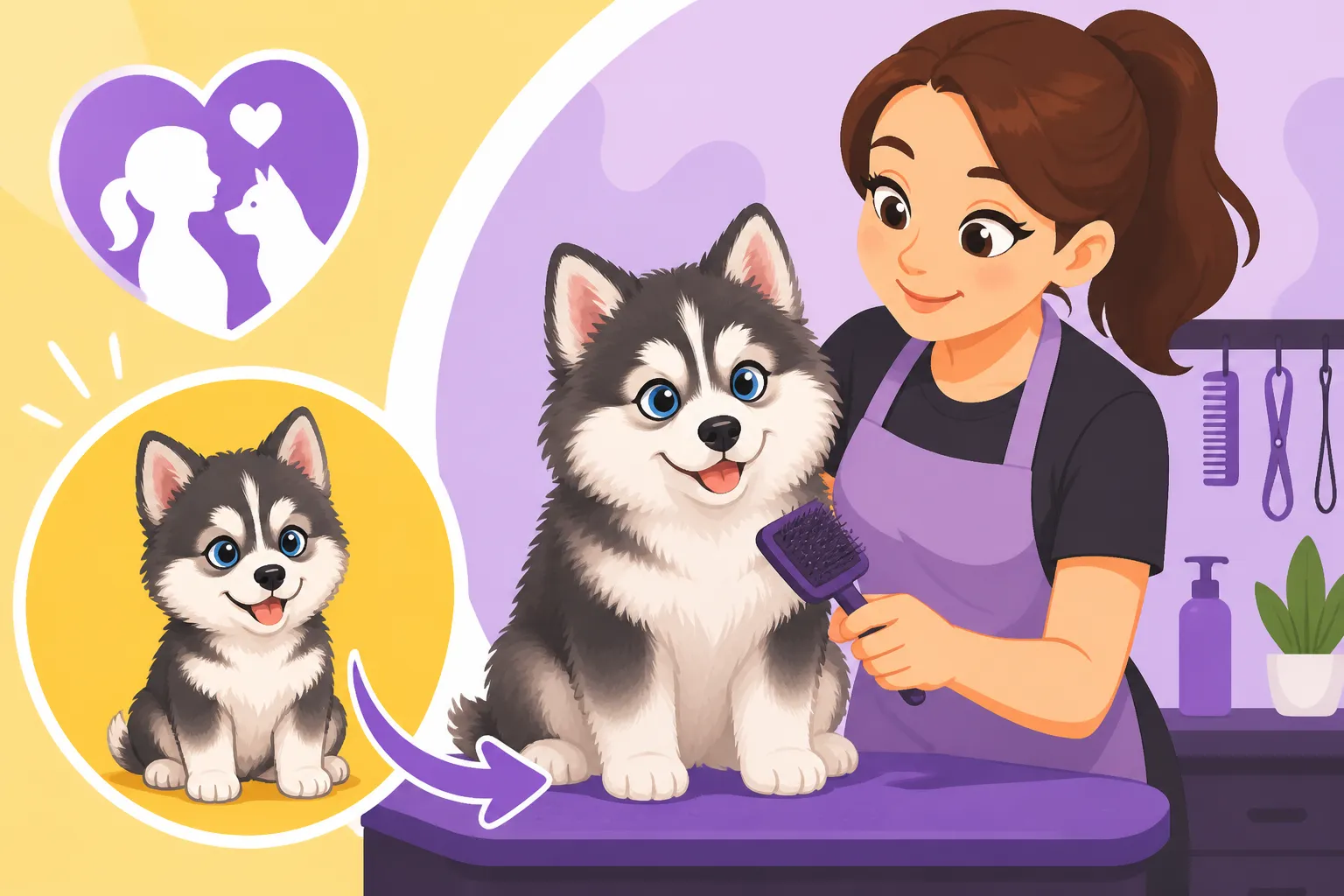
Many reputable groomers offer special "puppy packages" or "happy visits" specifically designed for young dogs. These are invaluable. Typically, these sessions are short – maybe 15-30 minutes – and focus purely on positive exposure. The groomer might start with just a gentle bath (if your puppy tolerates it), a light brush-out, a quick nail trim, and a gentle ear cleaning. The emphasis is on comfort, treats, and praise.
The groomer isn't aiming for a perfect show-ready finish. They're aiming to make your Pomsky's first experiences as stress-free as possible. They might even just let your puppy sniff around the salon, meet them briefly, and get a few treats, then send them home. These repeated, short, positive experiences are far more beneficial than one long, overwhelming session. Make sure to communicate openly with your chosen groomer about your puppy's temperament and what you've been doing at home. A good groomer will listen and adapt their approach to suit your Pomsky's individual needs.
Common Puppy Reactions and How to Handle Them
It’s important to understand that even with the best preparation, your Pomsky might not be a perfect angel during those first few visits. They might whine, try to wriggle away, or even be a little nippy. This is normal puppy behavior as they navigate new boundaries and sensations. Don't get discouraged!
Patience is your biggest tool. If your Pomsky gets overwhelmed, a good groomer will pause, offer comfort, and try again later or shorten the session. It's about gradual exposure and never pushing them past their breaking point. If your puppy has a particularly difficult time, discuss it with the groomer. They might suggest more frequent, even shorter visits, or provide tips for specific at-home practice. Remember, consistency is key. Just like potty training or learning basic commands, cooperative grooming is a skill that takes time, repetition, and unwavering positive reinforcement. It's a marathon, not a sprint, and every small step forward is a victory.
Long-Term Benefits of Early Grooming Socialization
While it might feel like a lot of effort upfront, putting in the work for early grooming socialization will pay dividends throughout your Pomsky's entire life. It's not just about a clean coat; it's about their overall health, happiness, and your peace of mind.
Stress-Free Grooming Throughout Your Pomsky's Life
Imagine never having to dread your Pomsky's grooming appointments. Picture them walking into the salon with a wagging tail, eager to see their groomer friends. This isn't a fantasy; it's the reality for dogs who've had consistent, positive grooming experiences from a young age. A dog that is comfortable with grooming will be less stressed, and therefore safer, during the process. This means less likelihood of accidental nicks or cuts from a struggling dog, and a much more pleasant experience for both your Pomsky and the groomer.
Beyond the salon, a well-socialized Pomsky will also be more cooperative with at-home brushing, nail trims, and ear cleanings – tasks that are crucial for their health between professional appointments. This ease makes these necessary routines less of a chore and more of a bonding experience. It truly transforms what could be a lifelong struggle into a routine, stress-free part of their care.
Health Implications: Spotting Issues Early On
Groomers often act as a second set of eyes on your dog's health. During a thorough grooming session, they spend significant time inspecting your Pomsky's skin, coat, ears, and paws. This close scrutiny can lead to early detection of various health issues that you might miss at home.
For instance, a groomer might be the first to spot a new lump or bump, a skin irritation developing under that thick double coat, signs of an ear infection, or even dental problems that become apparent when they handle your dog's muzzle. They can also identify matting that's starting to form deep in the undercoat, which can be painful and lead to skin infections if left untreated. Catching these issues early often means they are easier and less costly to treat. Regular grooming, therefore, isn't just about aesthetics; it's a vital part of preventative health care. Knowing the general costs of ongoing care can be helpful; for more details, see What Grooming a Pomsky Costs a Year. The groomer can alert you to a concern, and then you can discuss it with your veterinarian. This partnership between you, your groomer, and your vet creates a comprehensive wellness plan for your furry family member.
Here's a quick overview of the ideal timeline for introducing your Pomsky to grooming:
| Age/Stage | Activity | Focus |
|---|---|---|
| 8-12 Weeks (at home) | Daily gentle brushing (soft brush/comb) | Positive association, gentle handling of paws, ears, mouth. Treats & praise. |
| Exposure to hairdryer sounds (distant then closer) | Desensitization to noise. | |
| Practice on elevated surface (mock grooming table) | Comfort with height and restraint. | |
| 12-16 Weeks (with vet OK) | First "Happy Visit" to Groomer | Short, positive intro to salon environment. Minimal service (e.g., quick brush, 1-2 nails clipped, lots of treats). |
| 16 Weeks – 6 Months | Continue "Happy Visits" / short puppy grooms (every 3-4 weeks) | Gradually increase duration and services (e.g., full nail trim, ear cleaning, light sanitary trim). Maintain positivity. |
| Consistent at-home brushing (daily to every other day) | Maintain coat health, reinforce cooperative behavior. | |
| 6 Months + | Regular full grooms (every 4-8 weeks, depending on coat type) | Routine maintenance, full bath, blow-dry, brush-out, trim as needed. |
Introducing your Pomsky to professional grooming early on is one of the kindest and most responsible things you can do for them. It might seem like a small detail in the grand scheme of puppyhood, but it lays a crucial foundation for a lifetime of comfortable, stress-free care. By prioritizing positive experiences, patience, and consistency, you’re not just ensuring a beautiful coat; you’re fostering a happy, well-adjusted companion who trusts you and the world around them.
Disclaimer
This article is for general informational purposes only and does not constitute professional advice. Laws, prices and regulations vary by location and change over time. Consult a qualified professional for guidance on your specific situation.