Teaching a Pomsky to Have Its Nails Done
If you're a Pomsky owner, you know the nail trim struggle is real. It can feel like an Olympic wrestling match, with yelps, frantic pulling, and a genuine fear in your beloved pup's eyes. Many of us dread this essential grooming task, and it often leads to neglected nails and even more stress. But don't despair! This guide is here to walk you through how to gently and effectively teach your Pomsky to not just tolerate, but actually accept having their nails done, turning a dreaded chore into a manageable routine.
Understanding Why Nail Trims Are So Difficult for Pomskies
It's easy to feel frustrated when your Pomsky turns into a furry, squirming noodle at the sight of nail clippers. You might wonder why your dog is so dramatic. The truth is, there are some very good reasons why nail trims are often a source of contention, especially for a breed like the Pomsky, which brings together two very distinct personalities.
The Husky and Pomeranian Instincts at Play
Think about the parent breeds that make up your adorable Pomsky. On one hand, you have the Siberian Husky – known for its independent spirit, intelligence, and often a stubborn streak that can make training a delightful challenge. Huskies aren't typically keen on being held still or having their feet manipulated, especially if they perceive it as an invasion of their personal space or a restriction of their freedom. They're built for endurance and movement, not for passive grooming sessions.
Then, you have the Pomeranian – a small, spirited, and often highly sensitive breed. While Poms can be incredibly affectionate, their small size sometimes means they're not handled as firmly or consistently as larger dogs from a young age. They can develop a protective instinct around their bodies or become easily overwhelmed by perceived threats, and a giant pair of clippers coming at their tiny toes can certainly feel threatening. Your Pomsky, being a blend of these two, can inherit a strong aversion to restraint, a keen sense of self-preservation, or a combination of both. It’s not necessarily defiance; it’s often a deep-seated instinct or fear. This blend of traits is also why sometimes getting a Pomsky to simply cooperate with grooming tasks like Teaching a Pomsky to Be Brushed can be a major undertaking.
The "Quick" and the Trauma of Past Experiences
One of the biggest culprits behind nail trim aversion is the "quick." Inside each of your Pomsky's nails is a blood vessel and a nerve, collectively known as the quick. If you cut into the quick, it's painful, it bleeds, and it creates a lasting negative association. Just one bad experience where the quick is nicked can set back weeks or months of positive training. Your Pomsky remembers that sharp pain, the sudden pressure, and the bleeding. Next time the clippers come out, they're not just reacting to the tool; they're anticipating that pain again.
This is why many dogs, not just Pomskies, develop such strong resistance. Their memory of pain is powerful, and their instinct is to avoid anything that caused it. This memory can override any positive feelings they might have towards you, creating a real challenge for even the most patient owner. It's a testament to their intelligence and their natural protective mechanisms.
Early Socialization and Handling Missed Opportunities
The foundation for good nail care, like many other aspects of a dog's life, is laid during puppyhood. If a Pomsky puppy isn't consistently handled – having their paws touched, nails gently squeezed, and being exposed to the sound and sight of clippers – they can grow up wary of the process. Breeders and new owners sometimes overlook the importance of these early handling exercises, especially if the puppy isn't showing immediate resistance.
A missed opportunity in early socialization can mean you're playing catch-up later on. While it's certainly possible to teach an older Pomsky to accept nail trims, it often requires more patience and a slower, more deliberate approach than if they had been conditioned from eight weeks old. This is similar to the challenges faced when trying to establish a rock-solid Recall on a Pomsky Bred From a Dog That Runs, where early, consistent training makes all the difference.
Essential Tools and Creating a Positive Environment
Approaching nail trims with the right tools and a thoughtfully prepared environment can make a world of difference. It's not just about the act of cutting or grinding; it's about making the entire experience as pleasant and stress-free as possible for your Pomsky.
Choosing the Right Nail Trimmers or Grinders
This is where personal preference for both you and your Pomsky comes into play. There are two main categories of tools: clippers and grinders.
Clippers:
- Guillotine-style: These have a small hole where you insert the nail, and a blade slides across to make the cut. They are often good for quick, clean cuts but can be intimidating and require precision to avoid the quick.
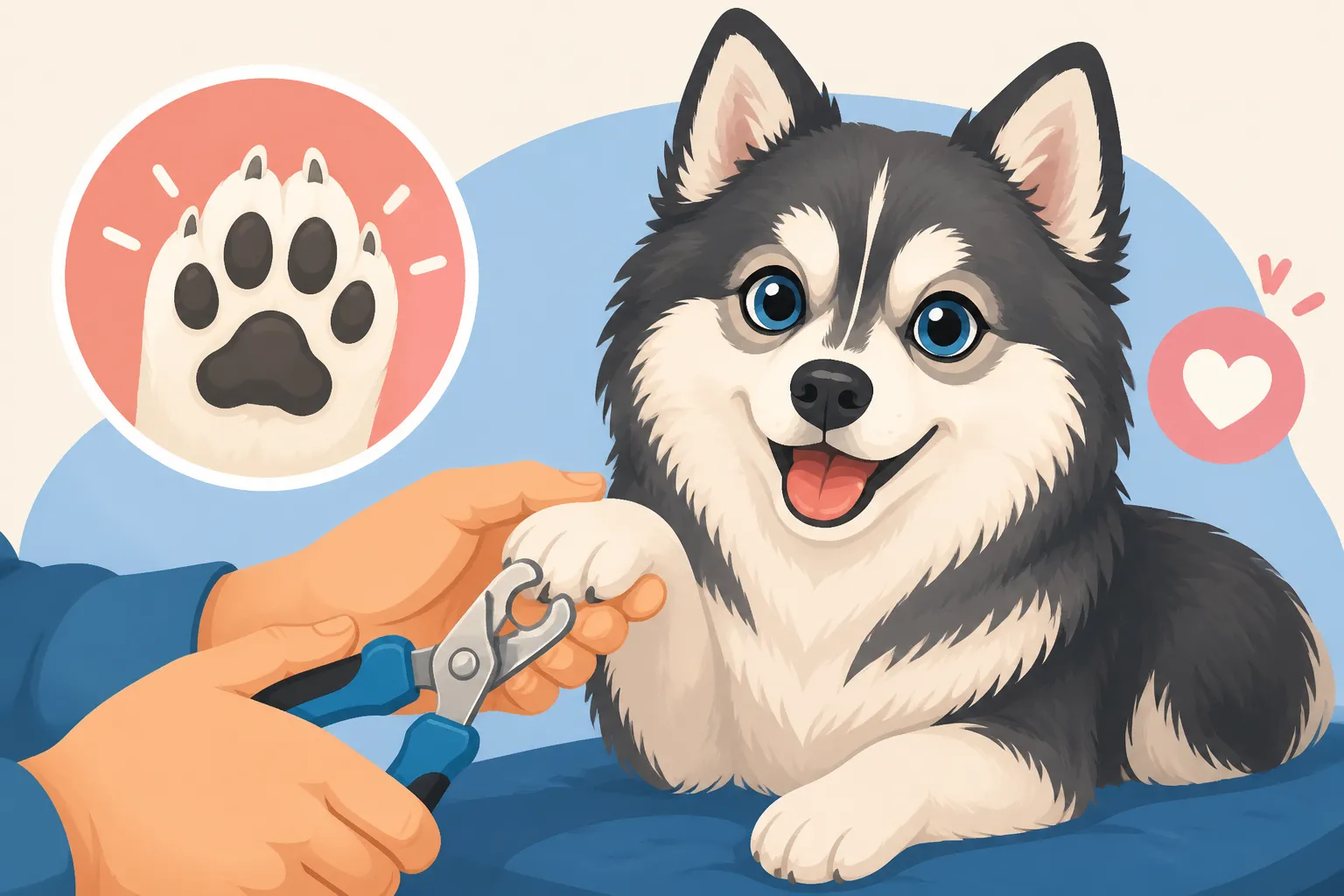
- Scissor-style: These look more like traditional scissors, with blades that come together. Many owners find these easier to handle, especially for smaller nails or dogs who are a bit squirmy, as they offer more control.
The key with clippers is to ensure they are sharp. Dull clippers can crush the nail, causing pain and making the experience even worse. You can find a good selection of quality, sharp clippers on platforms like Amazon, often with ergonomic handles to make it easier for you to grip.
Grinders (e.g., Dremel-style tools):
- These tools use a rotating abrasive head to file down the nail. Many dogs tolerate grinders better than clippers because there's no sharp "snip" sensation. It's a gradual process, which can reduce the risk of hitting the quick if done carefully. The downside is the noise and vibration, which can be unsettling for some dogs.
- If your Pomsky is sensitive to sounds, you might need extra desensitization to the grinder's noise. Start by turning it on in another room, then gradually closer, offering treats, before ever touching their paw with it. Some newer models are designed to be quieter, which can be a huge benefit for noise-sensitive pups.
Ultimately, experiment to see which your Pomsky tolerates best. Some dogs prefer the quick snip of clippers, while others prefer the steady hum of a grinder. It’s a very individual decision, and it’s okay if you start with one and switch to the other.
The Power of High-Value Treats and Positive Reinforcement
This isn't just a suggestion; it's a non-negotiable part of successful nail training. High-value treats are those irresistible morsels your Pomsky adores – think small pieces of cooked chicken, cheese, peanut butter (xylitol-free!), or specialized training treats. These aren't their everyday kibble; these are the special rewards reserved for nail time.
Every positive interaction, no matter how small, must be immediately followed by a high-value treat and enthusiastic praise. Did they let you touch a paw? Treat! Did they tolerate the clippers being near them? Treat! This is called counter-conditioning: changing a negative emotional response to a positive one. You want your Pomsky to associate nail time with delicious rewards, not fear or discomfort. This is similar to how you’d use positive reinforcement to manage a Pomsky that displays The Husky Howl in a Pomsky when bored or anxious – you reward calm, quiet behavior.
Setting Up a Calm and Safe Space
The environment you choose for nail trims is just as important as the tools and treats. Pick a quiet spot in your home where your Pomsky feels safe and secure, free from distractions like other pets, loud noises, or people walking by.
Consider using a non-slip mat or a special blanket for these sessions. This creates a designated "happy place" for grooming. If your Pomsky associates this mat with positive, treat-filled experiences, it can help signal to them that it's time for calm, rewarded behavior. Dim the lights if it helps them relax, play some soft music, or just ensure the space feels serene. For dogs that are particularly anxious, ensuring they've had their daily dose of The Exercise a Pomsky Needs Every Day before a grooming session can also help them be more relaxed and receptive. A tired Pomsky is often a calmer Pomsky.
Step-by-Step Desensitization and Counter-Conditioning
This is where the real work begins, and patience is your most important tool. We're breaking down the daunting task of nail trimming into tiny, manageable steps, slowly building positive associations. Remember, the goal is to go at your Pomsky's pace, always stopping before they get stressed.
Phase 1: Handling Paws and Touching Feet
Before you even think about bringing out the clippers, your Pomsky needs to be completely comfortable with you touching and manipulating their paws. This might sound simple, but for many dogs, it's a big hurdle.
- Start Gentle: Begin by simply touching your Pomsky's shoulder or leg. As soon as they allow it without pulling away, give a high-value treat and praise. Repeat this several times a day in short sessions.
- Move Down the Leg: Gradually work your way down their leg towards their paw. Each time your hand gets closer without resistance, reward. If they pull away, go back to the last step they tolerated and try again more gently.
- Hold a Paw Briefly: Once they're okay with you touching their paw, gently pick it up and hold it for just a second. Immediately release and treat. Slowly increase the duration you hold the paw.
- Manipulate the Toes: With their paw in your hand, gently touch each toe. Then, gently press on the pad of each toe, simulating how you'd position the nail for trimming. This is crucial as it prepares them for the pressure of holding the toe while clipping. Reward every step. Remember that even a vocal dog who tends to Whether a Pomsky Argues Back can be persuaded with consistent, positive handling.
Phase 2: Introducing the Tools and Sounds
Now that your Pomsky is okay with paw handling, it’s time to introduce the "scary" objects. This phase is all about creating positive associations with the clippers or grinder without actually using them to trim a nail.
- Visual Introduction: Place the clippers or grinder on the floor a few feet away from your Pomsky. Let them sniff it if they're curious. Every time they look at it calmly, or even ignore it, reward. The goal is for them to see the tool and think "treats!"
- Proximity Training: Gradually bring the tool closer to your Pomsky. Place it next to them, then near their paw. If they remain calm, treat. If using a grinder, turn it on in another room so they hear the sound from a distance, then slowly closer, always pairing the sound with treats.
- Touch the Tool to the Paw: Without actually trimming, gently touch the closed clippers or the off grinder to their paw, then quickly remove and treat. Repeat this many times, moving the tool closer to their nails, but still just touching, not cutting. For a grinder, briefly touch the off grinder to the nail, then treat. Then, with the grinder on, briefly touch it to just one nail, pull away immediately, and treat. The key is to keep it super short and positive. This is similar to training a dog to accept other sensations, like getting them used to a What a Force Dryer Costs for a Pomsky during grooming.
Phase 3: The First Snips or Grinds
This is the moment of truth. Keep these sessions extremely short and positive. The goal isn't to get all nails done in one go; it's to take off a tiny bit, build confidence, and end on a good note.
- Just the Tip: Hold a paw, isolate one nail, and just snip the very tiniest tip of one nail. It should be so little that you're absolutely nowhere near the quick. Immediately follow with a super high-value treat and enthusiastic praise.
- One Nail at a Time: For the first few sessions, aim for just one nail per session. Yes, seriously! One nail, lots of treats, then you're done. Let them go. This teaches them that nail time is short, rewarding, and not scary. Over time, as their comfort grows, you can gradually increase to two, then three nails, and so on.
- Positive Association: The moment you finish, give them a jackpot of treats and a brief play session. You want the end of the nail trim to be the best part of their day. This positive association helps build anticipation for the next session. This meticulous approach is key for building trust, and it’s important to remember that for a Pomsky, consistency in these small efforts can really reduce general anxiety, just as it’s important to understand Whether a Pomsky Copes With an Empty House and prevent separation stress.
What to Do If You Nick the Quick (It Happens!)
No matter how careful you are, hitting the quick can happen. It's disheartening, painful for your dog, and can set back your training. But it's not the end of the world.
- Stay Calm: Your Pomsky will react to your energy. If you panic, they will too.
- Apply Styptic Powder: Have styptic powder (available at any pet store or Amazon) or even cornstarch readily available. Apply firm pressure to the bleeding nail with the powder until the bleeding stops.
- Apologize and Comfort: Gently soothe your Pomsky. Don't scold them. Offer comfort and a favorite treat after the bleeding has stopped.
- Take a Break: Do not attempt any more nails for that session. Let them recover. Resume desensitization training from an earlier phase (e.g., just touching paws) and work your way back up very slowly. It might take a few weeks for them to trust you again, but with consistent positive reinforcement, you can rebuild that trust.
Maintaining Progress and Troubleshooting Common Issues
Getting to a place where nail trims are manageable is a huge achievement, but it's not a "one and done" situation. Consistency, vigilance, and knowing when to ask for help are crucial for long-term success.
Consistency is Key: Integrating Nail Care into Routine
Regularity is the absolute secret weapon when it comes to maintaining your Pomsky's comfort with nail trims. Don't wait until their nails are overgrown and causing discomfort; aim for frequent, short sessions.
For most Pomskies, this means a quick trim or grind every 1-2 weeks. This schedule not only keeps their nails at a healthy length, preventing problems like splayed toes or pain when walking, but it also keeps the quick from growing out too long. When you trim frequently, the quick recedes, making it easier to take off more nail without incident. This regular attention to grooming is a vital part of What a Pomsky Needs Daily, ensuring their overall health and well-being. Keeping up with this routine prevents dramatic, lengthy sessions that only serve to reinforce negative associations. Think of it as just another regular part of their care, like their daily walk or meal times.
When Professional Help is Needed
There are absolutely no awards for doing everything yourself, especially if it's causing immense stress for both you and your Pomsky. If, despite your best efforts with desensitization and positive reinforcement, your Pomsky remains highly anxious, aggressive, or genuinely dangerous during nail trims, it's time to call in the cavalry.
- Veterinarian: Your vet can often perform nail trims quickly and safely, sometimes even with a mild sedative if necessary for severely anxious dogs. They can also rule out any underlying pain or medical issues that might be contributing to the resistance.
- Professional Groomer: Many groomers are skilled in handling difficult dogs and have techniques and tools that might work better. They can offer insights, tips, or even demonstrate how to do it safely. If you’ve ever wondered Whether a Pomsky Bites the Groomer, this is precisely why some dogs need professional handling.
- Certified Professional Dog Trainer (CPDT) or Veterinary Behaviorist: For extreme cases of fear or aggression, a behavior professional can develop a tailored modification plan. They can help identify triggers, teach you advanced handling techniques, and even work with you on specific counter-conditioning protocols. Sometimes, a Pomsky needs more than just basic training, and Whether a Pomsky Needs a Professional Trainer becomes a very valid question for specialized issues like nail phobia.
Addressing Resistance and Fear
Even with consistent training, you might encounter days when your Pomsky just isn't having it. Understanding their body language and knowing when to back off is crucial.
- Read the Room (and Your Dog): Look for signs of stress: lip-licking, yawning (when not tired), turning their head away, tensing up, wide eyes ("whale eye"), panting, tail tucked, or trying to pull away. If you see these, you've pushed too far, too fast.
- End on a Good Note: Always try to end the session before your Pomsky becomes truly stressed or reactive. If they tolerate even one gentle touch, reward heavily and stop. This reinforces the idea that cooperating (even a little) leads to a positive outcome and the session ending.
- Go Back a Step: If they're regressing, don't be afraid to go back to an earlier phase of desensitization. Maybe they need more sessions of just hearing the clippers or having their paws touched before moving on to actual trimming.
- Don't Force It: Forcing a dog into a procedure when they are terrified can damage your bond and make future sessions even harder. It teaches them that their fear is ignored. Instead, take a break, reassess, and approach it differently next time. For some dogs, this might mean a gradual process over months or even a year, but the goal is always a positive experience. Just as it's important to know How Often a Pomsky's Nails Need Cutting for their physical health, it's equally important to manage the emotional aspect of the process.
| Feature | Nail Clippers | Nail Grinder |
|---|---|---|
| Method | Snips off a portion of the nail | Files down the nail gradually |
| Speed | Generally faster per nail | Slower, but allows for more precision |
| Sound/Vibration | Quiet "snip" sound | Can be noisy and vibrate |
| Risk of Quicking | Higher if not careful or dog moves unexpectedly | Lower if used carefully, easier to avoid quick |
| Learning Curve | Easier for owner to learn basic use | Can take more practice to master technique |
| Best For | Dogs tolerant of quick snips; dark nails | Dogs averse to clippers; light-colored nails |
| Pros | Quick, clean cuts (if sharp) | Smooth finish, less risk of quicking, quick recedes faster |
| Cons | Risk of quicking, can be intimidating | Noise/vibration can scare dogs, takes longer |
Disclaimer
This article is for general informational purposes only and does not constitute professional advice. Laws, prices and regulations vary by location and change over time. Consult a qualified professional for guidance on your specific situation.