Whether a Pomsky Guards Its Food
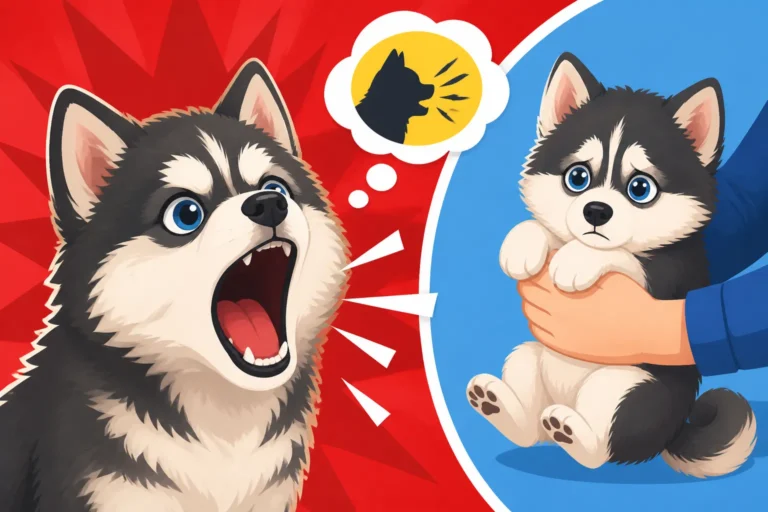
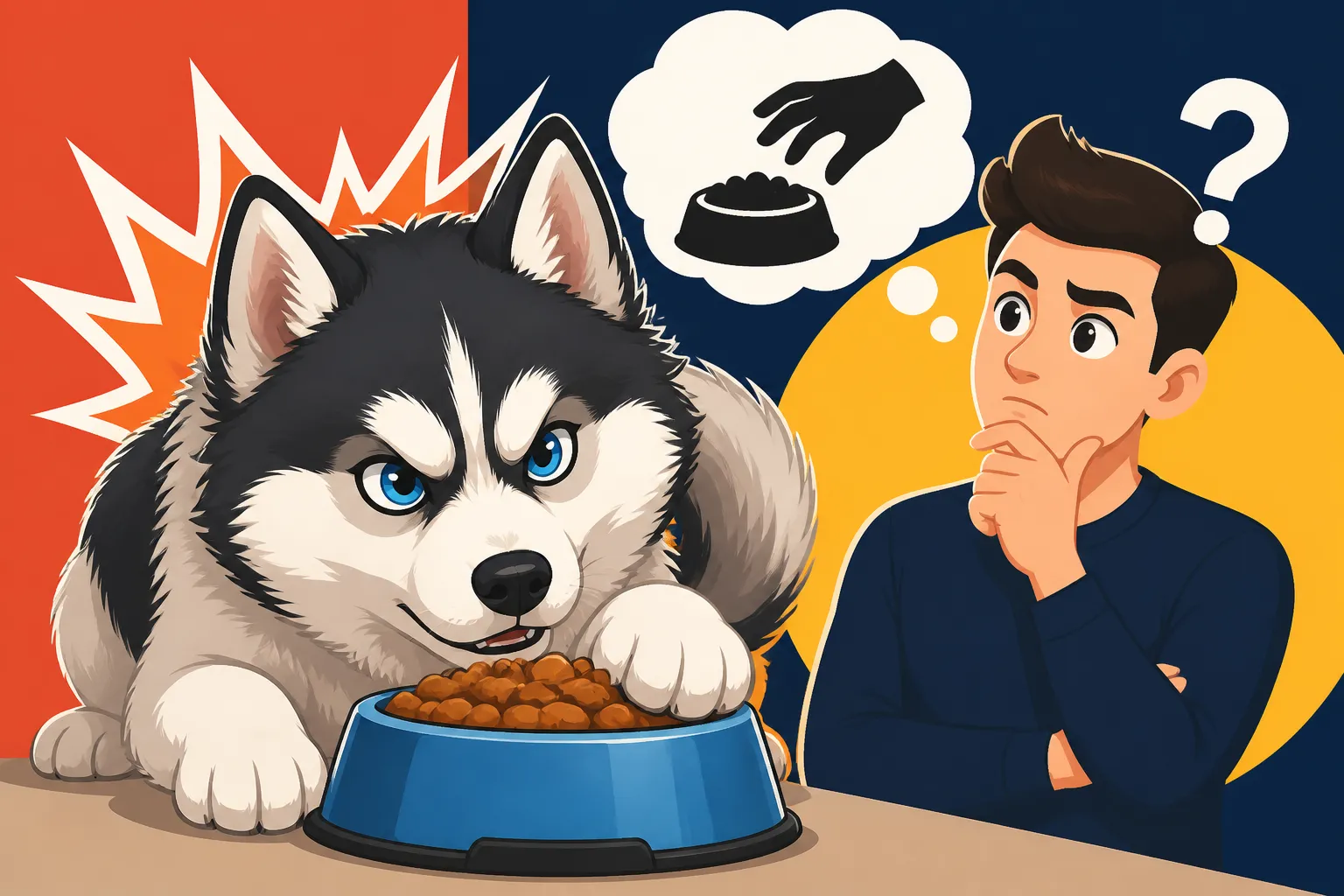
The sight of your adorable Pomsky puppy turning into a snarling, protective little beast over their dinner can be truly unsettling and frankly, a bit scary. It's a common worry for many dog owners: will my beloved Pomsky guard its food? This comprehensive guide will walk you through understanding why this behavior might emerge, how to spot the early warning signs, and crucially, how to prevent and manage food guarding to ensure a safe and happy household for everyone.
Understanding Food Guarding: Why Your Pomsky Might Do It
Food guarding, also known as resource guarding, is a natural canine behavior where a dog protects items it perceives as valuable from others. While it might seem aggressive, it's often rooted in a dog's natural instinct for survival. For Pomskies, a breed that combines the traits of the Siberian Husky and the Pomeranian, this behavior can manifest in various ways, influenced by their genetic predispositions and early life experiences.
The Ancestral Echo: Survival Instincts
Think about the wild ancestors of dogs. Resources like food were scarce, and protecting them was vital for survival. While our pampered pets don't face the same threats, that ingrained instinct remains. When a dog guards its food, it's essentially saying, "This is mine, and I need it to survive." It’s not necessarily a sign of malice or aggression, but rather a deeply wired protective mechanism. This primal urge can be stronger in some dogs than others, often tied to their genetic makeup. A Pomsky might inherit a heightened sense of self-preservation from its Husky lineage, which historically would have needed to fend for itself and its pack.
Breed-Specific Influences: Husky and Pomeranian Traits
Both the Siberian Husky and the Pomeranian can bring unique characteristics to the Pomsky that might influence resource guarding. Huskies, known for their independence and sometimes selective hearing, can be very food motivated and might naturally exhibit guarding if they feel their meal is threatened. Pomeranians, on the other hand, while small, often possess a feisty, "big dog in a small body" attitude. They can be territorial and possessive, especially over valued items. When these two temperaments mix in a Pomsky, you can get a dog with a strong personality that feels quite justified in defending its dinner bowl or even a prized chew toy. This isn't to say all Pomskies will guard, but the potential is certainly there, and understanding these root influences helps us approach the behavior with empathy and strategy.
Environmental Factors and Early Experiences
Beyond genetics, a Pomsky's environment and early experiences play a huge role. Puppies who have to compete fiercely for food in large litters, or those who weren't properly socialized around food, are more prone to guarding. If a puppy was routinely snatched away from its bowl, had its food taken without warning, or was teased during meal times, it might learn to anticipate conflict and become defensive. Conversely, a puppy raised in a calm, structured environment where food is consistently provided without perceived threat is less likely to develop guarding behaviors. Even things like inconsistent feeding schedules or a perceived scarcity of food can contribute. It’s a classic case of nature and nurture working together, and it underscores why early, positive food associations are so critical for Raising a Pomsky Puppy.
Spotting the Red Flags: Early Signs of Food Guarding in Your Pomsky
Food guarding isn't usually an overnight phenomenon where your sweet pup suddenly turns into a Cujo. It typically starts with subtle cues that escalate over time if not addressed. Being able to recognize these early warning signs is key to intervening effectively before the behavior becomes entrenched or dangerous.
Subtle Indicators: The Silent Language of a Worried Dog
Sometimes, the earliest signs are barely noticeable, a dog's way of communicating "I'm uncomfortable" without resorting to overt aggression. These can include a stiffening of the body as you approach their food, a sudden pause in eating while they watch you, or a quick shift of their body to cover their bowl more. They might eat faster, gulping down their food as if to finish before you can get to it. You might notice their ears flattening slightly, or their eyes darting nervously in your direction. These are all subtle ways your Pomsky might be trying to tell you, "Please don't come closer to my food." Ignoring these signals teaches your dog that their subtle warnings aren't effective, potentially leading them to escalate to clearer signs.
Escalating Signals: From Growls to Snaps
If the subtle warnings are ignored or misunderstood, a Pomsky may escalate its communication. The next stage often involves more obvious displays:
- Growling: A low, rumbling sound from deep in the throat, clearly indicating "Stay away."
- Baring teeth: The lips curl back, exposing teeth, often accompanied by a growl. This is a clear threat display.
- Snapping: A quick, open-mouthed bite that doesn't make contact or barely nips the air as a warning.
- Lunging: A sudden forward movement towards the perceived threat, designed to scare them off.
It's crucial to understand that these aren't "bad" behaviors, but rather intense communication. Your dog is feeling threatened and is trying to avoid a confrontation. Punishing a growl, for example, can teach a dog not to warn you, making a bite more likely to come without any prior notice. We want our dogs to growl, because it gives us fair warning.
What Resource Guarding Looks Like with Different Items
While "food guarding" is the common term, Pomskies can guard any item they value. This could be their favorite squeaky toy, a high-value chew, a comfy bed, or even a spot on the couch. The behaviors are generally the same, but the object of their protection changes. A Pomsky might guard a prized bone from another dog in the household with the same intensity it guards its dinner from a human. Even unexpected items, like a stolen sock or a dropped remote, can become temporary high-value resources. It’s not just about the type of item, but how much the dog values it at that moment. Understanding this helps you predict and prevent guarding behavior across different contexts.
Here's a quick look at the progression of guarding behavior:
| Behavior Stage | Description | Meaning | What to Do |
|---|---|---|---|
| Subtle Warning | Freezing, eating faster, body stiffening, quick glances, covering food. | "I'm uncomfortable. Please don't approach my food." | Give space, avoid confrontation, start prevention training. |
| Clear Warning | Growling, baring teeth, snapping in the air. | "I feel threatened. Stay away or I will defend this." | Stop approaching, remove yourself calmly, seek professional help. |
| Contact Bite | Nipping, biting with pressure, potentially breaking skin. | "My warnings were ignored. I must defend myself physically." | Immediately seek professional help from a certified behaviorist. |
Building Trust, Preventing Guarding: Proactive Steps for Your Pomsky
The best defense against food guarding is a good offense: prevention. By building a strong foundation of trust and positive associations around food from the moment you bring your Pomsky home, you can significantly reduce the likelihood of this behavior developing.
Positive Reinforcement and "Trade Up" Games
Start by making your presence around your Pomsky's food a positive thing, not a threat. While your puppy is eating, don't just walk by. Toss an even tastier treat (like a tiny piece of cooked chicken or cheese) into their bowl from a short distance away. This teaches them that humans approaching their food means more good things, not taking things away. Gradually, you can decrease the distance.
Another fantastic technique is the "trade up" game. If your Pomsky has something they shouldn't, or even just a chew toy, offer them something even better. For example, if they have a standard bone, offer a high-value bully stick or a piece of chicken. As they drop the first item for the more desirable one, praise them and then give them the new item. This teaches them that giving something up means they get something better in return, fostering trust and willingness to relinquish items. This is also super helpful for preventing a Pomsky that destroys furniture when bored or picks up dangerous items.
Creating a Safe Eating Environment
Ensuring your Pomsky feels secure while eating is paramount. This means giving them a quiet, designated space where they won't be disturbed by children, other pets, or even well-meaning adults. Consider using a crate for feeding, or a specific corner of the room that's usually calm. If you have multiple pets, feed them in separate rooms to eliminate competition. Even if they seem fine, preventing potential conflicts is always best. A simple dog gate, available on platforms like Amazon, can be a lifesaver for creating these safe zones during meal times. Provide all meals in a regular routine, so your Pomsky knows when and where to expect food, reducing anxiety around scarcity. Consistency is key for The Meal Schedule a Pomsky Puppy Needs.
Teaching "Leave It" and "Drop It"
These two commands are invaluable for preventing and managing resource guarding. "Leave It" teaches your Pomsky to ignore an item, while "Drop It" teaches them to release something already in their mouth. Start teaching these commands in low-distraction environments with low-value items, gradually increasing the difficulty and value of the items. For "Drop It," use the "trade up" method mentioned earlier. Say "Drop It," offer a superior treat, and when they drop the item, give them the treat. Once they consistently drop the item, you can return their original item to them after a few seconds of praise (if appropriate), reinforcing that "drop it" doesn't mean "lose it forever." BAXTER & Bella's online puppy training courses often cover these foundational commands in depth, providing structured guidance.
Handling and Desensitization Around Food
From puppyhood, gently accustom your Pomsky to having you near their food. Start by simply walking by their bowl. Then, progress to standing closer, then placing your hand near the bowl without touching it, always tossing a treat into the bowl as you do so. Eventually, you can gently touch the bowl, then briefly lift it (again, always with a treat reward for calm behavior). The goal is to create a positive association, so they learn that your hands near their food bring good things. Never take the food away without replacing it with something even better. This careful desensitization is crucial, especially for breeds like the Pomsky who can be sensitive to perceived threats.
Managing Resource Guarding: Strategies for an Adult Pomsky
If your adult Pomsky is already exhibiting resource guarding behavior, it's a more challenging situation than prevention, but it's absolutely manageable with patience, consistency, and often, professional guidance. The goal is to change your dog's emotional response from fear and defensiveness to comfort and trust when you approach their valued items.
Professional Guidance: When to Call for Help
If your Pomsky's guarding behavior involves growling, snapping, or any form of biting, it's time to bring in a certified professional dog trainer or a veterinary behaviorist. Resource guarding can be dangerous, and trying to handle severe cases on your own without expert knowledge can accidentally worsen the problem or put you at risk. A professional can assess the specific triggers and severity of your Pomsky's guarding, and then develop a tailored behavior modification plan. They can guide you through the process safely, ensuring both you and your dog remain secure while working through the issues. Remember, your safety is paramount.
Management: Preventing Incidents
While you're working on behavior modification, managing the environment to prevent guarding incidents is critical. This means:
- Separate feeding: Feed your Pomsky in a quiet, isolated area where no one can approach them, especially children or other pets. A closed room or a crate works well.
- High-value chews only when supervised: Only give high-value chews or bones when you can supervise closely, or when your Pomsky is in a secure, isolated space where they won't feel the need to guard. Once they're done, or before you leave, use a "trade up" to remove the item safely.
- Remove temptations: Keep valuable items that your Pomsky might guard out of reach when not actively used. This includes toys, remotes, or any item What a Pomsky Destroys as a Puppy.
- Teach children strict rules: Children should never approach a dog while it's eating or has a valued item. Teach them to "be a tree" (stand still and be quiet) if a dog growls, and to always ask an adult for help.
These management strategies aren't a cure, but they create a safe environment while you work on the underlying behavior, reducing the risk of escalation.
Behavior Modification: Desensitization and Counter-Conditioning
The core of managing existing guarding involves carefully changing your Pomsky's emotional response. This is done through desensitization (gradually exposing them to the trigger at a low intensity) and counter-conditioning (changing their emotional association with that trigger from negative to positive).
Start by approaching your Pomsky's food bowl from a distance where they don't show any signs of guarding. Toss a super high-value treat (like hot dogs or cheese) towards their bowl, then immediately retreat. Repeat this many times over several sessions, gradually decreasing the distance you approach from, always throwing a treat before you retreat. The key is to never push your dog into showing guarding behavior; if they growl, you've gone too fast. Your presence should always predict something wonderful.
Eventually, you can progress to briefly touching the bowl and immediately replacing it with an even better treat. Over time, your Pomsky will learn that your presence around their food is a source of good things, not a threat. This is a slow, methodical process that requires immense patience and consistency. Resources from reputable online training platforms like BAXTER & Bella can offer detailed modules on this, often with video demonstrations which can be incredibly helpful for visual learners. Remember, it's about building trust, not asserting dominance.
Understanding Canine Body Language
The more you learn about canine body language, the better equipped you'll be to prevent and manage resource guarding. Paying close attention to your Pomsky's subtle signals – a flick of an ear, a tense jaw, a direct stare – will help you identify when they are feeling uncomfortable before they feel the need to escalate to a growl or snap. Learning to read these signals means you can intervene earlier, diffusing the situation by creating distance or offering a trade before your Pomsky feels truly threatened. There are many excellent books and online resources (even on Amazon) dedicated to canine body language that can greatly enhance your understanding of your dog's communication. This understanding isn't just for guarding; it improves your bond and communication with your Pomsky in all aspects of life, from walks to playtime.
Disclaimer
This article is for general informational purposes only and does not constitute professional advice. Laws, prices and regulations vary by location and change over time. Consult a qualified professional for guidance on your specific situation.