Exercise for an Old Pomsky
Subtle slowing, stiffness after resting and less enthusiasm for play signal aging, usually around age 7 or 8, so activity should adapt without causing pain.
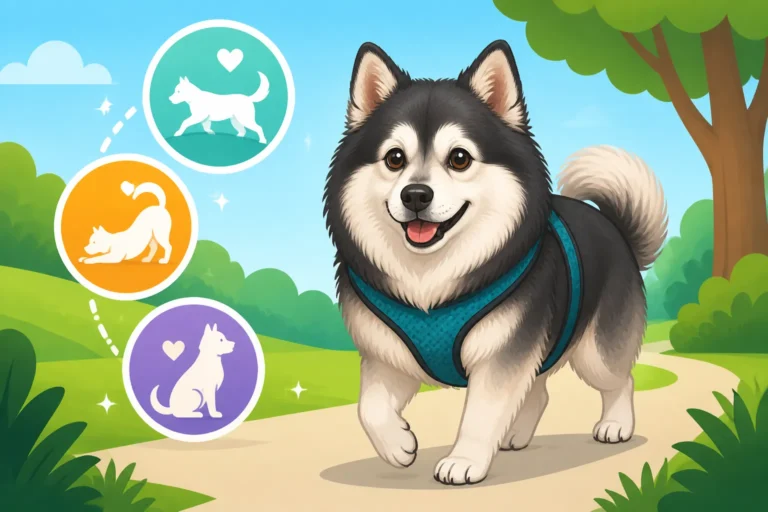
Subtle slowing, stiffness after resting and less enthusiasm for play signal aging, usually around age 7 or 8, so activity should adapt without causing pain.

Senior Pomsky nutrition needs, metabolism changes, and weight management strategies explained to help owners support aging dogs.
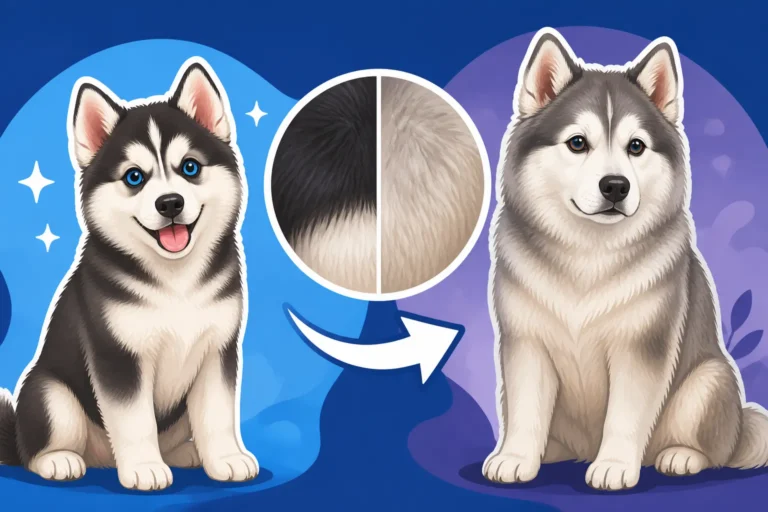
Aging Pomsky coat changes, including graying around the muzzle and chin, result from a natural decrease in melanin production.

Pomsky puppy feeding schedules and metabolic needs determine how often young dogs require meals to maintain stable blood sugar.
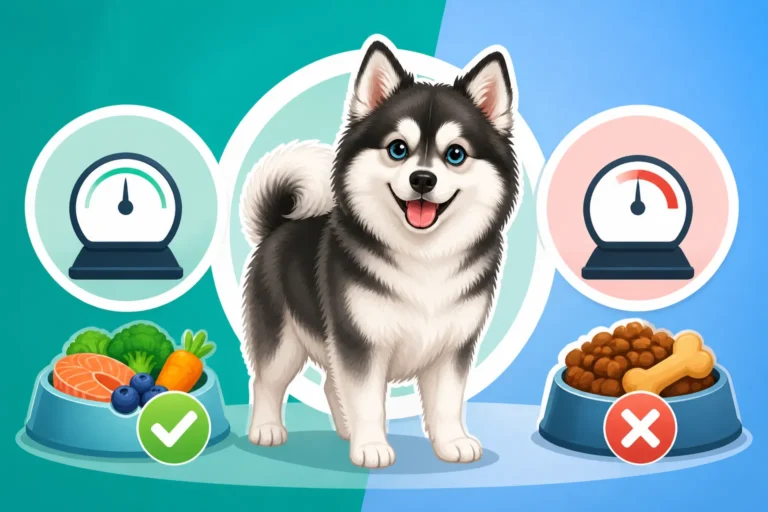
Pomsky weight management strategies include assessing body condition scores and understanding adult sizes between 10 and 35 pounds.

Pomsky zinc requirements and deficiency signs explained, examining Husky heritage and genetic factors affecting canine health.

Pomsky eating habits explained through Siberian Husky and Pomeranian ancestral traits, exploring efficient metabolism and appetite variations.

A twenty pound Pomsky diet guide explains daily food portions based on Pomeranian and Husky metabolism traits.
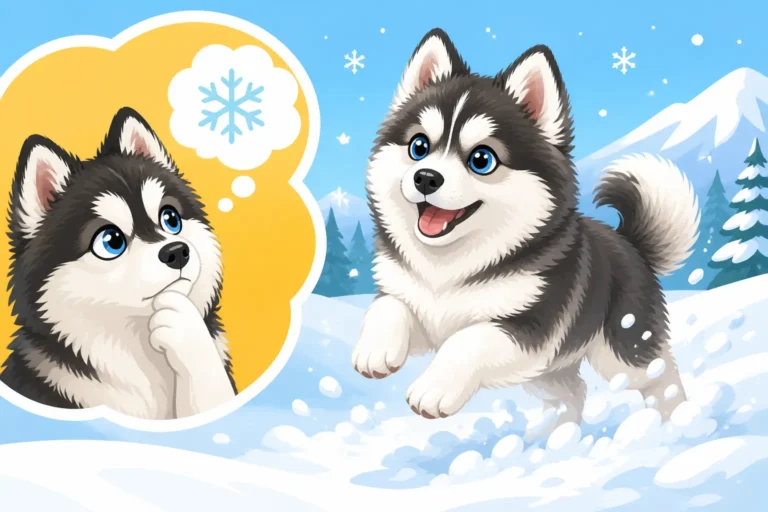
Pomsky cold weather tolerance depends on Siberian Husky heritage, double coat insulation, and Pomeranian body size factors.
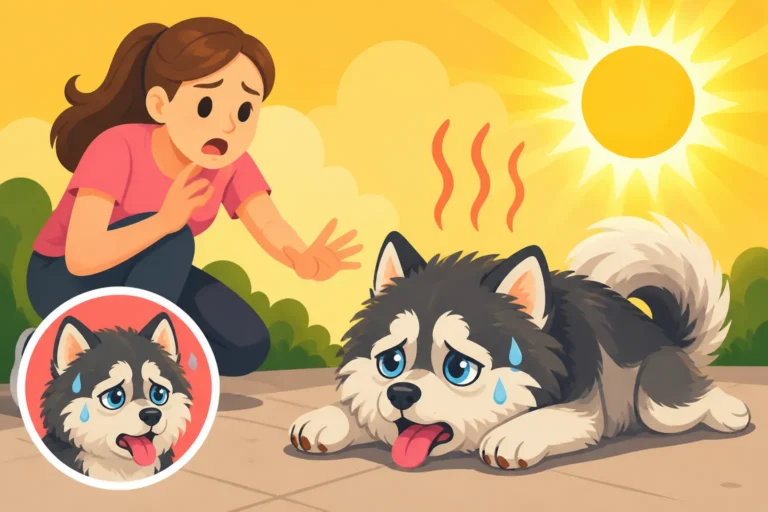
Pomsky overheating signs during hot walks, explaining how Siberian Husky and Pomeranian double coats trap heat and cause heatstroke.