Whether a Pomsky’s Color Changes as It Grows
Pomsky coat color changes occur when four to six month old puppies shed their soft puppy fluff and develop adult double coats.
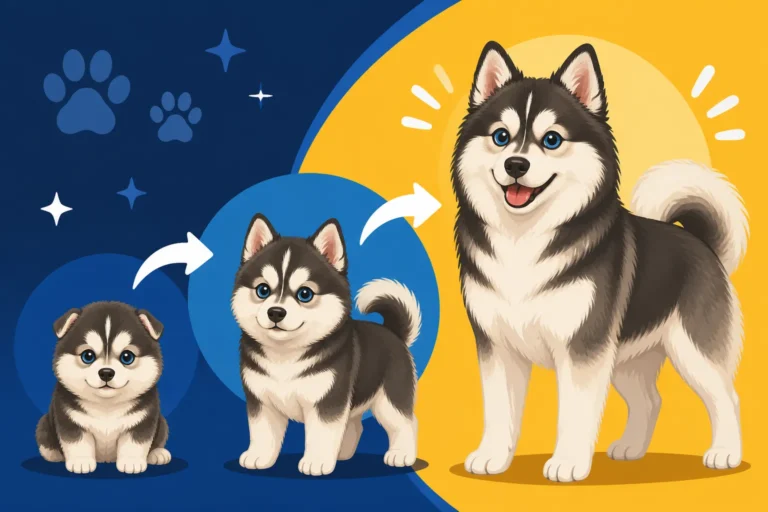
Pomsky coat color changes occur when four to six month old puppies shed their soft puppy fluff and develop adult double coats.
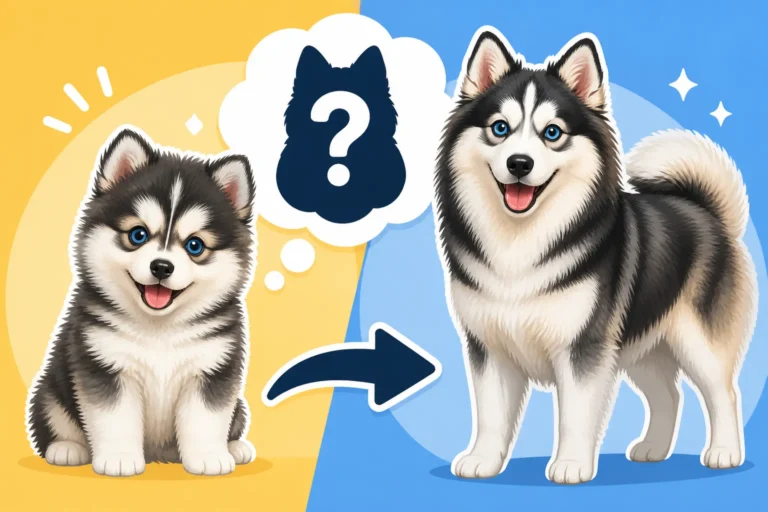
Pomsky puppy fluff fails to predict adult coat types due to unpredictable Siberian Husky and Pomeranian hybrid genetics and varied undercoats.
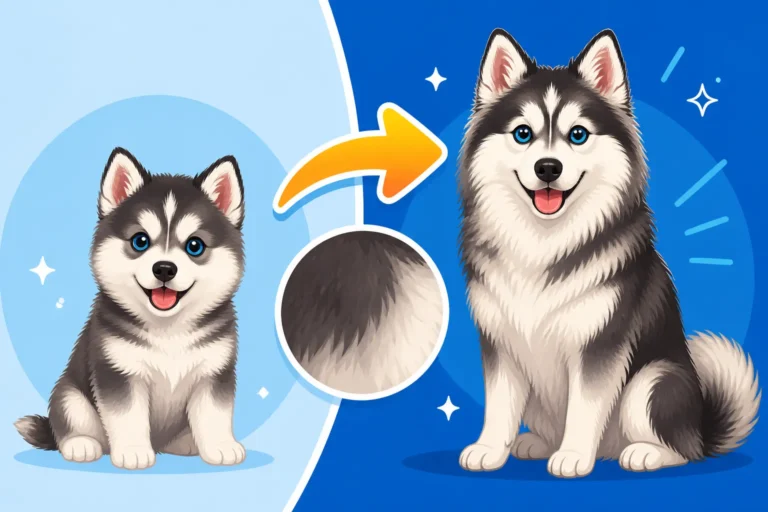
Pomsky coat development explains why wispy puppy fur transitions into a thicker adult double coat by six to twelve months of age.
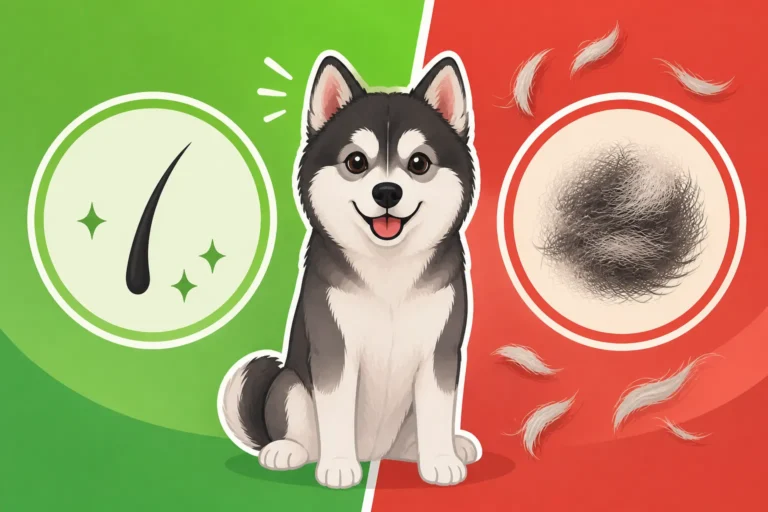
Short-coated Pomskies still possess double coats with dense underlayers, meaning a shorter length does not guarantee less shedding.

Wooly Pomsky coat maintenance requirements explain if daily brushing prevents painful mats and skin infections.
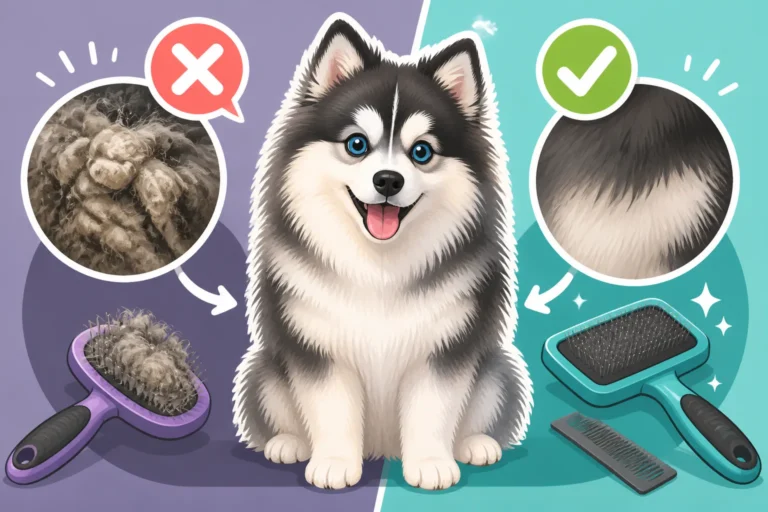
Wooly Pomsky matting happens because long guard hairs and dense undercoats trap shed fur, moisture, friction, and outdoor debris.
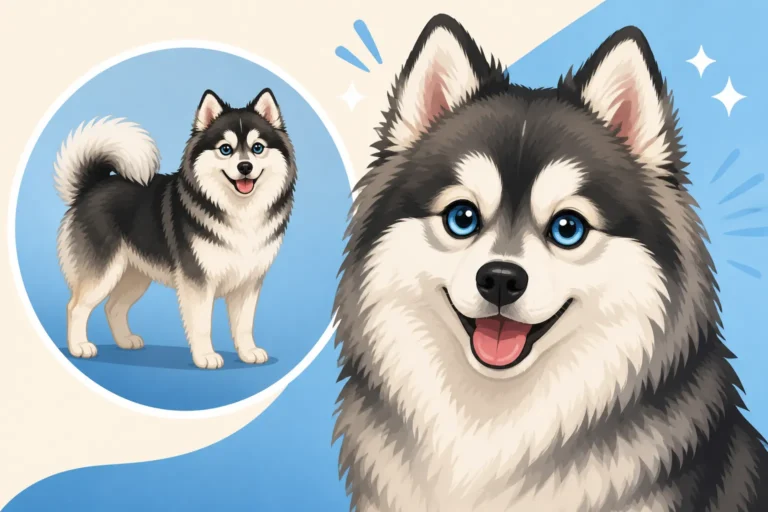
Wooly Pomsky physical traits, coat genetics, and care needs explained through specific characteristics and plush guard hairs.
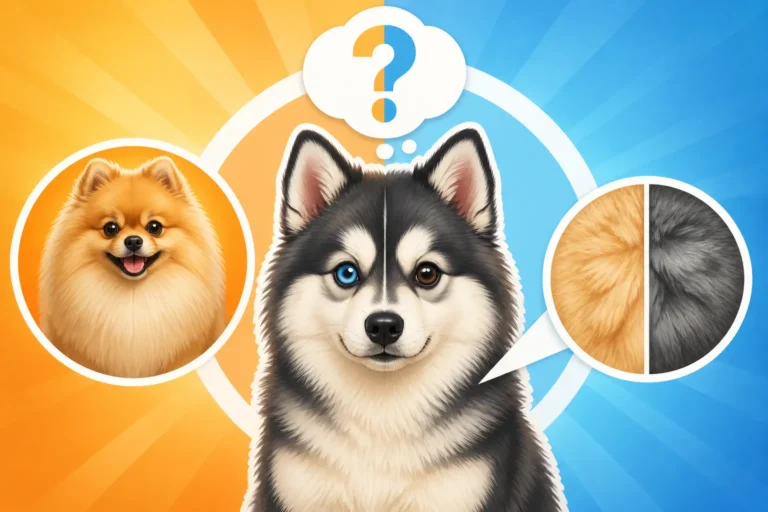
Pomsky coat inheritance determines whether hybrid puppies get the Pomeranian stand-off coat or the Siberian Husky fur texture.
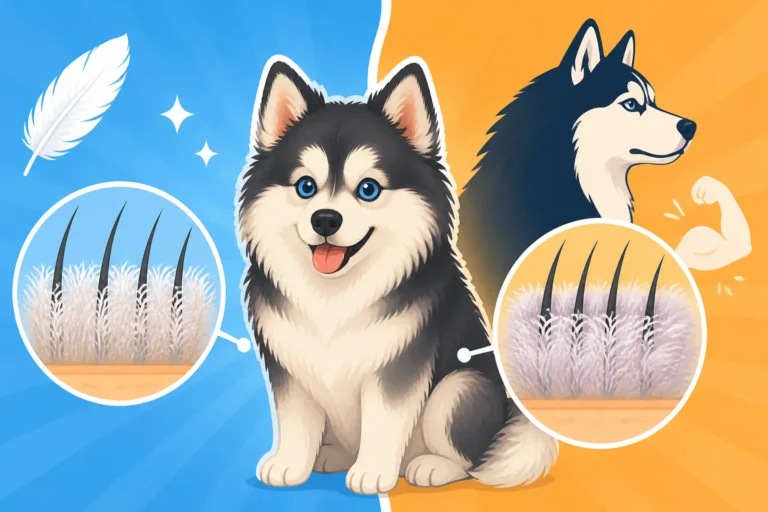
Pomsky undercoat density varies because a twenty pound puppy inherits mixed traits from both Pomeranian and Siberian Husky parent breeds.
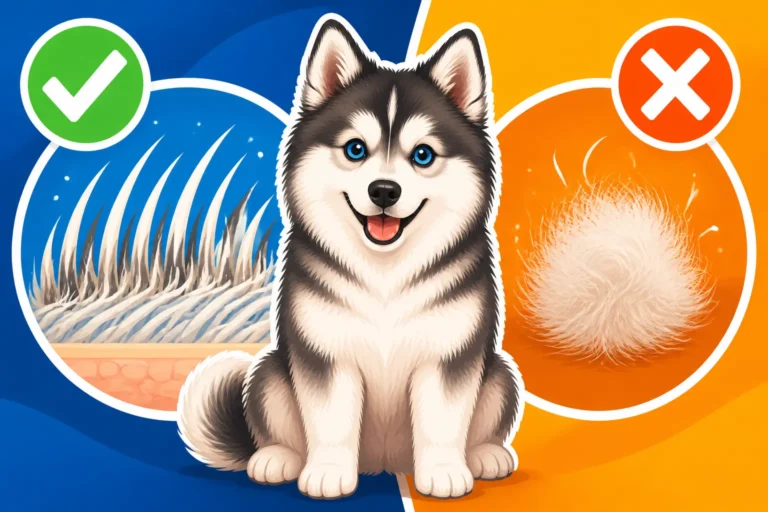
Pomsky coat structure consists of a protective outer guard layer and a dense insulating undercoat inherited from Husky and Pomeranian ancestors.