Whether a Pomsky’s Ears Stand Up
Pomsky ear position and cartilage structure change naturally during puppy growth due to inherited traits from Siberian Huskies and Pomeranians.

Pomsky ear position and cartilage structure change naturally during puppy growth due to inherited traits from Siberian Huskies and Pomeranians.
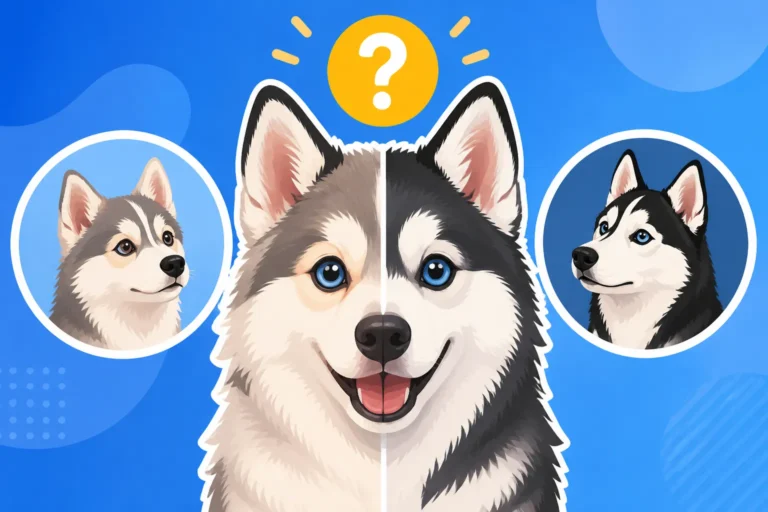
Pomsky facial markings and coat colors vary by puppy and change as dogs grow, making adult appearances unpredictable.

Pomsky coat volume, face shape, and tail carriage explain why these crossbreed dogs often resemble large Pomeranians.

Pomsky appearance variation between puppies explains why a cross between a Siberian Husky and a Pomeranian remains unpredictable.

Tiny Pomskies health and growth patterns explained, including how to distinguish natural petite size from health or breeding concerns.

Toy and micro Pomsky labels are marketing terms that do not guarantee adult size because parent breeds vary greatly.
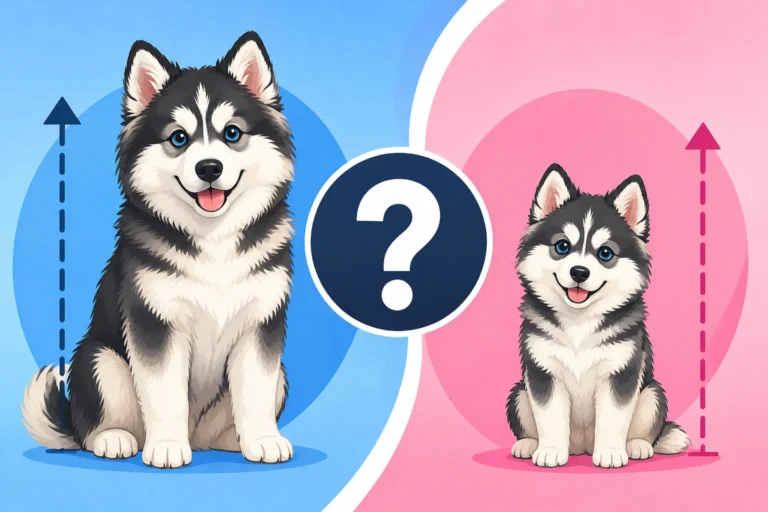
Pomsky adult size predictions, explained through parent traits, genetics, and individual growth variations rather than puppy sex alone.

Pomsky growth after one year involves filling out rather than height gains, distinguishing normal development from weight gain.

Pomsky growth timelines and adult size variations explain when puppies reach maturity and how to track weight.

Pomsky parent weights offer useful size clues, but family history and inherited traits explain adult size uncertainty.