Whether a Pomsky’s Skin Cracks Around the Mouth
Pomsky mouth skin cracking causes, effective home care methods, and veterinary signs explained for worried dog owners.
Know what to watch for.
Breed-specific conditions, screening and DNA tests, what surgery actually costs, and the daily habits that stretch a healthy lifespan.
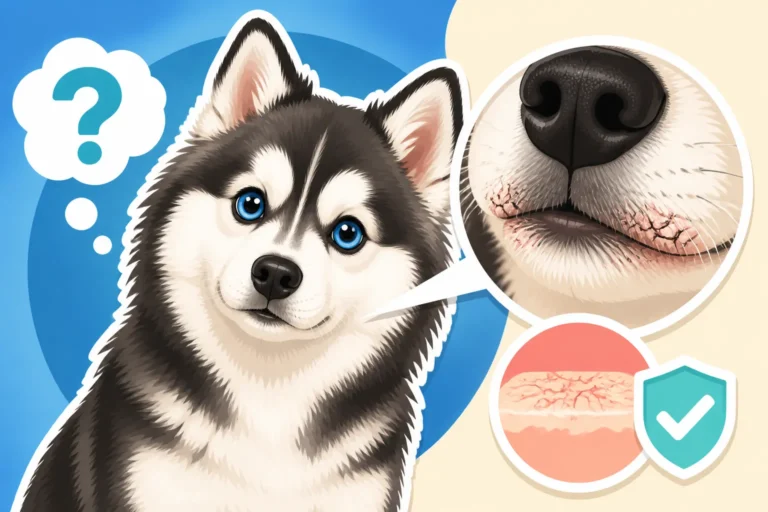
Pomsky mouth skin cracking causes, effective home care methods, and veterinary signs explained for worried dog owners.

Zinc supplementation for Pomskies explains how this mineral supports skin, coat health, immune function, and overall canine well-being.
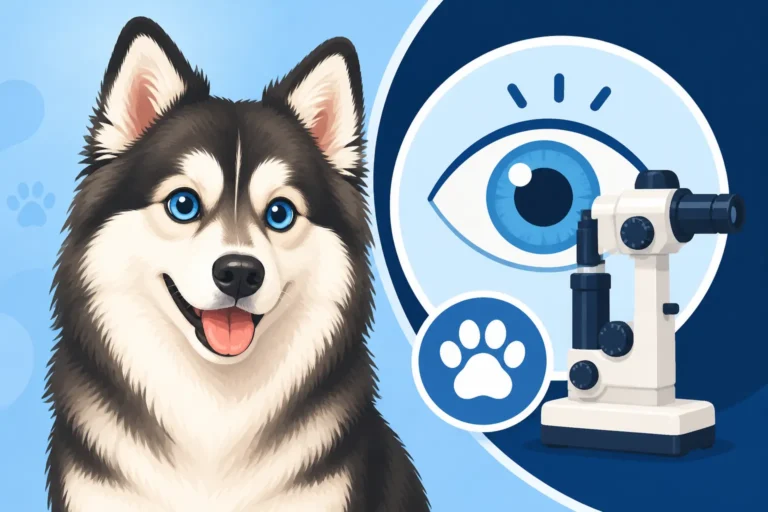
Annual eye exams for Pomskies detect inherited conditions like juvenile cataracts, progressive retinal atrophy, and corneal dystrophy early.

Blue-eyed Pomskies with Siberian Husky heritage generally have normal vision because their eye color causes no health defects.

Progressive Retinal Atrophy in Pomskies and its genetic inheritance, signs of vision loss, and how the condition develops.
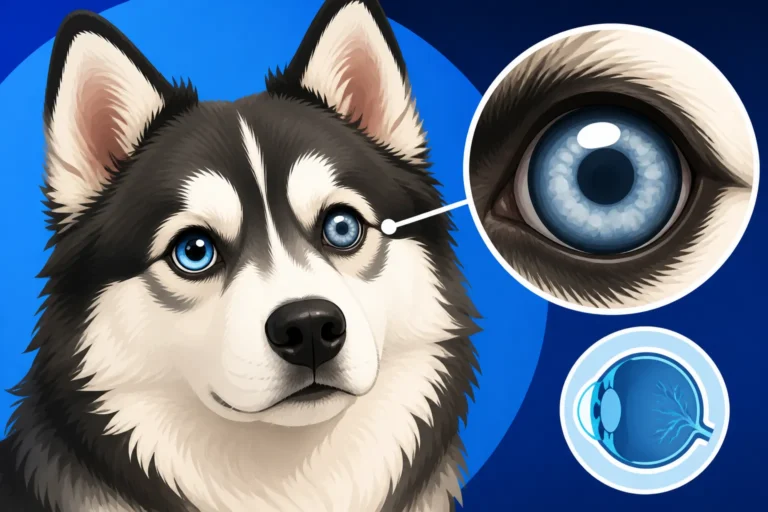
Corneal dystrophy in Pomskies explains inherited eye conditions affecting the cornea layers, causing cloudiness and vision changes.

Juvenile cataracts inherited from Husky ancestry cause cloudy eyes and vision loss in young Pomskies under six years old.

Pomsky reverse sneezing produces sudden snorting noises caused by throat spasms, allergies, dust, pollen, and anatomical traits.
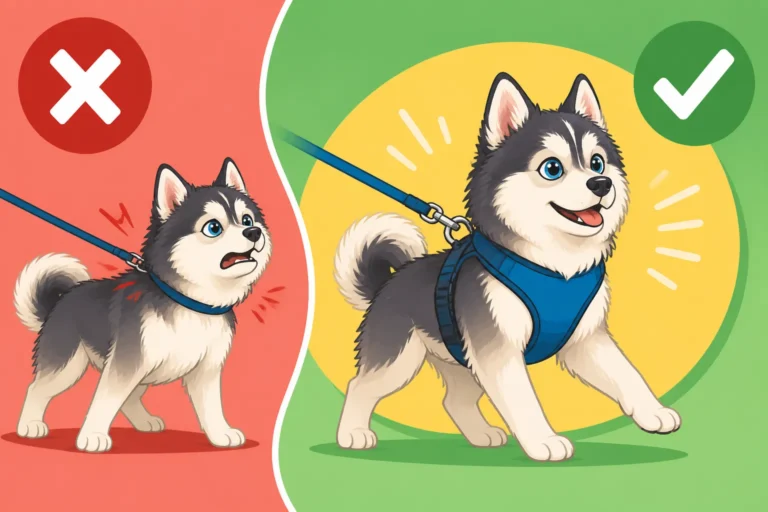
A Pomsky harness protects fragile tracheas from collar pressure and prevents breathing difficulties during daily dog walks.
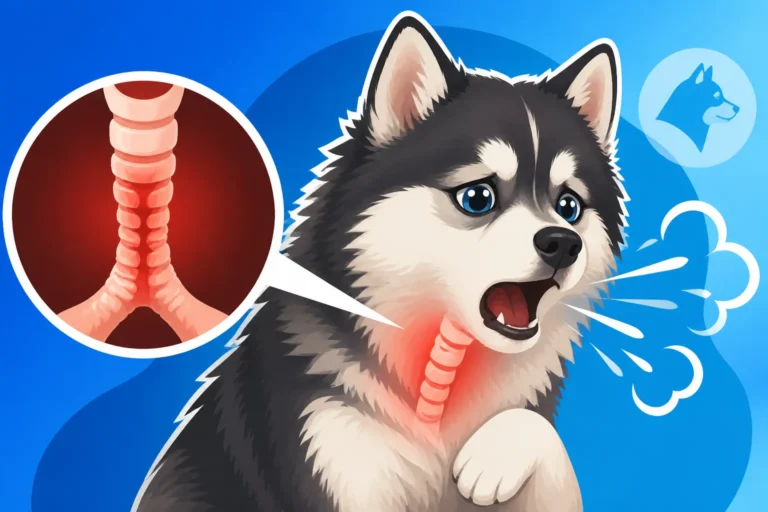
Pomsky tracheal collapse causes a goose honk cough when weakened cartilage rings flatten the windpipe, obstructing airflow.