Whether a Pomsky Breeder Refunds a Deposit
The idea of bringing a fluffy Pomsky puppy home is incredibly exciting, but the journey often starts with a significant financial commitment: the deposit. It's perfectly natural to feel a knot in your stomach when you hand over a sizable sum, wondering if that money is truly gone if plans change, or if there are scenarios where you might see it again. This guide is here to shed light on the common practices of Pomsky breeders regarding deposits, helping you understand what to expect and how to protect yourself.
The Standard Practice: Why Most Pomsky Deposits are Non-Refundable
Let's face it, breeders aren't just selling puppies; they're investing immense time, effort, and money long before those adorable little fluffballs are even conceived. When you place a deposit on a Pomsky puppy, you're not just reserving a dog; you're often contributing to a long, expensive process.
The Breeder's Investment Before You Even Commit
Think about what goes into a responsible Pomsky breeding program. It starts with careful selection of breeding dogs, ensuring they are healthy and have good temperaments. This means comprehensive health testing for genetic conditions common to both Huskies and Pomeranians, such as those related to hips, eyes, and patellas. These tests are not cheap, and they are crucial for producing healthy puppies. Then there's the cost of feeding and caring for the adult breeding dogs year-round, regardless of whether they are actively breeding.
But for Pomskies, the expenses go even further. Unlike many breeds, Pomskies cannot be bred naturally due to the significant size difference between the Siberian Husky mother and the Pomeranian father. This means Why a Pomsky Cannot Be Bred Naturally, requiring artificial insemination, which involves veterinary intervention, progesterone testing to pinpoint the optimal breeding time, and sometimes even surgical procedures. All of this adds up to substantial veterinary bills before a single puppy is even conceived. Once the mother is pregnant, there are prenatal check-ups, specialized nutrition, and preparations for whelping. If complications arise, a Cesarean section might be necessary, adding another layer of significant expense. These are just some of the reasons why a breeder's costs are incredibly high, and it's why deposits are often structured to help offset these initial, non-recoverable expenses. For a deeper dive into these costs, you might find What a Pomsky Breeder Spends Before a Litter Exists helpful.
Holding a Spot Means Lost Opportunities
When you place a deposit and reserve a specific puppy – or even just a spot on a waiting list for a future litter – the breeder is essentially taking that puppy or spot off the market. They're telling other interested families, "Sorry, that one's spoken for." This might seem straightforward, but in the competitive world of reputable Pomsky breeding, demand can often outstrip supply. Breeders typically have extensive waitlists, with many families eager to welcome a Pomsky into their homes.
If you decide to back out, the breeder then has to go back to their list, contact the next available families, and potentially re-market the puppy. This takes time, effort, and can result in lost opportunities. Another family who might have been an ideal match could have moved on, found another puppy, or simply grown tired of waiting. This delay can also mean the puppy is older by the time a new home is found, which sometimes makes placement more challenging as people often prefer very young puppies. In a nutshell, your deposit compensates the breeder for the time, effort, and potential loss of sale incurred by holding that spot for you. Understanding The Deposit Market Around Pomsky Waitlists can further illuminate why deposits are often seen as a firm commitment.
Understanding Your Deposit Agreement: What to Look For in a Contract
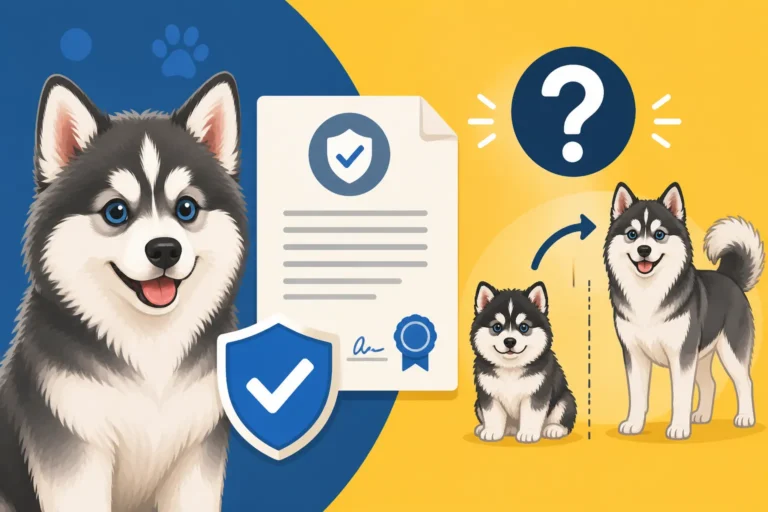
The single most important piece of advice when placing a Pomsky deposit is to read the contract thoroughly. Do not skip over any section. This document is your roadmap, outlining the terms and conditions of your purchase, including the crucial details about deposits.
The Crucial Language of "Non-Refundable" vs. "Refundable Under Specific Conditions"
Most reputable Pomsky breeders will have a clear, written contract that specifies the terms of the deposit. You'll often see language stating the deposit is "non-refundable." This typically means exactly what it says: once paid, that money will not be returned to you, regardless of your reasons for backing out. This isn't meant to be punitive but rather to protect the breeder's investment and time, as discussed above.
However, some contracts might offer a bit more flexibility, detailing specific, limited circumstances under which a refund or, more commonly, a transfer to a future litter might occur. For example, a contract might state that the deposit is non-refundable unless the breeder is unable to provide a puppy from the current litter for reasons entirely within their control (e.g., a litter fails to materialize, or there aren't enough puppies to fulfill all deposits). It's vital to differentiate between a transfer and a refund; a transfer means your deposit is applied to a different puppy from a later litter, which isn't the same as getting your money back. Always ask for clarification on any ambiguous clauses before signing and before transferring any funds.
Contingencies That Might Allow for a Refund (or Transfer)
While "non-refundable" is the norm, there are rare and specific situations where a breeder might, out of good faith or contractual obligation, offer some form of recompense. These usually revolve around the breeder's inability to fulfill their end of the agreement as stipulated in the contract.
For instance, what if the specific puppy you chose, after your initial selection, fails its final vet check before going home due to an unforeseen, serious health issue? A responsible breeder's contract might specify that in such a rare event, you could either choose another available puppy, transfer your deposit to a future litter, or potentially receive a refund. Another scenario could be if the puppy's characteristics deviate wildly from what was promised and explicitly agreed upon in writing – for example, if you were guaranteed a puppy under a certain adult weight, and it's clear before placement that it will be significantly larger. This is where understanding Whether a Pomsky Breeder Can Guarantee Adult Size becomes critically important. Breeders often provide weight estimates, but truly guaranteeing an exact adult size can be challenging. A reputable breeder will always prioritize the puppy's health and well-being, and good communication from their end should precede any potential issues. They might also outline what happens if What Happens If a Pomsky Doubles the Estimate when it comes to adult size.
Red Flags in Deposit Agreements and What to Avoid
Just as crucial as understanding what a good contract should contain is recognizing what it shouldn't. Be wary of any breeder who:
- Doesn't offer a written contract at all. This is a huge red flag. A verbal agreement is almost impossible to enforce and leaves you completely exposed.
- Has overly vague or confusing language about deposits. If you have to guess what a clause means, it's not clear enough. A reputable breeder should be happy to explain everything in detail.
- Pressures you to pay a deposit without letting you read the contract first. Never feel rushed into this significant financial decision. You need time to review, ask questions, and even seek legal advice if you feel it's necessary.
- Demands unusually large deposits (e.g., more than 25-30% of the total puppy price). While deposits are substantial, excessively high amounts might be a warning sign.
- Refuses to answer questions about their policies or history. Transparency is key in choosing a breeder.
A breeder who is upfront, provides a detailed contract, and is willing to discuss all terms and conditions with you is generally a good sign. Don't be afraid to ask for references or to speak to past puppy buyers.
When a Refund is Unlikely and How to Mitigate Risk
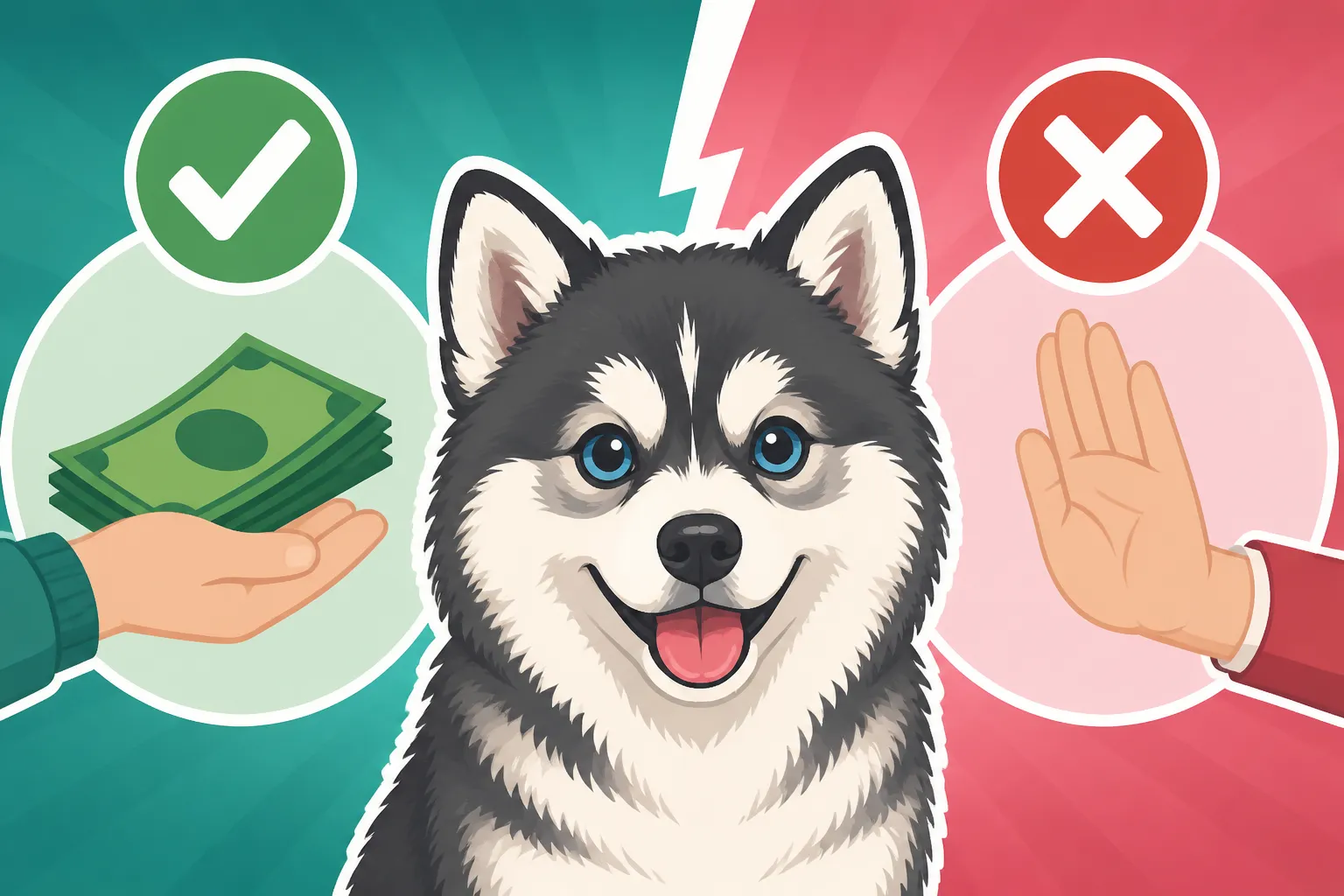
The reality is, most of the time, if you decide not to proceed with purchasing a Pomsky after placing a deposit, that money will not be refunded. It’s important to enter into the agreement with this understanding.
Buyer's Remorse or Change of Circumstance
Life throws curveballs, and sometimes circumstances change unexpectedly. You might get a new job requiring a move, a family member develops allergies, or you simply realize a Pomsky isn't the right fit for your lifestyle after all. These are incredibly tough situations, and it's heartbreaking to walk away from a puppy you've anticipated. However, in almost every scenario, a breeder's contract will explicitly state that deposits are non-refundable for reasons stemming from the buyer's change of mind or personal circumstances.
While it feels unfair to lose a significant amount of money, remember the breeder's perspective: they held that puppy for you, potentially turning away other suitable homes. Your decision to back out, while valid for you, directly impacts their business and the welfare of their puppies by delaying placement. It's a risk that buyers take when committing to a deposit, and it underscores the importance of being absolutely certain about your decision before putting down any money. You might be able to negotiate a transfer to a later litter, especially if you have a good relationship with the breeder, but this is usually at their discretion and not a contractual right.
The Role of Health Guarantees and Insurance
It's important to distinguish between deposit policies and health guarantees. A health guarantee is a critical part of a reputable breeder's contract, but it typically applies after you've taken the puppy home. It outlines the breeder's responsibility if the puppy develops certain health conditions within a specified timeframe. For example, a guarantee might cover congenital defects found within the first year. This is about protecting you financially if your new puppy becomes ill, not about refunding a deposit if you change your mind.
To further safeguard against unexpected veterinary costs once your Pomsky is home, pet insurance is an invaluable tool. Providers like Healthy Paws offer coverage for accidents and illnesses, which can be a huge relief if your Pomsky encounters unforeseen health issues throughout its life. Another popular option is Chewy's pet insurance offerings, often bundled with other pet supplies. While insurance won't get your deposit back, it will protect your wallet from the potentially staggering vet bills that can arise. For example, if your Pomsky develops a condition like Slipping Kneecaps in a Pomsky or The Collapsing Trachea a Pomsky Gets From the Pomeranian, having insurance can make a world of difference. Understanding Insuring a Pomsky Against Two Parent Breeds is crucial for planning your long-term financial commitment.
Steps to Take Before Placing Any Deposit
The best way to avoid deposit disappointment is to do your homework thoroughly before you even think about transferring funds. This proactive approach ensures you're confident in your decision and understand the terms.
- Vet the Breeder Extensively: This cannot be stressed enough. Look for breeders who are transparent, willing to answer all your questions, and are enthusiastic about sharing information. Ask for references from previous puppy buyers. A good breeder will typically be a member of relevant organizations, even if the Pomsky isn't a recognized purebred, such as the International Pomsky Association.
- Request Health Clearances: Insist on seeing the health testing results for both parent dogs. This should include screenings for conditions like hip and elbow dysplasia, patellar luxation, and eye certifications. A responsible breeder will be proud to share these. Knowing The Health Tests a Pomsky Breeder Should Show is paramount.
- Read the Contract, Then Read It Again: Get a copy of the breeder's contract well in advance of placing a deposit. Read every single clause, especially those pertaining to deposits, refunds, health guarantees, and what happens if the puppy isn't what you expected. If anything is unclear, ask for clarification in writing.
- Visit the Breeder (if possible): If feasible, visit the breeder's facility to see the living conditions, meet the parent dogs, and observe the puppies. This gives you a much better sense of the breeder's practices and the environment the puppy is coming from.
- Be Realistic About Size and Appearance: While many hope for a mini Husky, Pomskies often lean more towards their Pomeranian side in appearance, and their adult size can vary considerably. Discuss size predictions with the breeder, but understand that they are estimates. For more on this, check out Whether a Pomsky Puppy's Size Can Be Predicted. You can ask the breeder about their experience with products like Ollie's fresh dog food subscriptions, which offer portion control guidance that can help manage a puppy's growth and weight as they mature.
- Assess Your Lifestyle Honestly: Before committing, seriously evaluate if a Pomsky is the right dog for you. They are energetic, require significant grooming, and can be quite vocal. They are intelligent but can be stubborn. Be honest about the time, energy, and resources you can dedicate.
By taking these steps, you can minimize the chances of a change of heart and ensure that when you do place that deposit, you do so with confidence and a full understanding of what it means.
| Scenario for Deposit Withdrawal | Typical Breeder Policy | Likelihood of Refund |
|---|---|---|
| Buyer's Change of Mind | Deposit is non-refundable. | Very Low (almost none) |
| Buyer's Life Changes | Deposit is non-refundable. | Very Low (almost none) |
| Breeder Cannot Provide Puppy (e.g., small litter, no puppies) | May offer transfer to next litter; some contracts allow refund. | Moderate to High (if specified in contract) |
| Specific Puppy Fails Vet Check Before Pickup (serious health issue) | May offer another puppy, transfer, or rarely, refund. | Moderate (depends on contract/breeder) |
| Puppy Significantly Different from Agreed Contract Terms (e.g., color, gender, serious size deviation) | Resolution depends on contract; typically transfer or reselection. | Low to Moderate (very specific conditions) |
Disclaimer
This article is for general informational purposes only and does not constitute professional advice. Laws, prices and regulations vary by location and change over time. Consult a qualified professional for guidance on your specific situation.