Whether a Pomsky Should Live Outdoors
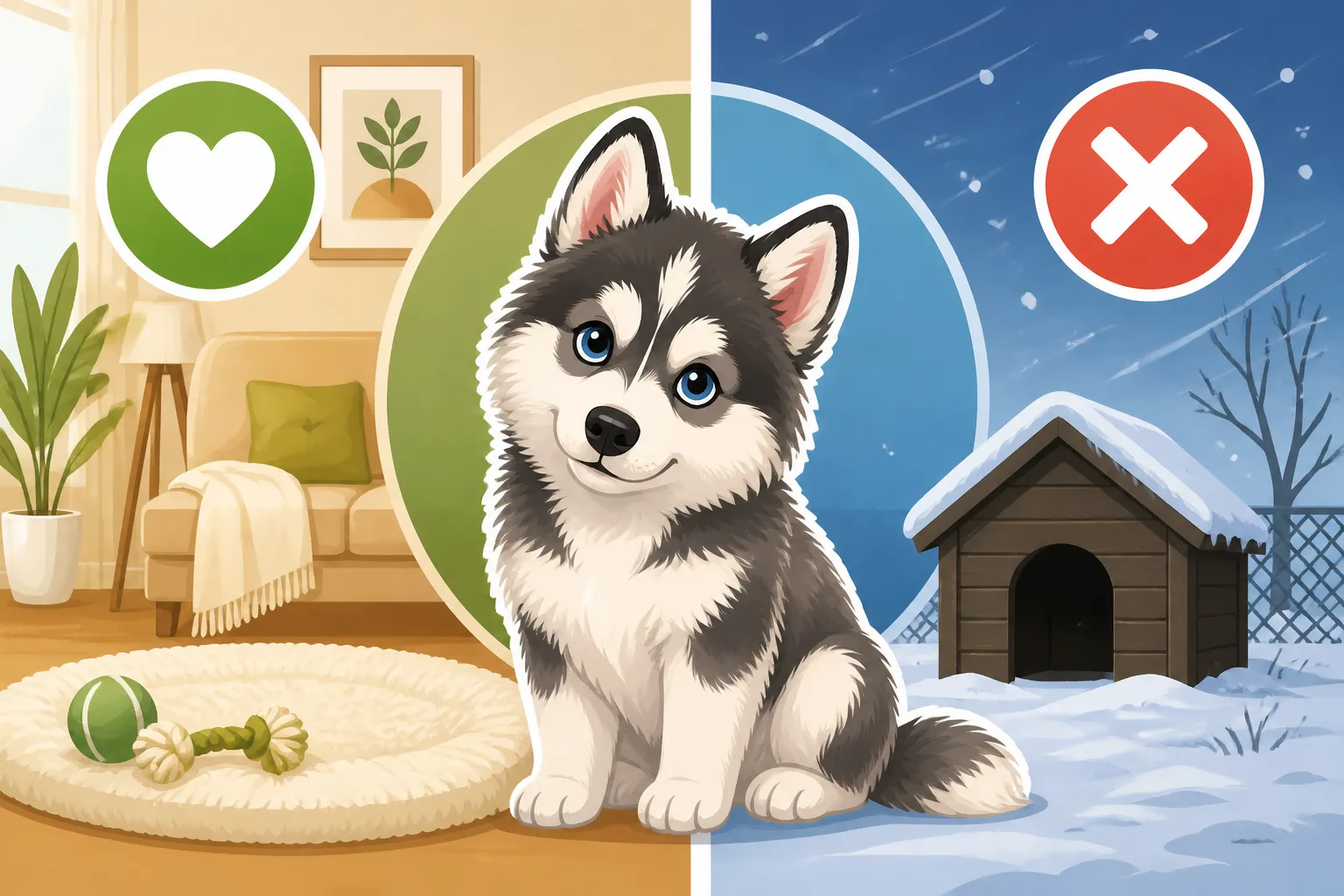
The idea of a Pomsky living outdoors might conjure up images of their Siberian Husky ancestors, strong and resilient, thriving in vast open spaces. After all, they have that thick, gorgeous double coat, right? Many folks assume that because a Pomsky carries that Husky heritage, they're built for life outside, perhaps even preferring it. But as any seasoned Pomsky owner will tell you, the reality is far more nuanced, and generally, a Pomsky is simply not equipped or temperamentally suited for full-time outdoor living. This guide will explore why keeping a Pomsky solely outdoors is not advisable and how to provide them with the best quality of life.
Understanding the Pomsky's Core Needs and Traits
When we talk about whether a Pomsky should live outdoors, we're not just discussing their physical resilience to weather. We're diving deep into their very nature, a blend of two distinct breeds that together form a companion animal, not a working dog bred for solitude in harsh conditions.
The Double Coat – A Blessing and a Curse
Yes, your Pomsky has that magnificent double coat, often incredibly dense, that makes them look like they could brave an arctic tundra. This coat is designed with two layers: a soft, downy undercoat for insulation and a coarser, protective outer coat (guard hairs). It's a marvel of natural engineering that helps regulate their body temperature, keeping them warm in winter and surprisingly cool in summer by trapping air close to their skin. You can read more about The Pomsky That Carries a Husky Coat at Twenty Pounds.
However, this doesn't automatically qualify them as outdoor dogs. This coat requires consistent care, especially during their "blowing coat" seasons when shedding is immense. Neglecting a Pomsky's coat outdoors can lead to matting, skin infections, and make them more susceptible to pests. While it provides insulation, it doesn't offer magical protection against prolonged exposure to extreme elements without proper shelter and human oversight. Think of it less as a bulletproof vest and more as a very warm, but high-maintenance, wool sweater.
Temperature Sensitivity and Health Risks
Despite their cold-weather ancestry, Pomskies are surprisingly vulnerable to temperature extremes, particularly heat. While they might frolic in the snow with glee, leaving them outside in freezing temperatures without adequate, insulated shelter can quickly lead to hypothermia, frostbite, and other cold-related illnesses. They can tolerate cold much better than many other breeds, but there's a limit, and continuous exposure without the ability to warm up is cruel and dangerous.
On the flip side, their dense double coat makes them highly susceptible to overheating in warmer climates or during summer months. They don't have the same efficient cooling mechanisms as humans, relying primarily on panting. Without constant access to shade, cool water, and the ability to retreat to an air-conditioned environment, a Pomsky can quickly develop heatstroke, which is a life-threatening emergency. Even temperatures that feel pleasant to us can be too much for them, especially during peak sun hours. It's vital to understand The Temperature a Pomsky Starts Struggling At and recognize the signs of heat stress. Leaving them outdoors means you might miss these critical indicators until it's too late. To avoid this, owners should be careful about When to Walk a Pomsky in Summer.
The Need for Social Connection
This is arguably one of the most crucial points. Pomskies are bred companions. They are intelligent, sensitive, and deeply attached to their human families. This strong bond is a hallmark of both the Husky and Pomeranian parent breeds. Leaving a Pomsky to live outdoors, isolated from the daily rhythms and interactions of household life, can lead to severe emotional and behavioral problems.
They crave attention, playtime, and being part of the "pack." Depriving them of this can result in loneliness, anxiety, and a feeling of abandonment. Imagine being part of a family but always watching from the outside, never truly included. That's often what outdoor living feels like to a Pomsky. They thrive on companionship, mental stimulation from their people, and the comfort of a warm, safe indoor space next to their loved ones.
Behavioral Challenges of Outdoor Living for a Pomsky
Beyond the health risks, housing a Pomsky outdoors full-time sets the stage for a host of behavioral issues that can be difficult to manage and can actually make them less desirable companions.
Escape Artists and Wanderers
The Siberian Husky influence is strong when it comes to a Pomsky's adventurous spirit and uncanny ability to escape. They are renowned The Pomsky Escape Artist in a Twenty Pound Body. Huskies were bred to run long distances, and that drive is often present in Pomskies, even in a smaller package. Give them an opportunity, and many will take it. An outdoor Pomsky is often a bored Pomsky, and a bored Pomsky will look for ways to entertain themselves, which usually involves exploring beyond your property lines.
They can jump fences, dig under them, and even figure out gates and latches. If your Pomsky lives outdoors, the chances of them becoming lost or injured are significantly higher. A simple open door can be an invitation to adventure, as discussed in Whether a Pomsky Runs If a Door Opens. This isn't just a nuisance; it's a constant source of stress for owners and a serious danger to the dog from traffic, other animals, or getting permanently separated from home.
Destructive Behaviors and Boredom
A Pomsky left to their own devices outdoors for extended periods is almost guaranteed to find their own "entertainment," and it's usually not something you'll appreciate. Boredom, combined with their natural digging instincts (a strong Husky trait), means your garden could quickly become a lunar landscape. A Pomsky That Digs is a common complaint among owners, and it's exacerbated by isolation.
Furthermore, lack of mental stimulation can manifest as destructive chewing. While an indoor Pomsky might target a couch cushion when bored, an outdoor Pomsky might chew through irrigation lines, garden furniture, or even parts of your house exterior. This isn't out of malice but a desperate attempt to relieve pent-up energy and frustration. It's a far cry from a Pomsky that destroys furniture when bored, which typically occurs indoors, and even then, indicates insufficient mental and physical engagement.
Barking, Howling, and Neighborly Relations
Pomskies are vocal dogs. They inherit the Husky's penchant for talking, howling, and "woo-wooing," often in addition to the Pomeranian's more traditional bark. Why a Pomsky Talks Instead of Barking is a topic many owners find fascinating, but when this vocalization is constant, it becomes a problem. An outdoor Pomsky, feeling lonely, bored, or anxious, will often express these emotions through incessant barking and howling.
This can quickly lead to strained relationships with neighbors and even formal complaints. No one wants to be "that neighbor" whose dog disrupts the peace. For an apartment dweller, or anyone with close neighbors, considering the noise factor is critical, as you might find yourself dealing with Whether a Pomsky Gets Its Owner a Noise Complaint. It's simply not fair to the dog or your community to leave them outside where their natural communication can become a nuisance.
Practical Considerations and Safety for Outdoor Time
While full-time outdoor living is not recommended, allowing your Pomsky to spend supervised time outdoors is not only acceptable but encouraged for their physical and mental well-being. However, even for short stints, safety and appropriate provisions are paramount.
Secure Fencing and Supervision
If you plan for your Pomsky to spend any unsupervised time in your yard, the fencing needs to be absolutely bomb-proof. A standard four-foot picket fence simply won't cut it. Pomskies can be surprisingly agile and determined climbers. A six-foot solid fence, preferably with a dig guard sunk into the ground or a concrete footing, is often the minimum requirement for a truly secure enclosure. Even then, regular checks for escape routes are necessary. The Fence a Pomsky Actually Needs is often far more robust than what many standard homes provide. Also, consider that these dogs can jump incredibly well; How High a Pomsky Can Jump a Fence might surprise you.
Moreover, "supervised" is the keyword. Even with the best fence, a Pomsky should ideally be supervised during their outdoor excursions. This allows you to intervene if they get into trouble, prevent them from practicing escape maneuvers, and ensure they are not overheating or getting into things they shouldn't.
Shelter, Water, and Protection from Elements
Any time your Pomsky is outdoors, regardless of duration, they must have access to adequate shelter from the sun, rain, and wind, and a constant supply of fresh, cool water. This isn't just about comfort; it's about survival.
- Shade: Crucial in warmer weather to prevent overheating. A large tree, an awning, or a well-constructed dog house (with good ventilation) can provide this.
- Water: A large, tip-proof bowl filled with fresh water should always be available. In warmer weather, consider multiple water sources or even a small kiddy pool for them to cool their paws in. You can find durable, large water bowls on sites like Chewy or Amazon.
- Protection from Rain/Wind: A sturdy dog house, elevated off the ground, with a flap door can offer protection. It should be appropriately sized – large enough for them to stand and turn around, but small enough to retain body heat in cold weather.
Remember, this is about providing comfort during temporary outdoor stints, not making them their permanent home.
| Aspect | Full-Time Outdoor Living for Pomsky | Indoor Living with Outdoor Access |
|---|---|---|
| Safety & Security | High risk of escape, theft, injury from environment/wildlife. | Controlled outdoor access, lower escape risk with proper supervision. |
| Health | High risk of heatstroke, hypothermia, parasites, neglect of medical needs. | Controlled environment, prompt attention to health issues. |
| Behavior | High risk of anxiety, destructive chewing, digging, excessive barking. | Well-adjusted, less prone to behavioral issues with proper care. |
| Socialization | Isolation, loneliness, lack of bonding with family. | Strong bond with family, well-socialized, integrated into home life. |
| Grooming/Coat Care | Increased matting, skin issues, pest infestations if neglected. | Regular grooming routine, easier to maintain coat health. |
| Temperature Mgmt. | Extreme risk from heat/cold exposure without constant human intervention. | Climate-controlled environment, adaptable to weather. |
Parasites, Wildlife, and Theft Risks
An outdoor Pomsky is far more exposed to environmental hazards. Fleas, ticks, and mosquitoes are not just annoying; they can transmit serious diseases. Regular parasite prevention, which you can easily order from sites like Chewy, becomes even more critical for an outdoor dog.
Wildlife encounters are also a concern. Even in suburban areas, coyotes, raccoons, and even larger birds of prey can pose a threat to a smaller dog like a Pomsky. These interactions can result in serious injury or worse.
Lastly, and tragically, pet theft is a real danger. A dog left alone in a yard, especially a sought-after breed like a Pomsky, is a target. It's a heartbreaking reality, but one that must be considered. Keeping them primarily indoors significantly reduces this risk.
Creating an Ideal Indoor/Outdoor Balance
The best life for a Pomsky involves a harmonious blend of indoor comfort, social interaction, and plenty of supervised outdoor activity. It’s about being part of the family while still getting to enjoy their natural instincts.
Daily Exercise is Non-Negotiable
A common misconception is that if a dog has a yard, they don't need walks. For a Pomsky, this couldn't be further from the truth. They need consistent, vigorous exercise to be happy and well-behaved. This means daily walks, runs, or play sessions. A yard simply isn't enough to burn off their energy, especially if they are left unsupervised to just potter around. They need engagement, new sights, sounds, and smells that a walk provides. This regular activity is crucial for their physical health and mental stimulation, as highlighted in The Exercise a Pomsky Needs Every Day.
Consider activities like fetch, exploring new walking trails, or even structured training sessions to keep their minds engaged. Many owners find great food motivation helps, and brands like Ollie offer fresh, enticing options that can be used for training rewards.
Designated Outdoor Play Areas
If you have a yard, create a designated "Pomsky zone" – a secure area where they can safely run, play, and maybe even have a small digging pit if that's an instinct they need to express. This area should be regularly checked for hazards and escapes. This gives them a safe space to blow off steam under supervision, without turning your entire garden into a construction site.
Think about interactive toys, puzzle feeders, or even a shaded spot with a cooling mat during warmer months. These additions can enhance their outdoor experience without risking their safety or well-being.
Managing Seasonal Challenges
Living with a Pomsky means understanding how their double coat impacts them throughout the year.
- Summer: Limit outdoor time to early mornings and late evenings when temperatures are cooler. Always provide shade and plenty of fresh water. Consider a splash pad or a shallow pool for them to cool off in. Never leave them unattended in a car, even with the windows cracked, as temperatures can rise rapidly to dangerous levels. Always be vigilant for signs of overheating, which can quickly become an emergency.
- Winter: While Pomskies enjoy the cold, watch for signs of discomfort in extreme temperatures. Keep outdoor sessions shorter, especially if there's significant wind chill. Ensure their paws are protected from ice melt and harsh surfaces. A cozy indoor bed is essential for recovery after any cold weather fun. Remember, their coat helps, but prolonged exposure to brutal winter conditions without proper shelter is still dangerous.
By integrating your Pomsky fully into your home life and providing structured, safe outdoor experiences, you'll be giving them the best of both worlds – the comfort and security of family, combined with the joy of exploring the great outdoors in a safe and responsible way.
Disclaimer
This article is for general informational purposes only and does not constitute professional advice. Laws, prices and regulations vary by location and change over time. Consult a qualified professional for guidance on your specific situation.